 Upper West Side Free Indoor Weekend Plan Finder for Music
Free Things to Do
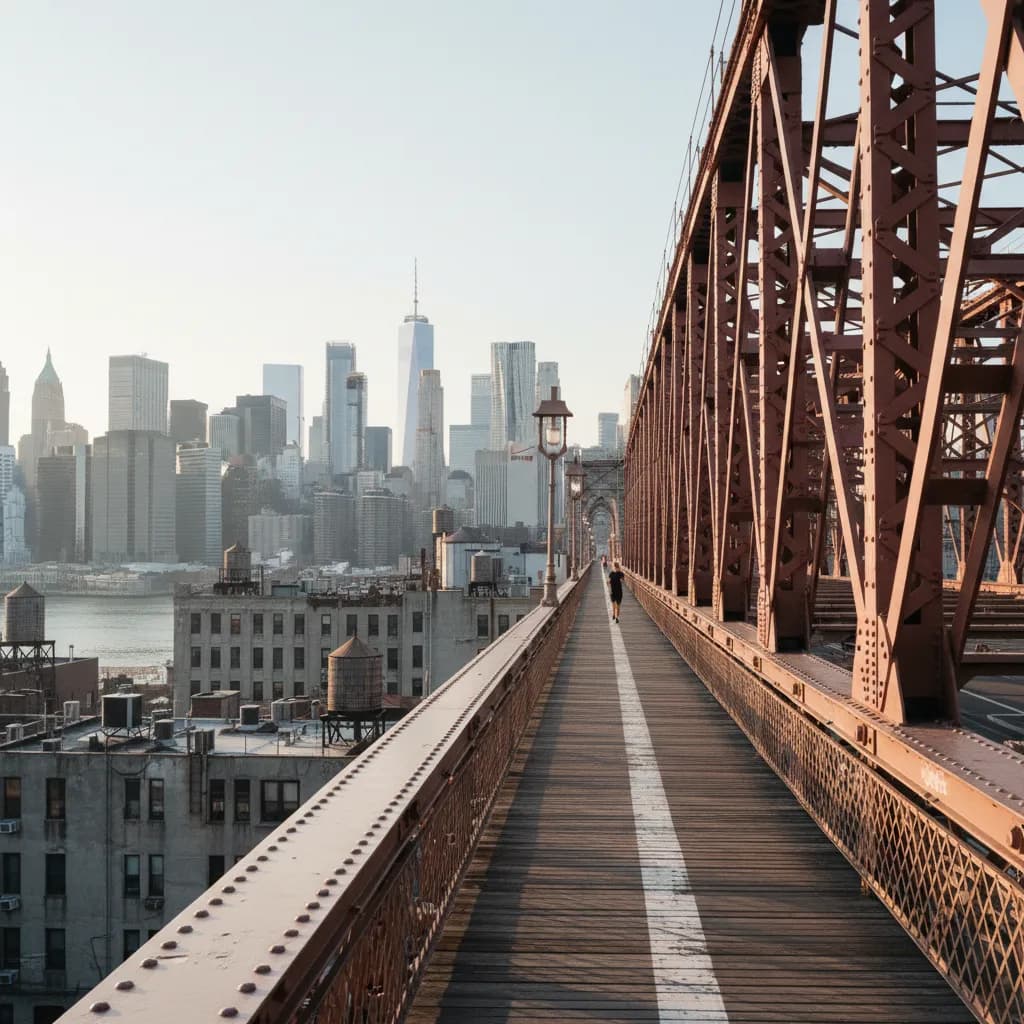
Lower East Side Scenic City Overlook Trail: Free Bridge Walk
Yes, it's free: the Lower East Side's scenic city overlook trail climbs the Williamsburg Bridge walkway from Delancey Street. Go at sunrise for rooftop light.
The Lower East Side has no hill, yet it owns two of the best free overlooks in Manhattan, because both the Williamsburg Bridge and the Manhattan Bridge start their climb inside the neighborhood. The Williamsburg Bridge walkway begins near Delancey and Clinton Streets, a short walk from the Delancey St–Essex St subway station on the F, J, M and Z lines. Treat this scenic city overlook trail as a ramp, not a park: you gain height steadily, and every few hundred feet the rooftops of Orchard, Ludlow and Norfolk Streets drop a little further below you.
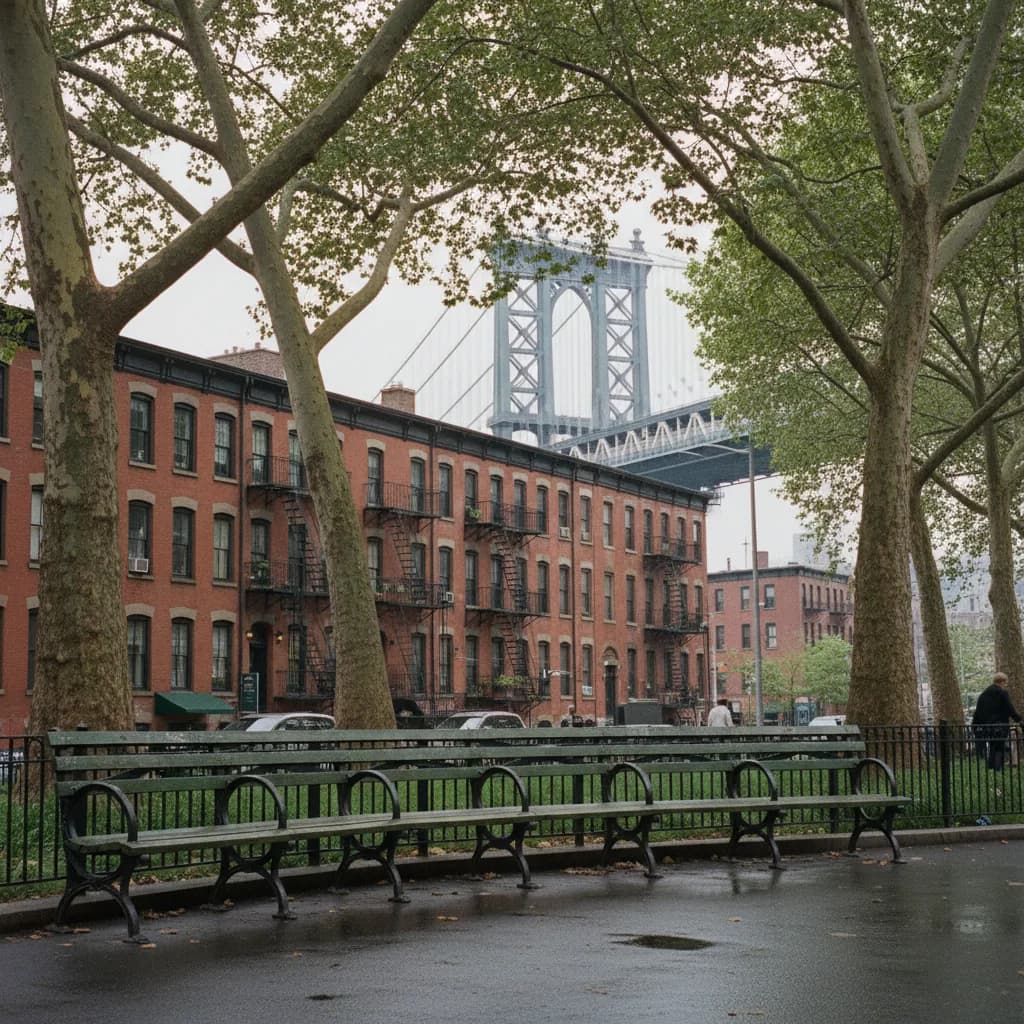
Why the Williamsburg Bridge Is the Main Climb
The bridge opened in December 1903, and it held the title of longest suspension span in the world until 1924. That history matters less on the walk than its geometry. The Manhattan approach runs straight over the Lower East Side, so the first ten minutes show you the neighborhood from above: cedar water tanks on tenement roofs, fire escapes stacked like ladders, and the new towers of Essex Crossing rising behind older five-story walk-ups. By the time you reach the steel towers, the East River opens on both sides, with Domino Park and the Williamsburg waterfront ahead of you.
Starting From Delancey Street
Most walkers enter from the plaza at Delancey and Clinton, where the ramp leaves street level beside heavy car traffic. The first stretch is the least pleasant part of the trip, loud and exposed, so do not judge the route by it. Keep moving until the deck clears the last buildings; that is roughly the point where the city sound drops and the view widens. Cyclists use the bridge heavily during commuting hours, so stay inside the lane markings and step aside before stopping for a photo. Runners from the neighborhood treat this ramp as their hill workout.
The Best Hour for Rooftop Light
Sunrise is the strongest time on this side of Manhattan. The sun comes up behind Brooklyn, so walking back toward Manhattan in the first hour of daylight puts warm light directly on the tenement facades and water towers you are looking down on. Late afternoon flips the scene: Midtown and the Financial District become silhouettes, and the river turns silver. Skip the middle of a summer day. The walkway has almost no shade, the steel and concrete store heat, and the bridge offers nowhere to sit and recover once you are halfway across.

Comparing the Manhattan Bridge Option
The Manhattan Bridge is the second overlook, and its pedestrian walkway runs on the south side, entered near the grand arch and colonnade at Bowery and Canal Street on the edge of Chinatown. The payoff here is a close side view of the Brooklyn Bridge, with its stone towers and cables framed against Lower Manhattan. The tradeoff is noise and fencing: subway trains rattle past on the tracks beside you, and a tall chain-link barrier sits between you and the view. Photographers usually shoot through gaps in the mesh. If you want calm, choose the Williamsburg span; if you want the Brooklyn Bridge in frame, choose this one.
Building a Loop Instead of an Out-and-Back
A satisfying route uses both bridges. Start at Delancey and Clinton, cross the Williamsburg Bridge into Brooklyn, walk south through Williamsburg and DUMBO-adjacent streets, then return to Manhattan over the Manhattan Bridge and drop down at Canal Street. That is a long outing, several miles in total, and works best for people who already walk a lot. A shorter version simply climbs the Williamsburg ramp to the first tower, turns around, and comes back down for breakfast. Both versions are free, and neither requires a ticket or a reservation of any kind.
Who You Will Meet Up There
On a weekday morning the bridge belongs to commuters on bikes, a few joggers with headphones, and photographers waiting for the light to hit the Manhattan towers. Weekends bring couples walking over to Williamsburg for brunch and tourists who found the walkway by accident. The unwritten rule is simple: nobody stops in the middle of the path. If you want to linger, slide to the railing, let the bikes pass, and keep your bag tucked away from the lane. Locals are friendly about directions but impatient with blocked walkways.
A Rainy-Day or Low-Energy Plan B
If wind, rain or tired legs rule out a bridge, stay at street level and use the neighborhood itself as the view. Seward Park, which opened in 1903 as one of the first municipal playgrounds in the country, sits at the foot of Essex Street and gives you a leafy pause with old tenement blocks all around. Essex Market, the long-running public food hall that moved into a new building at Essex Crossing in 2019, works as a warm indoor stop. From there you can still look up at the bridge ramp and plan the climb for a clearer morning.
How Karpo Fits Into the Walk
The hardest part of this outing is choosing, not walking: which bridge, which direction, and how long you actually want to be on your feet. Open the Karpo APP and describe your situation the way you would to a friend who knows the city, for example "I have ninety minutes before dinner on Orchard Street and want a view." Karpo will suggest a direction and a turnaround point that suits the time you have, and you can ask follow-up questions about where to eat afterward. It will not watch crowds or weather for you, so glance at the sky before you climb.
Practical Notes for the Climb
Wear shoes with grip, because the walkway can be slick after rain and in winter. Bring water in warm months, since you will find no fountains on the span. Early morning and early evening feel the most comfortable for people walking alone, when commuters keep the path busy. Carry a layer even on mild days, because the wind over the East River is noticeably stronger than it is on Delancey Street, and the temperature at the towers can feel several degrees cooler than the sidewalk you left behind. Finally, keep a firm grip on your phone when shooting over the railing, because traffic runs directly beneath the deck.
Ask Karpo for more information.
Keep reading
- Upper West Side Free Indoor Weekend Plan Finder for Music
 Astoria Free Indoor Weekend Plan Finder for Visiting Parents
 Williamsburg Free Indoor Weekend Plan Finder With Kids