 Fort Greene Holiday Market Browsing Guide for Young Shoppers
Weekend Plans
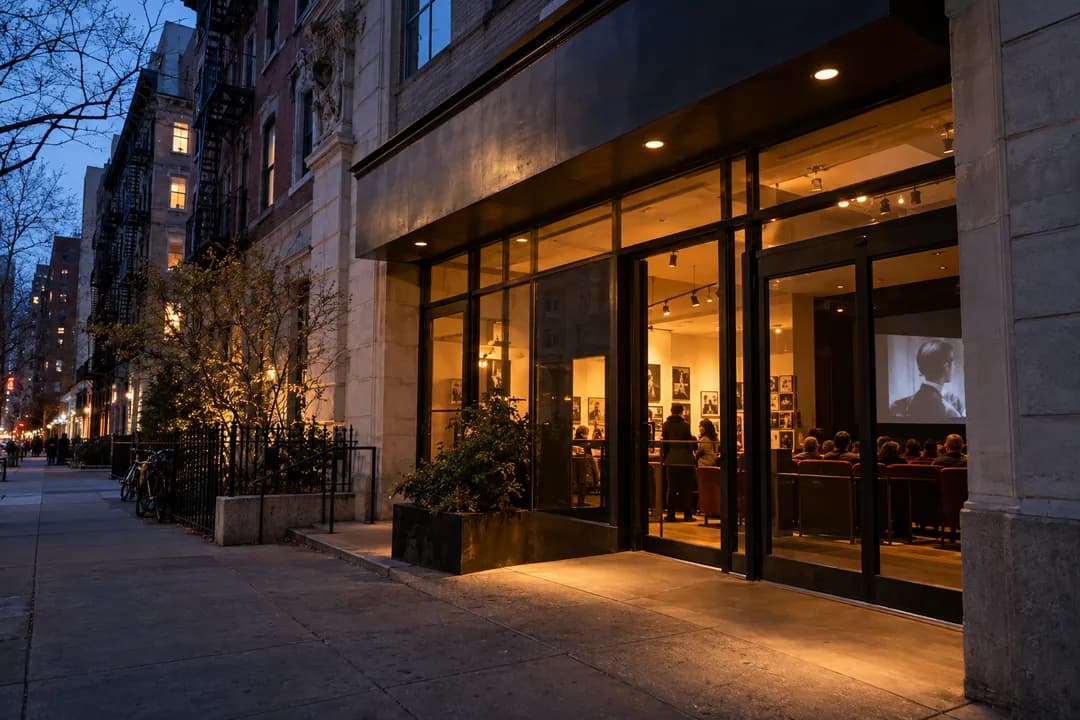
Anthology Scary Movie Marathon: East Village Film Order
Anthology Film Archives at 32 Second Avenue gives scary movie marathon planners an archive-first East Village base, with flexible ordering for odd discoveries.
Anthology Film Archives gives a scary movie marathon a very different starting point from a chain multiplex. At 32 Second Avenue, the useful question is not simply which horror title begins first; it is what kind of conversation the program creates after the lights come up. An archive-minded cinema can put a familiar classic beside a stranger, sharper discovery, and that contrast is the real attraction. Start by opening the official calendar and circling two or three screenings that leave breathing room between them. The best plan feels curated rather than crammed: one film to establish the temperature, one to challenge the group, and a final choice that everyone genuinely wants to stay for.
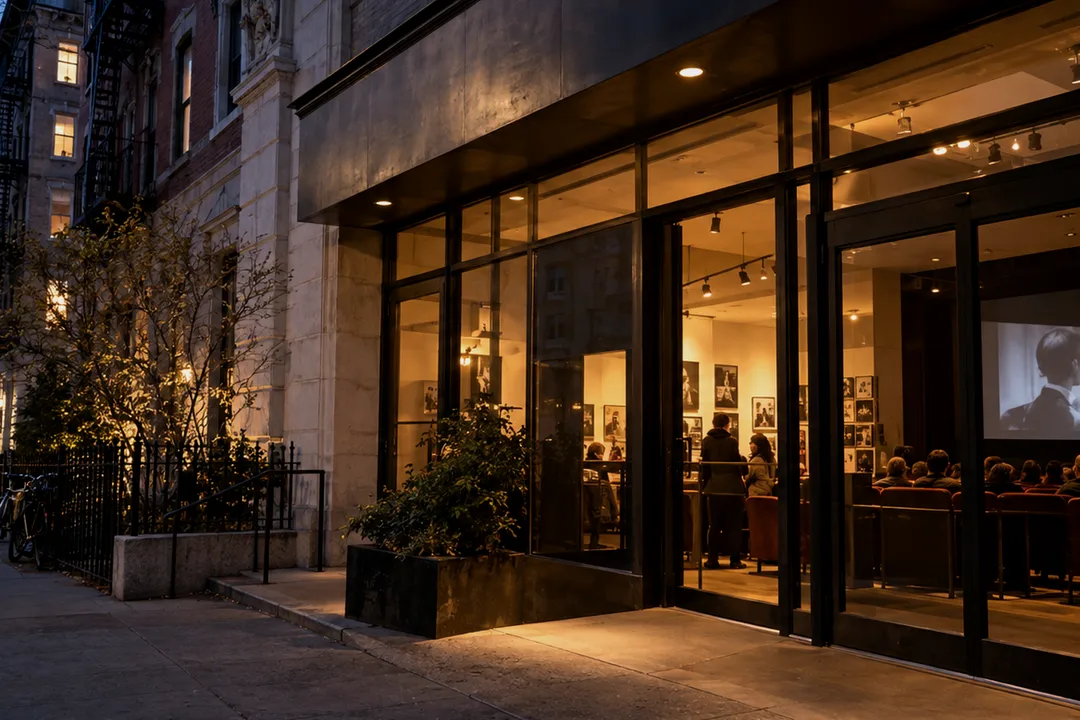
Why Anthology changes the marathon mood
Anthology's schedule rewards slow reading. Look for the exact title, format, start time, and any series language before building a route. A double bill may be designed to work as a pair, while a one-off repertory screening may have a different rhythm entirely. Save the event page for each candidate, then compare the end of one screening with the start of the next instead of trusting the rounded times in a search result. Leave at least twenty minutes for credits, a restroom stop, and the lobby conversation that follows a difficult film. If two films overlap by even ten minutes, drop the weaker fit; a marathon loses its pleasure when the group enters breathless and misses the opening scene.
Read the calendar like a film editor
The address sentence is simple: Anthology Film Archives is at 32 Second Avenue, New York, NY 10003. Treat that as the meeting anchor, not as permission to arrive at the last second. For a small repertory venue, the queue, ticket pickup, and seating order can all become part of the evening. Set a meeting point outside, ask the slowest member of the group to arrive first, and keep the first film's start time visible in the shared plan. If the schedule is popular, arriving fifteen to twenty minutes early is a calmer choice than gambling on a perfect subway transfer.
Make the first arrival unhurried
Build the film order around texture rather than a generic list of the scariest movies. A patient supernatural story works well as an opener because it gives everyone time to settle. Put the most divisive or formally strange selection in the middle, when the group is already willing to follow the program somewhere unexpected. Save a crowd-pleasing shocker for the end only if the late departure works for everyone. Anthology's identity makes a familiar title and a discovery title feel like a natural pair. My honest skip is any third screening that forces a sprint across town: the lost transition time is rarely worth adding one more movie to the total.
Choose a sequence with contrast
The etiquette is straightforward but important. Silence phones once the feature begins, keep conversations for the lobby, and do not treat a repertory room like a private living room. Outside food should stay out unless the venue's stated policy allows it. If someone needs to leave early, choose an aisle seat and move during a natural transition rather than during a quiet scene. Bring a layer because small cinemas can feel cool after two hours in the dark. The useful group rule is to decide before the first film whether anyone is allowed to veto the finale; that avoids a tired debate at the exact moment the next screening is about to begin.
The small-room etiquette that matters
The East Village makes the breaks feel intentional. Between shows, take a short walk along St. Mark's Place, pause around Tompkins Square Park, or let the group browse the blocks near Cooper Square without turning the night into a second itinerary. Keep the loop compact and return to the cinema with ten minutes in hand. A warm drink or a quick snack can reset the group after a heavy film, but do not plan a full sit-down meal inside a narrow gap. The neighborhood works best as a decompression strip: enough street noise and light to clear the last movie, not so much distance that the next ticket becomes a race.
What to do between screenings
Karpo APP is useful here because the problem is sequencing, not discovery alone. Save Anthology Film Archives, add each candidate screening, and compare start times against the travel window you actually have. Put the preferred order beside a fallback order so a sold-out or awkwardly timed film does not collapse the night. The app can also keep the group focused on one neighborhood instead of scattering everyone between unrelated cinemas. For a venue with a changing repertory calendar, this is more practical than writing a fixed list several weeks in advance. The plan should remain editable until the tickets are secured, then become a simple arrival note with the first title, the break length, and the way home.
Use Karpo APP for the moving parts
Save the official calendar page with the event-specific ticket details. Wear shoes that make a short neighborhood loop comfortable, bring water, and charge the phone before leaving. A long horror session is easier when nobody is trying to solve logistics in the dark. If the final screening ends later than expected, make the exit plan before the first reel; the goal is to leave with the last film still vivid, not to spend its ending calculating a transfer.
A practical East Village reset
A three-film plan is not automatically better than two. Keep the third slot only when the title adds a new flavor, the start time leaves a real buffer, and everyone can get home without a stressful final connection. If one of those conditions fails, finish with the stronger second film and use the East Village walk as the coda. Anthology is especially good at making one unexpected selection feel substantial, so there is no prize for treating the venue like a scoreboard. The best scary movie marathon here has a beginning, a turn, and a deliberate ending. Choose the films for the conversation they create, leave space for the room to surprise you, and let the neighborhood carry the audience back into ordinary city noise.
When to skip a third film
Leave Anthology Film Archives with one scene still unresolved, then let the East Village noise finish the transition. That lingering uncertainty is the venue's best gift to a horror marathon: the program ends on screen, but the argument continues outside. If the calendar offers a talk, print, or series note, treat that detail as part of the experience rather than a footnote. It can change the right arrival time and the kind of audience in the room. Keep the plan flexible enough for that context, and write the final order only after the group agrees on what it wants from the night: scares, discovery, or a little of both.
Ask Karpo for more information.
Keep reading
- Fort Greene Holiday Market Browsing Guide for Young Shoppers
 DUMBO Holiday Market Browsing Guide for Gifts to Mail Home
 Midtown East Holiday Market Browsing Guide for Commuters