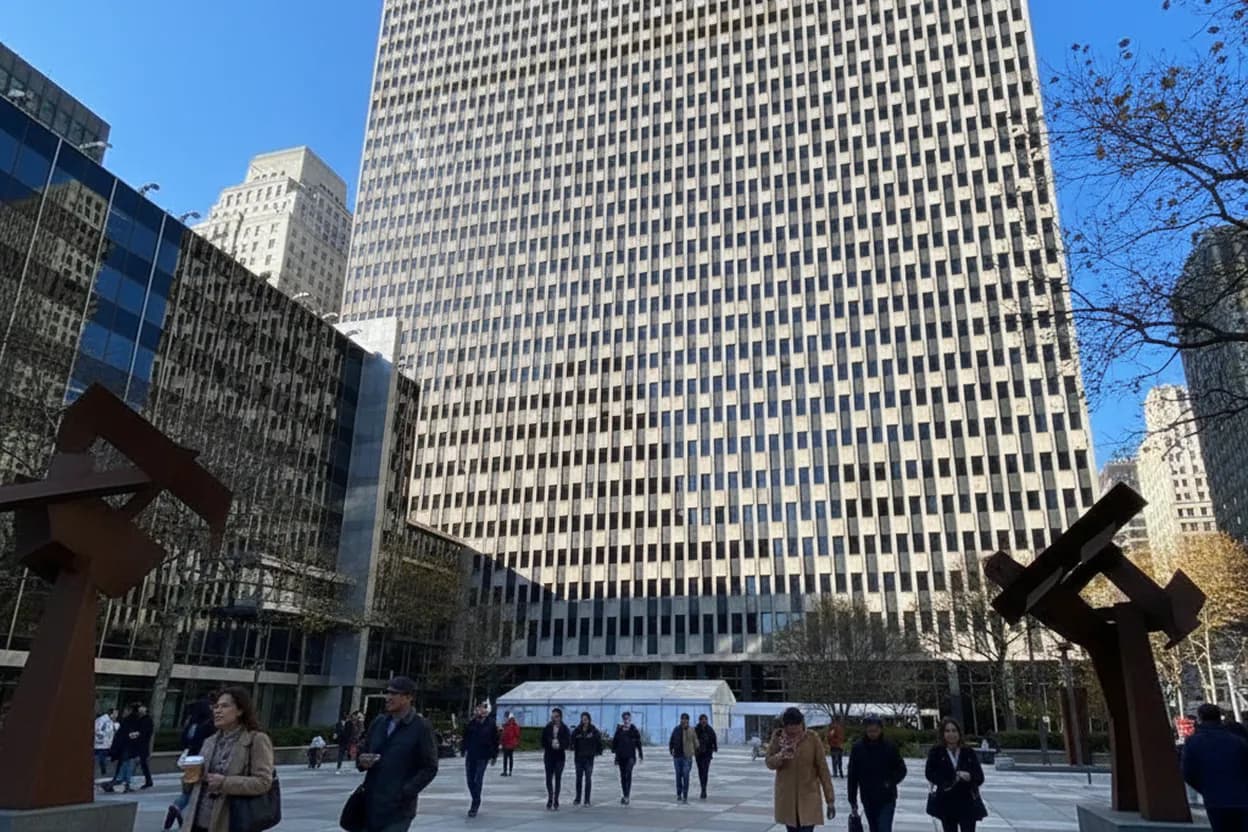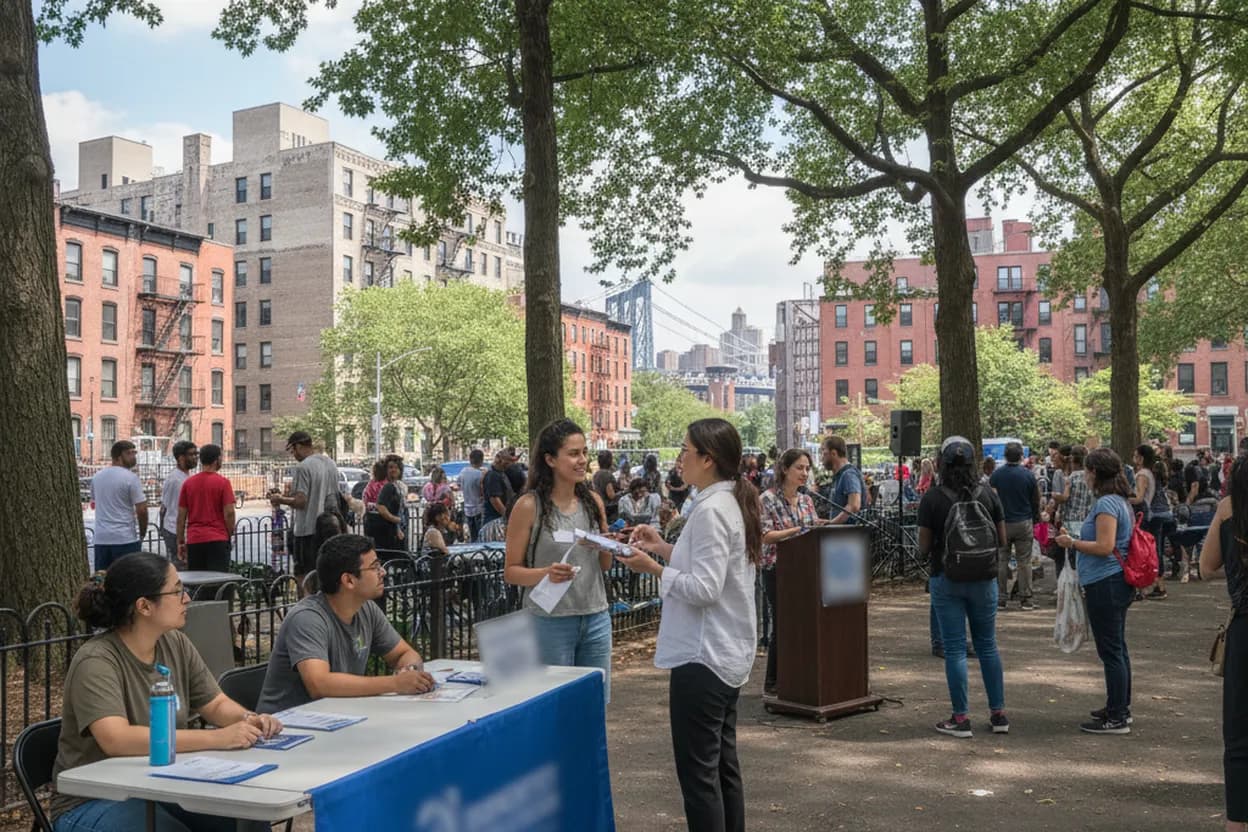
A distant seattle shooting can still change how a New Yorker reads the room: subway delays feel sharper, crowded plazas feel less predictable, and group chats fill with partial updates. The useful move is not panic-scrolling or avoiding the city by default. It is building a short verification loop from official NYC sources, then choosing public places and routes that match your actual comfort level. This guide is for solo residents, commuters, students, caregivers, and visitors who want a practical safety check on July 27, 2026. It focuses on alerts, staffed spaces, transit backups, support lines, and the final moment when you decide whether to go, wait, reroute, or stay home.
Want a calmer read on your block, route, or backup indoor stop? Text Karpo with your neighborhood and concern, and ask for a source-checked NYC safety plan before you leave.

Start With Notify NYC Before Reading Neighborhood Rumors
Notify NYC should be the first tab when concern starts with breaking news elsewhere. NYC311 describes it as the city’s official, free emergency communications program, with alerts for emergencies, planned events, mass transit disruptions, major traffic disruptions, public health notices, schools, beaches, ferries, and more. The practical advantage is location filtering: you can add multiple city addresses, so your home, job, school, and caregiver route are not collapsed into one vague citywide feed.
Use it with limits. NYC311 notes delivery depends on outside networks, carriers, and platforms, so a missing text is not proof that nothing is happening. If you subscribe by texting NOTIFYNYC to 692-692, reply with ZIP codes for neighborhood-specific English SMS alerts, then check the Notify NYC site or app when a message feels incomplete. For accessibility, the city lists phone, email, app, RSS, language options, and American Sign Language videos, but verify your own preferred channel works before relying on it.
Use NYPD Precinct Finder for Local Context, Not Instant Commentary
The NYPD Precinct Finder is useful when you need to know which precinct and sector cover an address, especially if your concern is specific to a corner, station exit, school pickup, or event approach. The official page says the city is divided into 78 precincts, with sectors intended to correspond as much as possible to established neighborhood boundaries. That helps you search the correct precinct page or contact point instead of treating boroughwide chatter as local evidence.
This is not a live incident map, so do not use it as a substitute for 911 in an emergency or Notify NYC for broad alerts. Its best use is preparatory: identify the precinct before you go, save the non-emergency context, and know whether a quality-of-life concern belongs with 311. The failure mode is over-reading a boundary. If an issue is moving, transit-related, or unfolding near a park or venue entrance, cross-check the responsible agency before changing plans.

Check MTA Service Status Before Choosing a Safer Route
Transit is often the difference between a manageable outing and a stressful one. MTA’s current app help explains that the Status tab gives live subway and bus service, planned service changes, and elevator or escalator outages. For a safety-minded trip, check the specific train line, bus route, transfer station, and accessible equipment before leaving. A longer route with clearer service may be better than a direct route that leaves you waiting on a platform.
The tradeoff is that real-time tools can lag during fast disruptions, so build one backup into the plan. Pick an alternate station exit, bus corridor, or rideshare pickup point that is well lit and easy to describe. Riders who need elevators should check outages by station or equipment, not just line status. Before boarding home, repeat the check rather than relying on what was true earlier; your final verification step is the route you will actually take next.
Use NYC Parks Recreation Centers as Daytime Stabilizing Stops
NYC Parks recreation centers can be useful when you need a public, structured place to reset rather than wandering while anxious. Parks says its recreation centers include facilities such as indoor pools, weight rooms, basketball courts, dance studios, art studios, game rooms, and libraries, with programs for different ages. The locations page also flags accessibility and limited access, making it better than a random map search when you need a realistic indoor option.
Do not assume any center is open, available, or appropriate for drop-in use on a given day. The Parks page shows service changes and temporary closures at some locations, and community centers may have separate entry requirements through operating organizations. Check the specific center page, bring identification if membership rules require it, and avoid using a recreation center as a rumor-gathering spot. It is a backup for comfort, charging, bathrooms, and human staff nearby, not an emergency shelter unless the city says so.
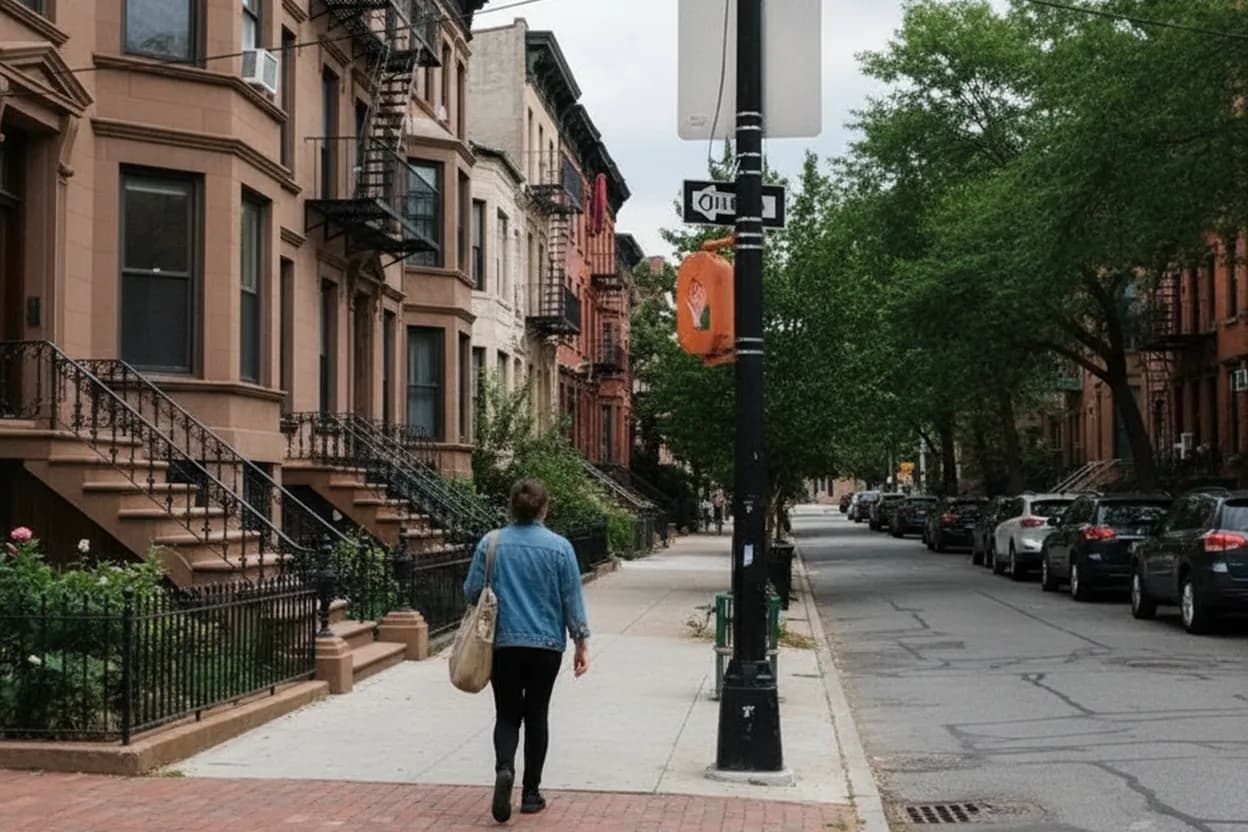
Choose NYPL Branches for Quiet Verification Time in Manhattan, Bronx, and Staten Island
For many residents, a library is the lowest-friction place to pause, charge a phone, check official sources, and make a calm next decision. NYPL’s location finder lists branches across Manhattan, the Bronx, and Staten Island, with branch-level accessibility notes, today’s hours, phone numbers, maps, directions, and temporary closure information when applicable. That mix matters: a fully accessible branch open now is more useful than a beautiful building you cannot enter comfortably or quickly.
The pacing is slower than a cafe and more predictable than a crowded plaza, but the tradeoff is borough coverage. Brooklyn and Queens use separate public library systems, so NYPL is not the source for every New Yorker. If you need computer access, a community room, or quiet study space, verify the exact branch’s current conditions before going. Your final check is simple: confirm hours, accessibility, and transit status in the same five-minute window before you walk in that direction.
Call or Text NYC 988 When Concern Turns Into Distress
If the issue is not immediate physical danger but your anxiety is climbing, NYC 988 is the right support layer. ACCESS NYC describes NYC 988 as a free, confidential mental health and substance use crisis line available by phone, text, or chat 24 hours a day, 365 days a year. It can help with stress, anxiety, substance use, suicide prevention, peer support, referrals, and finding longer-term counseling, without asking about immigration status.
Use 911 instead if someone is in immediate danger or needs emergency medical attention; NYC 988 is not a replacement for emergency response. For accessibility and language fit, the official page lists relay through 711 then 988, Spanish text support with AYUDA, veteran text support at 838255, counselors in English, Spanish, and Chinese, plus interpretation in more than 200 languages. The decision point is personal: if you cannot evaluate information calmly, speak to a counselor before rerouting across town.
Use CVAP and OVS If News Connects to Personal Harm
Sometimes outside news reopens something personal: a past assault, a neighborhood incident, a family member’s case, or a fear that is no longer abstract. NYPD’s Crime Victim Assistance Program places Safe Horizon victim advocates in each precinct, and the official page says a police report is not required to engage victim advocate services. That is important for people who need support, planning, or explanation before deciding whether any formal report makes sense.
New York State’s Office of Victim Services adds a broader backup path through funded victim assistance programs and Resource Connect, which helps locate services by concern, category, keyword, and location. Availability, eligibility, and compensation rules can change, so verify directly before assuming help covers a specific expense or situation. The final verification step is to contact the advocate or program, ask what is confidential, ask what documentation is needed, and confirm whether an appointment, report, or referral is required.
Tags: #NYCSafety #NotifyNYC #NYC311 #MTA #NYC988 #NYPD #NYCParks #NYPL #CommunitySafety #PublicTransit #NeighborhoodGuide #AskKarpo #BeforeYouGo #KarpoNYC
Sources consulted: Source 1: portal.311.nyc.gov · Source 2: a858-nycnotify.nyc.gov · Source 3: nyc.gov · Source 4: intercom.help · Source 5: nycgovparks.org · Source 6: access.nyc.gov
All trademarks are the property of their respective owners.
Ask Karpo first
Tell Karpo your date, group size, budget, and starting neighborhood. We’ll check current access, timing, transit, and the cleanest plan for None before you head out.