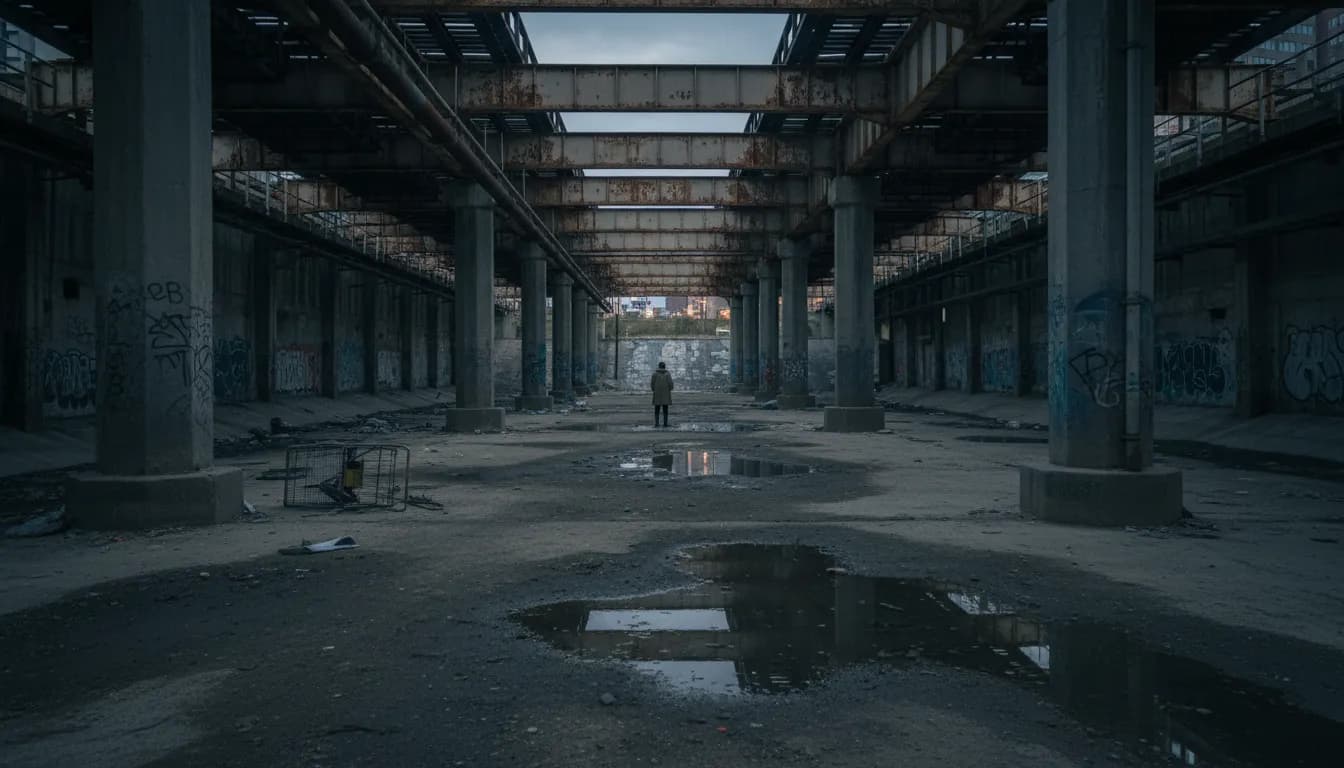
New York City, a metropolis known for its relentless pace and constant evolution, often conceals as much as it reveals. Amidst the glittering skyscrapers and bustling avenues, there exist pockets of stillness, forgotten pathways, and architectural remnants that whisper stories of bygone eras. These spaces, while not truly abandoned, carry an eerie resonance, much like the evocative phrase 'hoover dam reservoir ghost town' might suggest – places where human endeavor once thrived, now standing in quiet testament to the passage of time. This article invites you to look beyond the typical tourist trails and discover the hidden histories embedded within the city's less-traveled public areas.
Ready to peel back the layers of NYC's past? Embark on your own journey to uncover these unique urban narratives.

The High Line's Industrial Echoes Below
While the High Line itself is a celebrated example of urban revitalization, its origins as an elevated freight rail line leave indelible marks on the landscape beneath. Below the manicured pathways and art installations, one can still observe the massive steel supports, bricked-up rail tunnel entrances, and original industrial structures that speak to a different era of city commerce and transportation.
These underpasses and adjacent undeveloped lots, often overlooked by those strolling above, offer a stark contrast to the park's vibrant upper deck. They serve as a tangible link to the railway's past, providing a glimpse into the raw, utilitarian backbone that once powered a significant portion of Manhattan's industrial activity. The quiet hum of city life above often leaves these spaces in relative solitude.
Exploring these lower vantage points provides a unique perspective on the High Line's transformation. It highlights the layers of urban development and allows visitors to appreciate the scale of the original infrastructure, which once moved goods through the dense urban fabric, connecting warehouses and factories to the wider world before its eventual abandonment and rebirth.
Brooklyn Bridge Park's Piers: Vestiges of Maritime History
Brooklyn Bridge Park, a triumph of waterfront revitalization, incorporates numerous piers that once bustled with maritime activity. While many have been beautifully repurposed, some retain a raw, untouched quality, or feature remnants of their industrial past that speak to the port's former glory. These areas offer a quiet contemplation of the city's shipping heritage.
Walking along the edges of these piers, one can observe weathered pilings, remnants of old docking equipment, and the vast expanse of the East River, which once served as the lifeblood of New York's commerce. The sheer scale of these former shipping hubs can evoke a sense of a 'hoover dam reservoir ghost town' – grand structures now serving a different, more contemplative purpose.
The skeletal remains of some original pier structures, or the stark, unadorned concrete of others, remind us of the immense infrastructure required to support a global port city. These spaces provide a tangible connection to the manual labor and massive logistical operations that shaped New York into the economic powerhouse it became.
Central Park's Hidden Waterways and Bridges
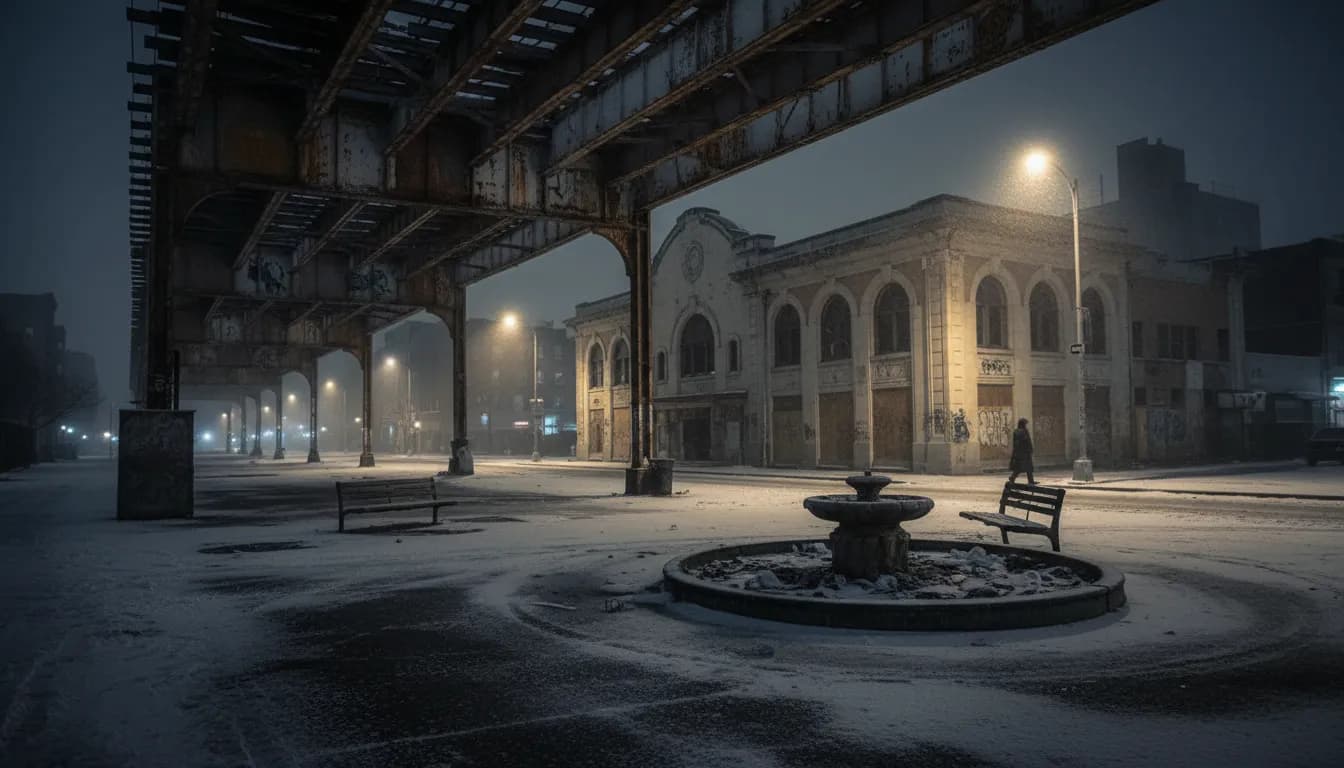
Beyond the well-trodden paths of Central Park lie numerous lesser-known bridges, underpasses, and secluded waterways that can feel surprisingly remote within the heart of Manhattan. These architectural details, often tucked away, reveal the meticulous planning and engineering that went into creating this urban oasis.
Exploring the park's northern reaches or its quieter western edges can lead to discovery of small, ornate bridges and hidden pedestrian tunnels that seem to transport you to another time. These structures, while functional, often exhibit craftsmanship that is easily overlooked by those rushing between more prominent attractions.
The very design of Central Park, with its intricate network of circulation paths, intentionally creates secluded areas. These quiet pockets, where the sounds of the city fade, allow for a momentary escape and highlight the park's dual nature as both a vibrant public space and a carefully constructed naturalistic landscape with hidden architectural gems.
The Grand Concourse: Art Deco's Fading Grandeur
In the Bronx, the Grand Concourse stands as a monumental boulevard, once heralded as the 'Champs-Élysées of the Bronx.' While many of its magnificent Art Deco and Art Moderne buildings remain, some show the dignified wear of decades, their intricate details a testament to an era of aspirational urban design.
Strolling along certain stretches of the Concourse, one can observe the grand scale and elaborate ornamentation of these residential buildings, often with intricate lobbies and impressive facades. The quiet, tree-lined sections can give a sense of stepping back in time, revealing the architectural ambitions of early 20th-century New York.
The street itself, designed for grand promenades and automobile access, still possesses a sweeping elegance. Examining the individual buildings and their unique decorative elements offers a fascinating study in urban architectural history, showcasing a style that once defined modernity and progress in the borough.
Governors Island's Historic Districts
Governors Island, a former military base, offers a unique opportunity to explore preserved historic districts that feel distinctly separate from the bustling city. The island's Nolan Park and Officers' Row, with their stately brick houses and expansive lawns, present a meticulously maintained glimpse into a past era of military life.
Walking through these quiet residential streets, one encounters rows of historic homes that once housed military families. The absence of modern commercial activity and the limited vehicular traffic contribute to a tranquil, almost suspended-in-time atmosphere, contrasting sharply with the Manhattan skyline just across the water.
The preservation of these districts, along with the former military fortifications, allows visitors to experience a preserved slice of New York's military and social history. It's a place where the past feels particularly palpable, offering a reflective space to consider the island's long and varied narrative before its transformation into a public park.
Practical notes
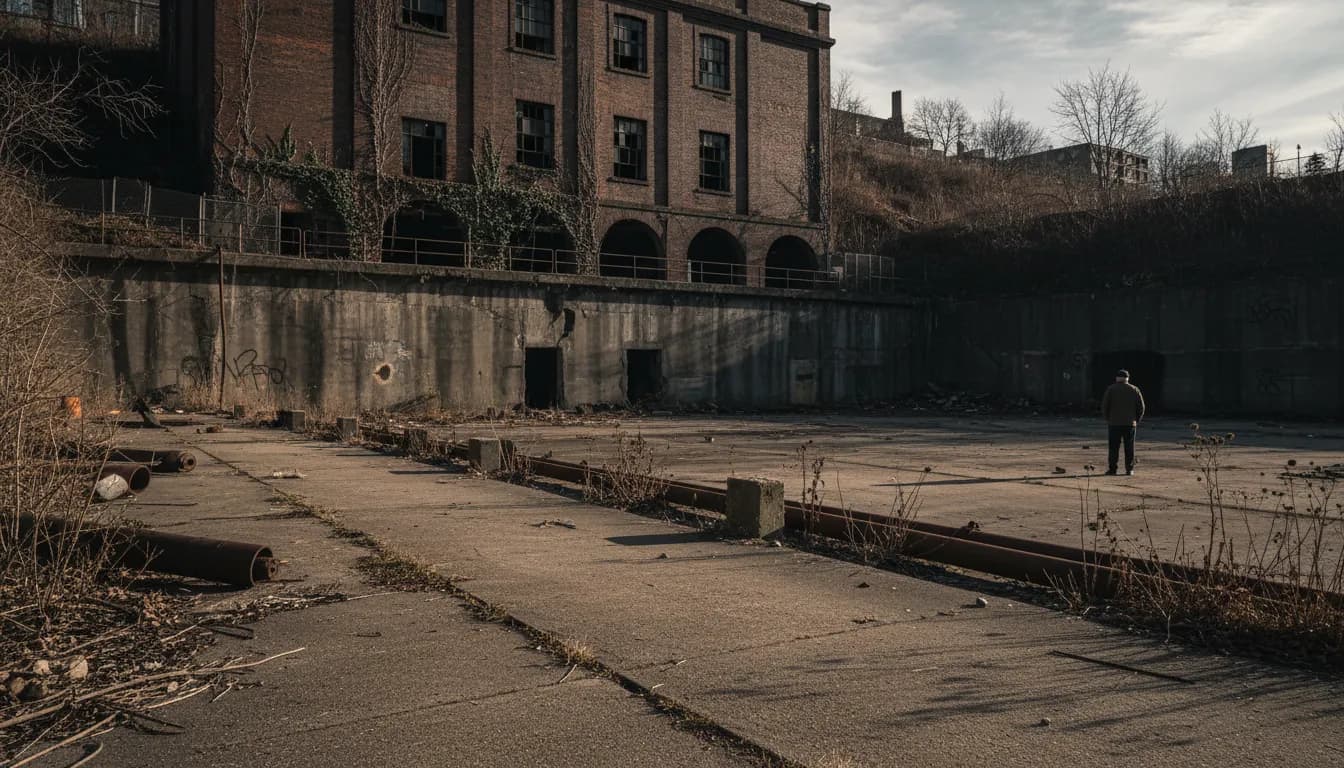
When exploring these 'ghost town'-like spaces, timing is key for a quieter experience; early mornings or weekdays generally offer fewer crowds. Public transit via MTA subways and buses is the most efficient way to access most locations mentioned. Check MTA's official website (https://new.mta.info/) for current schedules and service alerts. Accessibility varies; the High Line is generally accessible, while some older underpasses or natural park areas might present uneven terrain. Always prioritize safety: observe from public access points and respect any posted boundaries or private property. Weather considerations are important, as open-air explorations are best enjoyed on pleasant days. Always verify park hours on NYC Parks' official website (https://www.nycgovparks.org/) and ferry schedules for Governors Island via NYC Tourism (https://www.nyctourism.com/) or the island's direct site.
Tags: #NYCHiddenGems #UrbanExploration #ForgottenNYC #NYCArchitecture #HistoricNYC #PublicSpaces #NYCHistory #OffTheBeatenPath #GhostTownVibes #UrbanArchaeology #HiddenNewYork #CityExplorers #NewYorkCity
Sources consulted: MTA · NYC Tourism · NYC Parks
All trademarks are the property of their respective owners.
Ask Karpo first
Intrigued by the hidden layers of New York City? Before your next urban adventure, ask Karpo to help you uncover more unique perspectives and plan your visit to these fascinating, overlooked spaces. We can assist with transit details, park information, and other resources to make your exploration seamless and insightful.


