 Tribeca Bowling Group Night Planner for Wedding Guests
Sports Social
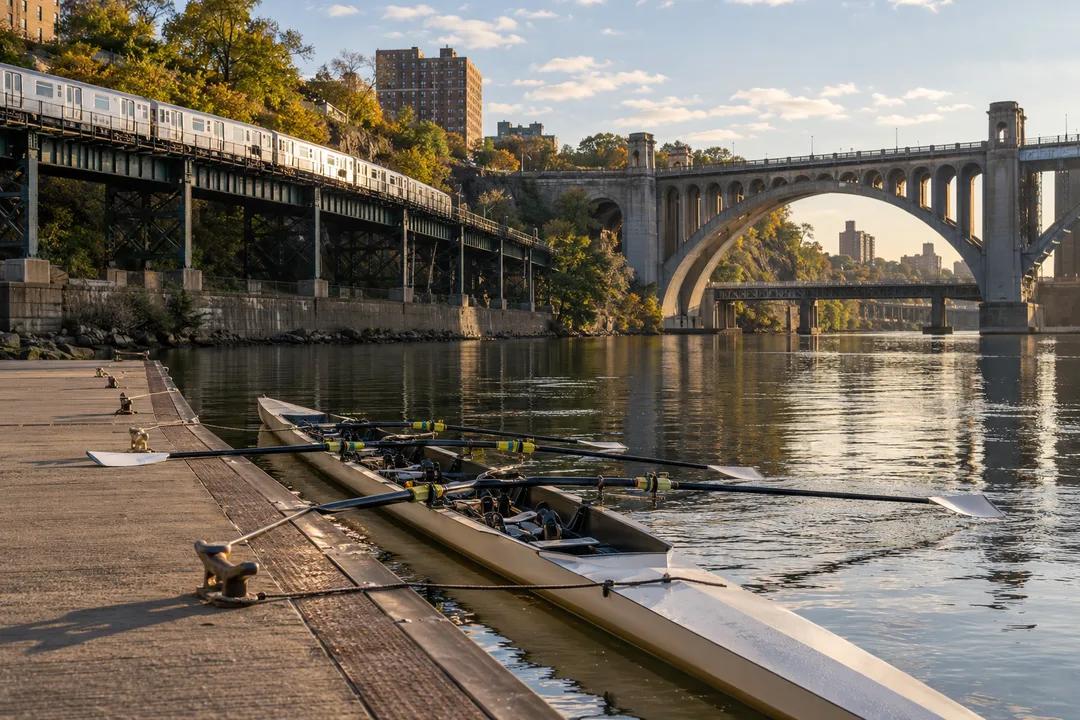
Rowing Studio in Bronx: Small-Group Harlem River Practice
A coached rowing studio is easy to find at 3579 Harlem River Drive, where Row New York uses small crews, water drills, and steady progression. Calm starts help.
The Bronx-facing route to a rowing studio leads to Row New York’s Peter Jay Sharp Dock at 3579 Harlem River Drive, New York, NY 10034. The dock is on the Manhattan side of the Harlem River, close to Highbridge, and it serves crews who train in small, coached groups. Row New York’s public mission links rowing with wellness and academic support, and the organization says those programs are free for NYC youth. For a Bronx resident, the useful question is not whether the dock has a flashy lobby; it is whether the river session offers enough coaching to make every stroke count.
Getting to the Dock
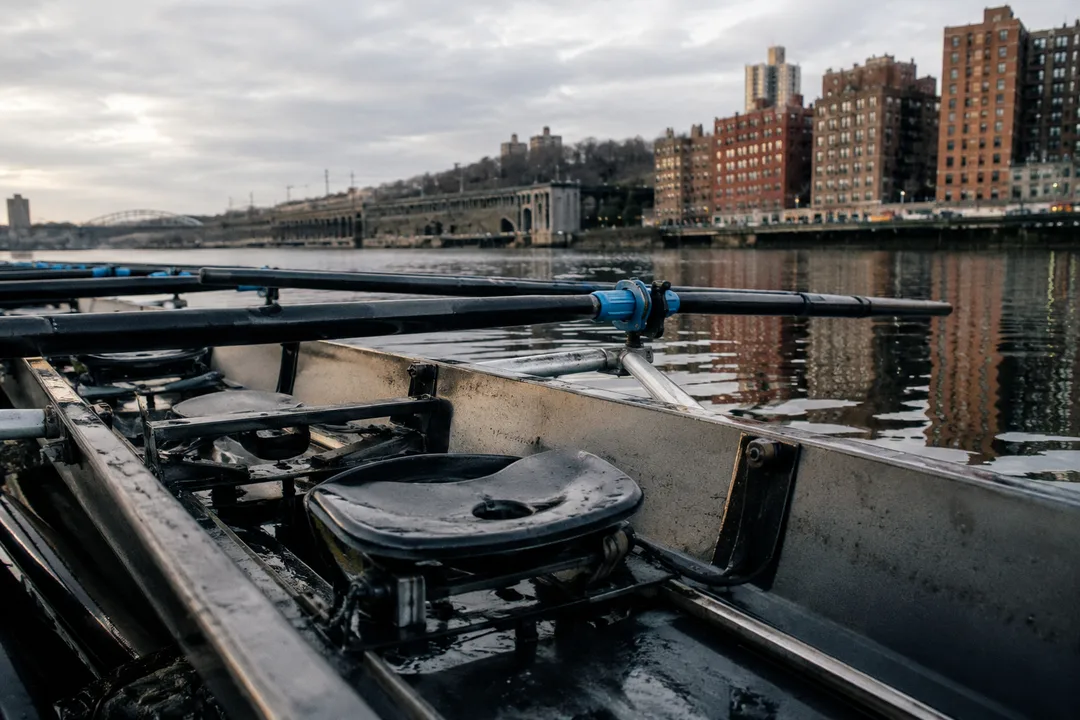
Small-group practice changes the way feedback lands. A coach can watch the hands of one novice, hear the hull respond, and offer a correction before the error spreads through the boat. The first cues are simple: sit tall, keep the shoulders relaxed, send the legs before the arms, and return slowly. The dock rule is equally simple: move only when the person in charge calls it. That discipline keeps oars from colliding and lets a crew step into a shell without panic.
How the Session Works
Choose an early session when you want to see the river clearly. The Harlem River is framed by bridges and elevated roads, but the first light softens the concrete and reveals the wake behind each boat. Arrive with time to walk from the street, change layers, and help with the shell. A small group works best when everyone contributes to setup; carrying an oar or checking a foot stretcher gives you a practical introduction before the boat leaves land.
When to Arrive
The workout is built around repetition rather than spectacle. Crews may row a short stretch, pause to discuss timing, and repeat the same piece until the shell runs more quietly. That can feel less dramatic than a music-led interval class, yet it builds control that lasts. The coach listens for a clean catch and a relaxed recovery, then asks the group to keep those qualities when the pace rises. If you are new to rowing, this is the point where the sport becomes understandable.
What the Coaches Watch
Row New York brings a strong community story to the river. Its website describes a program for young New Yorkers that combines rowing, mentorship, and academic support, and its current pages highlight student-athletes competing and preparing for life after high school. On the dock, that mission appears in small interactions: an older athlete explains how to carry a shell, a coach asks about school before practice, and a volunteer checks that everyone has the right layer. The boat is the center, but the people make the program work.
The People and the Place
The Highbridge area is a natural cool-down route. After the shell is secured, walk along the river-side paths and look back toward the launch point; the dock’s scale makes more sense from the water than it does from the road. Keep the post-practice walk easy, especially if your forearms are tired from gripping the handle. A short stretch and a meal afterward will serve you better than adding an unplanned second workout.
A Walk After Rowing
The official Row New York contact page lists the Manhattan dock at 3579 Harlem River Drive and the administrative office at 110 W 40th Street, Suite 602. Those locations serve different purposes. The dock is where a rowing session begins; the office is for correspondence. Use the dock address in your travel plan and leave extra time for the waterfront approach, because the final steps are part of arriving prepared rather than a rush from the curb. This is not the right pick for someone who wants a solitary, app-timed session and no interaction. Small crews depend on attendance, shared equipment, and a coach’s call, so the social contract is real. It is ideal for people who want a Bronx-adjacent rowing studio with direct instruction and a boat that responds to group rhythm. If the group format sounds like too much, an ordinary fitness club erg may be a better compromise, but it will not teach the same water awareness. When weather keeps the shell on land, keep the practice specific. Work through the stroke sequence, rehearse the commands, and use mobility drills that support the catch and recovery. The aim is to return to the river with better timing, not to replace the session with random conditioning. A water bottle, dry layer, and a bag that closes securely are the only extras you need for a focused day. Practical notes: Row New York’s Peter Jay Sharp Dock is at 3579 Harlem River Drive, New York, NY 10034. The organization identifies free rowing, wellness, and academic support for NYC youth, with coached sessions and shared boats. Arrive early, follow the launch commands, and plan a short Highbridge cool-down. For a small-group rowing studio near the Bronx, the Harlem River dock offers a real boat, clear coaching, and a community purpose. The small-group format is especially useful for building confidence after a break from exercise. You can ask for a lower rate, learn the sequence again, and let the boat provide feedback without turning the session into a test. A coach may adjust the number of strokes, the length of a piece, or the order of drills so the whole crew stays together. That adaptability is a better measure of a rowing studio than the size of its equipment room. It gives a returning athlete a way back into the sport that feels measured, social, and physically honest. A measured finish gives a returning athlete a clear way to build the next practice. The dock gives the group room to improve without turning every session into a test. One clean recovery, one shared pause, and one useful cue are enough to make the next practice feel more confident and more connected.
Ask Karpo for more information.
Keep reading
- Tribeca Bowling Group Night Planner for Wedding Guests
 Flushing Bowling Group Night Planner for Thanksgiving Break
 Bushwick Bowling Group Night Planner After Band Practice