 SoHo Tailor Alteration Shop Finder for Sample Sale Finds
Neighborhood Guides
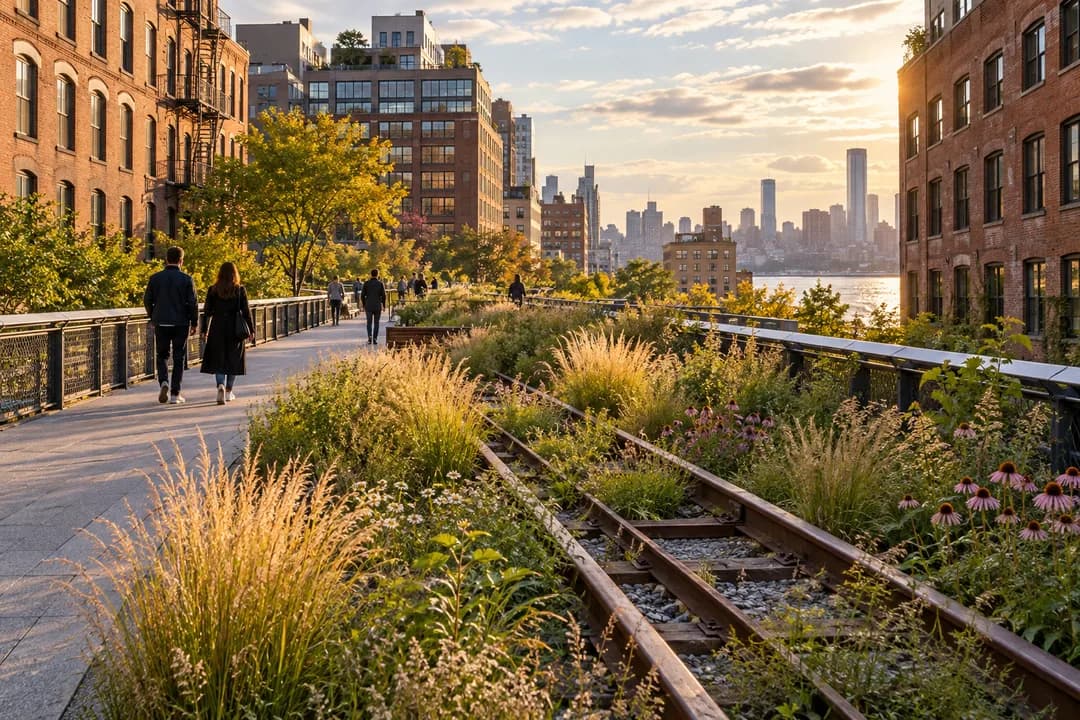
Chelsea Route Stopover Planner: 30 Minutes Above the Street
Make a thirty-minute Chelsea pause around a High Line view and a snack, keeping elevator access, your walking direction and a street-level alternative in view.
An evening walk through Chelsea does not need the entire High Line to feel like a break. This route stopover planner shapes a thirty-minute pause around one elevated view and one snack, with the return to street level treated as part of the experience. Start with the direction you are already walking and the entrance you can use comfortably. If the climb, food purchase, and descent would fill the allowance, shorten the idea before setting off. The point is to enjoy Chelsea, not complete a circuit under pressure.
Choose the feeling you want from the pause
A scenic rest, a garden walk, and a food stop each use attention differently. Decide which one would improve your evening. If you have spent the day indoors, a few unhurried minutes looking across the city may matter more than a special dessert. If you have been walking since lunch, the snack and a suitable seat may deserve priority. Rank the two experiences so that the plan still works when you only have time for the first.
Use the thirty-minute limit as a personal choice, not as a published walking duration. Your pace, the approach to the entrance, and the time spent choosing food all belong inside it. You might allocate twelve minutes to reaching and leaving the elevated path, ten to the view, and eight to the snack. That example explains the tradeoff without claiming a specific elevator wait or food counter turnaround. Adjust the split to the route you are actually taking.
Plan around an entrance rather than the park name

The High Line's official visitor information describes access by stairs, ramps, and elevators, and links to elevator locations and status. Use that information to select the approach that fits your needs. “Meet on the High Line” is too broad for a short stop or for a companion who needs a particular access point. Pick the entrance and intended exit together, then judge whether the stretch between them supports the amount of walking you want this evening.
When an elevator is necessary, build an alternative at street level before adding the scenic portion. A suggested itinerary cannot establish that an elevator will be working when you arrive. Use the park operator's elevator information for that question and keep the snack portion independent of the elevated walk. If the access you need is unavailable, the plan can become a comfortable Chelsea pause rather than an unsuccessful attempt to reproduce the original route by stairs.
Decide how the food fits the walking direction
The High Line and Chelsea Market can be considered in the same planning conversation, but the market is a separate stop with its own entrance and interior navigation. Do not count a snack purchase as part of the elevated path merely because the two names often appear together in travel suggestions. Tell Karpo where you are coming from and where you will go afterward. The most convenient order depends on those endpoints, your appetite, and whether you want to carry food.
Choose between buying before the view and buying afterward. A portable pastry may be convenient to carry, while food that needs a table is a better reason to stay at the food stop. Ask for the format you want without assuming a particular vendor, menu item, or price. If the choice would require a separate queue and a seat, give it enough of the allowance or make it the main activity. A short scenic break does not require a second destination to feel complete.
Write a request that includes your access needs
Open Karpo APP and ask: “I have thirty minutes during a Chelsea evening walk. I want a short High Line view and a snack, need an elevator, and prefer to avoid retracing my steps. I am approaching from the south and continuing north afterward. Help me compare a compact plan with a street-level alternative.” Replace the approach directions with your own. The request describes a task for conversational planning, while leaving access status and food availability as separate facts to establish.
Ask the response to explain why the order works, rather than simply naming attractions. You want a selected entrance, a short portion of the walk, a food idea that matches your preferred format, and a clear way to continue. If the suggestion includes a specific vendor or amenity, ask for its supporting information. Leave unsupported details out of the final note. A useful answer should let you make a decision without mistaking an attractive possibility for an arranged visit.
Keep the viewpoint a moment instead of a mission
You do not need to reach a famous photo position to enjoy an elevated perspective. Allow the selected stretch of the park to determine the pause rather than sending yourself across a longer section for an image you saw online. If the path feels busy, keep moving at a comfortable walking pace until there is suitable room to stop. Keep entrances and circulation clear. A view is more relaxing when it does not depend on claiming a particular spot among other visitors.
The High Line's park rules prohibit sitting on railings and walking in planting beds or on exposed rail tracks. Keep those boundaries in mind when choosing where to pause or take a photograph. The scenery includes designed planting and retained railway elements, but that does not make every surface a place to stand or sit. Use areas intended for visitors and let the garden remain part of the view. A short stop can be enjoyable without climbing onto anything for a different angle.
Make the shorter version appealing in its own right
If the snack takes longer than you intended, keep the food and reduce the elevated walk. If the view has already provided the rest you needed, skip the additional food stop and continue toward dinner. Those are two different versions of a successful pause. The plan becomes frustrating only when both activities remain compulsory after the time available has changed. Decide what you are willing to remove while you are still planning, when the choice feels simple.
For a companion who walks at a different pace, agree on the point of the stop and the direction of the next movement. An elevator requirement should be a shared constraint, not a surprise at the stair entrance. If someone prefers a seated snack to more walking, ask for a food-led alternative rather than stretching the scenic segment for everyone. The route stopover planner should help the group choose one comfortable version of the evening, with enough room to enjoy it together.
Practical notes for a Chelsea evening
Keep the approach, access point, chosen pause, and exit in one short note. Keep the park operator's access information separate from the conversational suggestion so that each serves its own purpose. Bring only what you want to carry along the walk, and avoid turning a quick purchase into multiple bags that make the next leg awkward. The simplest finish is the one that points you toward your existing destination rather than back toward the start.
Ask Karpo APP to help compare the elevated and street-level versions using your walking direction, snack preference, and access needs. Use the High Line's visitor information for the park-specific details, then make the final choice around the evening in front of you. A thirty-minute pause can be modest and satisfying: a view that gives your feet a rest, something you want to eat, and an exit that leaves the rest of Chelsea easy to explore.
Ask Karpo for more information.
Keep reading
- SoHo Tailor Alteration Shop Finder for Sample Sale Finds
 Williamsburg Tailor Alteration Shop Finder for Bike Riders
 Upper West Side Tailor Alteration Shop Finder for Kids