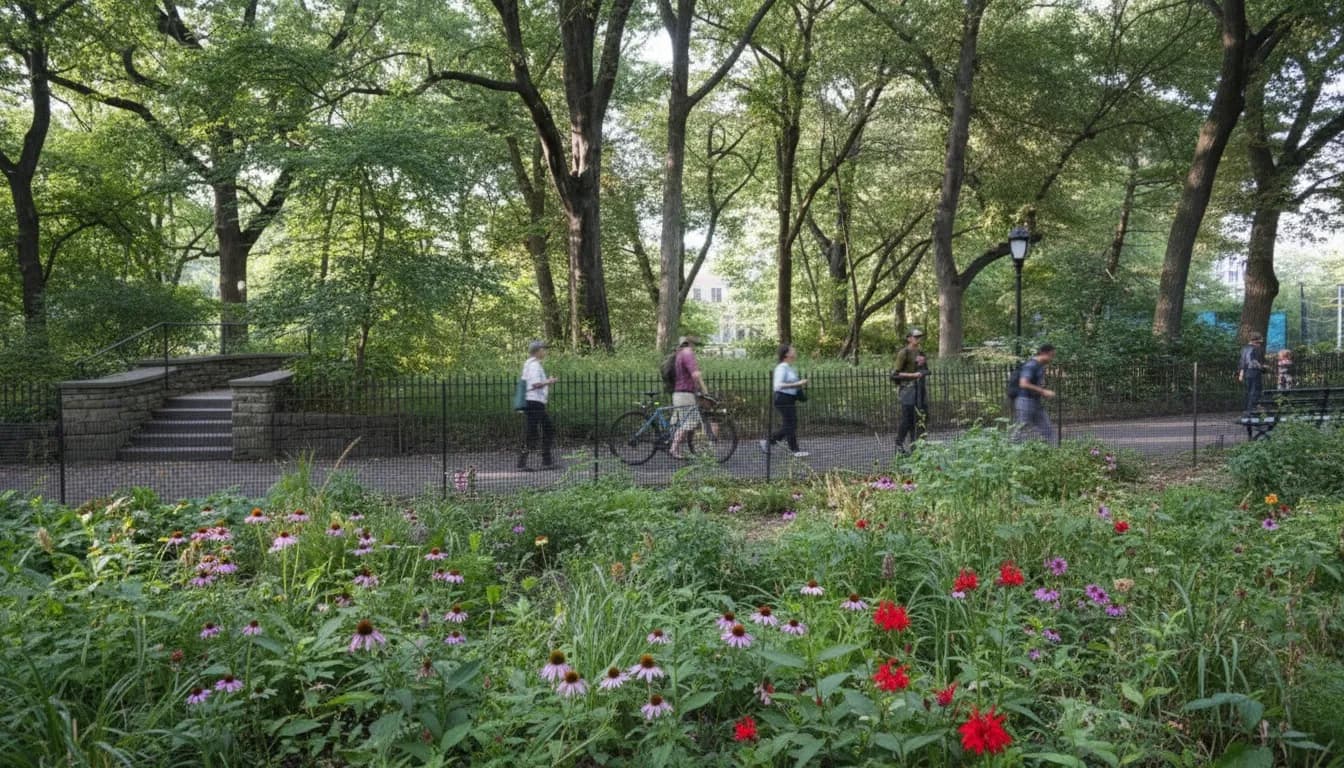
Nestled within the expansive Riverside Park on Manhattan’s Upper West Side, the Riverside Park Bird Sanctuary is a hidden gem that many riverwalk visitors pass by without noticing. Stretching between West 116th and West 124th Streets, this protected green space offers a rare opportunity to experience quiet nature amid the city’s urban landscape.
Want a live NYC route around Riverside Park Bird Sanctuary with timing, transit, and backup stops adjusted to today? Text Karpo before you go.
Far from the busy paths along the Hudson River, the sanctuary provides a peaceful retreat for birdwatchers, nature lovers, and anyone seeking a moment of calm. Managed collaboratively by Riverside Park Conservancy and NYC Bird Alliance, it is a vital habitat for migratory and resident birds, featuring native plants and carefully restored natural areas.
A Nature Refuge Within Riverside Park
The Riverside Park Bird Sanctuary is officially designated as a Forever Wild Nature Preserve, emphasizing conservation and habitat restoration. It is a protected area where native flora and fauna thrive, maintained through ongoing restoration efforts led by Riverside Park Conservancy’s horticulture team and supported by NYC Bird Alliance volunteers.
Visitors can observe a variety of bird species year-round, including warblers, raptors, and songbirds, especially during migration seasons. The sanctuary’s naturalistic garden beds and wooded areas provide essential shelter and food sources, making it a critical urban oasis for wildlife.
Planning a Quiet Detour: How to Access the Sanctuary
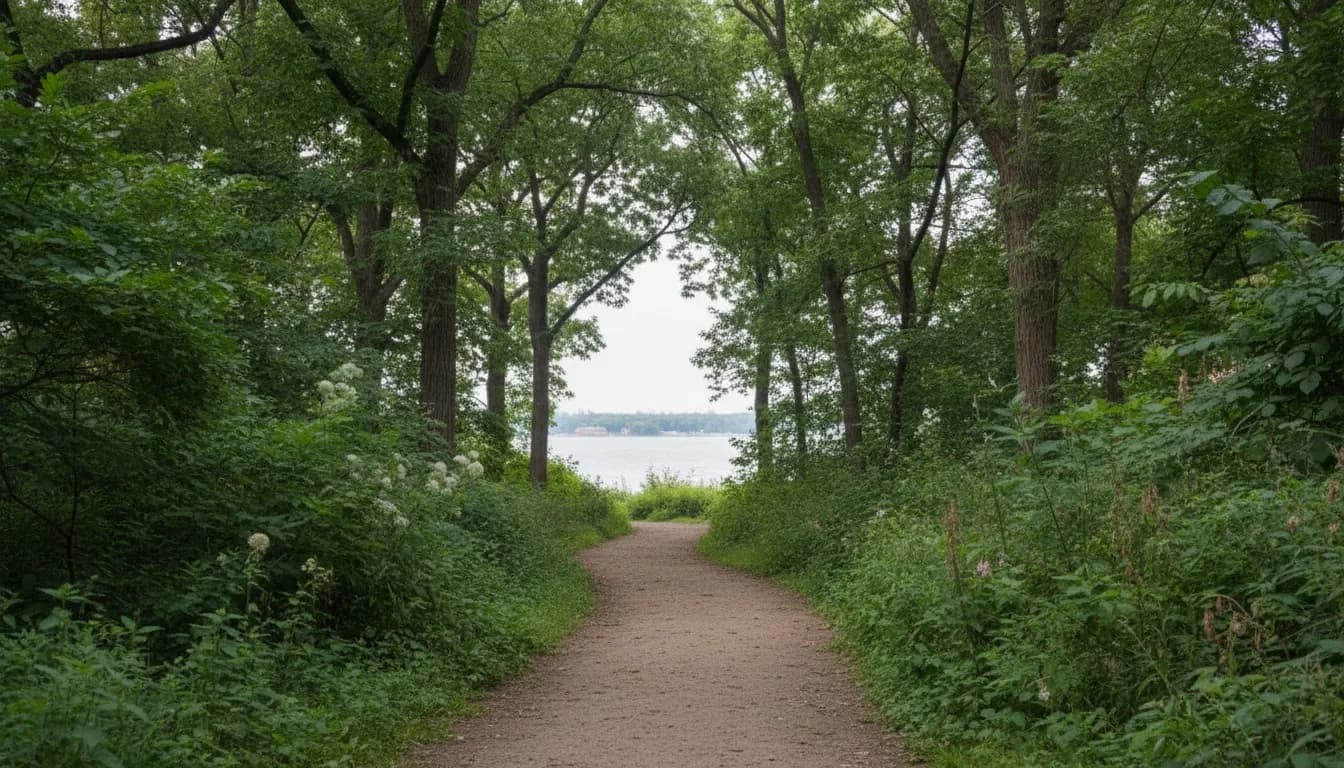
While Riverside Park’s riverwalk is a popular thoroughfare for joggers, cyclists, and tourists, the Bird Sanctuary offers a quieter, less trafficked path for those looking to slow down. The sanctuary is accessible via entrances near West 116th Street and West 124th Street along Riverside Drive, with unpaved and paved paths weaving through the preserve.
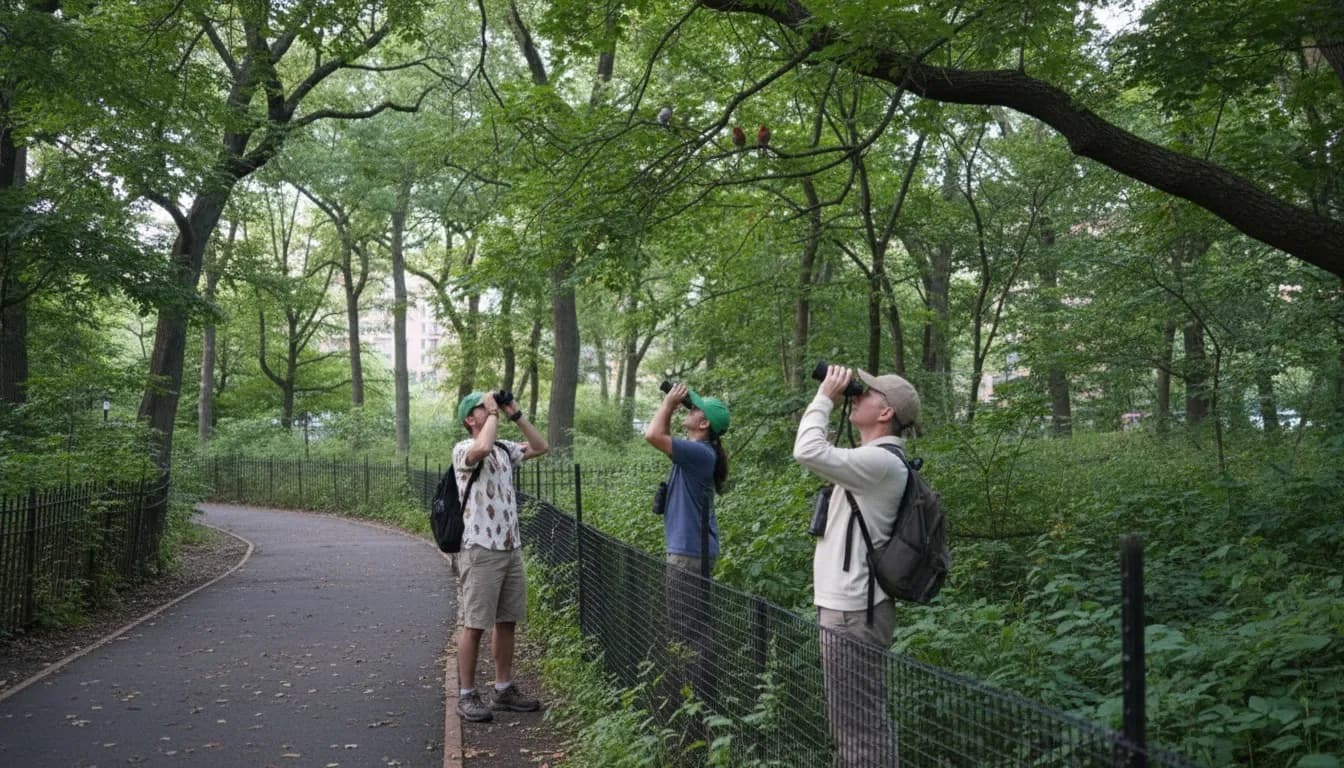
Visitors should note that there are no immediate restrooms within the sanctuary itself, and some paths include gentle inclines and natural terrain. Bringing binoculars is recommended for birdwatching, although some are occasionally available through organized walks.
Engaging with the Sanctuary Through Programs and Walks
Riverside Park Conservancy and NYC Bird Alliance regularly host free birding walks and educational programs in the sanctuary, especially during spring and fall migration seasons. These events are family-friendly and designed to deepen appreciation for urban biodiversity.
For example, the Summer on the Hudson series includes guided bird walks that introduce participants to the sanctuary’s avian residents and habitat restoration efforts. While some events require membership or registration, many are open to the public on a first-come, first-served basis.
Conservation Efforts and Volunteer Opportunities
The sanctuary’s health depends on ongoing habitat restoration, including invasive species removal, native planting, and maintaining bird-safe infrastructure such as glass installations in the Volunteer House. These efforts are led by Riverside Park Conservancy’s horticulture director and supported by NYC Bird Alliance volunteers.
For those interested in contributing, volunteer opportunities often focus on habitat restoration projects and citizen science bird monitoring. These initiatives help maintain the sanctuary’s ecological balance and enhance visitor experience.
Why the Sanctuary Matters in an Urban Setting
In a city as dense as New York, green spaces like the Riverside Park Bird Sanctuary are vital for sustaining urban wildlife and providing residents with access to nature. The sanctuary not only supports bird populations but also contributes to cleaner air, cooler microclimates, and mental well-being for visitors.
Its location along the Hudson River adds to its ecological importance, serving as a stopover for migratory birds navigating the Atlantic Flyway. This makes it a unique spot where city dwellers can witness seasonal bird migrations without leaving Manhattan.
Tips for Visiting and Making the Most of Your Visit
To enjoy the sanctuary fully, plan your visit during early morning or late afternoon when bird activity peaks and crowds are minimal. Bring comfortable walking shoes suitable for mixed terrain and consider packing water and insect repellent during warmer months.
Photography enthusiasts will find ample opportunities to capture natural scenes, but it’s best to keep noise low and avoid disturbing wildlife. Checking the Riverside Park Conservancy website before your visit can provide updates on any scheduled events or temporary access changes.
Practical notes
- Access: Open year-round during Riverside Park hours, generally 6:00 AM to 1:00 AM daily.
- Location: Between West 116th and West 124th Streets along Riverside Drive, Manhattan.
- Admission: Free, no reservation required for general access; some guided walks may require registration.
- Accessibility: Paths include both paved and unpaved sections with varying inclines; no immediate restrooms inside sanctuary.
- Transit: Accessible via subway lines 1, A, B, C, and D to 116th Street or 125th Street stations; bus routes also serve Riverside Drive.
- Official info and updates: https://riversideparknyc.org
Tags: #neighborhood_guides #NYC #secret_NYC #things_to_do_in_NYC #New_York_City #Riverside_Park_Bird_Sanctuary #Upper_West_Side_nature_spots #urban_birdwatching_NYC #Riverside_Park_conservation #NYC_birding_walks #Hudson_River_wildlife #urban_green_spaces_Manhattan #bird_habitat_restoration_NYC
Sources consulted: Riverside Park Conservancy · NYC Bird Alliance · NYC Parks Official Events · ebird.org · nycbirdalliance.app.neoncrm.com · riversideparknyc.org · michaelfogleman.com · nycgovparks.org · riversideparknyc.org · michaelfogleman.com
All trademarks are the property of their respective owners.
Ask Karpo first
Want to know when to show up, what is currently open, and how to make the route work? Ask Karpo for the latest Riverside Park Bird Sanctuary access details and a low-friction NYC visit plan before you head out.


