 Haaland Has Seven Goals and Norway Runs Entirely Through Him
⚽️2026 FIFA WORLD CUP
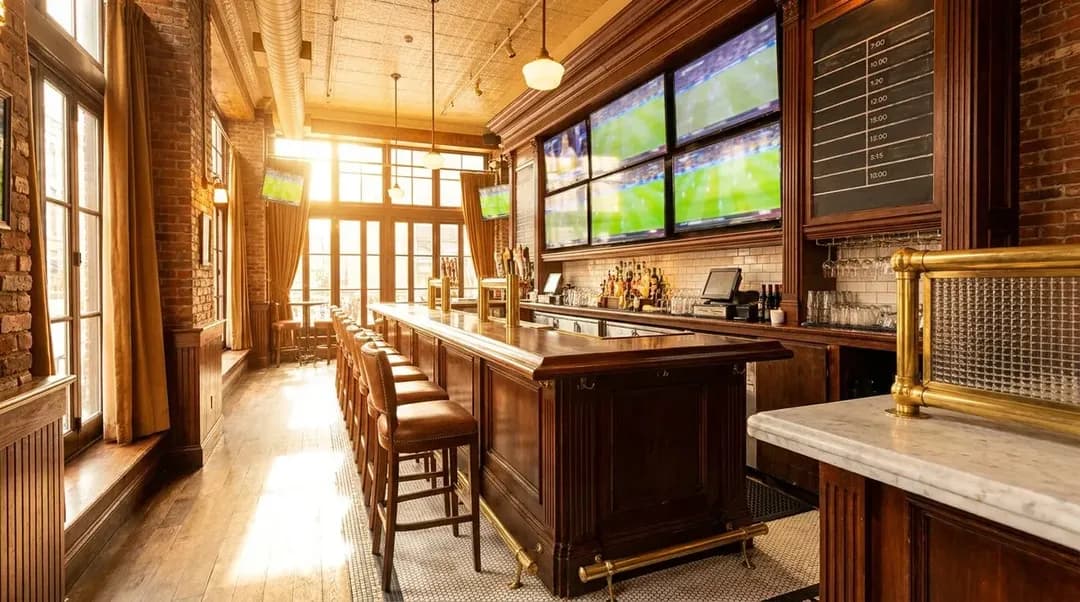
World Cup 2026 NYC Group Stage Watch Party Guide: June 11-26
Your day-by-day schedule for catching every World Cup 2026 group stage match across New York City's best viewing spots.
Opening Day: June 11 and the Early Kickoff Reality
World Cup 2026 kicks off June 11 with matches scheduled as early as noon Eastern time, and New York City bars are adjusting their licenses accordingly. The tournament's North American hosting means more reasonable viewing hours than Qatar 2022, but noon kickoffs still require venues willing to open their doors before the brunch crowd arrives. Midtown spots like Smithfield Hall near Penn Station and The Playwright on 35th Street have confirmed 11:30 AM openings for the duration of the group stage, with full food and drink menus available from the first whistle.
Financial District workers have another option at Stone Street's cluster of pubs, where Ulysses Folk House and The Dubliner plan coordinated early openings. Both venues installed additional outdoor screens in May 2026 specifically for the tournament, transforming the cobblestone pedestrian street into a makeshift stadium concourse. Expect standing-room conditions for marquee matchups, but the outdoor setup provides better crowd flow than enclosed spaces during peak group stage days when four matches run back-to-back.
Argentina Watch Parties: Queens Takes Center Stage
Argentina's group stage matches against Mexico and other opponents will draw the city's massive Argentine community to Queens, where social clubs and sports bars have been preparing since the schedule dropped in February. The Club Atletico Atlanta on Roosevelt Avenue in Jackson Heights becomes tournament headquarters for Argentine fans, with capacity crowds expected for every Albiceleste match. Arrive at least ninety minutes before kickoff or risk watching from the sidewalk through open doors, a common sight during Argentina's 2022 World Cup run.
Corona and Elmhurst offer alternatives like El Rancho Steakhouse and La Esquina Criolla, both of which expanded their dining rooms in spring 2026 anticipating World Cup demand. These venues cater to multi-generational viewing parties where grandparents, parents, and children claim tables for entire match days. The atmosphere leans family-friendly until Argentina takes the pitch, when the decibel level rivals anything at MetLife Stadium. For the Argentina-Mexico clash expected around June 20, consider these Queens locations over Manhattan tourist traps charging cover fees.
England and Premier League Pub Culture
Chelsea and the West Village host New York's densest concentration of English football pubs, and World Cup 2026 group stage matches featuring England will pack these venues beyond their usual Premier League match day capacity. The Boot & Saddle on Eighth Avenue and Carragher's on West 39th Street both expect lines forming an hour before England kickoffs. These establishments built their reputations on early-morning Premier League broadcasts, so handling noon World Cup matches presents no operational challenge—but crowd management becomes critical when national team stakes replace club loyalties.
East Village alternatives include The Blind Pig on 14th Street and Legends on 33rd Street, the latter offering a more corporate atmosphere with guaranteed seating for groups who reserve tables in advance. Most English pubs institute minimum spending requirements during World Cup matches, typically twenty to thirty dollars per person for the ninety-minute window. The investment buys you a guaranteed seat and proximity to fans who know the player names, the chants, and the historical context of every England tournament disappointment—expertise that enhances the viewing experience considerably.
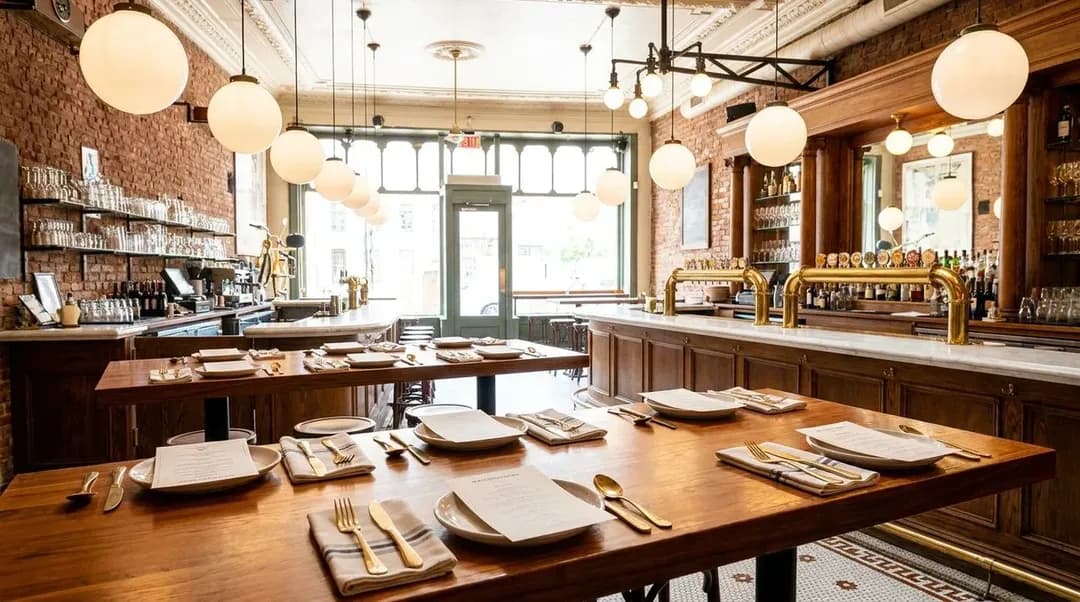
Brooklyn Waterfront: Outdoor Screens and Projections
Brooklyn Bridge Park announced in April 2026 that Pier 2 and the Harbor View Lawn will host free outdoor World Cup screenings throughout the group stage, weather permitting. The park installed two massive LED screens capable of daylight viewing, solving the washed-out picture problem that plagued previous outdoor soccer events. Screenings run for afternoon and evening kickoffs only—noon matches conflict with park programming—but the June 15-26 stretch includes enough 3 PM and 6 PM matches to make the waterfront a regular destination.
Prospect Park's Long Meadow hosts a competing series organized by the Prospect Park Alliance, with a single large screen positioned near the Picnic House. This setup attracts a more family-oriented crowd, with blanket seating and food vendors replacing the bar-centric experience elsewhere in the city. Both parks prohibit alcohol, though enforcement focuses on glass containers rather than discreet canned beverages. Arrive early for popular matches—the Germany-Spain group stage clash will draw thousands—and bring sun protection for afternoon kickoffs when shade disappears by 2 PM.
Neighborhood Clusters: Finding Your Team's Home Base
Beyond the Argentine stronghold in Queens and English pubs in Manhattan, New York's immigrant neighborhoods offer team-specific viewing experiences that transform group stage matches into cultural events. Sunset Park's Mexican restaurants and bars along Fifth Avenue will be packed for Mexico's matches, particularly any encounter with the United States. Brazilian fans congregate in Astoria at spots like Boteco and the Brazilian restaurants on 36th Avenue, where the samba soundtrack starts hours before kickoff.
Koreatown on 32nd Street prepares for South Korea's group stage run with extended hours at venues like Turntable Chicken Jazz and the karaoke bars that double as sports viewing lounges. African matches draw crowds to Harlem's West African restaurant row on 116th Street, where Senegalese and Ghanaian establishments claim allegiance. The decentralized nature of New York's World Cup viewing ecosystem means almost every participating nation has a de facto headquarters somewhere in the five boroughs—local Facebook groups and neighborhood forums reveal these locations better than any citywide guide.
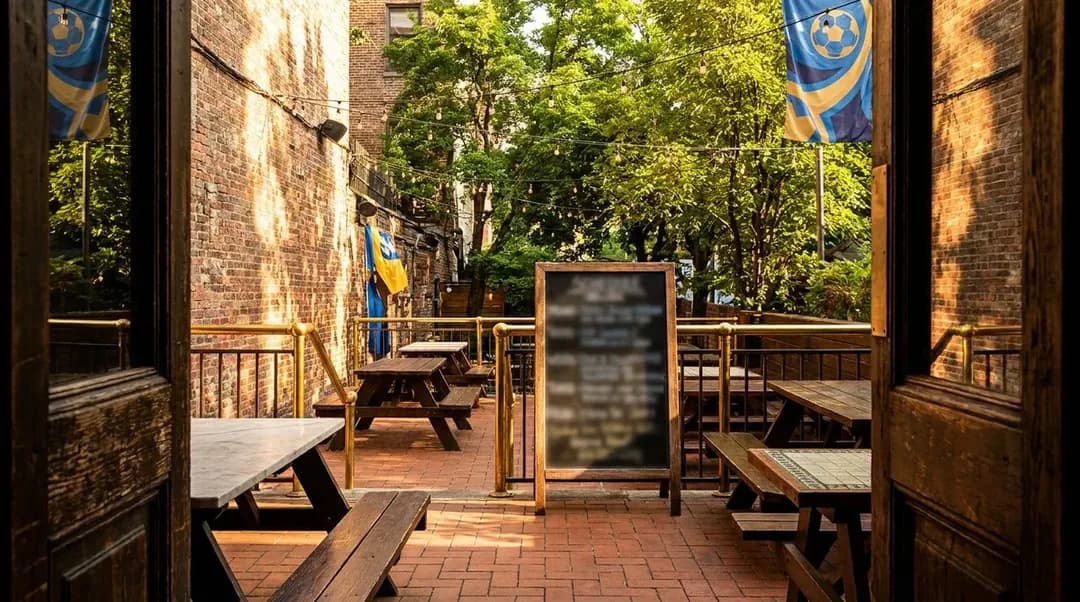
Practical Notes for Group Stage Marathon Viewing
The World Cup 2026 group stage compresses forty-eight matches into sixteen days, with most days featuring three or four matches spread across twelve hours. Planning a full match day requires strategic thinking about transportation, venue hopping, and stamina management. Subway reliability becomes crucial when moving between a noon kickoff in Midtown and a 6 PM match in Brooklyn—build in extra travel time, especially on weekends when service changes proliferate.
- Most bars require arrival 60-90 minutes early for marquee matches; smaller group stage games offer walk-in availability
- Outdoor venues provide backup options when indoor spaces hit capacity, but check weather forecasts the morning of
- Venue-hopping between matches works best when staying within Manhattan or within Brooklyn rather than crossing boroughs
- Food service slows dramatically during matches; order before kickoff or wait until halftime to avoid missing goals
- Cash remains useful at neighborhood bars and outdoor vendors despite widespread card acceptance elsewhere
- Group stage final matchdays (June 26) feature simultaneous kickoffs to prevent strategic tanking—choose your match carefully
The group stage schedule intensifies in the final week as teams jockey for knockout round positioning. June 24-26 will see the highest concentration of meaningful matches, with tiebreaker scenarios and elimination drama replacing the opening week's tentative play. These final group matchdays traditionally draw the largest crowds and the most intense atmosphere, so apply lessons learned from earlier rounds when selecting your viewing location for the matches that matter most.
Looking Ahead: From Group Stage to MetLife Final
The group stage represents just the opening act of a tournament that concludes July 19 at MetLife Stadium in East Rutherford, New Jersey, a venue visible from Manhattan on clear days and accessible via New Jersey Transit from Penn Station. New York City's viewing infrastructure built for the group stage will carry through the knockout rounds, though crowds intensify and venue availability tightens as the tournament progresses toward its conclusion. The bars and parks hosting June 11-26 group stage matches become even more essential in July when single-elimination stakes transform casual viewers into devoted fans.
For now, the focus remains on the group stage's concentrated burst of soccer across sixteen days. This tournament arrives on North American soil for the first time since 1994, with time zones favoring East Coast viewers and a host of venues within day-trip distance of New York City. The group stage offers the most accessible entry point—forty-eight matches, forgiving kickoff times, and the full spectrum of global soccer on display before the knockout rounds narrow the field. Mark your calendar for June 11, scout your neighborhood options, and prepare for the most geographically convenient World Cup in a generation.
All trademarks are the property of their respective owners.
Ask Karpo for more information.
Keep reading
- Haaland Has Seven Goals and Norway Runs Entirely Through Him
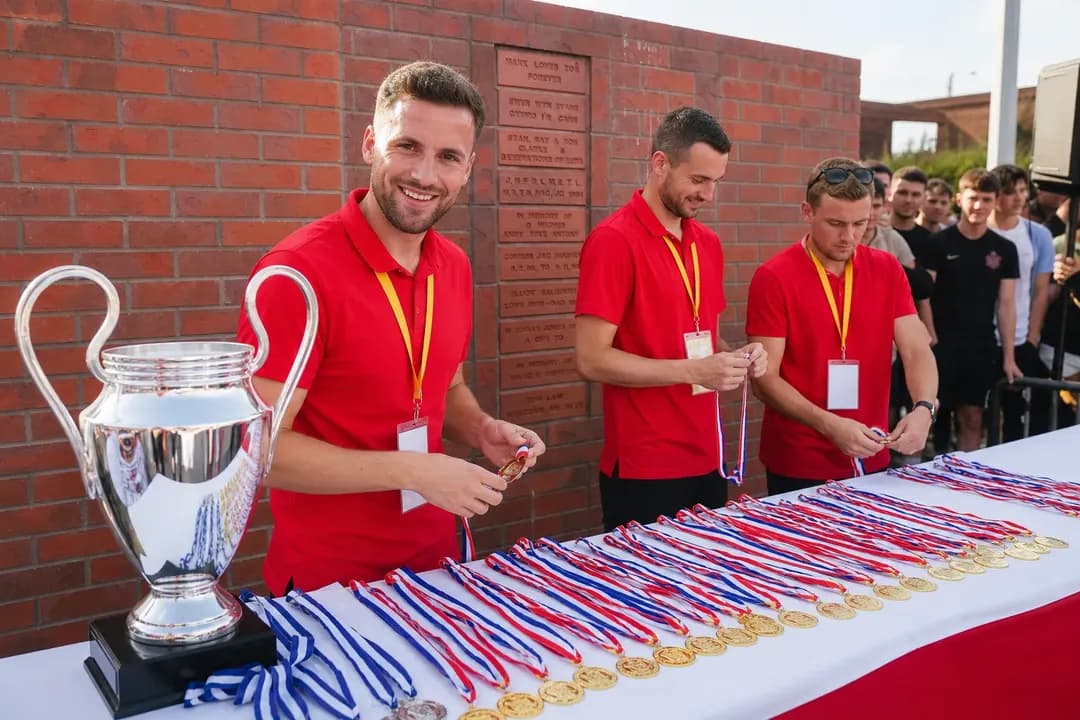 World Cup Trophy Ceremony Timing Medals and Postmatch Celebrations
 Olise and France's Attack: The Semifinal Tactical Question