 Haaland Has Seven Goals and Norway Runs Entirely Through Him
⚽️2026 FIFA WORLD CUP
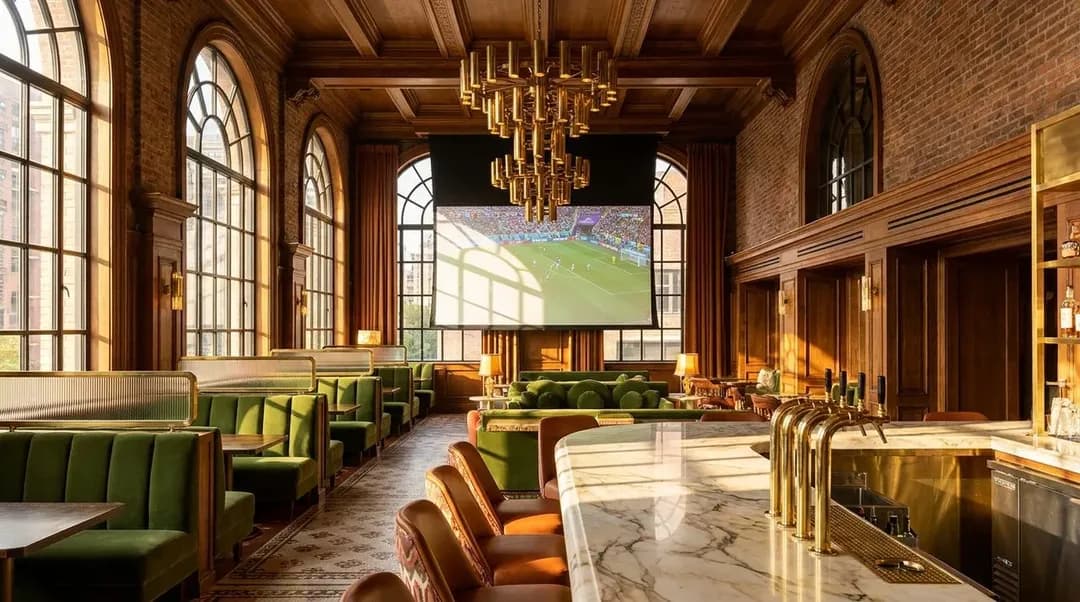
MetLife World Cup 2026 Final: NYC Bar Reservations Fill Fast
The July 19 World Cup final at MetLife Stadium has triggered a reservation gold rush across Manhattan, Brooklyn, and Queens.
The Reservation Rush Begins Two Months Out
It is May 20, 2026, exactly sixty days before the World Cup 2026 final kicks off at MetLife Stadium in East Rutherford. Across the Hudson River, New York City bars that typically handle Premier League Saturday mornings with walk-in ease are now fielding hundreds of inquiries for a single Sunday afternoon. Owners who learned hard lessons from the 2022 Qatar final—when crowds overwhelmed capacity and fire marshals turned away ticket-holders—are implementing deposit systems, lottery drawings, and RSVP caps months in advance.
The July 19 match day presents a unique challenge. MetLife Stadium holds more than eighty thousand fans, but millions more in the tri-state area will seek a communal viewing experience. Bars in Hell's Kitchen, Williamsburg, and Astoria have become the front lines of this logistical puzzle, each adopting different strategies to manage demand while keeping the atmosphere festive rather than frantic.
Hell's Kitchen: Deposit Systems and Early Cutoffs
The strip along Ninth Avenue between 42nd and 57th Streets has become reservation central. The Piper's Kilt, a Scottish pub at 48th Street, began taking fifty-dollar deposits in early April and hit capacity within three weeks. Nearby on 51st Street, Smithfield Hall implemented a tiered system: bar seats require seventy-five dollars per person, high-tops sixty, and standing-room wristbands forty. All deposits apply toward food and drink minimums, but the venue made clear that no refunds will be issued after June 15.
Further south, The Flying Puck on 43rd Street opted for a lottery model. Interested patrons submitted entries through a Google Form between April 1 and May 1, and winners were notified by email in early May. The system aimed to reward regulars—each entry required a receipt from a previous visit—while preventing scalpers from monopolizing slots. By mid-May, secondary markets on social media had already emerged, with some lottery winners offering to transfer reservations for prices exceeding two hundred dollars.
Williamsburg's Competitive Landscape
Brooklyn's Williamsburg neighborhood, home to a younger demographic and a concentration of soccer-focused venues, has seen equally fierce competition. Berry Park on North 8th Street announced in March that its rooftop would host a ticketed World Cup 2026 final event with a live DJ, food trucks, and a hundred-inch projection screen. Tickets went on sale April 10 at sixty dollars each and sold out in under four hours. The venue has since created a waitlist exceeding four hundred names.
A few blocks away on Grand Street, Tacocina pivoted from its usual taco-and-tequila focus to offer a family-friendly viewing party with reserved picnic-table seating. The restaurant is accepting reservations for parties of four or more with a two-hundred-dollar minimum spend per table. As of May 20, only evening slots—well after the final whistle—remain available. Nearby Union Pool, traditionally a dive bar with a back patio, installed a second projector in April and is managing reservations via a phone-only system to avoid online overload.
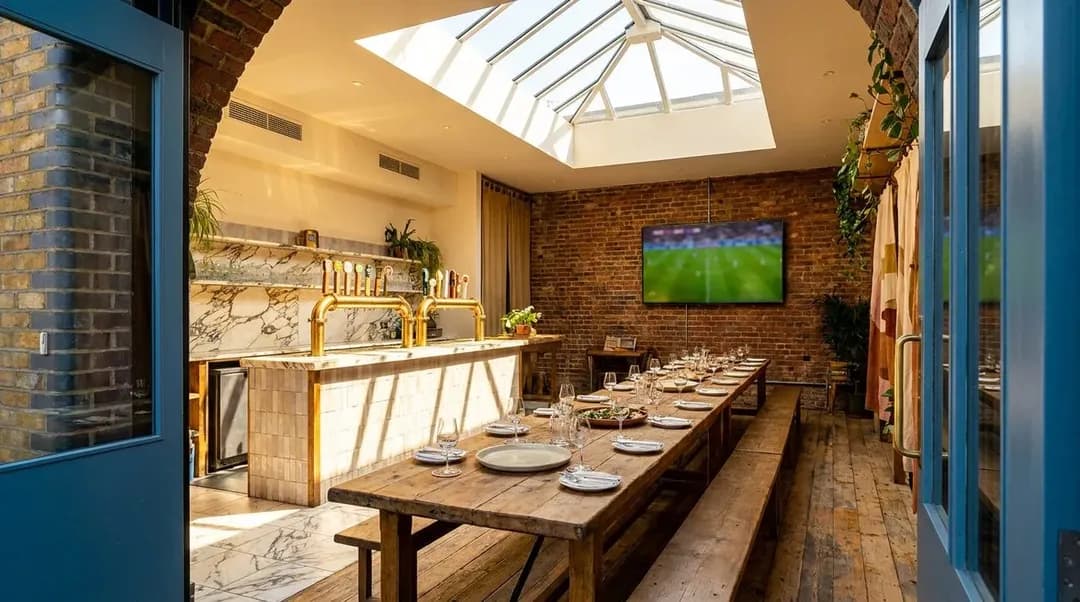
Astoria's Community-Focused Approach
Astoria, Queens, with its deep roots in global immigrant communities, has taken a more egalitarian approach. The Bohemian Hall and Beer Garden on 24th Avenue announced it would not accept reservations, instead operating on a first-come, first-served basis with doors opening at 10 a.m. on July 19. The venue's management cited the communal spirit of past World Cup tournaments and a desire to avoid pricing out neighborhood families. Security plans include staggered entry and a partnership with the NYPD's 114th Precinct to manage overflow on surrounding streets.
Nearby on 30th Avenue, The Quays Irish Restaurant took a middle path: half its capacity is reserved for regulars who signed up on a first-come list in March, while the other half remains open for walk-ins on match day. This hybrid model mirrors strategies the bar used successfully during the 2018 World Cup and multiple Premier League title-deciding fixtures. Owner interviews suggest the approach balances revenue predictability with the spontaneous energy that makes soccer viewing memorable.
Outdoor Spaces: Domino Park and Hudson Yards
For those seeking open-air options, two major lawn parties have emerged. Domino Park in Williamsburg, the waterfront green space along the East River, will host a free public screening organized by the Williamsburg Business Improvement District. The event requires RSVP through the park's website to manage crowd size and coordinate with the FDNY for emergency access. As of mid-May, more than five thousand RSVPs had been submitted for a space that comfortably holds three thousand, prompting organizers to consider a lottery system for final admissions.
Hudson Yards, the Manhattan development on the Far West Side, announced a ticketed screening on its fifth-floor public plaza. Tickets are thirty-five dollars and include one drink voucher and access to shaded seating areas. The venue caps attendance at fifteen hundred, and tickets remain available as of May 20, likely due to the higher price point and the less soccer-centric reputation of the neighborhood. Both outdoor venues emphasize that entry is weather-dependent, with contingency plans directing ticket-holders to partner bars if severe storms threaten.
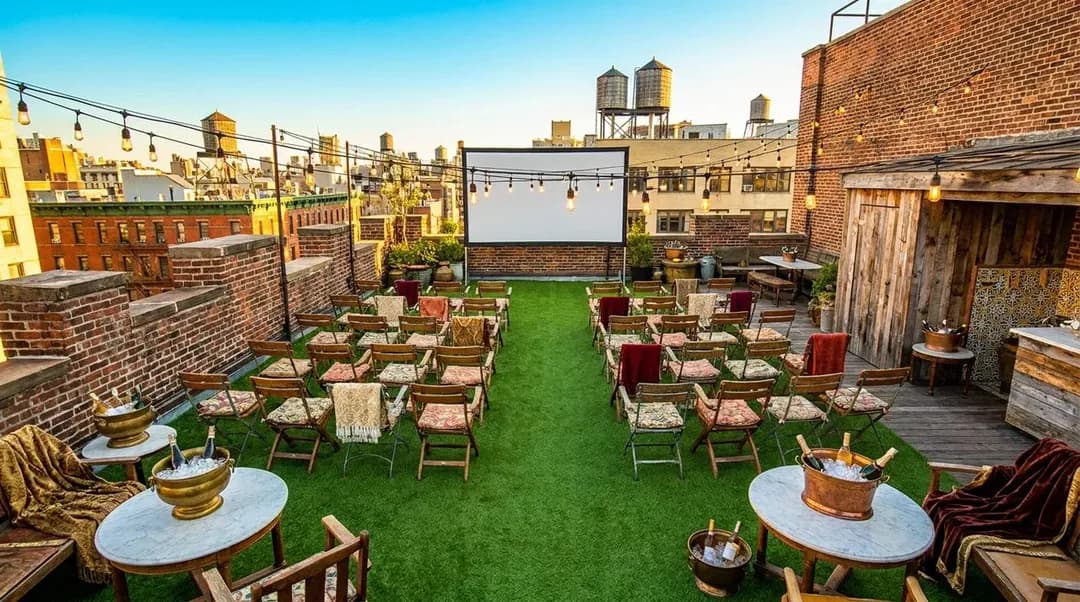
Practical Notes for Last-Minute Planners
With eight weeks remaining before the final, options are narrowing but not exhausted. Several strategies can improve your odds of securing a spot. Weekday reconnaissance visits to your preferred venue can build rapport with staff, who may hold back a handful of slots for regulars. Group bookings of six or more often receive priority at restaurants hedging between dining service and sports viewing. And neighborhoods slightly off the beaten path—Sunnyside, Park Slope, the Lower East Side—still have bars with availability, though atmosphere and screen size may not match the marquee venues.
Transit planning is equally critical. The NJ Transit rail system will run extra trains to MetLife Stadium, but return service after the final will be staggered and crowded. For those watching in the city, expect subway delays on the 7, L, N, and W lines serving Astoria and Williamsburg, as well as the A, C, and E lines near Hell's Kitchen. The MTA has not yet announced enhanced service, so building in extra travel time—or planning to stay in your viewing neighborhood for post-match celebrations—is advisable.
- Check cancellation policies before submitting deposits; many venues have June 15 cutoffs
- Arrive at least ninety minutes early for walk-in venues, especially in Astoria
- Bring a portable phone charger; cellular networks may struggle under match day load
- Confirm whether your reservation includes a specific seat or general admission
- Review outdoor venue weather policies and have a backup indoor option
Why This Tournament Feels Different
The 2026 World Cup carries a distinct energy in New York. Unlike 1994, when the final was played in Pasadena, this tournament places the championship match within commuting distance of eight million city residents. The expanded format—forty-eight teams instead of thirty-two—has stretched the tournament across three countries and generated weeks of sustained local interest. Bars that might dedicate a single Sunday to the final are now planning multi-week viewing series, building customer habits that echo the weekly rhythms of Premier League season.
The proximity of MetLife Stadium also creates a unique dynamic. Some bars are courting pre-match crowds who will leave for New Jersey by 2 p.m., while others are targeting the stay-in-the-city audience. A few ambitious venues are attempting both, offering early afternoon service for stadium-goers and a second seating for those watching on screens. This dual strategy requires precise timing and staffing, but successful execution could set a template for future major sporting events in the region.
All trademarks are the property of their respective owners.
Ask Karpo for more information.
Keep reading
- Haaland Has Seven Goals and Norway Runs Entirely Through Him
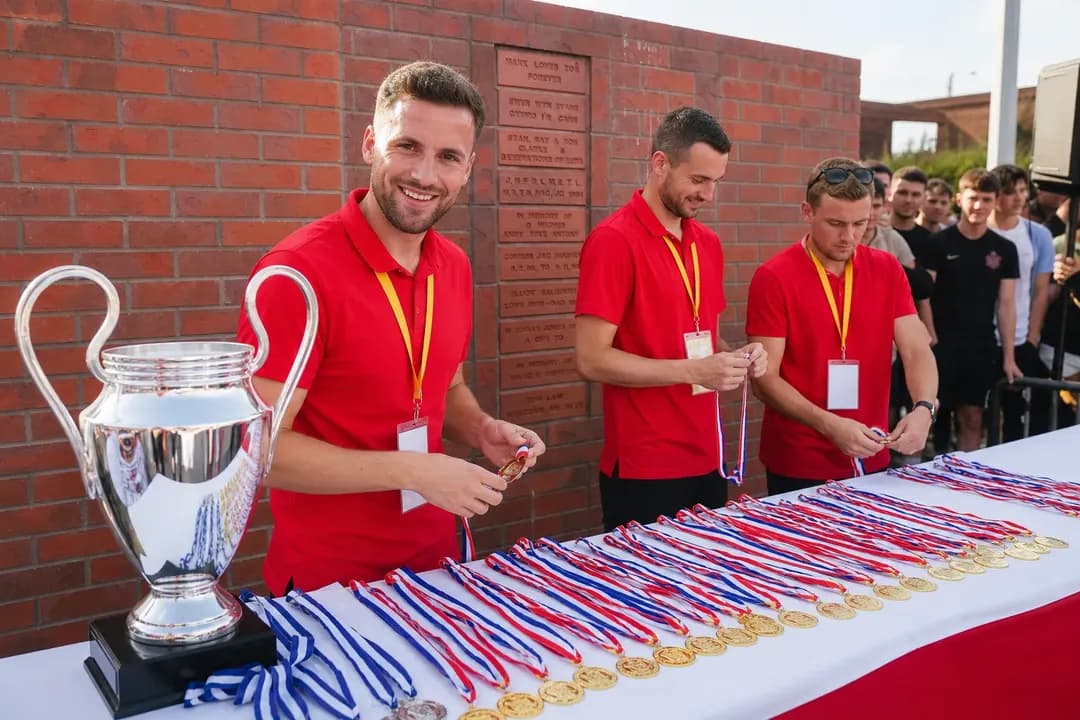 World Cup Trophy Ceremony Timing Medals and Postmatch Celebrations
 Olise and France's Attack: The Semifinal Tactical Question