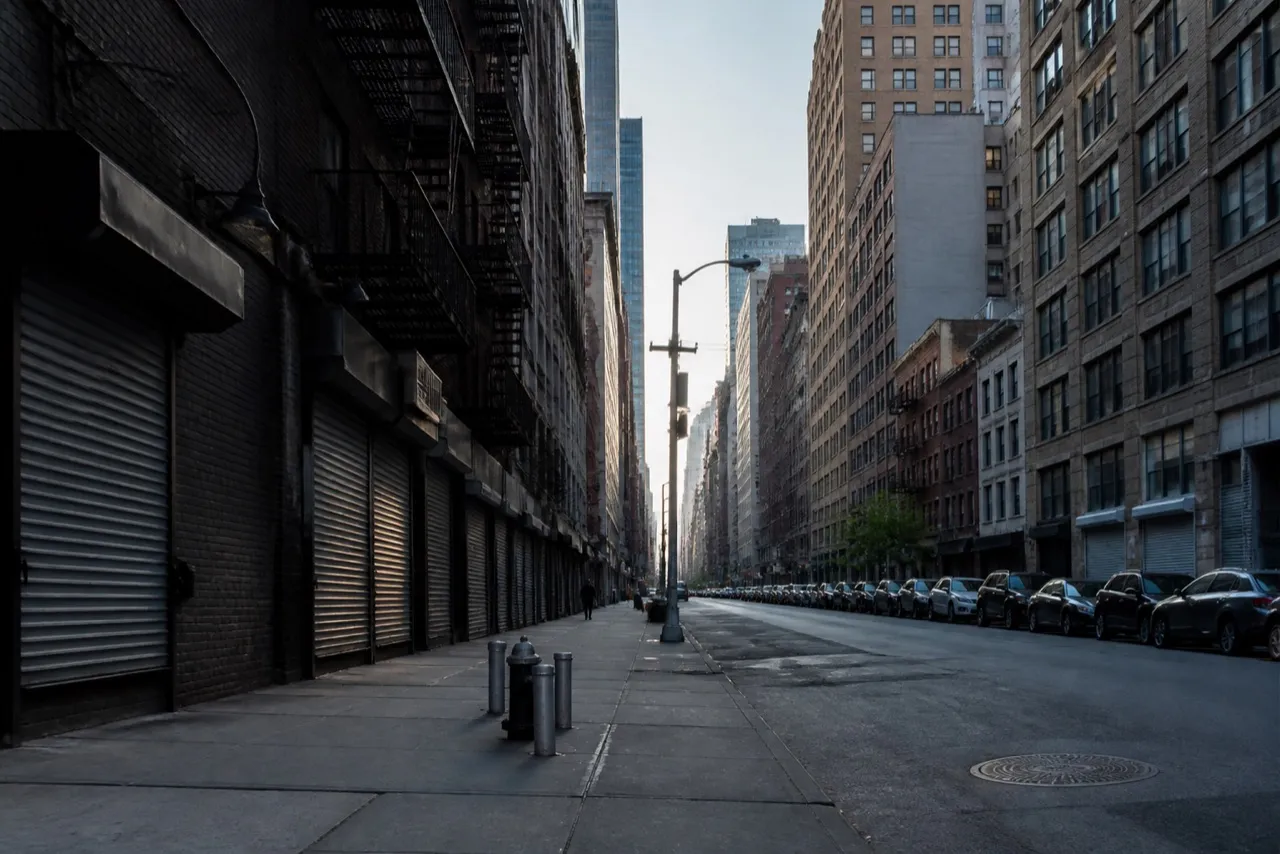
The East Village has always worn its sports allegiances loudly—Mets caps in summer, Rangers jerseys when the Garden heats up, and lately, a particular brand of playoff optimism rendered in orange and blue. This May, a handful of sports bars along Avenue A and side streets near Tompkins Square have seized on the postseason momentum with an unlikely muse: hustle stats, defensive rotations, and a scrappy forward whose box scores have inspired a micro-trend in bourbon drinks served in tinted glassware. It's neighborhood capitalism at its most spontaneous, equal parts tribute and opportunism, and the crowds packing these dim-lit rooms every other night suggest the timing is exactly right.
Why Hart, Why Now
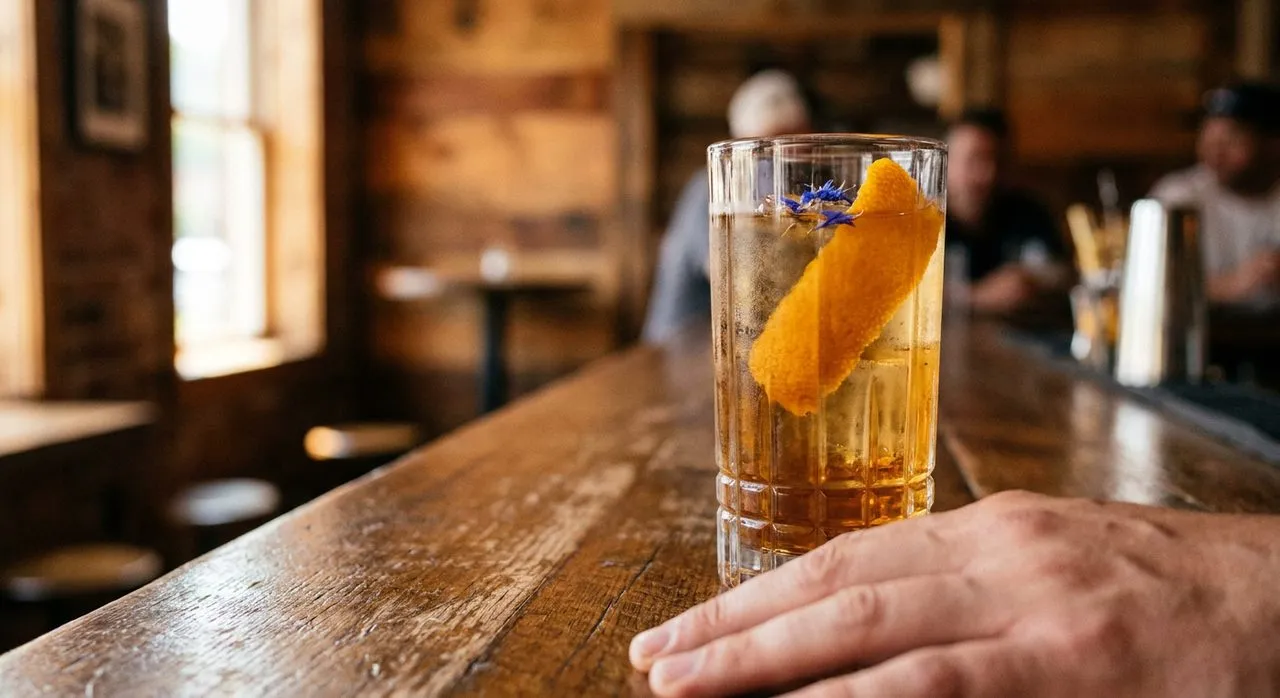
Playoff narratives love an underdog workman, and josh hart's recent stat lines—rebounds, assists, those gritty deflections that don't make highlight reels but tilt possessions—have given East Village bartenders a hook that feels less corporate than, say, a star guard's signature sneaker launch. The drinks aren't official. No licensing deals, no press releases. Just a bartender's hunch that a bourbon old-fashioned renamed for a playoff rotation player might move faster than the house pour, especially when served in a rocks glass rimmed with blue sugar or an orange peel twist shaped like a crude number three.
The appeal is partly ironic, partly earnest. These bars cater to a crowd that grew up with broadband highlight culture but still craves the analog thrill of a packed room, sticky floors, and collective groans when a defensive assignment goes sideways. Hart's game—high-effort, low-glamour—mirrors the neighborhood's self-image: a little gritty, stubbornly resilient, suspicious of anything too polished.
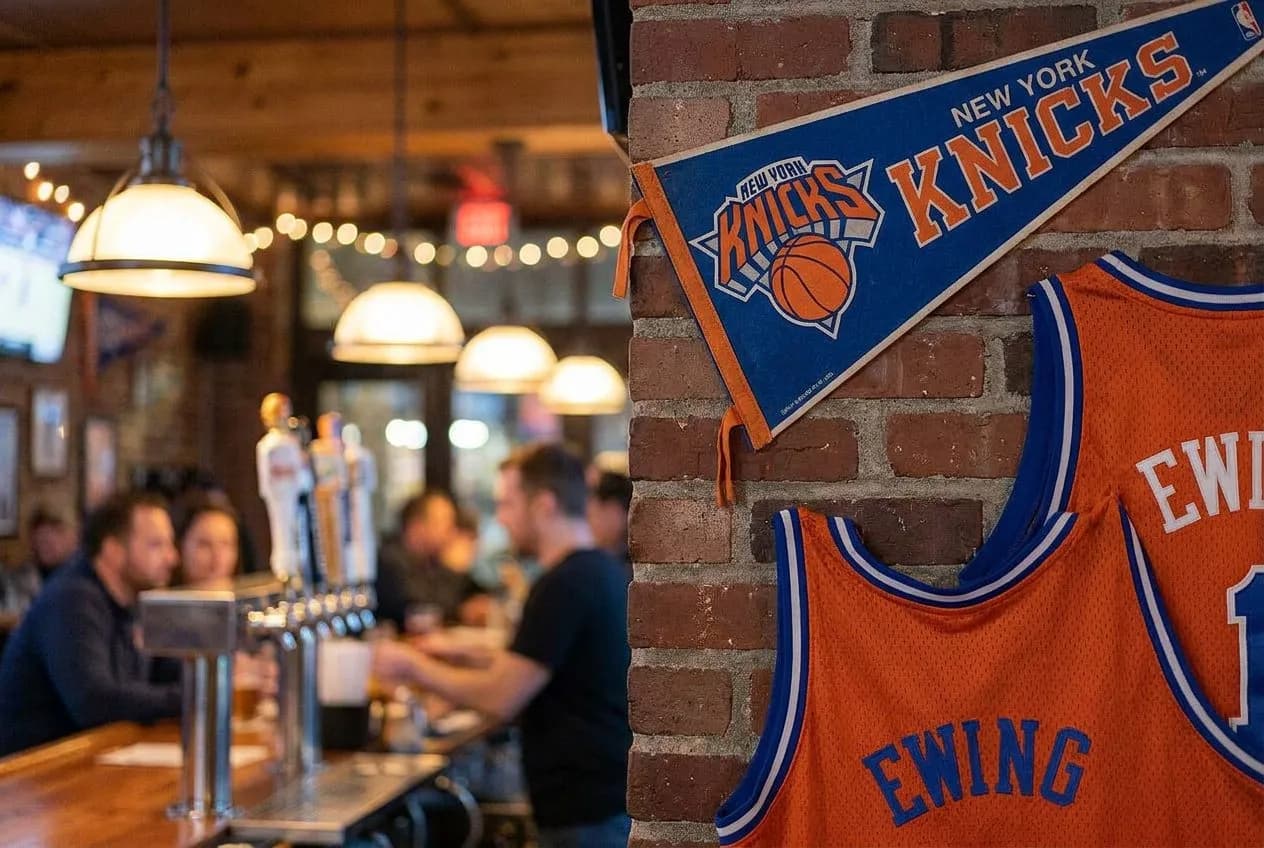
The Bourbon Gambit
Bourbon makes sense here. It's American, unambiguous, and forgiving of improvisation. Most of the Hart specials lean on mid-shelf bottles—nothing allocated, nothing that requires a waitlist—mixed with bitters, simple syrup, and a citrus accent. One spot serves theirs over a single large cube dyed faint orange with Aperol; another uses a Knicks-blue curaçao float that tastes better than it sounds. Presentation matters more than precision. The glassware is mismatched, often sourced from restaurant-supply wholesalers or thrift hauls, but the effect is festive enough to photograph well under the amber pendant lights most of these bars favor.
Price points hover around twelve to fifteen dollars, which is steep for a neighborhood Old Fashioned but reasonable given the theater. You're paying for the moment as much as the drink: the bartender's wink, the table next to you debating rotation minutes, the shared intake of breath when a three-pointer rattles out. Late May weather helps—windows propped open, sidewalk noise drifting in, that particular urban hum that makes every game feel like a block party with higher stakes.
Game-Night Choreography
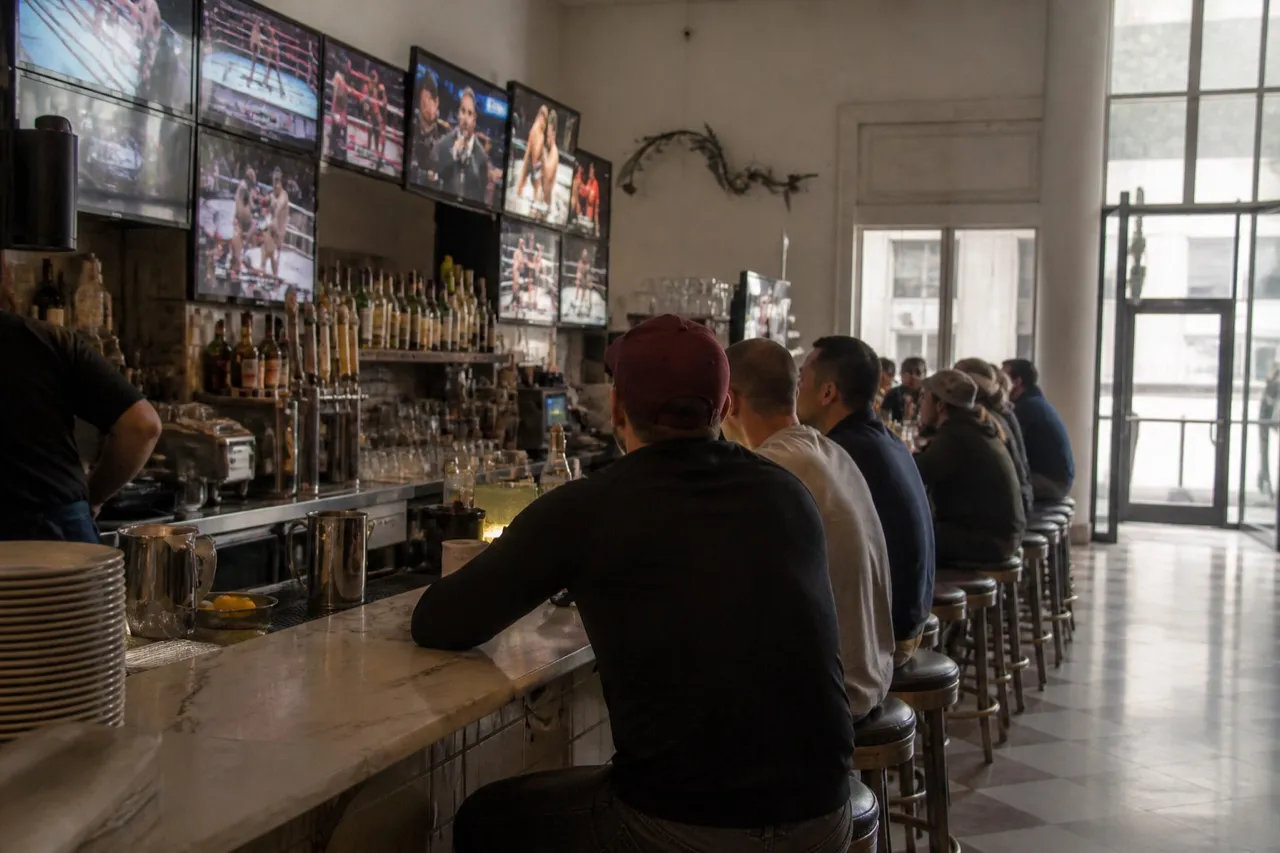
Arrive an hour before tip-off if you want a barstool. Ninety minutes if your group is larger than two. By thirty minutes out, it's standing room, bodies three-deep at the bar, sight lines to the television screens negotiated through a combination of height, timing, and polite jostling. The house burger—usually a double patty, American cheese, pickles, soft sesame bun—is your best bet for holding real estate. Order it early, eat it slowly, and you've bought yourself an anchor point for the next two and a half hours.
Sound systems vary. Some bars pipe in the MSG broadcast audio at conversation-killing volume; others leave it low and let the crowd supply the soundtrack. You'll hear the usual game-night argot: lineup complaints, referee grievances, the occasional advanced-stat reference deployed with varying degrees of accuracy. What distinguishes these Hart-themed nights is a running sidebar debate about defensive assignments, plus-minus margins, and whether effort metrics belong in the same sentence as all-star ballots. It's sports talk as participatory theater, and the bourbon specials keep the discourse lubricated.
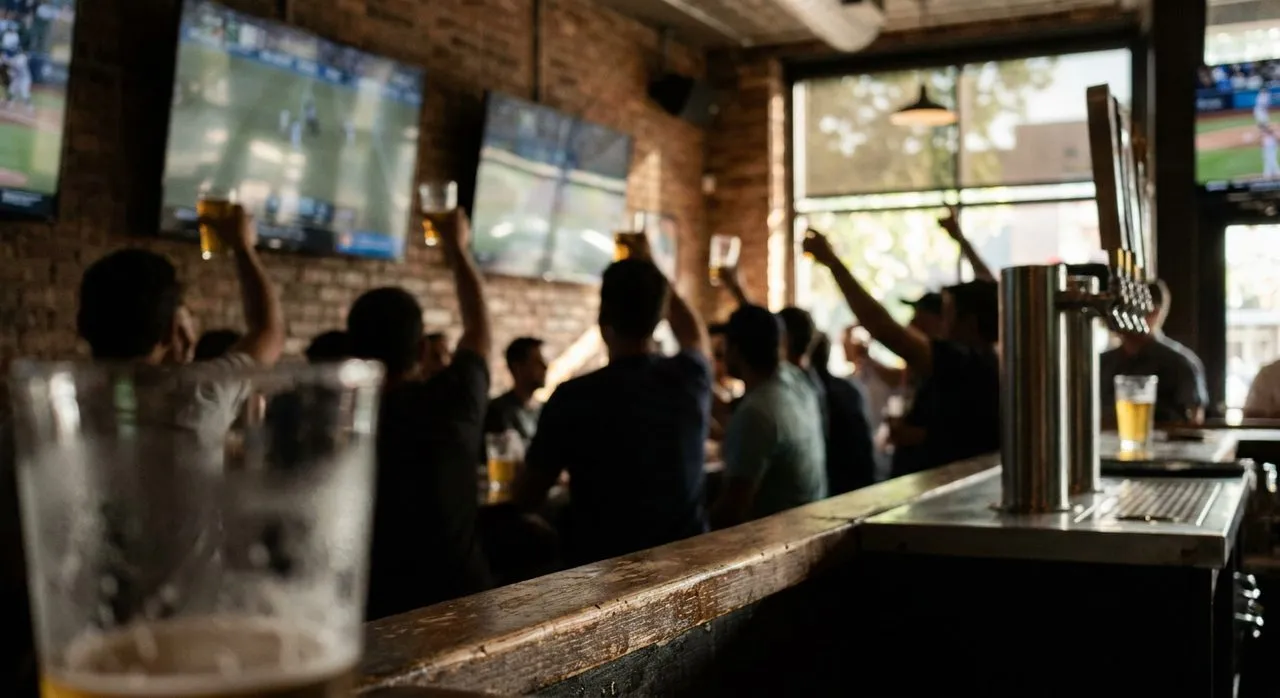
Between Quarters
Bathroom lines spike during timeouts. The hallway to the restroom—usually narrow, lit by a single Edison bulb or a beer-branded neon—becomes a secondary social space where strangers compare notes on the previous quarter and predict rotations for the next. Someone always knows someone who used to play pickup with someone who once guarded a Knick in summer league. The stories are apocryphal but enjoyable, part of the connective tissue that makes these nights feel communal rather than transactional.
Some bars extend happy hour pricing through the fourth quarter on playoff nights, a gesture announced via Instagram story an hour before game time. It's worth checking social feeds the afternoon of—these promotions are informal, often decided by a manager's read of the crowd size and liquor inventory. If the knicks win, expect the room to empty slowly, patrons lingering over final beers and dissecting every possession. If they lose, the exodus is swift and mostly silent.
Who You'll Meet
The crowd skews late twenties to early forties, a mix of longtime East Village residents and newer arrivals who've adopted the neighborhood's sports allegiances as a form of cultural assimilation. You'll spot Knicks jerseys from every era—Ewing, Starks, the odd Sprewell throwback—alongside generic orange hoodies and caps. There's an unspoken dress code: nothing too pristine, nothing that suggests you arrived from a corporate happy hour in Midtown. Flannel, denim, well-worn sneakers. Effort without trying.
Bartenders toggle between harried and hospitable, slinging drinks with one eye on the screen. Tipping well buys you goodwill and slightly faster service during crunch time. The vibe is egalitarian—no VIP tables, no bottle service, no velvet rope. Just a room full of people who've decided that watching a playoff game alone at home is a missed opportunity for something louder, messier, and more memorable.
Practical Notes
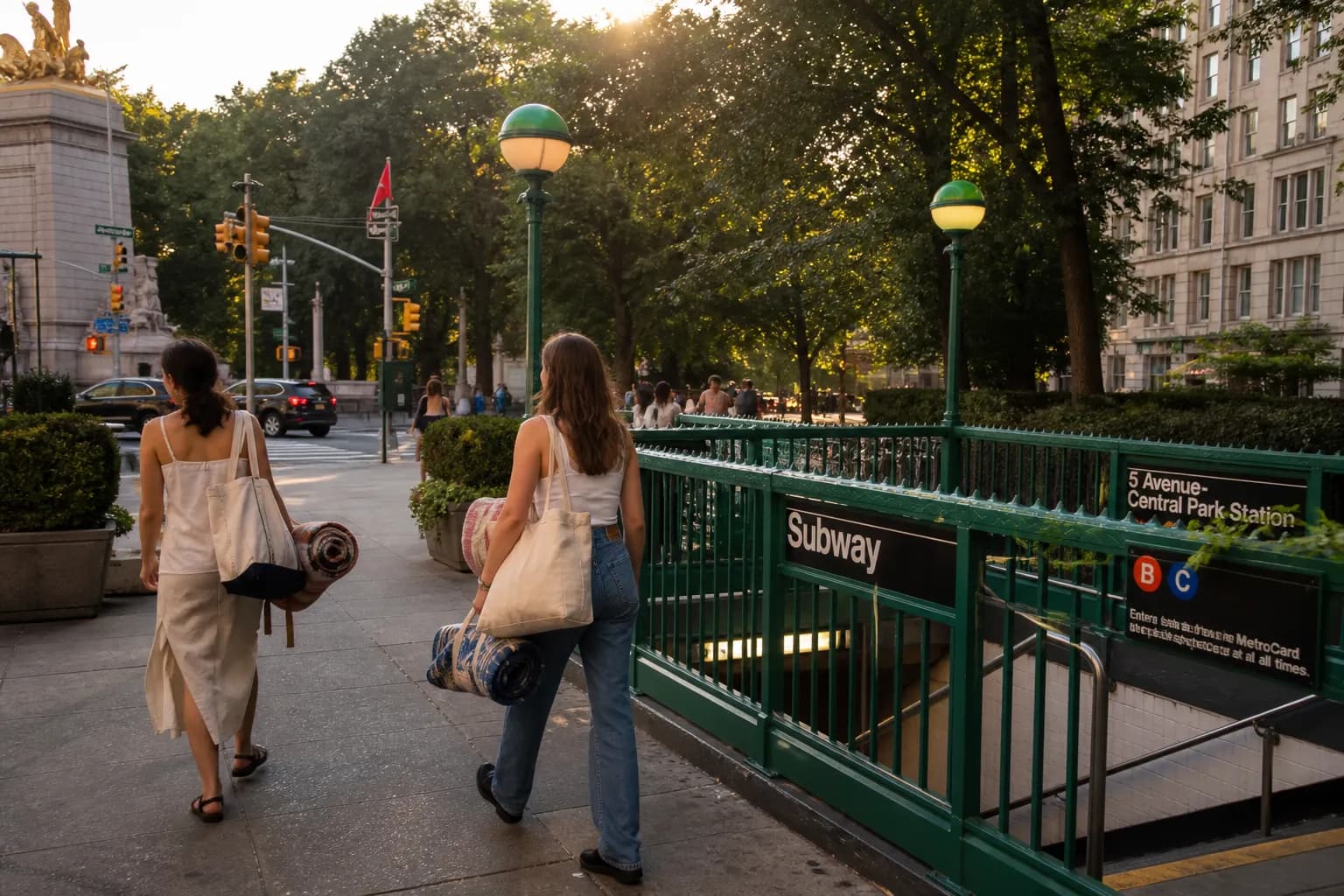
The cluster of sports bars hosting these Hart specials runs along Avenue A between roughly 7th and 10th Streets, with a couple of outliers on 1st Avenue near Tompkins Square Park. Nearest subway: 6 to Astor Place; nearby L service is at 14th Street-1st Avenue, not in the East Village. Street parking is functionally nonexistent on game nights; if you're driving, budget time and cash for a lot west of 2nd Avenue. Most venues are small, cash-friendly (though cards work), and minimally accessible—narrow doorways, no dedicated seating for mobility devices, bathrooms downstairs. Check each bar's social media the afternoon of game day for confirmation they're running specials and whether they're extending happy hour. Doors typically open by mid-afternoon; game-night crowds arrive between 6:30 and 7:30 p.m. for an 8 p.m. tip. Bring cash for tips, patience for crowds, and an openness to standing for two-plus hours. Late May in New York means warm evenings; dress in layers you can shed once the room fills and body heat takes over.
Tags: #RightOnTime #EastVillageNYC #KnicksPlayoffs #NYCSportsNights #SpringInTheCity #PlayoffBars #BourbonatTipOff #TompkinsSquare #AvenueAEats #May2026 #NeighborhoodBars #GameNightNYC #KarposFindsNYC #NYCNightlife #PostseasonVibes
Sources consulted: Josh Hart · New York Knicks · Official Knicks Site · Time Out New York Bars · MTA Transit Info
All trademarks are the property of their respective owners.