Late May in New York means the city splits its attention between rooftop season and whoever's left standing on the ice. This year the playoff draw delivers a Canadiens vs Hurricanes series that stretches into Memorial Day weekend, and a handful of bars in Hell's Kitchen and Astoria are doing what too few sports venues bother with: full game audio, no channel-flipping, and bartenders who won't ask which period it is. These are the spots where the anthem still gets a moment of silence, where you'll catch the smell of fryer oil and cold lager by the second faceoff, and where standing room becomes a badge of honour if you arrive after six-thirty.
Hell's Kitchen claims the hometown hockey crowd
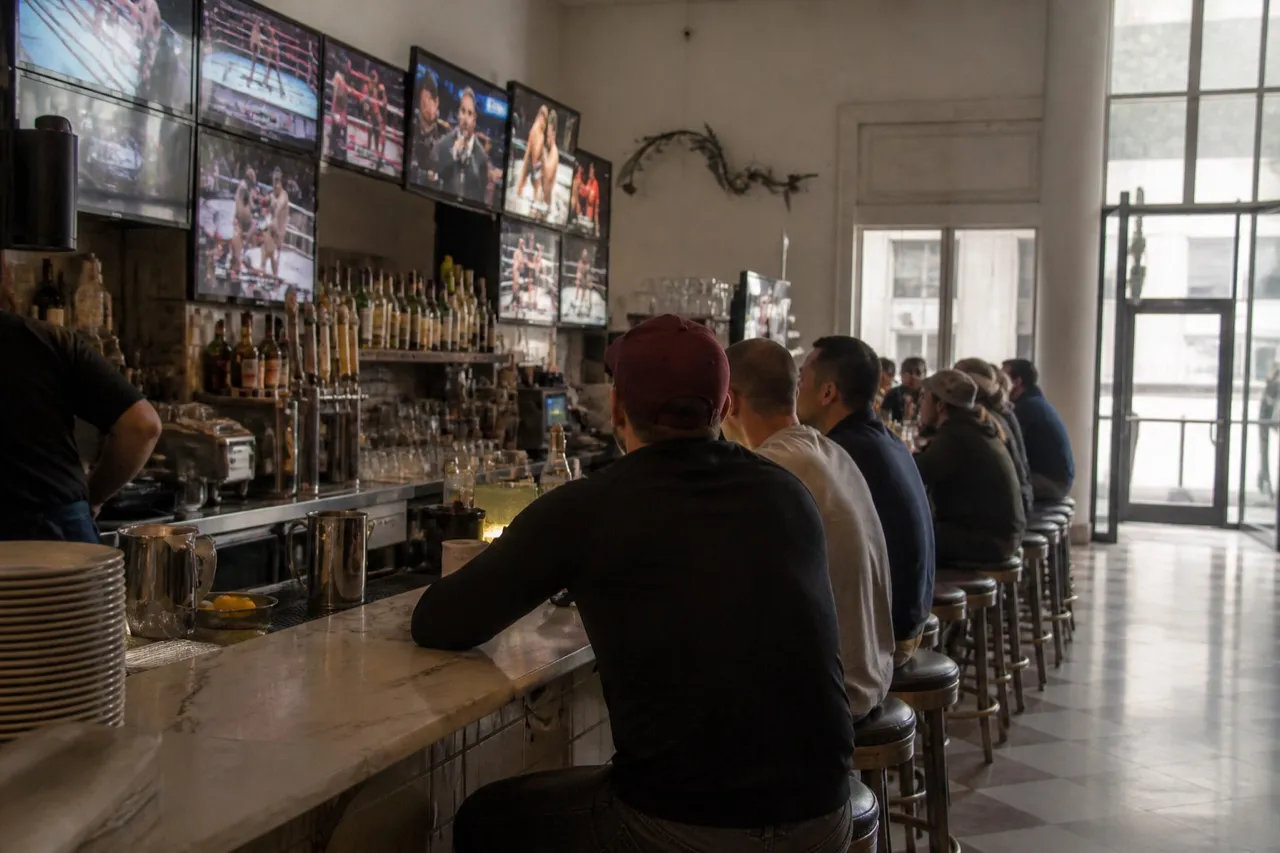
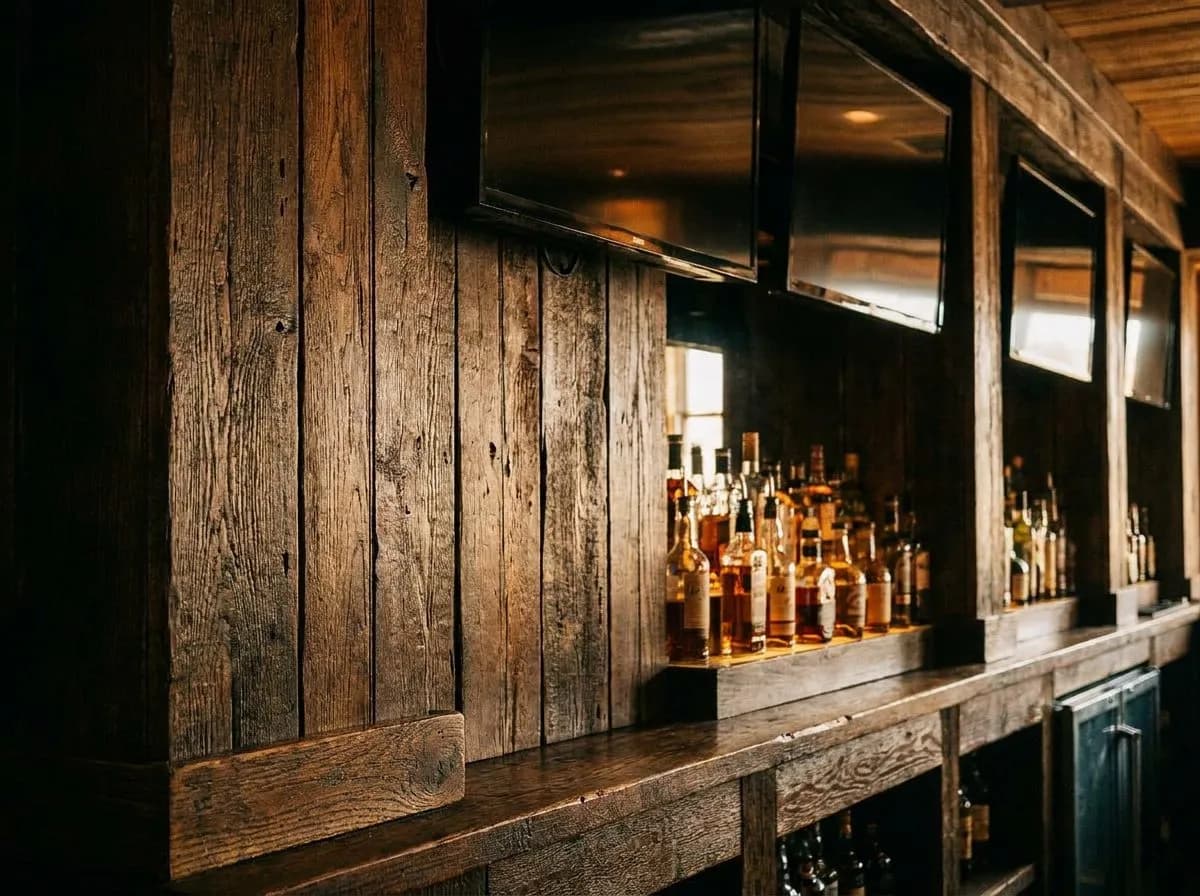
The blocks west of Eighth Avenue have long housed the city's most reliable hockey bars—dim wood interiors, a cluster of flat-screens angled just right, and regulars who've been arguing about power-play strategy since the Messier era. Come late May, when the sun doesn't set until after eight, these rooms stay dark by design. You walk in from the warm sidewalk into cave-cool air-conditioning, and the first thing you notice is the sound: skate blades, ref whistles, the low rumble of a crowd that actually understands zone defense.
Expect weeknight puck drop around seven, which means happy hour pricing on drafts and well drinks extended through the first twenty minutes of play. The bartenders here know the difference between icing and offsides, and they're not shy about correcting you if you get it wrong. No basketball jerseys, a house rule that's enforced with a smile but enforced nonetheless. The vibe is warm without being precious—think Formica bartops, paper napkin dispensers, and a chalkboard that lists the night's pitcher specials beside someone's playoff bracket predictions.
Astoria's European sensibility meets North American puck
Cross the East River and the hockey bars take on a different texture. Astoria's long Greek and Eastern European roots mean the neighborhood never needed convincing that hockey matters. The bars here trend a bit brighter, a bit louder, with tile floors that echo and windows cracked open to let in the late-spring breeze. You'll find a younger crowd, more transplants, and a higher tolerance for standing-room chaos once the series heats up.
The drink specials skew toward lager buckets and shot-and-beer combos, priced for volume rather than craft. But the energy is infectious. By the time the second period rolls around, the room has settled into a collective rhythm: groan at the penalty, cheer the breakaway, argue about the replay during commercial breaks. The bartenders move fast, the kitchen stays open late, and if you're smart you'll order wings or sliders before the first intermission when the printer starts spitting tickets three-deep.
What 'full audio' actually means
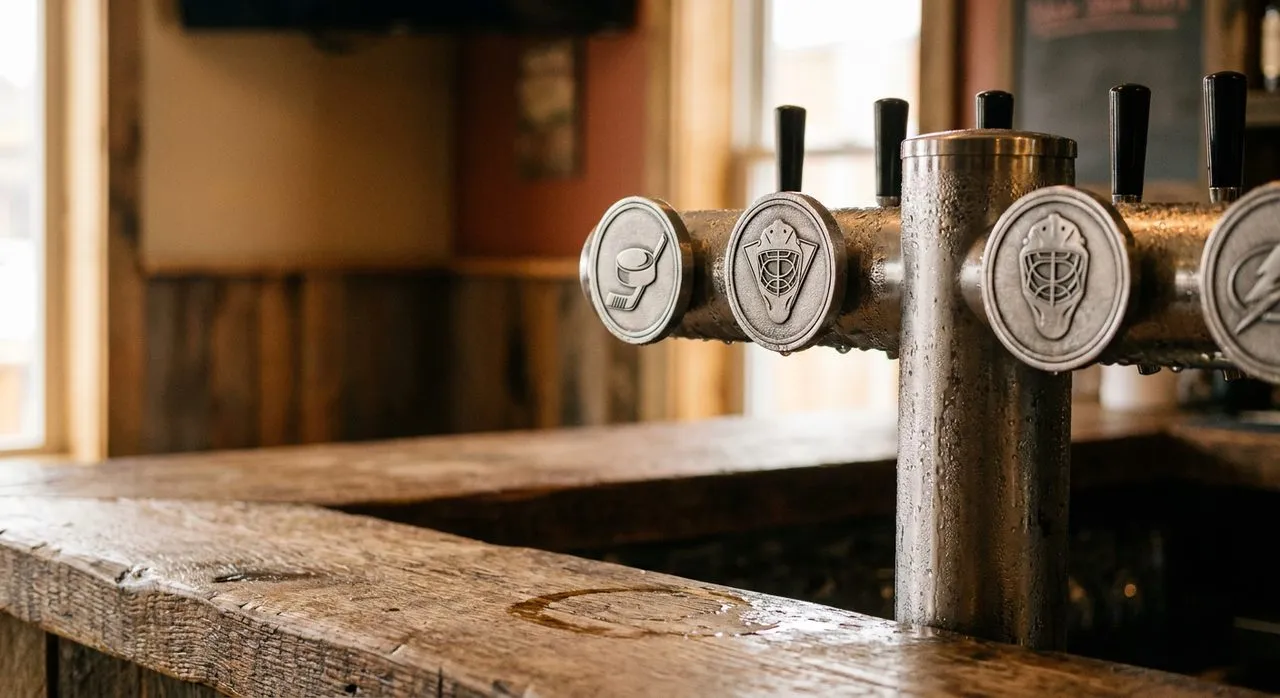
It's a small phrase that carries outsize weight. Full audio means no competing soundtrack, no pop music bleeding in from the back speakers, no bartender discretion to flip to baseball if the game drags. You hear the play-by-play, the colour commentary, the crowd noise from Raleigh or Montreal. You hear the puck hit the post. It's the difference between watching hockey and experiencing it, and it's rarer than you'd think in a city where most bars treat sports as ambient content.
The bars committing to full audio for this series understand that the crowd self-selects. You're not here for a casual backdrop; you're here because the series matters, because you have a rooting interest or a playoff bracket riding on the outcome, because you want to be surrounded by people who lean forward in their seats when the goalie gets pulled. The sound design is part of the pact: we'll turn it up, you'll show up early and stay through overtime.
The late-May timing and what it does to a room
Playoff hockey in late May is a strange and lovely thing in New York. The rest of the sports calendar has downshifted—basketball's done, baseball's still finding its rhythm—and the city is half-distracted by long daylight and the first serious warmth. The bars showing these games become a kind of counterprogramming, a commitment to winter's sport even as the evening air smells like sunscreen and hot garbage.
Inside, the contrast is sharper. The rooms are cold, the beer is colder, and the crowd has the focused, faintly defiant energy of people who've chosen ice over rooftop rosé. You'll see playoff beards, team jerseys that haven't been washed since round one, and the occasional fan who flew down from Montreal or drove up from Carolina just to watch with a crowd that cares. By the third period the windows fog from body heat, and when the door swings open between plays you get a five-second reminder that summer's already here.
What to expect from the crowd and the calendar
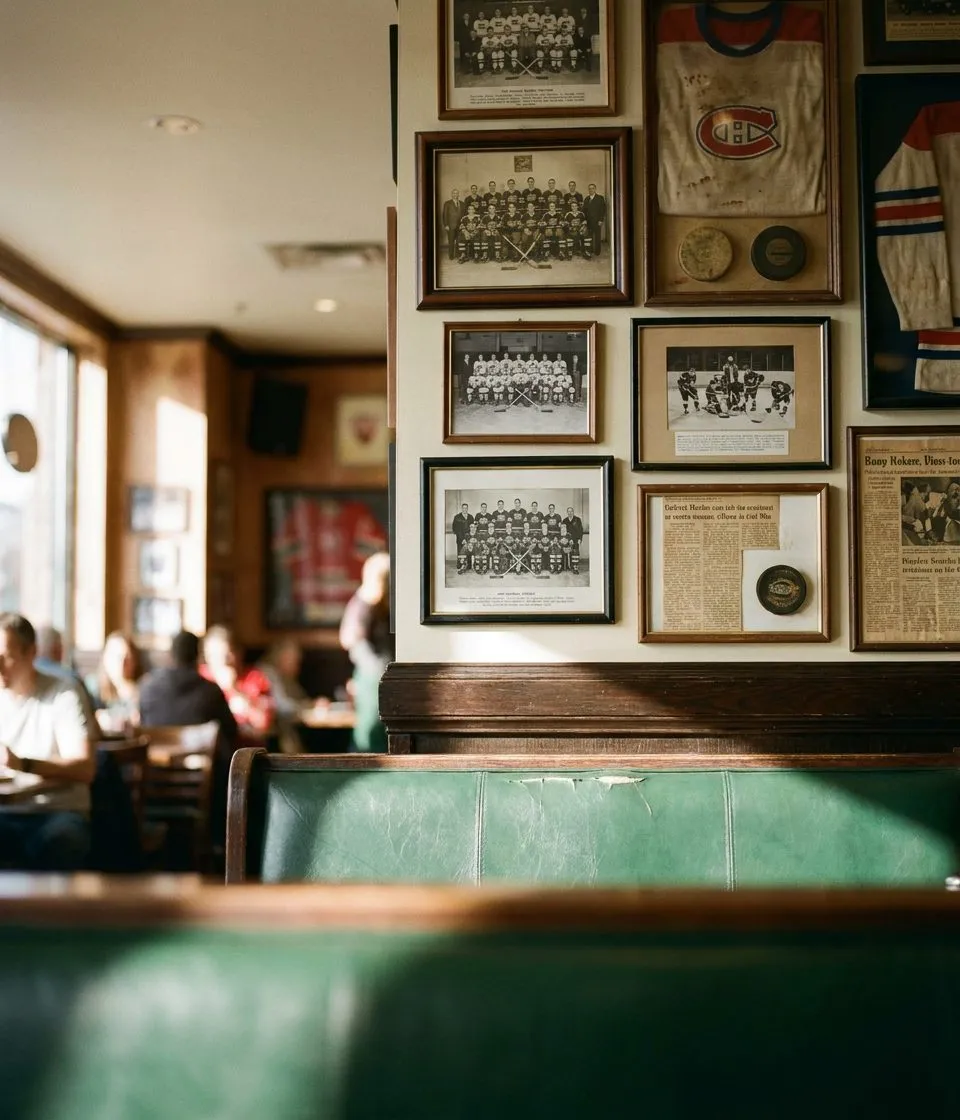
The series schedule is still fluid—broadcast slots shift, weather delays happen, and the league loves a weekend afternoon surprise—but most weeknight games will drop the puck around seven. That gives you a narrow window: arrive by six-fifteen if you want a stool near a screen, six-thirty if you're willing to stand. By six forty-five the good sightlines are gone, and by anthem time you're negotiating shoulder space with strangers who will become, over the next two hours, your closest allies or bitterest rivals depending on the jersey they're wearing.
The crowd trends older than your typical nightlife spot, though you'll see plenty of twenty-somethings who grew up playing youth hockey in the suburbs and never shook the habit. Expect a mix of accents—French Canadian, Carolina drawl, outer-borough New York—and a shared fluency in the sport's rhythms. People buy rounds for strangers after a big goal. They argue about goaltender interference with the intensity of appellate lawyers. And when the game goes to overtime, the room goes silent except for the television and the occasional exhaled prayer.
Practical notes
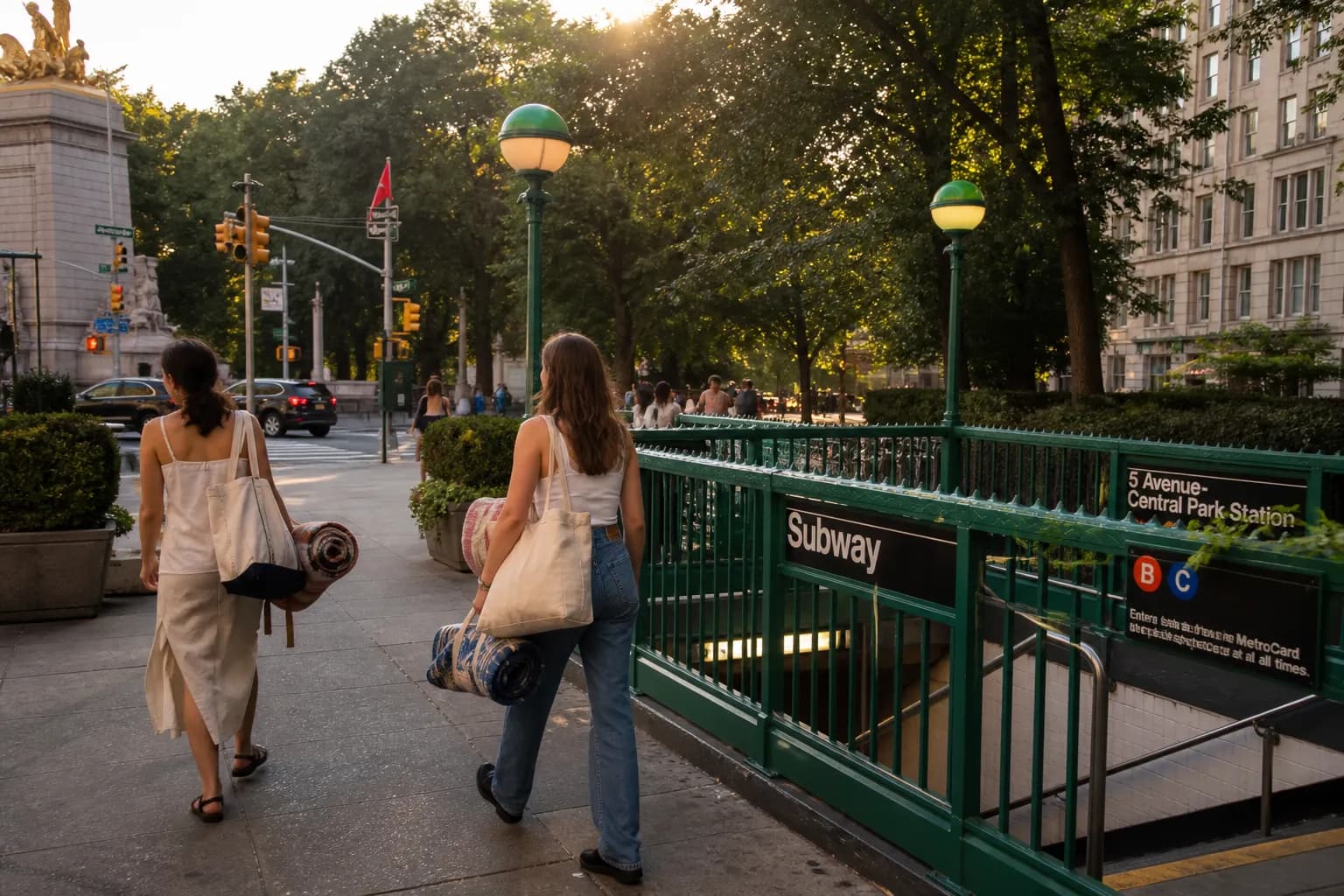
Hell's Kitchen bars cluster along Ninth and Tenth Avenues between 42nd and 57th Streets; take the A/C/E to 42nd Street–Port Authority or the N/R/W to 49th Street. Street parking is a fantasy; use a garage or the subway. In Astoria, the hockey-friendly spots line up near 30th Avenue and Steinway Street, accessible via the N/W to 30th Avenue or the M/R to Steinway Street. Most bars open by 4 p.m. on game days, but verify hours directly—holiday weekends and series schedule shifts can alter the plan. Interiors are rarely ADA-accessible beyond the ground-floor bar area; call ahead if stairs are a concern. Bring cash for faster service during rush periods, and a light jacket if you run cold—the air-conditioning is no joke.
Tags: #NYCHockey #RightOnTime #HellsKitchen #Astoria #NHLPlayoffs #SportsBarNYC #CanadiensHurricanes #PuckDrop #LateGames #QueensNightlife #ManhattanBars #PlayoffHockey #MayInNYC #HockeyNYC #BarScene
Sources consulted: Montreal Canadiens · Carolina Hurricanes · NHL Official Site · Time Out New York Bars · MTA Trip Planning
All trademarks are the property of their respective owners.