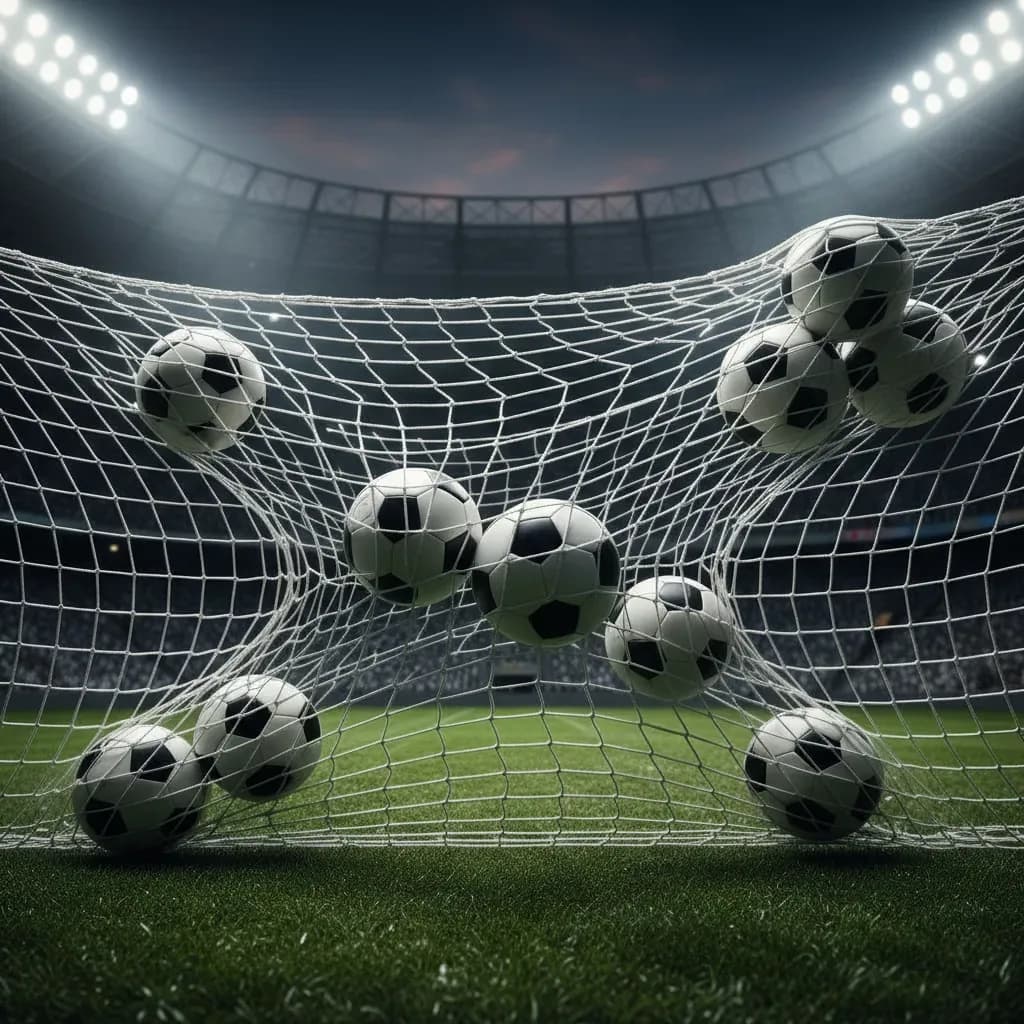
 Haaland Has Seven Goals and Norway Runs Entirely Through Him
⚽️2026 FIFA WORLD CUP
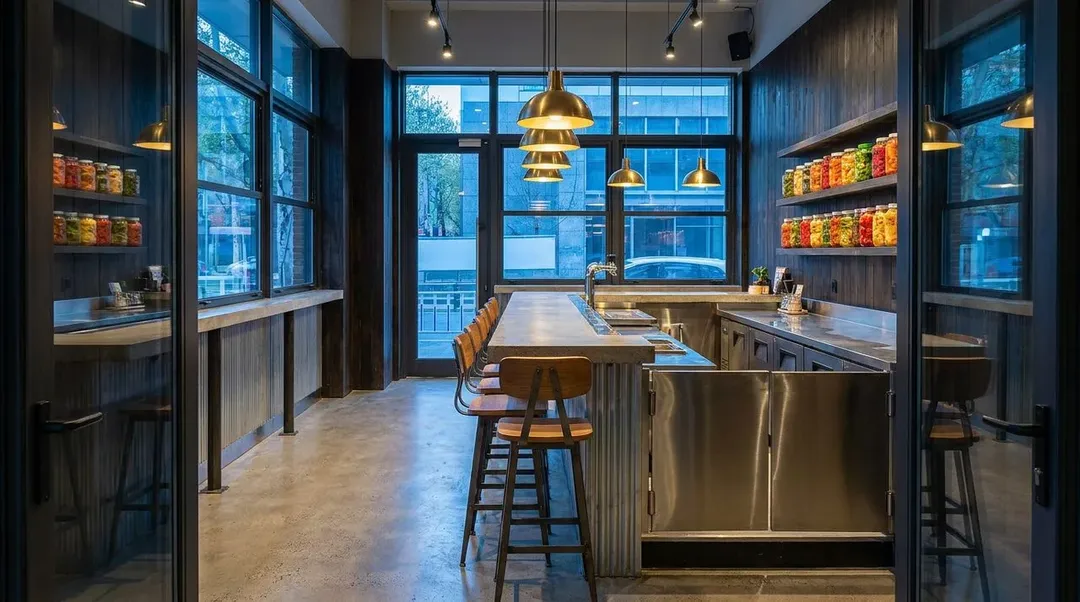
6 AM Bagel-and-Soju: NYC's Early-Bird Bars Tracking Korea World Cup Kickoffs
Where to catch 2026 World Cup Asia-region matches at dawn—from K-town karaoke lounges to Astoria bagel counters pulling double duty.
The 6 A.M. Kickoff Conundrum
When FIFA announced that the 2026 World Cup would span three host nations—USA, Canada, and Mexico—from June 11 through July 19, most American fans circled afternoon and evening slots on their calendars. But a quieter cohort immediately did the math on time zones: if an Asian confederation team plays a group-stage match in Vancouver at 3 p.m. local, that's a 6 p.m. Eastern start. Flip the scenario—a knockout round in Mexico City timed for Asian prime-time broadcast—and suddenly New Yorkers are looking at 6 a.m. alarms.
For the city's Korean, Japanese, Iranian, and broader Asian diaspora communities, these pre-dawn kickoffs are nothing new. Every four years the ritual repeats: pack a thermos, rally a carpool, and converge on the handful of establishments willing to unlock their doors before sunrise. What is new in 2026 is the tournament's proximity. No thirteen-hour flight to Qatar, no middle-of-the-night stream on a laptop. This time the trophy is a train ride away, and that proximity is galvanizing a fresh wave of venue owners to test the early-bird market.
K-Town's 24-Hour Anchors
Manhattan's Koreatown—loosely bounded by West 31st and West 36th, between Fifth and Sixth—has long been the gravitational center for Korea World Cup fervor. During the 2002 co-hosted tournament, entire blocks shut down at dawn as red-shirted crowds spilled onto the sidewalks. In 2026 the energy will be more contained but no less intense. Two karaoke-and-grub complexes on West 32nd Street have already confirmed they will keep at least one floor open around the clock during the group stage, provided Korea advances from the draw.
Expect soju by the bottle, pajeon and tteokbokki platters delivered between halves, and a house rule observed by veterans: no singing until after the final whistle. The unwritten code is that karaoke mics stay off and volume stays reasonable until the match concludes—then, win or lose, the room erupts. Managers have learned that a 6 a.m. crowd is smaller but far more invested than a Saturday-night party, and respecting that intensity keeps regulars coming back every four years.
Astoria's Bagel-Shop Gambit
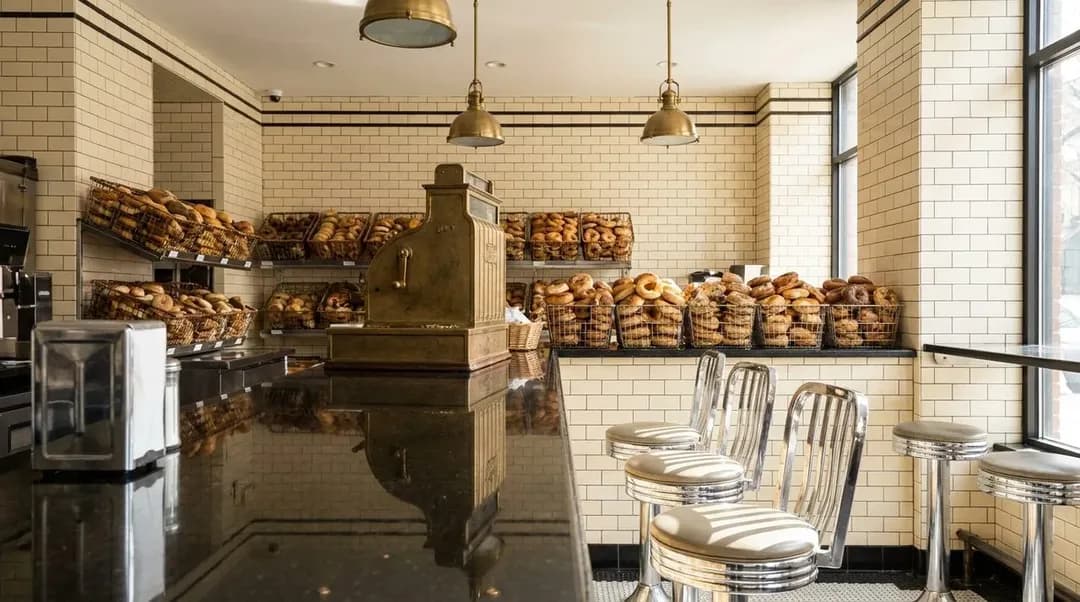
Astoria, Queens, has spent decades as NYC's soccer-bar laboratory—Greek, Brazilian, Colombian, and Egyptian communities have all claimed corners of the neighborhood for their own match-day rituals. For 2026, two bagel shops along 30th Avenue are experimenting with a hybrid model: open at 5:30 a.m. for the commuter breakfast rush, flip on the flatscreen by six, and let the World Cup crowd share tables with the construction crews grabbing coffee.
One shop near Steinway Street plans to stock Iranian and Japanese snack imports—dried persimmons, saffron rock candy, shrimp chips—alongside the usual schmear selection. The owner, whose family roots trace to Tehran, has been mapping Iran football's likely group opponents and expects a tight-knit crew of thirty to fifty fans for each 6 a.m. window. The appeal is less about spectacle and more about sanctuary: a place where cheering in Farsi or Japanese before sunrise feels natural, not intrusive.
Sunnyside's All-Night Korean Diners
A ten-minute walk south from Astoria, Sunnyside's stretch of Queens Boulevard hosts a trio of Korean diners that never close. These spots cater to night-shift nurses, cab drivers ending their routes, and insomniacs craving soft tofu stew at 4 a.m. During past World Cups they've become accidental viewing parties—staff would flip the channel, a handful of tables would coalesce around the screen, and by the second half the kitchen would send out complimentary kimchi pancakes.
In 2026 the plan is more deliberate. One diner near 46th Street has reserved its back room for tournament mornings, complete with a projector setup and a no-laptop policy to preserve the communal vibe. Regulars have already started a group chat to coordinate attendance, share ride-shares from deeper into Queens, and negotiate which matches warrant the early alarm. Korea's group-stage fixtures are locked in; Japan and Iran depend on the final draw, but the room will be ready either way.
The Unwritten Rules of Pre-Dawn Cheering
Veterans of early-morning World Cup viewing in NYC have developed an etiquette that newer fans would do well to observe. First: arrive ten minutes before kickoff, not at kickoff. Latecomers disrupt sight lines and the rhythm of a small room. Second: keep your phone on silent and conversation to a minimum during play. The crowd is there for the match, not networking. Third: if you're not ordering food or drink, leave a tip anyway—these venues are absorbing the cost of staffing and utilities at an hour when most competitors are dark.
Fourth: respect the emotional stakes. A 6 a.m. kickoff means someone has rearranged their sleep schedule, their commute, maybe their childcare. The room will swing between tense silence and explosive celebration, sometimes within seconds. If you're tagging along as a neutral, read the temperature and modulate accordingly. And fifth: if your team wins, buy a round for the room. If your team loses, stay for one drink anyway. The solidarity is the point.
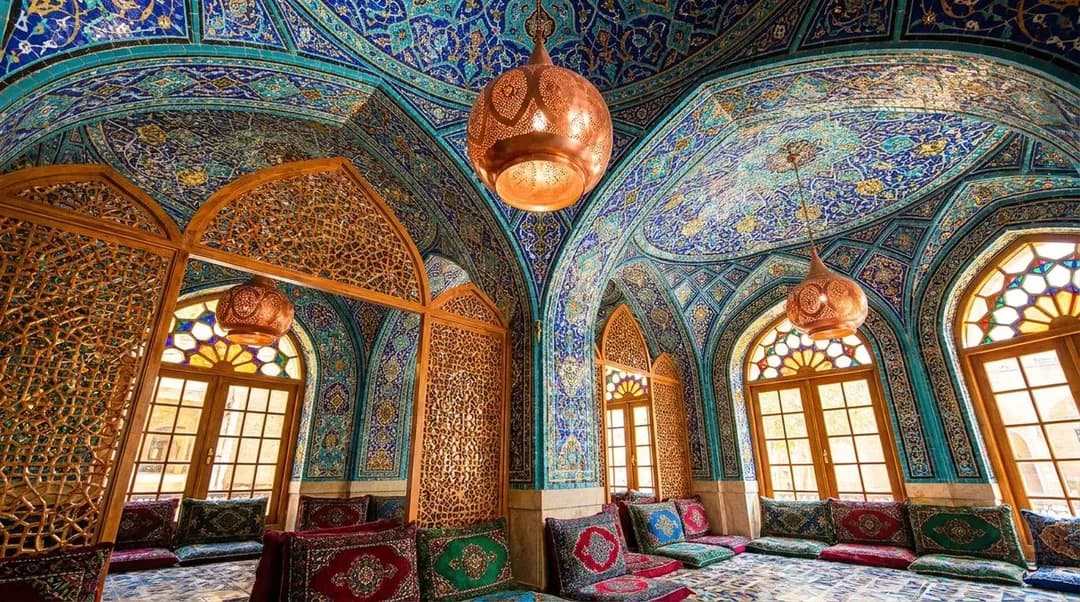
Practical Notes for the 2026 Morning Slots
FIFA's match schedule will be finalized in late 2025, but preliminary time-slot allocations suggest that group-stage matches involving Asian confederation teams playing on the West Coast or in Mexico could kick off as early as 6 a.m. Eastern, with some knockout rounds potentially starting at 5 a.m. if broadcasters push for Asian prime-time windows. That means the truly committed will be out the door by 5:15 a.m., navigating subway service that is still ramping up for the day.
- Check venue social media the night before—some spots confirm their opening only if a minimum headcount RSVPs.
- Bring cash; card readers can be glitchy in the pre-dawn hours, and tips smooth everything.
- Dress in layers; rooms can swing from chilly to packed and humid within twenty minutes.
- If you're driving, scout parking the weekend before—street cleaning and overnight restrictions vary by block.
- Plan a post-match exit strategy; the subway will be filling with commuters by 7:30 a.m., and hailing a cab in certain pockets of Queens remains a test of patience.
Why This Moment Matters
The 2026 World Cup represents the first time since 1994 that the tournament has touched American soil, and the first time ever that it will sprawl across sixteen cities in three countries. For New York's immigrant and diaspora communities, the stakes are both global and hyperlocal. A Korea World Cup run becomes a reason to reconnect with cousins in Seoul and strangers in Sunnyside. An Iran football upset becomes a headline back home and a high-five with the bagel-shop owner in Astoria. The match is the same ninety minutes broadcast everywhere, but the room you watch it in bends the experience into something unmistakably New York.
As May 2026 tips into June and the tournament's opening whistle nears, these early-morning venues will become laboratories of attention and belonging. The crowds will be small, the hour will be unkind, and the outcome will hinge on a penalty kick or a deflection in the 89th minute. But for those who set the alarm and make the trek, the 6 a.m. kickoff is not a scheduling inconvenience—it is the entire point. It is the wager that showing up, bleary-eyed and hopeful, in a room full of people who made the same wager, is its own form of victory.
All trademarks are the property of their respective owners.
Ask Karpo for more information.
Keep reading
- Haaland Has Seven Goals and Norway Runs Entirely Through Him
 World Cup Trophy Ceremony Timing Medals and Postmatch Celebrations
 Olise and France's Attack: The Semifinal Tactical Question