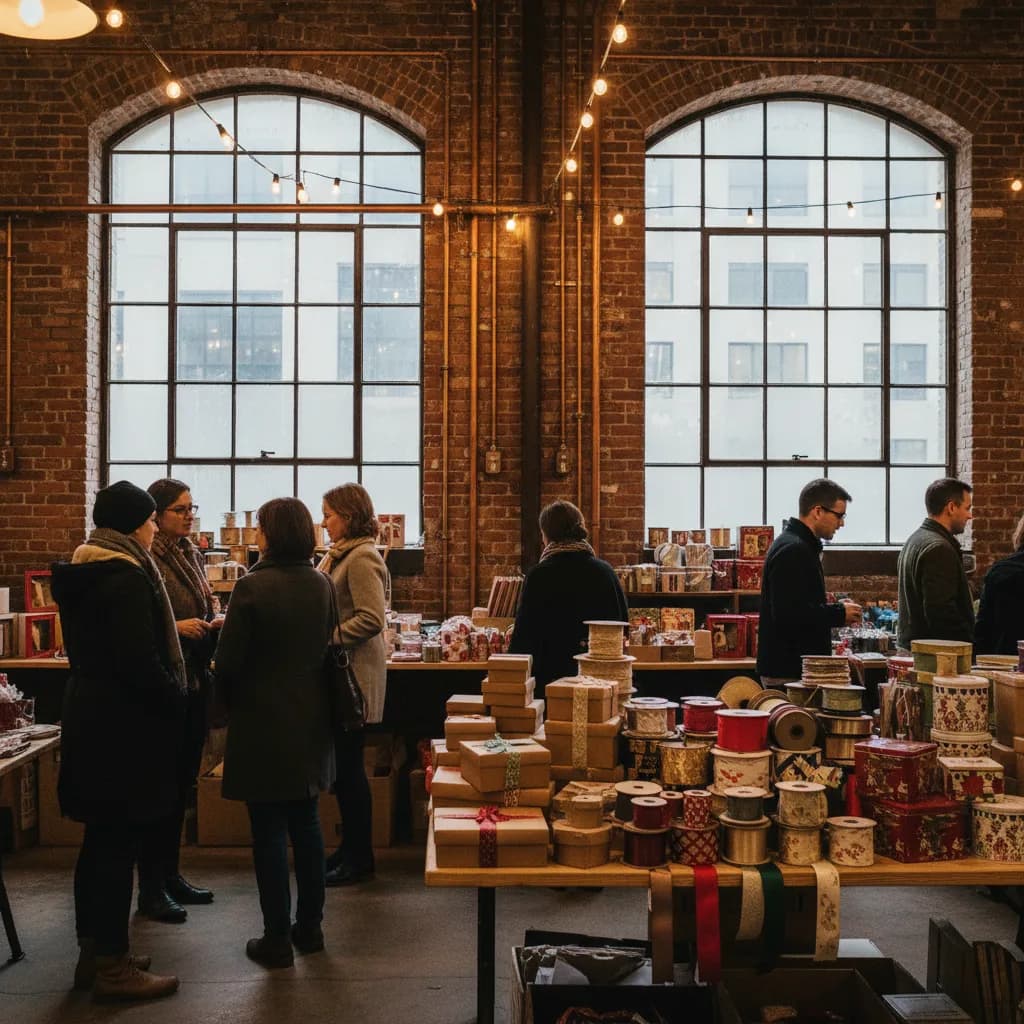
 Chelsea Holiday Baking Supply Shop Finder for Edible Gifts
Hidden Gems & Odd Finds
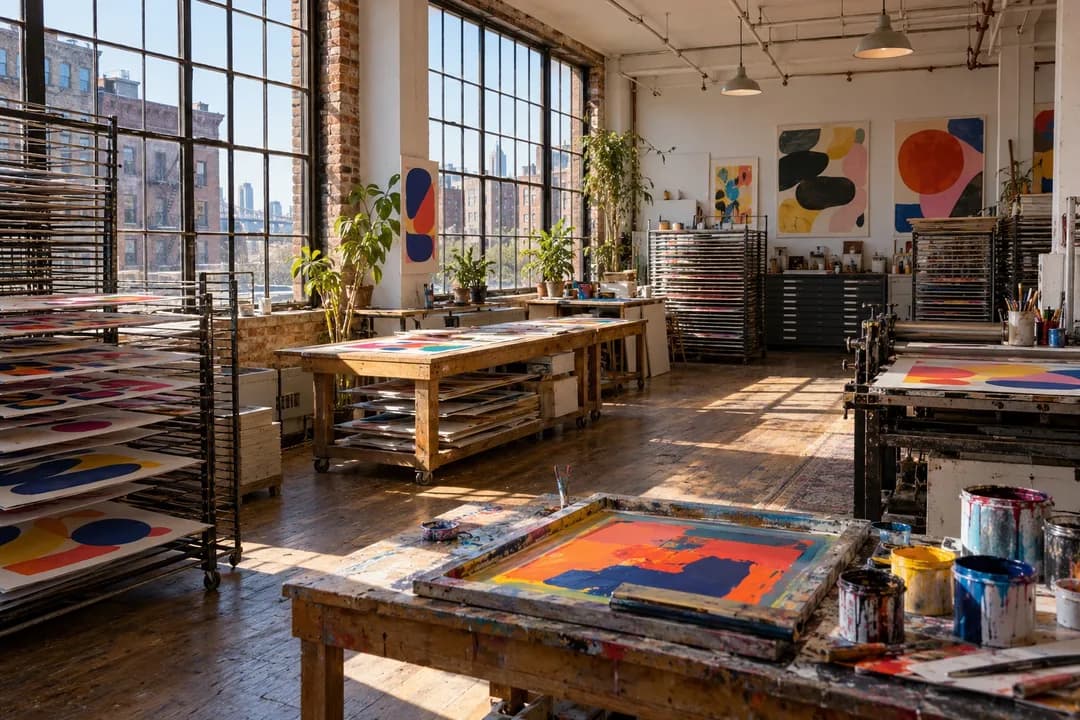
NYC Retro Graphic Print Shop Finds for Indie Poster Lovers
Discover independent screenprint editions and lithograph archives at historic Lower East Side printmakers crafting fine-art posters across New York.
The Lower East Side has long stood as an epicenter of graphic rebellion and collaborative printmaking in New York City. The Lower Eastside Printshop, established in 1968, remains an essential non-profit institution dedicated to expanding artistic print techniques for emerging and established painters, sculptors, and printmakers. For collectors seeking a retro graphic print shop experience steeped in authentic downtown heritage, this historic district offers unparalleled access to limited-edition screenprints, stone lithographs, and woodcuts. Exploring these studio archives reveals tactile artistry that digital reproductions simply cannot capture. Visitors arriving in the neighborhood can immerse themselves in working ateliers where heavy rag paper meets hand-mixed inks, creating lasting works of American graphic art.
History of Downtown Community Printmaking
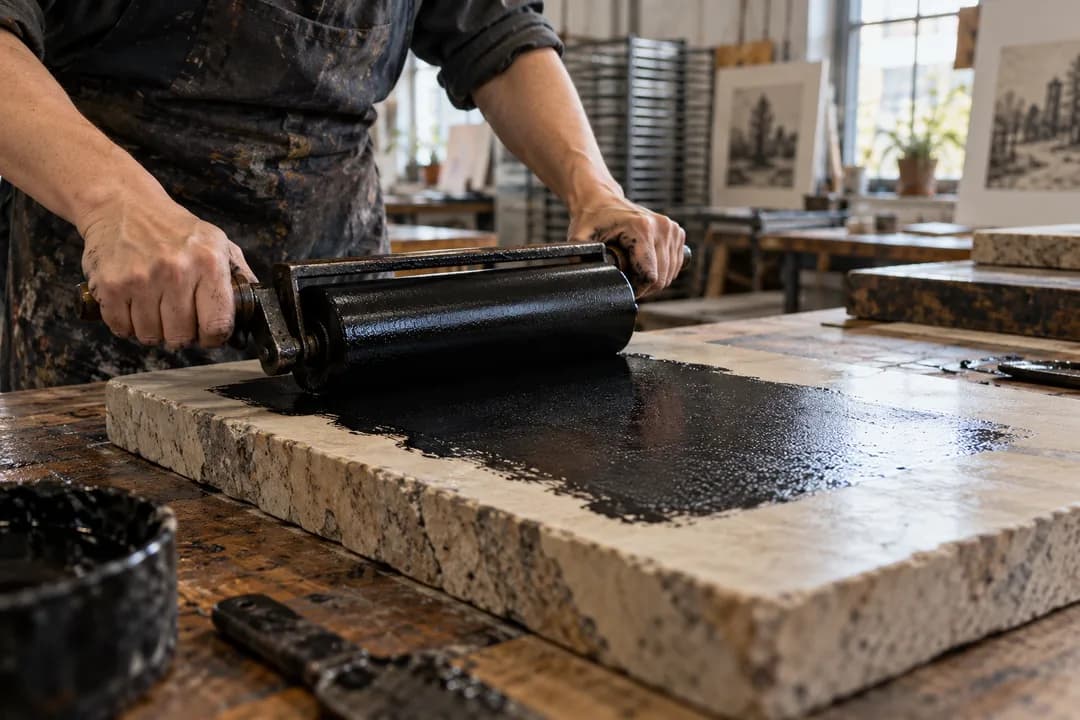
Lower East Side printmaking has deep roots in community activism and collaborative arts culture. When Eleanor Seibold founded the Lower Eastside Printshop in 1968, the intention was to provide open, non-profit workshop access to painters, sculptors, and graphic designers who lacked their own printing equipment. During the vibrant downtown boom of the late 1960s and 1970s, printmaking became a direct medium for cultural expression, street posters, and political broadsides. Artists worked shoulder to shoulder, inking screens and sharing knowledge across different artistic backgrounds. Over subsequent decades, that egalitarian workshop philosophy evolved into a nationally recognized print publishing residency, awarding fellowships to emerging printmakers and connecting them with master printers. For contemporary collectors seeking an authentic retro graphic print shop perspective, understanding this history reveals why Lower East Side prints carry such distinct graphic weight. Rather than mass-produced commercial posters, these editions represent deliberate, hand-pulled works where artist experimentation and technical precision meet on the page.
Hand-Pulled Screenprinting and Stone Lithography
The technical discipline required for traditional hand-pulled printing remains evident in every finished edition. In screenprinting, artists create stencils on fine polyester mesh, applying squeegees by hand across massive vacuum tables to force specialized acrylic ink through exposed apertures onto paper. Each color layer requires a distinct screen, precise registration marks, and careful drying time before the next hue is laid down. Stone lithography demands an even more rigorous chemistry, utilizing heavy Bavarian limestone slabs ground down to an ultra-flat surface with carborundum grit. The artist draws directly onto the stone using greasy lithographic crayons or tusche washes. The stone is then chemically etched with a delicate mixture of gum arabic and nitric acid, establishing oil-receptive and water-receptive zones. When wet with a damp sponge and rolled with dense black ink, only the greasy drawing accepts the pigment. Heavy archival paper like Coventry Rag or Somerset 300 gsm absorbs the rich ink under intense cylinder pressure, yielding deep velvety tones that digital printers cannot match.
Navigating Studio Flat Files and Print Editions
Visiting a fine-art print publisher offers collectors the chance to inspect studio flat files containing decades of archival editions. When examining these graphic works, look closely at the lower margin beneath the image area. Traditional printmakers sign their works in pencil, noting the edition number, title, year of production, and sometimes the studio's embossed chop mark stamped into the paper corner. An edition marked 12/50 indicates the twelfth impression pulled from a strictly limited run of fifty prints. You may also encounter prints marked AP for Artist Proof, PP for Printer Proof, or BAT for Bon a Tirer, which serves as the master approval standard for the entire edition. Unlike commercial offset reprints, hand-pulled limited editions maintain strict quality control, and the screens or stones are permanently canceled once the designated edition is complete. Examining paper textures, deckled torn edges, and the microscopic tactile raise of the ink film allows collectors to confirm genuine handmade provenance.
Archival Framing and Poster Preservation Advice
Preserving fine-art screenprints and graphic broadsides requires proper archival handling from the moment you acquire an impression. Never dry-mount a limited-edition art print to cardboard or foamcore, as heat-activated adhesives cause irreversible damage and destroy collector value. Instead, use museum-grade conservation mounting with acid-free Japanese paper hinges attached with wheat starch paste. The mat board must be 100 percent cotton rag, buffered to a neutral pH to prevent acidic burn lines from yellowing the paper edges over time. It is essential to ensure that the framing glass does not touch the surface of the print; a mat window or frame spacer creates necessary air circulation and prevents ink from adhering to the glazing in humid weather. Opt for conservation clear acrylic or museum glass that blocks at least 99 percent of harmful ultraviolet radiation. Even light-fast screenprint pigments will gradually shift if displayed under direct sun or harsh fluorescent illumination.
Orchard and Ludlow Street Independent Galleries
After exploring printmaking studio archives, spend time walking the surrounding blocks of the Lower East Side to experience the neighborhood's enduring visual arts community. Stroll along Orchard Street and Ludlow Street, where historic tenement storefronts now house cutting-edge contemporary art galleries, indie bookshops, and specialized graphic design spaces. You can pause at local independent coffee counters and neighborhood bakeries to examine your gallery maps and discuss print acquisitions. The visual contrast between vintage brick facades, external fire escapes, and crisp modern gallery windows reflects the layered cultural history of the district. Many of the small storefront galleries regularly showcase works on paper, editioned artist books, and experimental risograph publications produced by local Brooklyn and Manhattan artists. This dense concentration of creative spaces makes the neighborhood an ideal walking route for anyone who values tactile craft, independent publishing, and New York print culture.
Planning Your Lower East Side Print Exploration
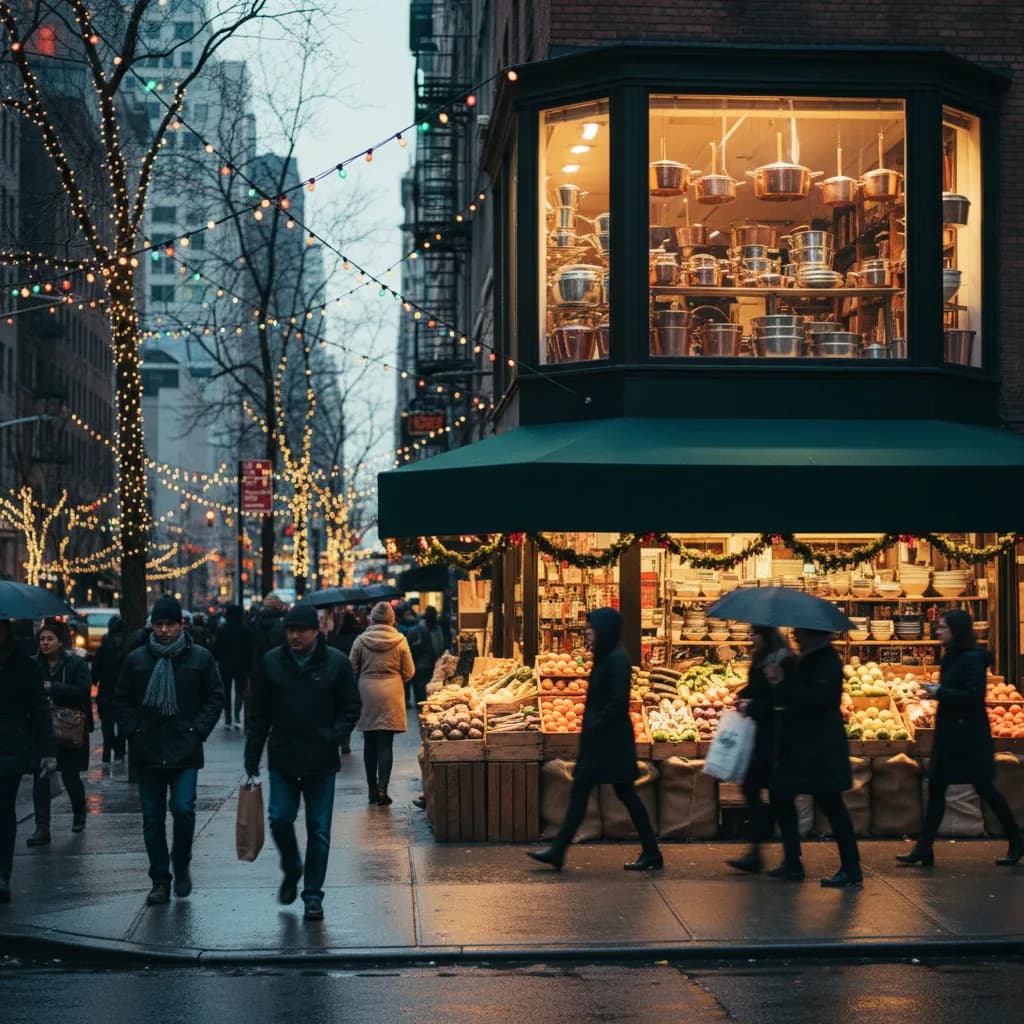
Set aside a relaxed half day to immerse yourself in the creative history and paper craft of the neighborhood. Arrive easily via the Delancey Street–Essex Street subway complex or the East Broadway station, giving yourself ample time to walk without a hurried schedule. Because many professional printmaking ateliers operate primarily as working production studios, their public flat-file viewing hours or gallery exhibitions follow specific calendar schedules that can shift around active artist residency projects. In the Karpo APP, travelers and art collectors can input their preferred neighborhood, printmaking medium, collection budget, and aesthetic interests to discover independent paper studios, artisan bookshops, and curated gallery routes across New York City. The images accompanying this guide are AI-generated illustrations created to capture the workshop atmosphere and should not be taken as exact photographs of current studio interiors.
Ask Karpo for more information.
Keep reading
- Chelsea Holiday Baking Supply Shop Finder for Edible Gifts
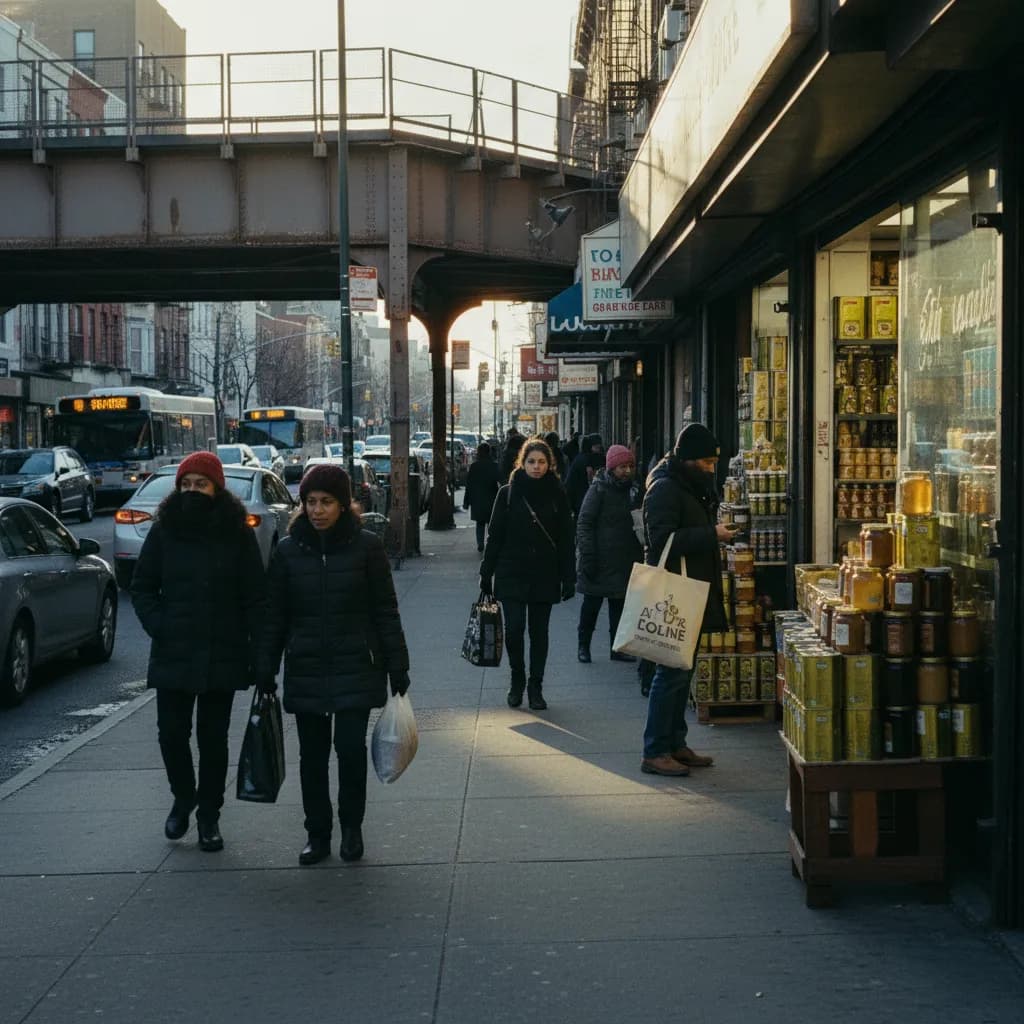 Astoria Holiday Baking Supply Shop Finder for Greek Honey
 Upper West Side Holiday Baking Supply Shop Finder: Tiny Pans