 Chelsea Consignment Shop Crawl Planner for Your First Studio
Hidden Gems & Odd Finds
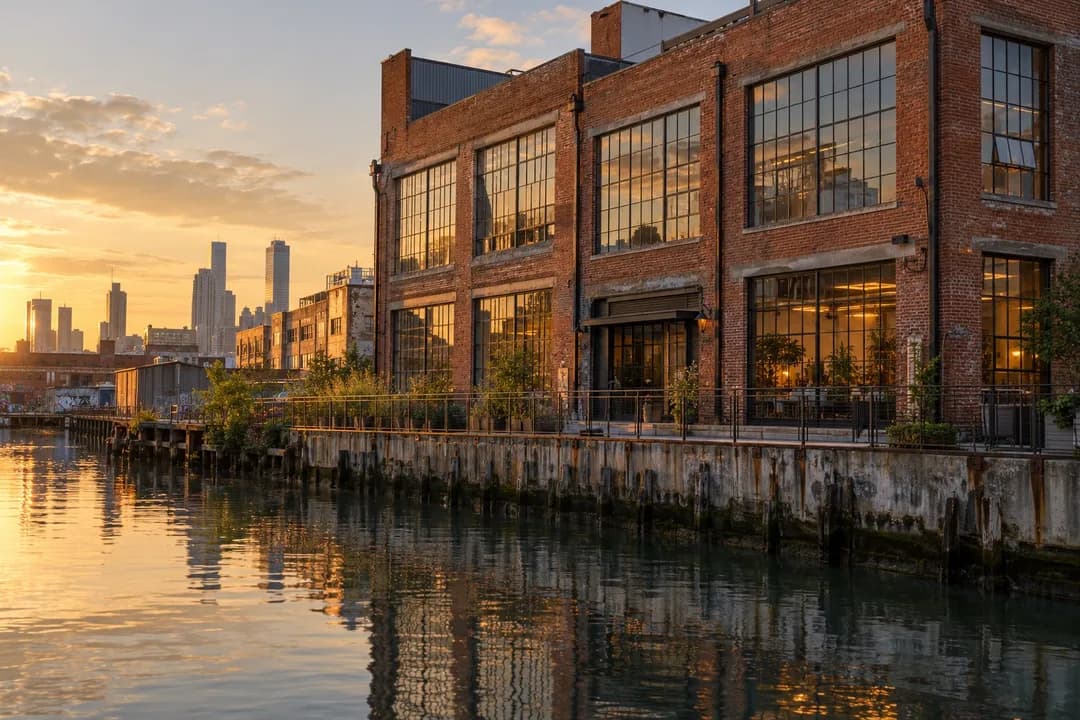
Gowanus Retro Graphic Print Shop Route for DIY Poster Fans
Plan your DIY silkscreen poster run and graphic apparel printing session at Gowanus creative print labs inside industrial brick workshops in Brooklyn.
Along the historic banks of the Gowanus Canal, industrial brick warehouses have long provided the ideal environment for Brooklyn's thriving DIY screenprint scene. Creative print labs and community-access workshops in Gowanus allow independent illustrators, band poster designers, and graphic artists to coat screens, mix custom inks, and pull limited poster runs by hand. For collectors and makers searching for an authentic retro graphic print shop experience, this neighborhood offers hands-on engagement with squeegees, exposure darkrooms, and heavy archival paper. Exploring Gowanus connects visitors to a living subculture of graphic poster production where craftsmanship and countercultural art meet. Between raw masonry walls and drying racks heavy with fresh ink, this canal enclave keeps the physical craft of independent poster printing alive and accessible.
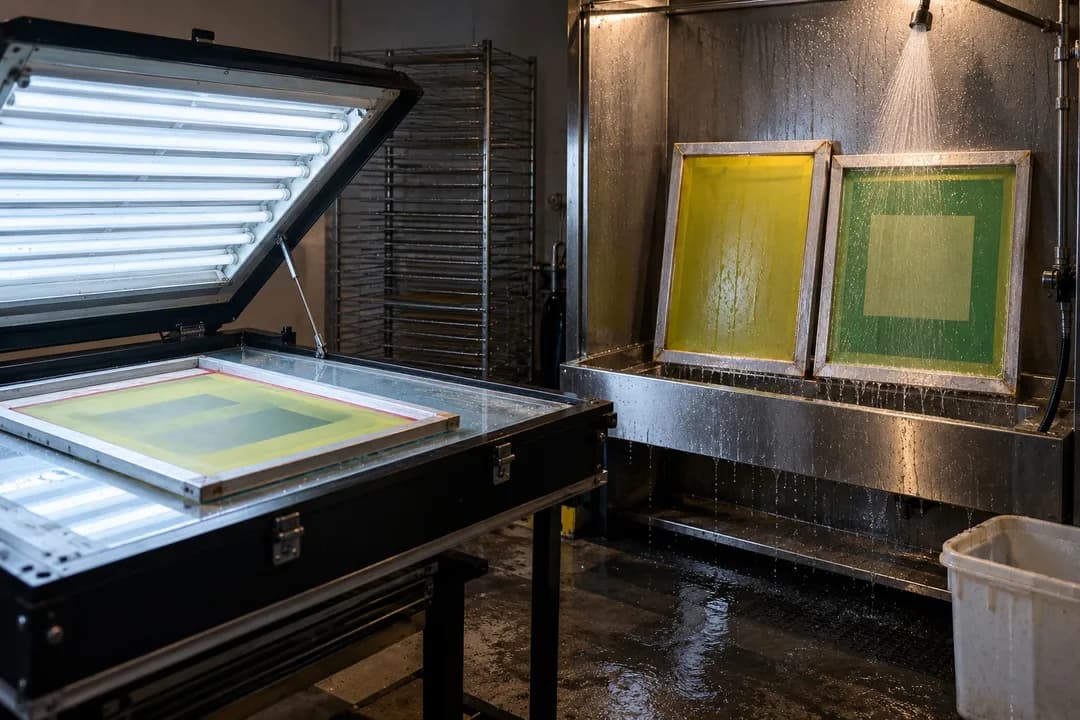
Gowanus Canal and Independent Maker Culture
The Gowanus neighborhood in Brooklyn occupies a unique position in New York City's artistic landscape. Flanked by historic brownstone neighborhoods like Park Slope and Carroll Gardens, the low-rise industrial corridor surrounding the Gowanus Canal has long provided flexible warehouse space for painters, sculptors, and graphic printmakers. Historically home to maritime coal yards, paint manufacturing plants, and machine shops, these nineteenth-century brick buildings feature exposed timber beams, skylights, and heavy concrete slabs ideal for messy, solvent-friendly industrial crafts. Over the past two decades, community-oriented screenprinting labs established open-access facilities here, allowing independent illustrators, band merchandisers, and print students to rent press time and produce short-run graphic editions without investing in thousands of dollars of personal equipment. This open-door ethos transformed Gowanus into a vibrant center for poster art, graphic apparel, and print experiments where emerging artists hone their craft alongside seasoned studio technicians.
Darkrooms, Photo Emulsion, and Screen Burning
At the heart of any community screenprint lab is the photo emulsion darkroom. The process of burning an image into a screen requires careful attention to light exposure and chemical washing. Printers start by degreasing a high-tension aluminum screen frame and drying it completely. In a dimly lit yellow-safe room, liquid diazo photo emulsion is smoothly scooped onto both sides of the mesh with an emulsion coater to create an even, light-sensitive coating. Once dry, the artist's high-contrast black graphic film positive is aligned against the screen on an exposure vacuum bed. Powerful metal-halide lamps expose the screen, hardening the emulsion everywhere except where the black artwork blocks the light. In the washout booth, pressurized water dissolves the unexposed emulsion, revealing a clean, razor-sharp stencil through which ink can be pressed onto paper. Inspecting the wet stencil on a light table ensures that fine halftones and line weights have cleared cleanly. Once washed and dried, the screen borders are taped with solvent-resistant packing tape to prevent rogue ink from escaping during press runs.
Squeegee Pressure, Inks, and Color Layering
The actual printing phase demands physical rhythm, ergonomic control, and color sensitivity. Working on manual hinge-clamp print stations, the printer clamps the screen into position and floods the mesh with ink using a light forward stroke. The impression pass requires placing a firm rubber squeegee at an angle of roughly seventy-five degrees, pulling smoothly across the stencil with consistent downward pressure. Squeegee durometer is critical; a seventy-durometer rubber blade provides the optimal balance of stiffness and flexibility for graphic art prints on paper. High-pigment water-based acrylic inks are preferred for paper poster runs, providing flat, matte finishes with rich color opacity that will not crack or yellow over time. When layering multiple colors, printers allow each ink pass to air dry or use flash cure units between layers. Careful registration tape guides ensure that subsequent colors land exactly where intended on the paper sheet. Testing initial impressions on inexpensive newsprint proofing paper allows the printer to dial in squeegee pressure before committing valuable archival sheets to the run.
Small-Batch Printing for Indie Bands and Illustrators
The DIY print culture in Gowanus thrives on small-batch production, where runs of fifty to one hundred posters represent the sweet spot for independent creators. Whether printing tour posters for indie rock bands, promotional broadsides for gallery openings, or limited art prints for graphic novels, short runs allow artists to experiment freely with unusual paper stocks and custom ink mixing. High-end paper selections like French Paper Speckletone or heavy archival bristol board add character and weight to graphic designs. Many printmakers intentionally incorporate off-register color overlapping, visible halftone dot patterns, and distressed vintage typography to cultivate an authentic retro graphic print shop aesthetic. This tactile approach stands in stark contrast to digital uniformity, providing fans and collectors with tangible, handmade art objects that reflect the physical labor of the printmaker. Each signed and numbered poster carries the spirit of independent Brooklyn publishing into living rooms and gallery collections.
Exploring the Industrial Gowanus Canal Corridor
Taking a printing break or concluding a studio session offers a great opportunity to explore the industrial charm of the Gowanus corridor. Wander across the historic Carroll Street bridge, one of the oldest surviving retractable bridges in the United States, or view the canal's moody reflections from the Union Street bridge. The surrounding blocks feature converted brick industrial properties hosting specialty coffee roasters, craft bakeries, community pottery studios, and bouldering facilities. Street art murals cover many factory walls, showcasing dynamic graphic styles that mirror the screenprint posters produced inside nearby workshops. Small music venues and experimental performance spaces also dot the canal basin, reflecting the deep connection between local visual artists and Brooklyn's independent music scenes. This creative density makes Gowanus an inspiring neighborhood to spend an afternoon observing the intersection of historic industrial brickwork and contemporary community arts.
Crafting Your DIY Print Schedule with Karpo
To plan a successful day of printmaking or studio touring in Gowanus, allow yourself enough time for preparation, printing, and paper drying. The neighborhood is conveniently reached via the F and G subway lines stopping at Carroll Street or Fourth Avenue–Ninth Street. Open-access print labs and community workshops often require safety orientations or advance bench reservations before allowing printers to use exposure darkrooms and printing stations. Arriving with pre-registered film positives and sized paper stock helps streamline your press hours and ensures efficient workflow. In the Karpo APP, creators and art collectors can compare neighborhood craft hubs, identify printmaking workshops, and map creative excursions across Brooklyn. The two visual illustrations included in this guide are AI-generated depictions intended to convey the atmosphere of a Brooklyn print lab, rather than literal photographs of specific workshop facilities.
Ask Karpo for more information.
Keep reading
- Chelsea Consignment Shop Crawl Planner for Your First Studio
 East Village Consignment Shop Crawl Planner: Leather Jackets
 Harlem Consignment Shop Crawl Planner for a Jazz Night Look