 SoHo Stationery Shop Gift Picker for a New Job Desk
Hidden Gems & Odd Finds
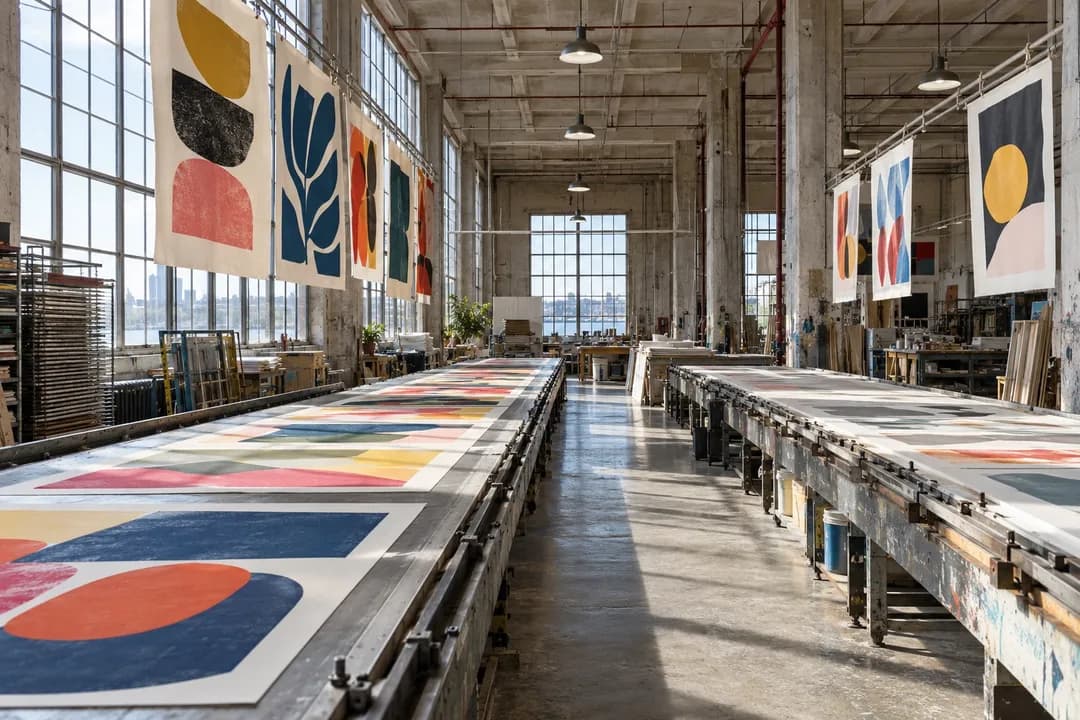
Brooklyn Retro Graphic Print Shop Guide for Silkscreen Fans
Source limited-edition silkscreen art and graphic gig posters at creative print studios located inside Sunset Park industrial spaces along Brooklyn harbor.
Along the deepwater docks of Sunset Park, the historic Brooklyn Army Terminal has transformed from a military supply depot into one of New York's most dynamic creative printmaking hubs. The complex's massive industrial footprint provides artists and print collectives with the expansive square footage required to operate large-format silkscreen tables, industrial exposure units, and archival drying racks. For collectors searching for an authentic retro graphic print shop atmosphere, these waterfront studios offer access to limited-edition concert posters, multi-color serigraphs, and activist broadsides pulled by hand. Exploring Sunset Park reveals the raw industrial energy and meticulous technical dedication that define modern Brooklyn print culture. From soaring concrete atriums to quiet flat-file rooms, this harbor complex preserves the living craft of manual editioning in an era of digital screens.
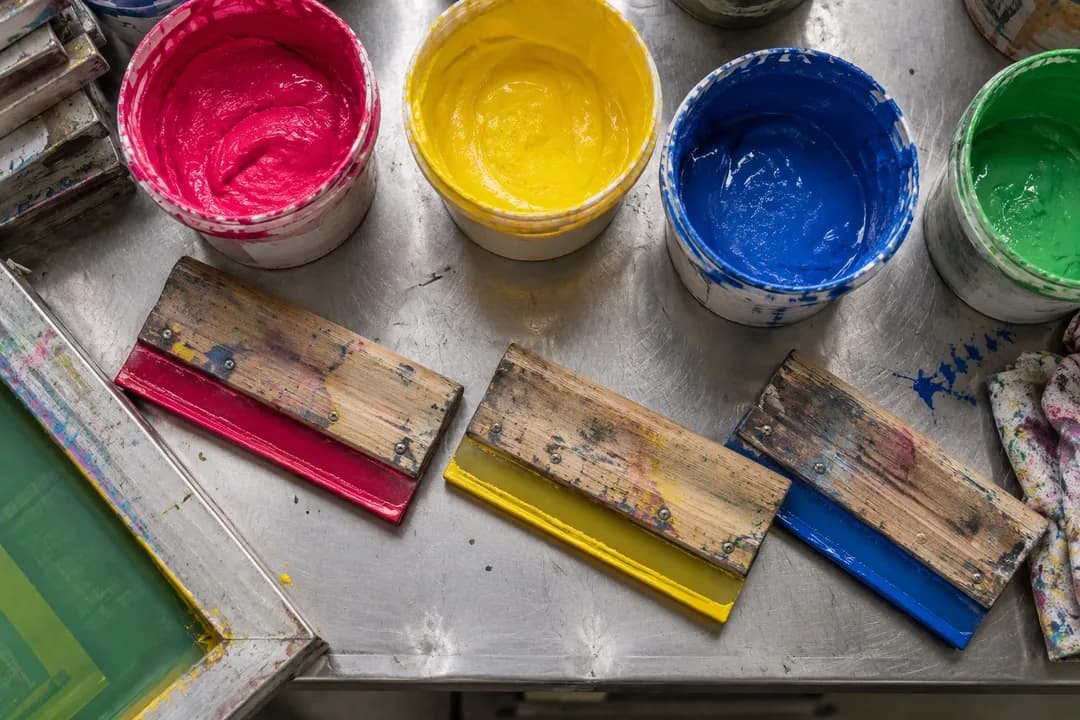
Industrial Architecture of Brooklyn Army Terminal
Sunset Park's Brooklyn Army Terminal represents one of the most magnificent examples of early twentieth-century industrial architecture in New York City. Designed by famed architect Cass Gilbert and completed in 1918, the massive concrete facility was constructed as a military supply base and troop deployment terminal during the First World War. Today, the complex has been repurposed by the City of New York as a premier manufacturing and creative arts hub. Inside its sprawling multi-story buildings, vast open lofts with floor-to-ceiling windows now house independent printmakers, textile designers, and large-format screenprint studios. The sheer scale of the architecture, featuring internal railway atriums where freight cars once loaded cargo directly onto cantilevered balconies, provides an inspiring backdrop for contemporary artists producing large graphic prints and limited poster editions. Massive reinforced concrete columns and industrial freight elevators allow printmakers to move heavy paper skids and oversized vacuum tables that standard commercial buildings could never accommodate. Natural northern daylight streams through expansive steel-sash industrial windows, giving printers the balanced illumination required to mix subtle color formulas with exacting accuracy.
Large-Format Vacuum Tables and Screen Mesh Prep
Producing oversized silkscreen posters requires specialized equipment and rigorous technical discipline that small home studios cannot accommodate. Within the industrial ateliers of the Brooklyn Army Terminal, printmakers utilize vacuum printing tables stretching over sixty inches in width. These tables feature microscopic surface perforations connected to high-powered vacuum pumps, holding heavy sheets of paper immovably flat during squeegee strokes to ensure perfect color registration across multiple layers. The preparation process begins in dedicated darkroom washout booths, where artists degrease monofilament polyester screens with mesh counts ranging from 180 to 305 threads per inch. Liquid photo emulsion is applied with precision scoop coaters, dried in light-safe cabinets, and exposed to intense ultraviolet light to burn intricate graphic artwork into the stencil before printing commences. High-tension aluminum frames maintain uniform fabric tautness, preventing stencil distortion across long print runs. Experienced technicians carefully balance screen tension, off-contact clearance, and squeegee pressure so that fine photographic halftones and razor-thin line art reproduce without bleeding or mottling on the paper surface.
Split-Fountain Gradients and Gig Poster Culture
Among the most celebrated techniques practiced in Brooklyn screenprint studios is the split-fountain roll, often referred to by printers as a rainbow blend. Rather than laying down a single solid ink color, the printer places two or three complementary hues side by side across the ink well of the screen. As the squeegee is pulled across the mesh during successive passes, the inks blend smoothly along their boundaries, producing a seamless, continuous-tone gradient. This technique was made famous during the golden era of rock concert posters and graphic art broadsides from the 1960s to the 1990s. When executed by an experienced printer, a split-fountain layer creates luminous sunsets, psychedelic color transitions, and vibrant backgrounds that give limited-edition gig posters and fine-art prints their distinctive retro graphic appeal. Master printers carefully control blade angle and stroke speed to ensure gradient consistency throughout the entire edition. Each print in a split-fountain run possesses minor organic variations, making every numbered impression a one-of-a-kind artifact of physical print choreography.
Curating and Storing Large-Format Graphic Prints
Collectors acquiring oversized screenprints from industrial studios must take specific precautions to protect their investments during transit and long-term storage. Large screenprint sheets should never be tightly rolled into narrow cardboard mailing tubes for extended periods, as heavy pigment deposits can develop micro-cracks along the ink film when bent. Whenever possible, transport prints flat between rigid sheets of archival foamcore or heavy corrugated plastic. For home storage, invest in heavy steel flat-file drawers or acid-free artist presentation portfolios. Interleave each print with neutral-pH glassine paper or unbuffered acid-free tissue to prevent ink from scuffing against adjacent sheets. If an oversized print must be temporarily rolled for travel, use a wide-diameter tube of at least four to six inches, rolling the print with the printed image facing outward to minimize surface tension on the ink layer. Maintain a stable indoor environment away from radiator heat and excess moisture, ensuring the paper fibers remain flat and resilient over decades.
Sunset Park Waterfront and Industrial Piers
Exploring the Brooklyn Army Terminal offers a fantastic entry point into the vibrant neighborhood of Sunset Park. After touring studio spaces and browsing print racks, step outside onto the terminal's historic waterfront pier. The open pier extends far into Upper New York Bay, providing sweeping panoramic views of the Lower Manhattan skyline, Governors Island, and the Statue of Liberty. You can catch the NYC Ferry at the terminal dock, which connects directly to Wall Street, DUMBO, and Rockaway. For a cultural and culinary diversion, walk inland toward Fifth Avenue and Eighth Avenue, where Sunset Park boasts outstanding international food corridors featuring authentic dim sum tea parlors, Mexican taquerias, and traditional bakeries that reflect the rich cultural fabric of this bustling Brooklyn enclave. Walking along the waterfront allows visitors to appreciate the maritime scale of Brooklyn's industrial shoreline, where active tugboats and cargo vessels still glide past historic rail yards.
Planning Your Brooklyn Studio Visit with Karpo
To plan a productive studio tour at the Brooklyn Army Terminal, schedule your visit during scheduled open studio weekends, gallery exhibitions, or pre-arranged artist appointments. The complex is accessible via the N and R subway lines stopping at 59th Street in Brooklyn, followed by a short walk toward the harbor along 58th Street. Visitors should dress in comfortable walking shoes, as the expansive corridors and waterfront aprons cover significant ground. Because these studios are active industrial fabrication facilities with moving equipment and chemical washout areas, visitors should remain attentive to posted safety instructions. In the Karpo APP, art collectors and urban explorers can specify their preferences for industrial makerspaces, print mediums, and harbor viewpoints to construct efficient creative itineraries across Brooklyn. The two visual images included with this article are AI-generated illustrations intended to depict industrial screenprinting environments, rather than exact representations of current studio spaces or available inventory.
Ask Karpo for more information.
Keep reading
- SoHo Stationery Shop Gift Picker for a New Job Desk
 SoHo Consignment Shop Crawl Planner: Designer Handbag Checks
 Williamsburg Stationery Shop Gift Picker for Office Swaps