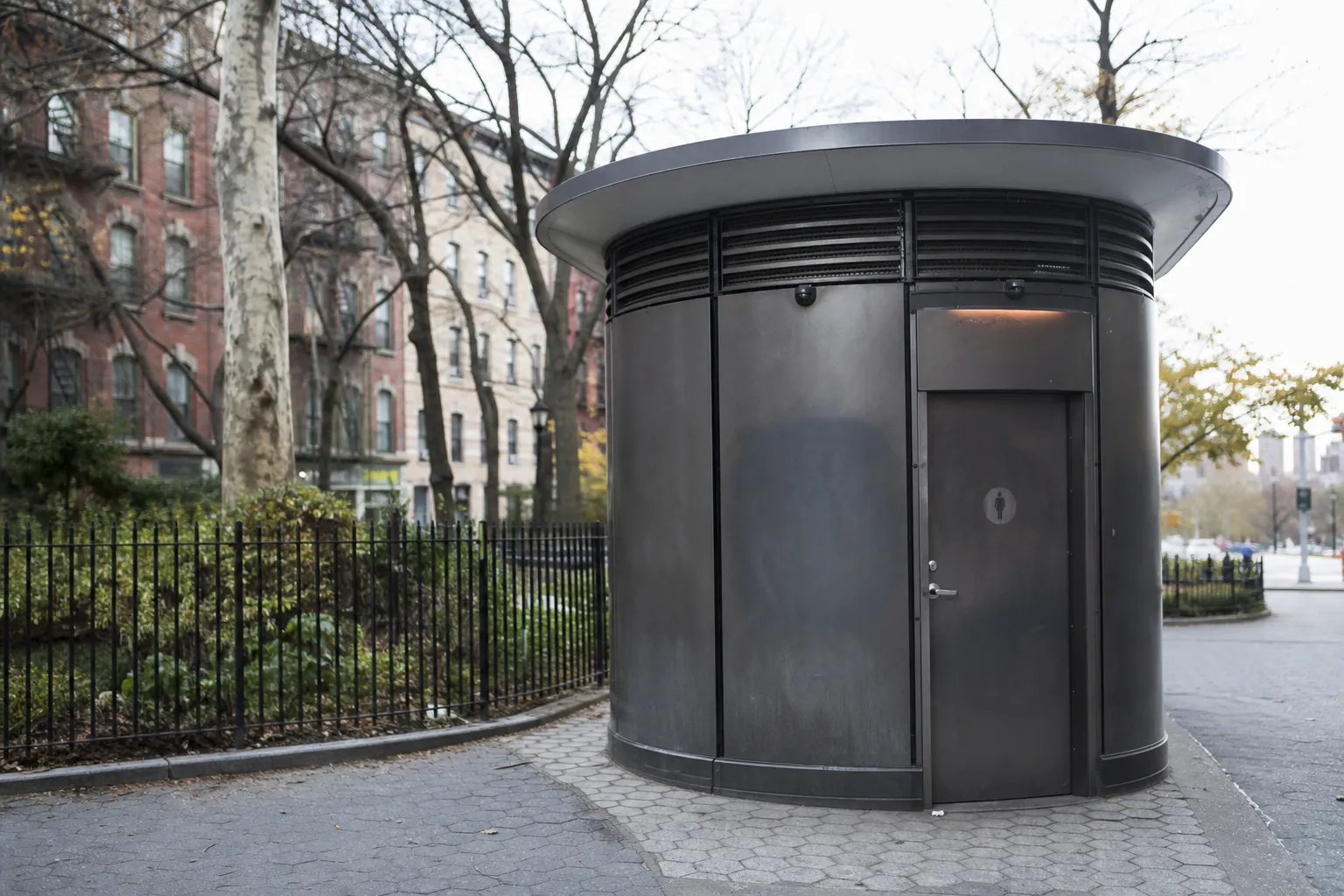
When you type "restrooms near me" in NYC, the first result is not always the right one. The city changes by block: a restroom that exists on a map may be behind security, closed for cleaning, or harder to reach than it looks. Before you start walking, check live details in a map app, recent user notes, and current transit alerts. Look for clues such as recent photos, mentions of cleanliness, step-free access, or comments about long lines. If the listing is vague, treat it as a maybe, not a plan. In a city this dense, the best restroom is the one you can confirm now, not the one that sounded convenient yesterday.
Check the live map, choose your backup, and head out with a plan.
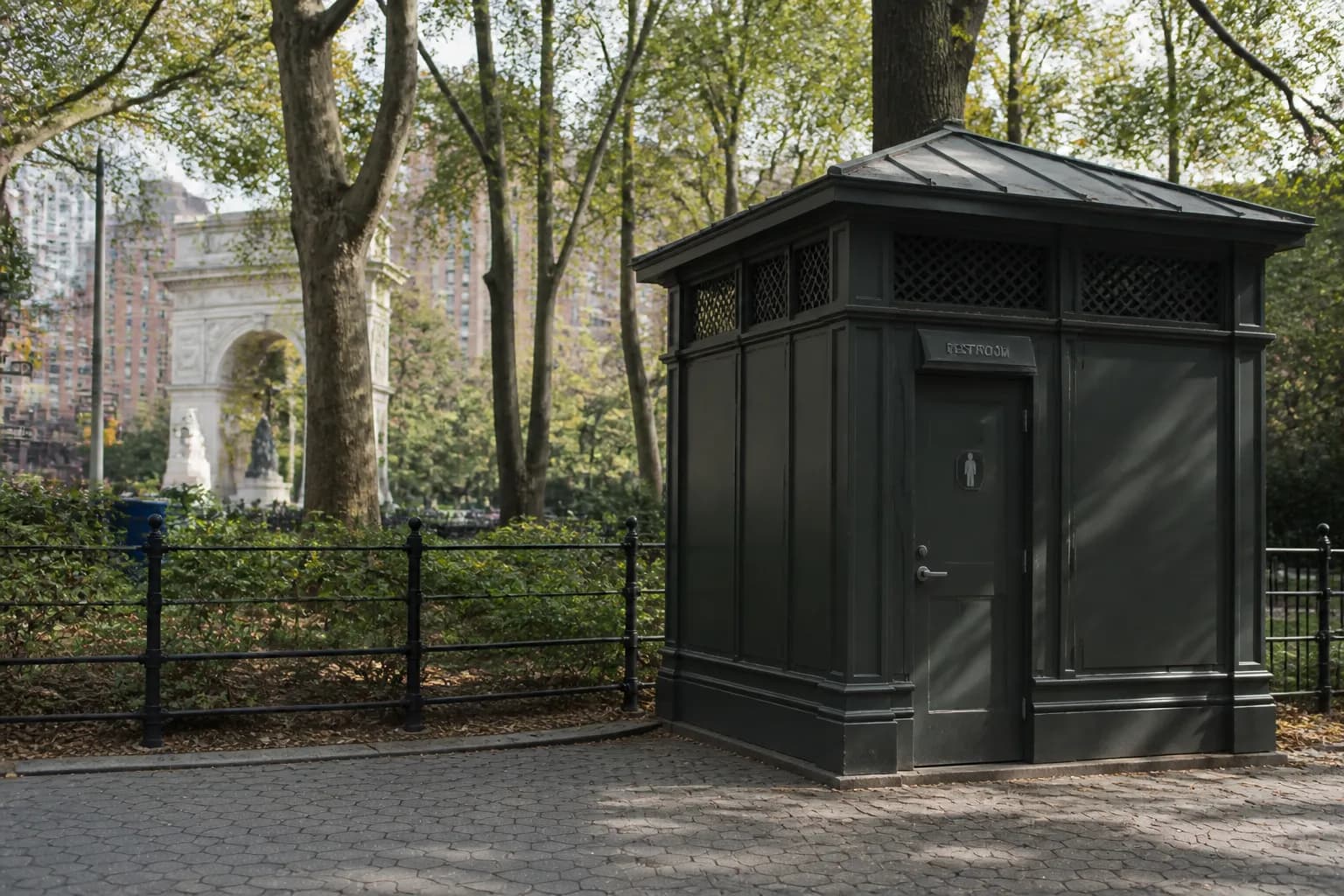
Search with your neighborhood, not just the city name. "Restrooms near me" is broad, but "restrooms near me Midtown East" or "public bathroom near me Downtown Brooklyn" gives you a better pattern of results. Favor places that are naturally open to the public during the day: transit hubs, libraries, civic buildings, major retail corridors, museums, large parks, and some food courts. If you are already on the move, check whether the place is actually in your direction instead of forcing a detour across several blocks. In NYC, the best decision is often the one that keeps you near your route, near a main avenue, and away from dead-end side streets.
Timing matters more than most people expect
In NYC, bathroom availability changes with the daily rhythm of the city. Early morning can be easier in places that open with the workday, while commuter peaks can make transit restrooms and station-adjacent options busier. Around lunch, lines can build near office districts, tourist corridors, and major subway connections. Late afternoon and early evening often bring another wave of demand as commuters, shoppers, and families all move at once. If you have flexibility, aim for the quiet edge of these rushes rather than the middle of them. Ten minutes earlier or later can make a real difference.
Weather changes the timing too. Rain pushes more people indoors and makes public spaces feel crowded faster. Heat increases urgency and also increases competition for the same air-conditioned buildings. Cold weather changes walking behavior: people cut their outdoor time short, which means restrooms near station entrances, busy retail streets, and indoor public buildings can fill up quickly. After major events, holiday periods, or transit delays, expect a temporary surge in demand. The practical move is simple: if your need is urgent, do not gamble on a single option. Pick one likely place and one backup before you start walking.
Use neighborhood logic to narrow the search
NYC is not one restroom pattern. Manhattan often gives you the highest density of possible options, but that does not mean the easiest access. Midtown has many places where the public flows through large buildings, stations, and commercial corridors, yet it also has more crowds and more security restrictions. Downtown and the Financial District can be sparse outside office hours. In Brooklyn and Queens, commercial strips and transit nodes matter more than broad area searches. In the Bronx and Staten Island, the gap between options can be wider, so a restroom search should be built around your exact route rather than the neighborhood name alone.
The safest logic is to follow the city’s public anchors. If you are near a major subway complex, start there. If not, move toward a library branch, a civic center, a large shopping corridor, or a busy park edge during daytime hours. Waterfront paths, industrial blocks, and residential side streets often have fewer obvious options, so do not wait until you are already isolated. On the other hand, the most crowded tourist blocks may have options but also lines, especially near landmarks and weekend destinations. Use the street grid to your advantage: stay near avenues, transit intersections, and buildings with steady foot traffic, because those are the places most likely to have a public-facing restroom in reach.
Check accessibility and weather before you commit
If accessibility matters, search for more than the word restroom. Look for step-free entry, elevator access, wheelchair-accessible restrooms, and clear notes about where the restroom sits inside the building. In NYC, the fastest route is not always the best route if it means stairs, a long basement corridor, or a security checkpoint that slows everything down. People with strollers, mobility devices, injuries, or heavy bags should also pay attention to platform changes and elevator outages in nearby transit stations. If the live listing does not mention accessibility, assume you may need to keep looking. That is better than learning it at the door.
Weather can change the entire restroom plan. In rain or snow, prefer indoor options even if they are slightly farther away, because the time saved by avoiding a bad outdoor detour is real. In summer, choose the nearest reliable place before you become overheated, since dehydration makes every delay feel longer. In winter, wind tunnels between tall buildings can make a short walk feel much longer, and you may be less willing to cross multiple blocks if the first option fails. If transit is disrupted, check whether the nearest station restroom is still useful or whether a street-level alternative will be faster. Always have a second indoor choice in the same neighborhood.
A simple NYC route and backup plan that actually works
The easiest route is often a three-step pattern. First, search for the closest confirmed option at a major transit point or public building. Second, identify a backup on a busy commercial street within the same neighborhood. Third, keep one final fallback slightly farther along your route, ideally near another civic or indoor destination. In Midtown, that might mean starting with a station-level option, then moving to a nearby library or large retail corridor, then keeping a park or museum-area fallback in reserve. In Brooklyn or Queens, use the same logic but anchor it to the nearest station, main avenue, or branch library rather than assuming the whole neighborhood will have the same density.
Think in time, not just distance. A restroom that is a five-minute walk in the right direction is better than a three-minute walk that forces you across a blocked avenue, a long station passage, or a busy construction zone. If the first option is uncertain, do not keep walking without a replacement. In NYC, the correct backup is usually the next public node on your route: another transit hub, a library branch, a city building, a large indoor retail space, or a park only if it is daytime and the weather is favorable. The point is not to hunt forever. The point is to move from likely to confirmed with the fewest interruptions.
A simple plan before you go
- Check live listings, recent notes, and accessibility details before you leave.
- Use transit hubs, libraries, and busy commercial streets as your main backup layers.
- In rain, snow, heat, or transit delays, choose indoor options first.
- Build a route with one primary restroom and at least one confirmed fallback.

Tags: #hidden_gems_odd_finds #nyc
Sources consulted: Official city information · Google Maps · Karpo local search
All trademarks are the property of their respective owners.