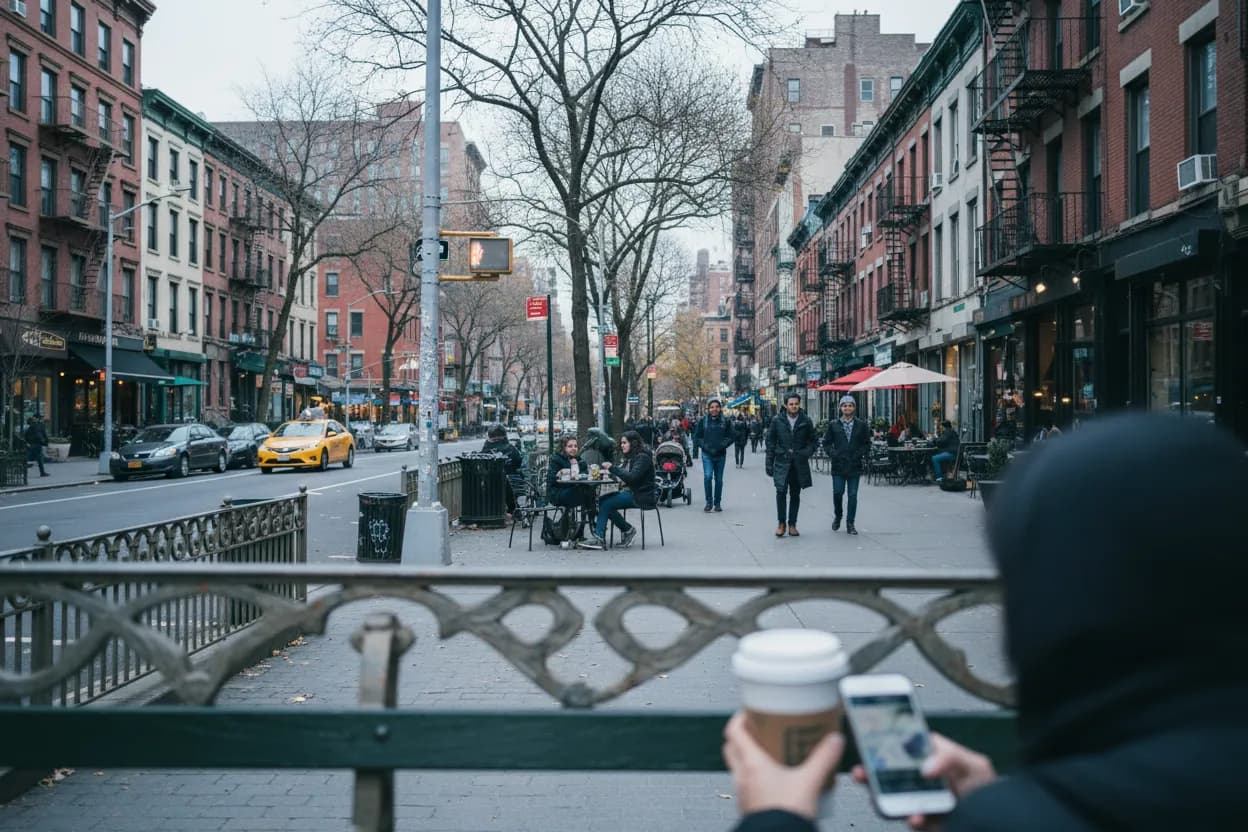
“Restaurants near me” is one of the most useful searches in NYC, but it can also be one of the messiest. The city’s dining scene is huge, fast-moving, and spread across five boroughs, with local fare and global flavors tucked into neighborhoods rather than one neat strip. The smarter move is not to chase the loudest ranking; it is to decide what job the meal needs to do, pick a neighborhood that fits, and verify the official details before you walk, book, ride, or order. This guide uses public NYC tourism information as a practical filter for NYC Restaurants Near Me: Best Neighborhoods for Every Craving, without pretending live hours, menus, seats, or prices are guaranteed.
Want a second set of eyes before you commit to a dinner plan? Text Karpo with your craving, borough, timing, and backup needs, and we’ll help you pressure-test the choice.

Choose The Meal Job First
Start with the job, not the restaurant name. Are you trying to land near a show, keep a group comfortable, find a casual all-day meal, make seafood the point, or explore a borough through food? NYC Tourism describes the city as a place where people come from far and wide for a legendary food scene, with local fare and global flavors in every borough. That means “food near me” can produce too many answers unless you narrow the purpose first.
For a practical search, write one sentence before you pick: “I need a relaxed Italian meal in Midtown East,” “I want seafood by the Seaport,” or “I need something casual near the Theatre District.” Official listings show examples that fit those kinds of jobs, including La Pecora Bianca Midtown for approachable Italian food, The Fulton for fresh seafood in the Seaport, and Pasta Lovers in Times Square/Theatre District for casual Italian dishes. Treat those descriptions as starting points, then verify the current details on the official restaurant page.
Use Neighborhood Fit As The Shortcut
NYC is easier when you choose the neighborhood before you choose the table. Manhattan is described by NYC Tourism as full of excitement, from Broadway to Central Park and beyond, so it is useful for plans already anchored to those areas. Official restaurant listings place options in Soho, Herald Square, Midtown East, Midtown West, Flatiron District, Koreatown, Times Square/Theatre District, and the Seaport, which gives you a real neighborhood grid instead of a vague citywide list.
The borough layer matters too. Brooklyn is framed as having world-class nightlife and boundary-pushing cuisine. Queens is described as able to satisfy nearly every taste, with an endless selection of old-world cuisines. The Bronx is tied to history, culture, hip-hop roots, and old-world classics in its Little Italy. Staten Island is described as having historic attractions, beach views, and global dining options, all a ferry ride away. Use those official borough cues to decide whether the meal is the destination or part of a larger day.
Separate Brand Search From Local Proof
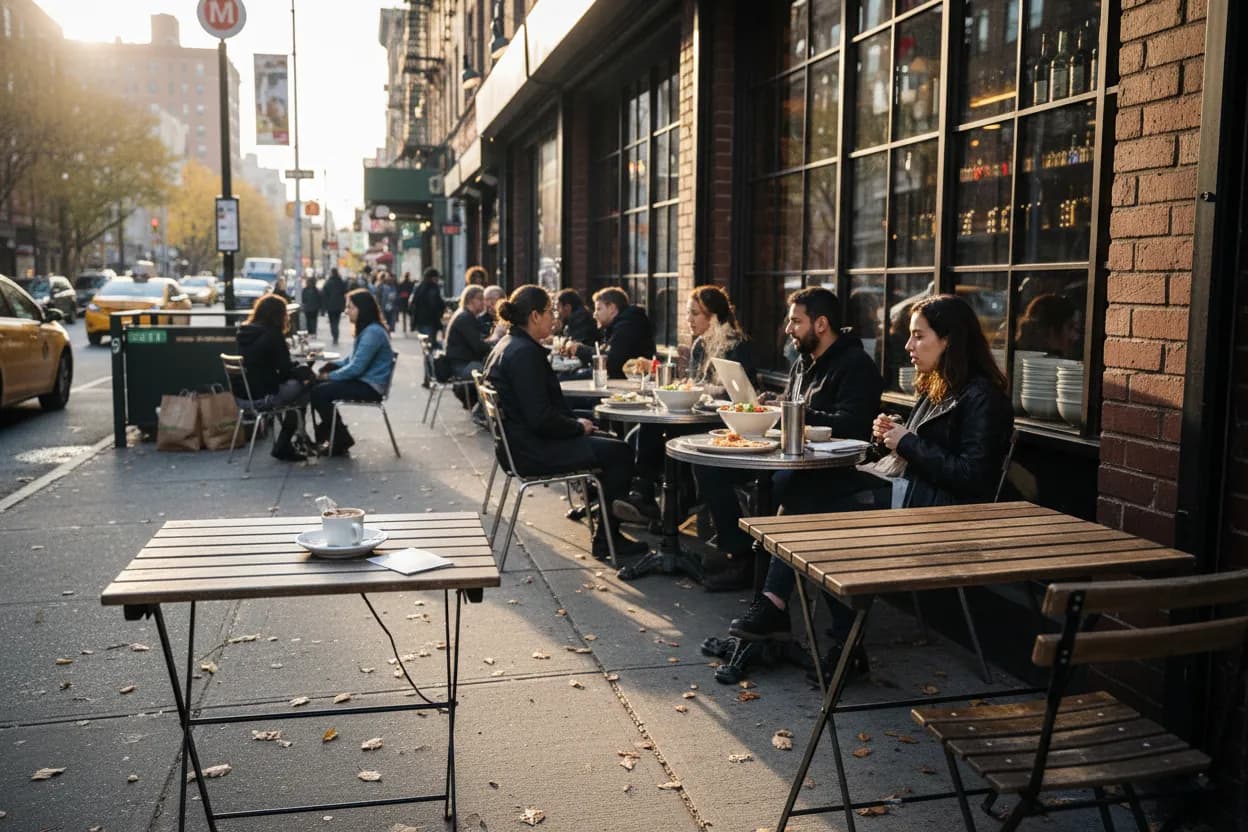
A familiar name can be helpful, but it is not proof that tonight works. NYC Tourism’s restaurant directory includes named listings with neighborhood labels and short descriptions: The Dutch in Soho serves New American fare with an emphasis on local, seasonal produce and comfort food; Junoon in Flatiron is presented with a name meaning “passion” or “obsession”; Jade Eatery & Lounge in Forest Hills serves Pan-Asian and southeast Asian dishes; Ayza in Koreatown lists fine wines and champagnes among its draws.
Use those official blurbs to understand the restaurant’s identity, then move from brand search to local proof. Before going, verify the current menu, hours, reservation options, accessibility information, dietary accommodations, and location on the restaurant’s official page or the official NYC Tourism listing. A directory description can tell you what a place is known for; it cannot guarantee the exact dish, table, seating area, wait time, or service setup available when you arrive.
Build A Backup That Solves The Same Craving
A good NYC backup is not just “somewhere else nearby.” It solves the same craving in the same general area or along the same plan. If the craving is seafood, The Fulton in the Seaport is one official example to research, but your backup should still satisfy seafood or waterfront-dinner intent rather than turning into an unrelated compromise. If the craving is casual Italian around the Theatre District, a backup should stay near that neighborhood and meal style.
Think in pairs: primary and backup for the same job. For Midtown East Italian, research La Pecora Bianca Midtown and another official nearby Italian option if your group needs flexibility. For a shopping-adjacent meal, Rowland’s Bar & Grill is listed on the lower level at Macy’s Herald Square, serving American gastropub cuisine in a comfortable, modern atmosphere. For a power breakfast or lunch scene, Michael’s in Midtown West is described as long functioning around media who’s who. Verify each option before treating it as available.
Check The Details That Change Fast
Restaurant details in NYC can change faster than your group chat. Do not rely on an old screenshot for hours, menus, reservation inventory, prix fixe participation, accessibility details, dietary accommodations, private dining rules, or delivery coverage. NYC Tourism’s restaurant page includes filters such as borough, neighborhood, accessibility, dietary needs, and cuisine, which are useful for narrowing research, but the final check should still happen on the official listing and restaurant-owned channels before you leave.
As of Monday, August 10, 2026, NYC Tourism’s homepage lists NYC Restaurant Week® Summer 2026 from July 20 through August 16, with 2-course lunches and 3-course dinners across all five boroughs starting at $30. Because promotional participation, menu details, and booking conditions can change, verify the current Restaurant Week page, the restaurant’s own page, and any reservation flow before you plan around that offer. The public claim is useful; the final confirmation is what protects your night.

Make It Easy To Act
The simplest action plan is three steps. First, pick the meal job: casual, date-night, group-friendly, show-adjacent, seafood, Italian, Pan-Asian, or borough-exploration. Second, pick the neighborhood or borough using official context: Theatre District for Broadway-adjacent planning, Koreatown for a dining zone with options like Ayza, Forest Hills for Jade Eatery & Lounge, the Seaport for The Fulton, or Soho for The Dutch. Third, verify the details that affect the decision right now.
When you share the plan, include the restaurant name, neighborhood, official link, backup option, what to verify, and the decision deadline. That is more useful than sending five unranked “restaurants near me” links. If your group is searching “food near me” from different parts of the city, ask everyone for borough, neighborhood, and constraint first. NYC has enough dining range; the hard part is turning that range into a plan that survives real timing, real preferences, and real confirmation.
Tags: #NYCRestaurants #RestaurantsNearMe #FoodNearMe #NYCFood #NYCDining #ManhattanEats #BrooklynFood #QueensFood #BronxEats #StatenIslandEats #RestaurantWeek #LocalGuide #AskKarpo #BeforeYouGo
Sources consulted: NYC Restaurants · NYC Tourism · MTA
All trademarks are the property of their respective owners.
Ask Karpo first
Ask Karpo first if your NYC restaurant plan has moving parts: a show, a borough hop, dietary needs, a group chat, or a limited-time offer. Send the craving, neighborhood, timing, and backup tolerance, and we’ll help you turn “near me” into a plan worth leaving for.


