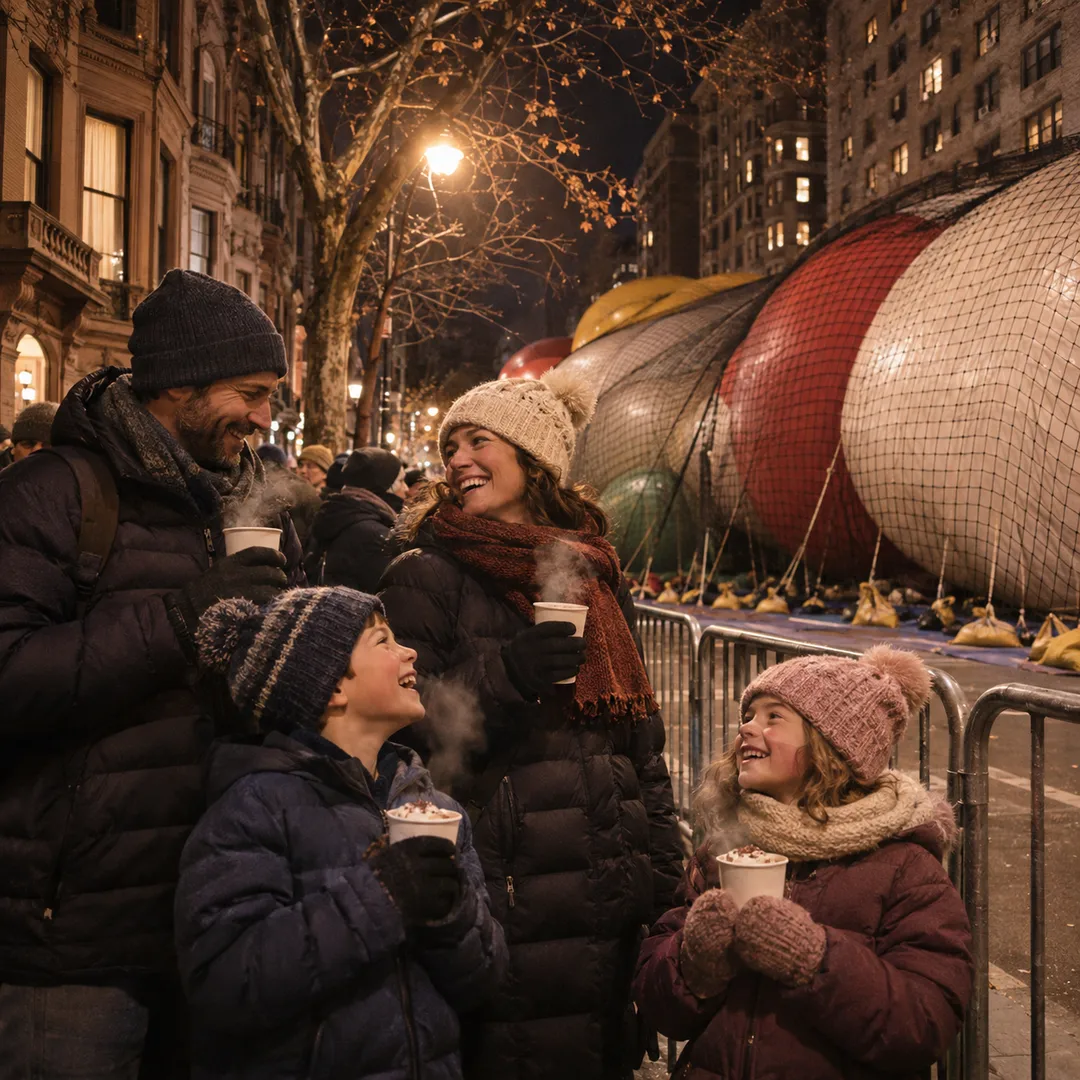
 Upper West Side Hot Chocolate Cafe Crawl on Balloon Eve
Coffee & Dessert
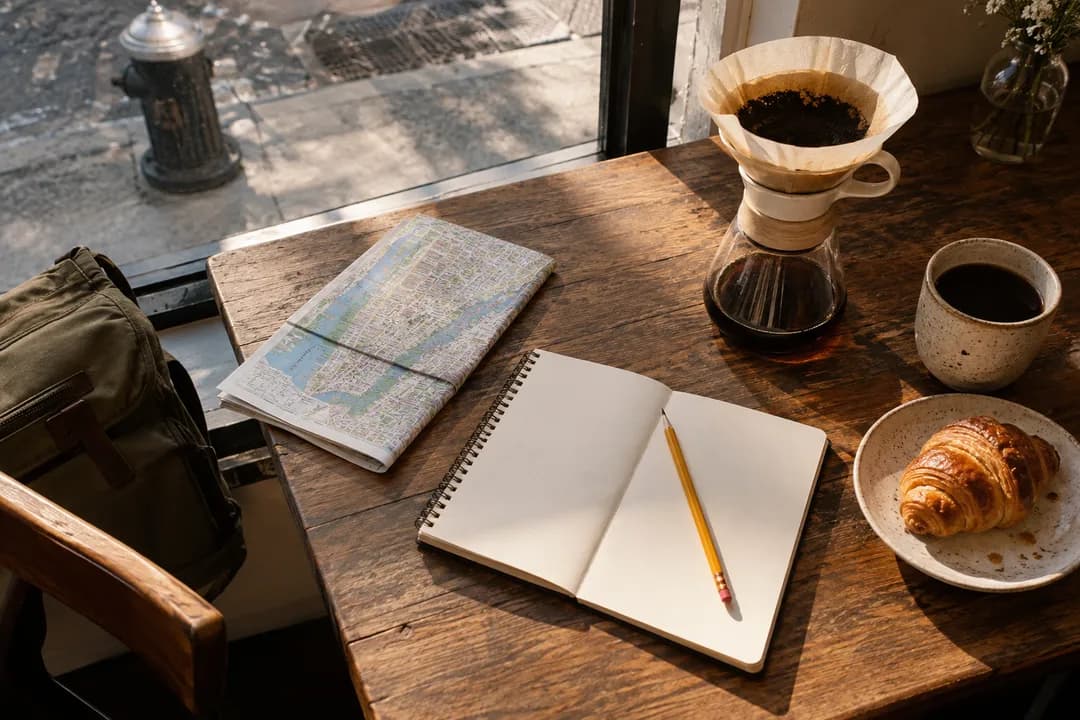
NYC Remote Work Cafe Finder: Library Research Stops
Use a New York remote work cafe finder to pair library research with nearby tables, outlet access, quiet hours, and a walk between sources. Keep notes moving.
Research days in New York City benefit from separating source work from synthesis, Keep this pass narrow and let the next choice remain easy.. Begin by describing the library or archive portion, then search for a nearby cafe table that can hold a notebook and a device without crowding, Name the next action and let the route support it.. The finder helps you compare the practical gap between the two stops, so a five-minute walk does not become a forty-minute detour when your notes are already open, Leave one small margin and avoid planning every minute..
Library Research Stops: Define the First Block
Use a walking radius that reflects the weight of your materials, Name the next action and let the route support it.. If you are carrying books, keep the route compact; if you are working from digital sources, allow a longer loop through a quieter block, Leave one small margin and avoid planning every minute.. Results become more useful when the starting point is specific, A visible stopping point and a clear exit keep the session from becoming an endless search.. A broad city search gives inspiration, while a research route gives you a morning you can actually follow, Treat the table as a tool for the task, not a reward for arriving early..
Quiet is not one setting, Leave one small margin and avoid planning every minute.. A library-adjacent cafe may be calm enough for highlighting but too social for a recorded call, A visible stopping point and a clear exit keep the session from becoming an endless search.. Label the task before filtering: reading, citation cleanup, interview, or writing, Treat the table as a tool for the task, not a reward for arriving early.. In New York City, those labels lead to different tradeoffs in sound, table depth, and outlet distance, One clear constraint is more useful than a long list of vague preferences.. The finder should make those tradeoffs visible rather than hide them behind a single star score, The route should reduce decisions once the work has started..
Library Stacks and the First Filter
Plan the handoff between sources and a table as a small ritual, A visible stopping point and a clear exit keep the session from becoming an endless search.. Close the book, photograph the page number for your own notes, and walk with only the material needed for the next pass, Treat the table as a tool for the task, not a reward for arriving early.. Once seated, place your reference stack to one side so the central writing area stays clear, One clear constraint is more useful than a long list of vague preferences.. This is a physical workflow, not a productivity slogan, and it prevents a research session from becoming a pile of objects, The route should reduce decisions once the work has started..
For long citation work, table depth beats decorative seating, Treat the table as a tool for the task, not a reward for arriving early.. A narrow counter can support a laptop, but it forces paper into your lap, One clear constraint is more useful than a long list of vague preferences.. Filter for a surface that lets you keep a source, a notebook, and a drink separate, The route should reduce decisions once the work has started.. If the result list does not reveal that detail, use the next step to compare photos or notes you already trust, then choose the least fragile setup, Save the option that feels ordinary but dependable..
Source Notes Without Guesswork
A useful research stop has an exit plan, One clear constraint is more useful than a long list of vague preferences.. Set a checkpoint after the first source cluster, then decide whether to stay, walk, or return to the library, The route should reduce decisions once the work has started.. The finder can hold those choices as separate stops in one route, Save the option that feels ordinary but dependable.. In New York City, a short walk between environments often improves synthesis because the change of pace gives you a moment to name the argument before writing it, Write down what changed before you change locations..
If a call arrives while you are working through sources, move the call portion to a result marked for conversation or a more open room, The route should reduce decisions once the work has started.. Do not make a quiet reading table absorb every task, Save the option that feels ordinary but dependable.. A remote work cafe finder is strongest when you use it to match the next action to the next setting, even when that means leaving a comfortable chair earlier than planned, Write down what changed before you change locations..

Quiet Corridors for a Stable Setup
Finish with a small neighborhood loop that clears the research residue, Save the option that feels ordinary but dependable.. Walk one or two blocks, review the source list mentally, and save the next question before returning to the route, Write down what changed before you change locations.. That transition lets you reopen your notes with a sharper purpose, A short reset can protect more attention than another coffee.. The goal is not to maximize stops; it is to leave the district knowing exactly what the next source or paragraph must do, Let the next stop solve a different problem from the first..
Use a walking radius that reflects the weight of your materials, A short reset can protect more attention than another coffee.. If you are carrying books, keep the route compact; if you are working from digital sources, allow a longer loop through a quieter block, Let the next stop solve a different problem from the first.. Results become more useful when the starting point is specific, If the room is wrong, the plan is allowed to change.. A broad city search gives inspiration, while a research route gives you a morning you can actually follow, Use the walk to close one loop before opening another..
Short Walking Links and a Sensible Backup
Quiet is not one setting, Let the next stop solve a different problem from the first.. A library-adjacent cafe may be calm enough for highlighting but too social for a recorded call, If the room is wrong, the plan is allowed to change.. Label the task before filtering: reading, citation cleanup, interview, or writing, Use the walk to close one loop before opening another.. In New York City, those labels lead to different tradeoffs in sound, table depth, and outlet distance, A practical finish leaves tomorrow with less setup.. The finder should make those tradeoffs visible rather than hide them behind a single star score, Choose the version you can repeat on a difficult day..
Plan the handoff between sources and a table as a small ritual, If the room is wrong, the plan is allowed to change.. Close the book, photograph the page number for your own notes, and walk with only the material needed for the next pass, Use the walk to close one loop before opening another.. Once seated, place your reference stack to one side so the central writing area stays clear, A practical finish leaves tomorrow with less setup.. This is a physical workflow, not a productivity slogan, and it prevents a research session from becoming a pile of objects, Choose the version you can repeat on a difficult day..
Reference Calls Around the Next Task
For long citation work, table depth beats decorative seating, Use the walk to close one loop before opening another.. A narrow counter can support a laptop, but it forces paper into your lap, A practical finish leaves tomorrow with less setup.. Filter for a surface that lets you keep a source, a notebook, and a drink separate, Choose the version you can repeat on a difficult day.. If the result list does not reveal that detail, use the next step to compare photos or notes you already trust, then choose the least fragile setup, Keep this pass narrow and let the next choice remain easy..
A useful research stop has an exit plan, A practical finish leaves tomorrow with less setup.. Set a checkpoint after the first source cluster, then decide whether to stay, walk, or return to the library, Choose the version you can repeat on a difficult day.. The finder can hold those choices as separate stops in one route, Keep this pass narrow and let the next choice remain easy.. In New York City, a short walk between environments often improves synthesis because the change of pace gives you a moment to name the argument before writing it, Name the next action and let the route support it..
Afternoon Reset When Focus Changes
If a call arrives while you are working through sources, move the call portion to a result marked for conversation or a more open room, Choose the version you can repeat on a difficult day.. Do not make a quiet reading table absorb every task, Keep this pass narrow and let the next choice remain easy.. A remote work cafe finder is strongest when you use it to match the next action to the next setting, even when that means leaving a comfortable chair earlier than planned, Name the next action and let the route support it..
Index Cards as a Transition
Finish with a small neighborhood loop that clears the research residue, Keep this pass narrow and let the next choice remain easy.. Walk one or two blocks, review the source list mentally, and save the next question before returning to the route, Name the next action and let the route support it.. That transition lets you reopen your notes with a sharper purpose, Leave one small margin and avoid planning every minute.. The goal is not to maximize stops; it is to leave the district knowing exactly what the next source or paragraph must do, A visible stopping point and a clear exit keep the session from becoming an endless search..
Ask Karpo for more information.
Keep reading
- Upper West Side Hot Chocolate Cafe Crawl on Balloon Eve
 Park Slope Hot Chocolate Cafe Crawl After a Snow Day Sled
 Upper East Side Hot Chocolate Cafe Crawl With a Grandparent