The City Finally Goes After the Slow Bus
New York's buses have long been among the slowest in the country, and the city just unveiled its most serious attempt yet to fix that. Under a plan called 'Next Stop: Fast Buses, Better Service,' the city and state announced a coordinated overhaul between NYC DOT and the MTA that targets 50 priority bus corridors across the five boroughs, with the stated goal of cutting travel times by roughly 20 percent — about six minutes on many of those routes. For the roughly two million people who ride the bus every day, especially in transit-starved outer-borough neighborhoods the subway never reached, a faster bus is not a convenience but a daily hour reclaimed.
Want to know if your commute gets faster? Ask Karpo whether your route is on the 50-corridor list, when the changes reach your neighborhood, and the quickest way across town until they do.
What makes this version different from past 'better buses' promises is that it bundles the changes that actually move the needle — physical lanes, enforcement and boarding — into one funded plan rather than a scattering of pilots.
Protected Lanes, Cameras and All-Door Boarding
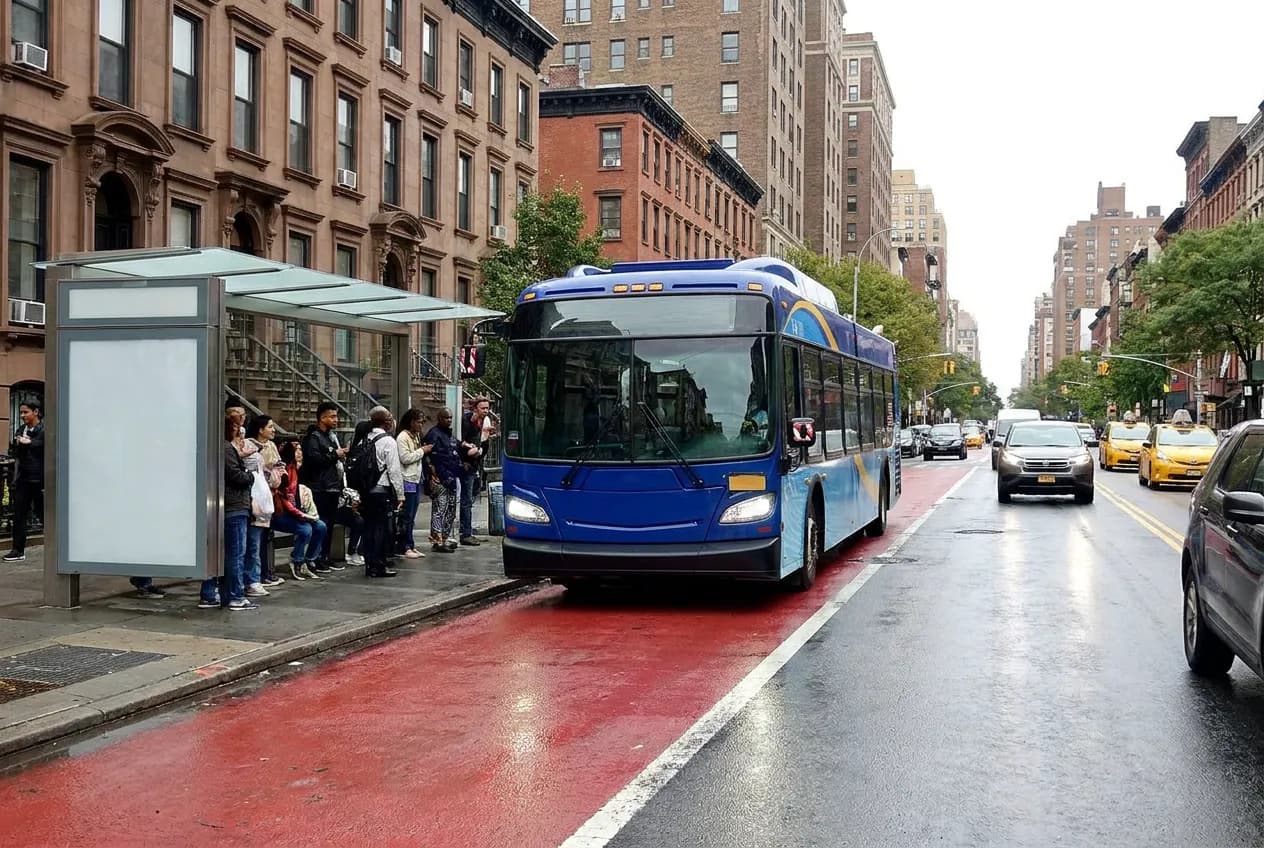
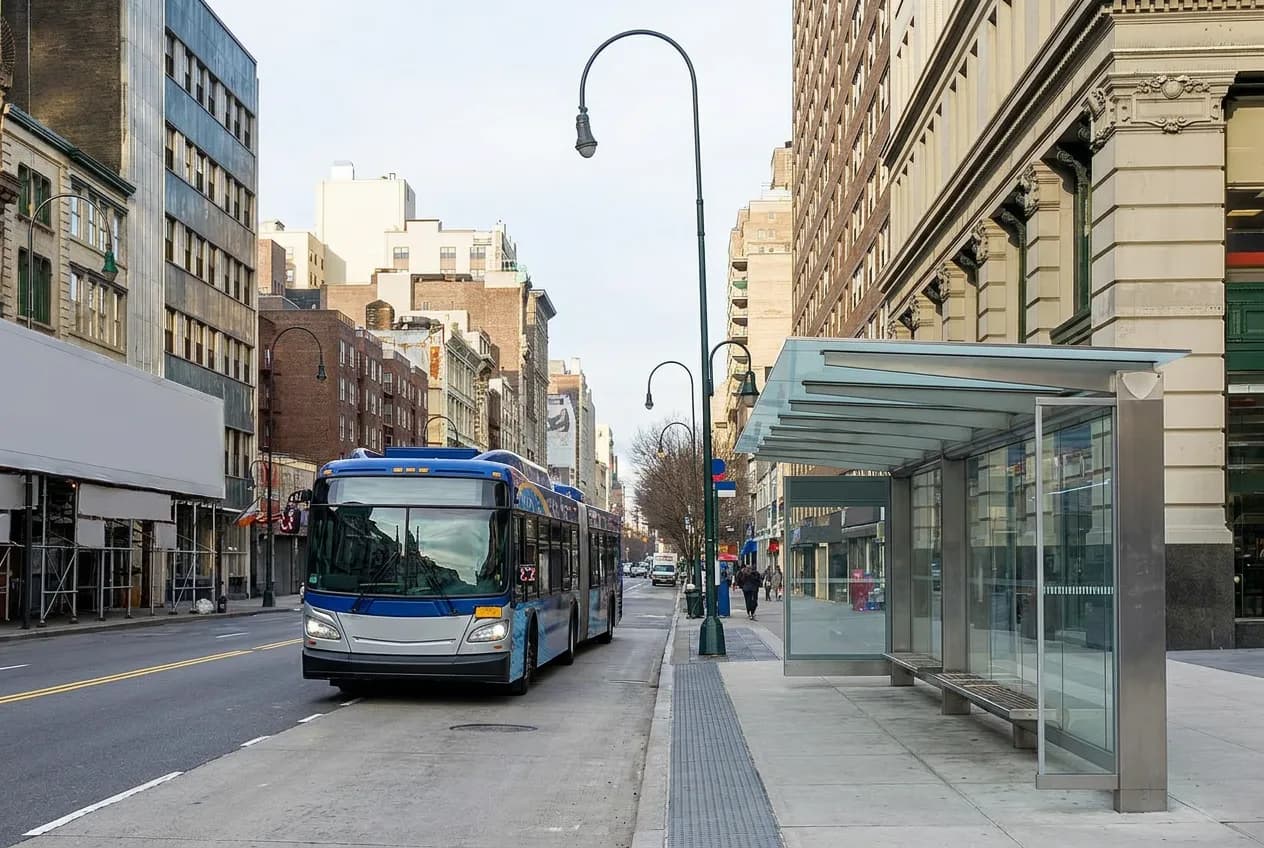
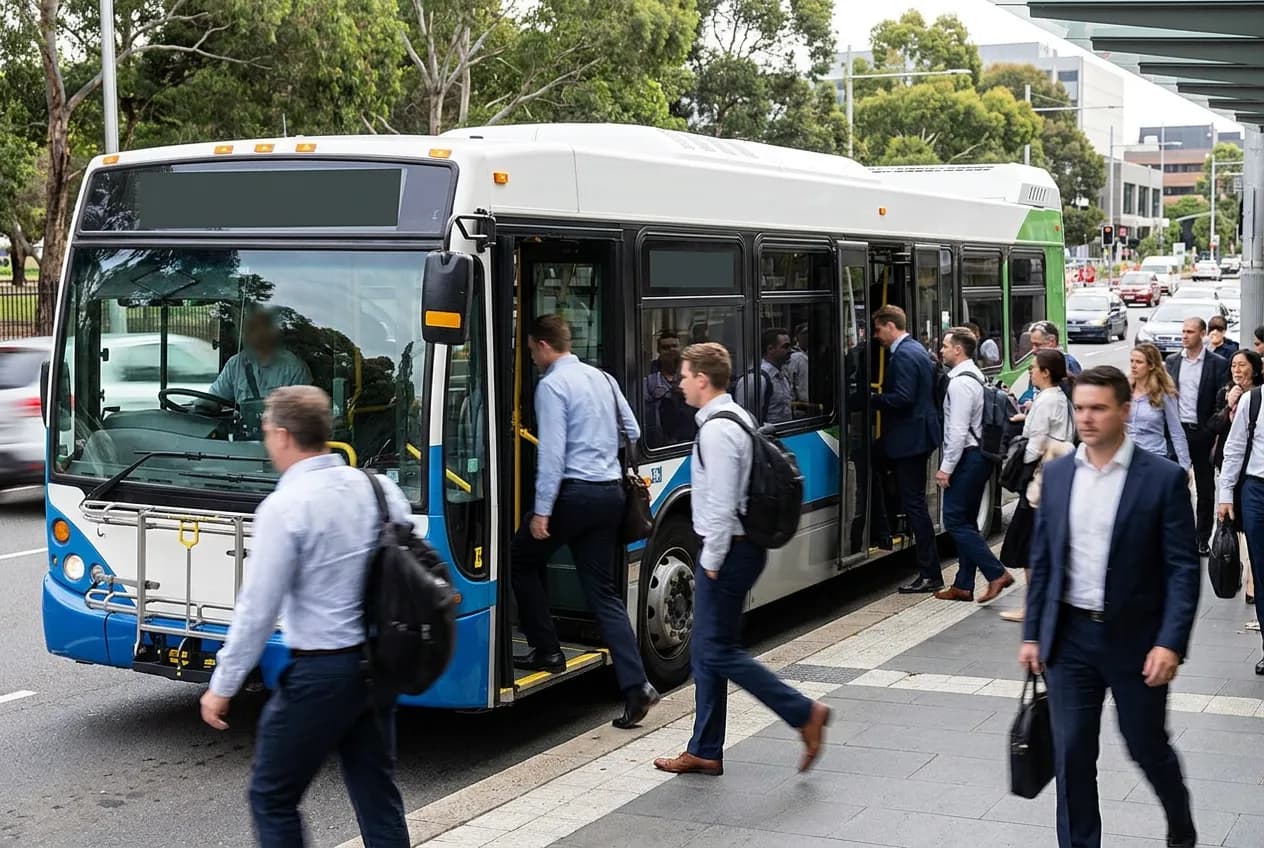
The core of the plan is making the bus lane real. Beginning in 2026, DOT and the MTA will roll out dedicated, protected bus lanes, upgraded stations with sheltered waiting areas, and frequent all-day service on the priority corridors. Two less glamorous changes matter most for speed. First, enforcement: the MTA is expanding automated cameras that keep lanes clear of the double-parked cars and delivery trucks that cause most bus delays, with DOT installing 200 additional stationary bus-lane cameras by 2027 and the NYPD expanding targeted enforcement from 14 to 20 corridors. Second, and the insider detail riders have wanted for years, all-door boarding — letting passengers board through every door instead of filing past the driver one at a time — which is one of the single biggest time-savers a bus system can adopt and is finally going citywide.
Where the First Rapid Routes Land
The plan launches the city's next generation of rapid bus service on five key routes, with the first phase concentrated in Brooklyn, Queens and the Bronx — the boroughs where bus dependence is highest and subway access thinnest. Queens gets particular attention, with 14 priority corridors identified and a study of future rapid service on Northern Boulevard, a notoriously slow and crash-prone artery. In the Bronx, the agencies will build on the existing Tremont Avenue Busway — already a local proof-of-concept that clearing a corridor for buses works — and explore new rapid options to improve cross-borough trips that the subway map simply does not serve.
These rapid routes do not exist in a vacuum, either. They layer on top of the MTA's borough-by-borough bus network redesigns — the ground-up rethinks of route maps already completed or underway in the Bronx, Queens and Brooklyn — which straighten meandering legacy lines and space out stops so buses spend less time crawling and stopping. The corridor upgrades are the hardware; the network redesigns are the software. Together they are meant to fix the two things that make a New York bus slow: the route is inefficient, and the street it runs on is clogged. Attacking both at once is what riders and advocates have argued for years the city needed to actually do.
What It Costs and When You Will Feel It
The commitment comes with real money attached: the city has pledged $254 million in expense funding and $628 million in capital funding over five fiscal years to carry out the plan. The honest timeline is gradual — lanes, cameras and station upgrades roll out corridor by corridor beginning in 2026 rather than all at once — so the six-minutes-faster promise will arrive on your particular route when its corridor comes up, not overnight. But between the funding, the named corridors and enforcement that has teeth, this is a more concrete plan than the city's buses have seen in a long time. If your commute runs along one of the 50 corridors, the coming year is when you should start noticing the difference.
Practical notes
'Next Stop: Fast Buses, Better Service,' a joint NYC DOT-MTA plan, targets 50 priority bus corridors citywide with a goal of cutting travel times by about 20 percent (roughly six minutes on many routes). Changes include protected bus lanes, upgraded sheltered stations, frequent all-day service, all-door boarding going citywide, 200 additional bus-lane cameras by 2027, and NYPD enforcement expanding from 14 to 20 corridors. The first five next-generation rapid routes focus on Brooklyn, Queens and the Bronx, including 14 Queens corridors, a Northern Boulevard study and expansion around the Tremont Avenue Busway. Funding totals $254 million in expense and $628 million in capital over five years; rollout is corridor-by-corridor beginning in 2026.
Tags: #NYCBuses #Transit #MTA #NYCDOT #BusLanes #AllDoorBoarding #NextStop #Commute #NeighborhoodGuides #Queens #Bronx #Brooklyn #FasterBuses #NYCTransit #NYC
Sources consulted: NYC Mayor's Office — Historic plan to build the fastest, best bus system · Streetsblog NYC — The Mamdani-Hochul bus plan · MTA — Bus Network Redesign
All trademarks are the property of their respective owners.
Ask Karpo first
Want to know whether your route is on the 50-corridor list, when the changes reach your neighborhood, and the fastest way to get across town in the meantime? Ask Karpo for the latest NYC bus updates, a route-by-route read, and a live plan before you travel.