 Chelsea Consignment Shop Crawl Planner for Your First Studio
Hidden Gems & Odd Finds
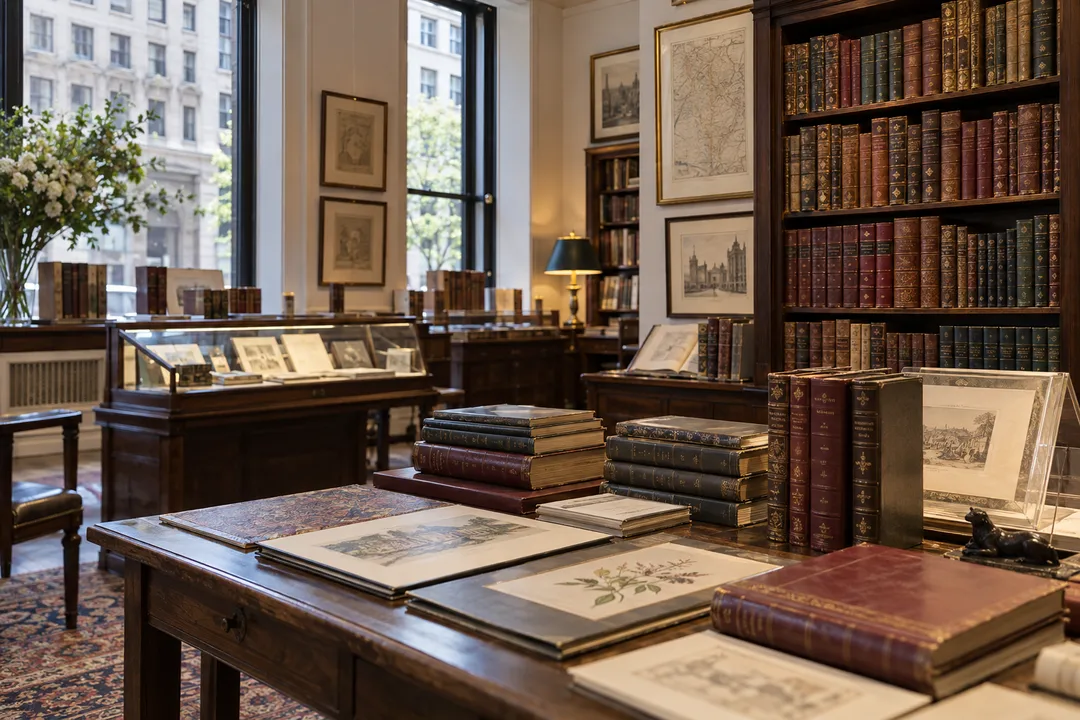
Rare Book Shop Near Me: James Cummins Bookseller on Madison Avenue
James Cummins Bookseller brings a focused antiquarian-bookseller experience to 699 Madison Avenue, with strengths in literature, history, exploration, and illustrated books.
James Cummins Bookseller is the rare book shop near me choice for a visitor who prefers a focused, scholarly inventory to a giant general bookstore. The shop at 699 Madison Avenue specializes in antiquarian books and collectible material, with a selection that can move from literature and history to exploration, natural history, fine press, and illustrated books. The atmosphere is quiet and precise, but not forbidding. You are encouraged to look, ask, and learn how the details of an edition affect its place in the market.
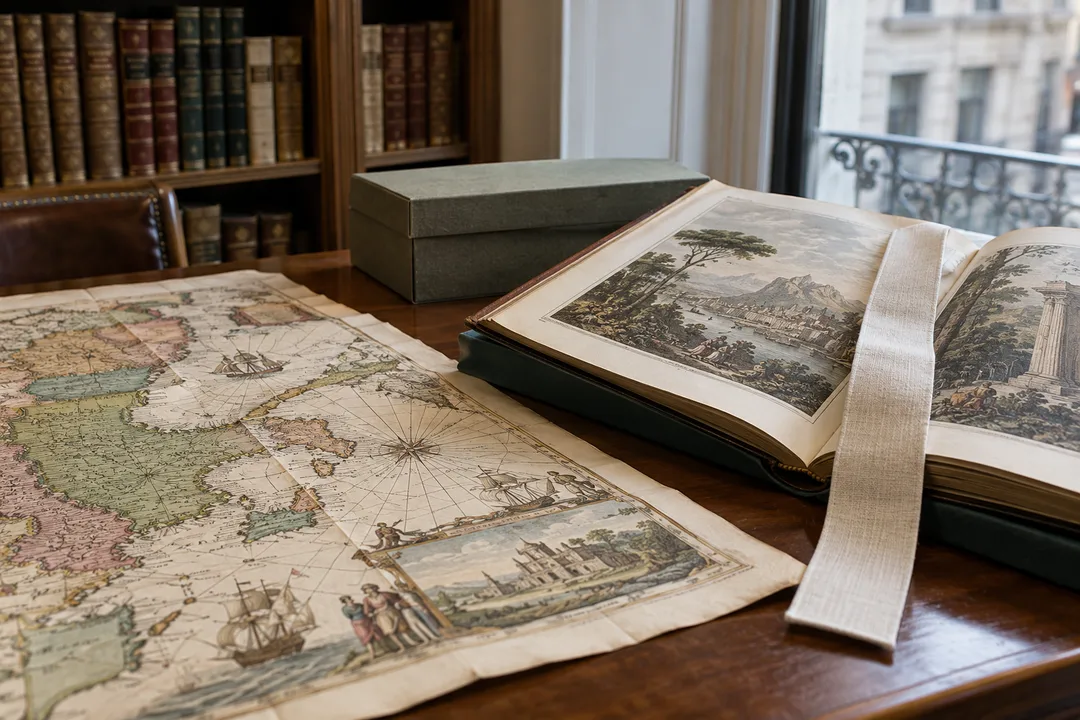
Look At The Details
The first thing to notice is how much information sits outside the title. A book’s publication date, issue point, binding, plates, maps, signature, and previous ownership can change its significance. At Cummins, those details are not clutter; they are the subject. Ask to see a title page, colophon, or plate when a book interests you. If you are new to collecting, ask what the bookseller notices first. A specialist’s explanation of condition and provenance can be more valuable than a generic list of “best rare books.”
The Bookseller’s Range
Cummins is especially rewarding for readers whose interests cross categories. A person who arrives for literary first editions may find an illustrated travel narrative, a scientific plate book, or a historical account that opens a new collecting direction. That cross-pollination is part of the shop’s character. The inventory is edited, but it is not narrow. You can follow a subject through time, compare how a book was produced, and see how collecting connects literature with art, history, and printing.
How To Start A Conversation
Bring a focused question rather than a demand for a particular price. Tell the bookseller whether you are building a collection, looking for a gift, or trying to understand a subject. Mention authors, periods, formats, and whether you care about signatures or original bindings. A useful conversation might begin with “I want an illustrated account of early exploration” or “I am starting with American modernist first editions.” That gives the staff room to suggest a direction, including books you would not have found through a simple title search.
Condition Matters
Do not be embarrassed to ask about flaws. A missing map, repaired joint, trimmed margin, foxing, restored binding, or supplied dust jacket can matter to a collector, and the staff can explain the practical effect. Older books are not museum objects that must be admired from a distance, but they do need careful handling. Support a book from beneath, turn pages slowly, and ask before opening a tight binding. The shop’s professional tone makes these habits feel natural rather than ceremonial.
When To Visit
This is a good weekday stop for someone already walking Madison Avenue, but it deserves its own appointment in the day. Give yourself at least 30 minutes to browse and longer if you have a collecting topic. A small, quiet shop can feel crowded when several people are consulting books at once, so a flexible schedule helps. The best visit is not the one where you inspect the most shelves; it is the one where you leave understanding one area of collecting better than when you arrived.
What To Skip
Skip buying a book only because it is old. Age is one data point, not a verdict. A later edition with an important inscription or strong illustrations may be more interesting than an earlier copy with missing material. Also skip asking for a “good investment” as if the shop were a financial counter. Buy the book because its history, design, or content matters to you. Collecting becomes sustainable when the object remains enjoyable even if you never resell it.
Madison Avenue Afterward
The Madison Avenue address gives you a polished Upper East Side route after the visit. Walk north or south along the avenue to compare galleries, design windows, and landmark apartment buildings, then turn toward Central Park for a slower finish. If you are carrying a fragile purchase, keep the route short and return it to your lodging before continuing. Cummins works best as the intellectual anchor of a day, with the neighborhood providing visual breathing room afterward.
Practical Notes
James Cummins Bookseller is at 699 Madison Avenue in Manhattan. The store is designed for serious browsing, so a short list of authors or subjects is useful, and a notebook is better than relying on memory. Ask about condition and provenance whenever a book seems important. Keep food and drinks away from the material, and ask before photographing pages or displays. This is a specialist stop, but you do not need a collector’s credentials to enjoy it; curiosity and careful handling are enough.
Questions Worth Asking
At James Cummins, a good question can be more useful than a long shopping list. Ask what makes a copy notable, whether its provenance is documented, and which details have been restored or replaced. In illustrated books, ask whether plates are complete and whether the colors or maps are original. In literary books, ask about inscriptions, presentation copies, and the relationship between the author and recipient. If exploration or natural history interests you, ask how the book fits into the history of the subject rather than only asking for the oldest title available. A specialist bookseller is used to explaining why two books with similar titles can have very different importance. You do not need collector vocabulary before you walk in. Curiosity is enough, and a precise answer can give you a new collecting direction. Even if you leave without buying, you may come away knowing how to read a catalog description with a more critical eye.
Reading The Room
The Madison Avenue setting also changes the rhythm of the visit. You can spend a few minutes looking at the front display, then settle into a more focused conversation about one subject. Take notes if you are comparing editions, but do not feel obliged to photograph every title. A simple author, date, or catalog reference is often enough to continue the search later. When a book is especially delicate, let the bookseller handle it or ask how it should be opened. These small habits show respect for the material and make it easier for staff to bring out something comparable. The goal is not to perform expertise. It is to leave with a clearer idea of what you value in an antiquarian book, whether that is a first appearance, an explorer’s map, a distinctive binding, or the evidence of a reader who owned it before you.
Who It Suits
Choose Cummins if your rare book shop near me search points toward expertise, calm, and well-described collectible books. It suits readers who want to begin collecting, experienced buyers comparing editions, travelers interested in book history, and gift hunters looking for something with a real story. It is not a casual bargain warehouse. Its value is the edited selection and the conversation around each object, which makes a short visit feel unusually dense with information.
Ask Karpo for more information.
Keep reading
- Chelsea Consignment Shop Crawl Planner for Your First Studio
 East Village Consignment Shop Crawl Planner: Leather Jackets
 Harlem Consignment Shop Crawl Planner for a Jazz Night Look