 Chelsea Consignment Shop Crawl Planner for Your First Studio
Hidden Gems & Odd Finds
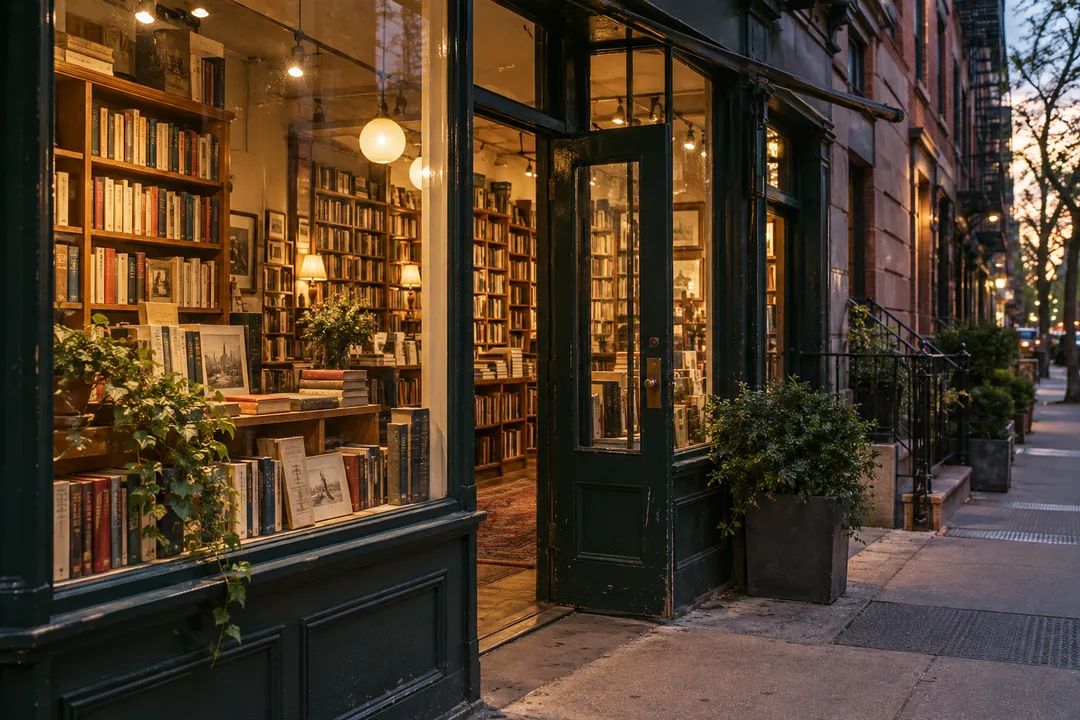
Rare Book Shop Near Me: Alabaster Bookshop on Fourth Avenue
Alabaster Bookshop at 122 Fourth Avenue is a compact East Village bookstore for used, out-of-print, and visually distinctive books with an independent neighborhood feel.
Alabaster Bookshop is the rare book shop near me pick for readers who want the intimacy of an independent neighborhood store rather than the scale of a Midtown showroom. At 122 Fourth Avenue, Alabaster brings together used, out-of-print, and collectible-leaning books in a space that feels personal and browsable. The inventory is not presented as a formal museum display. It is arranged for discovery, with the kind of uneven, human rhythm that makes you stop because a cover, subject, or odd volume catches your eye.
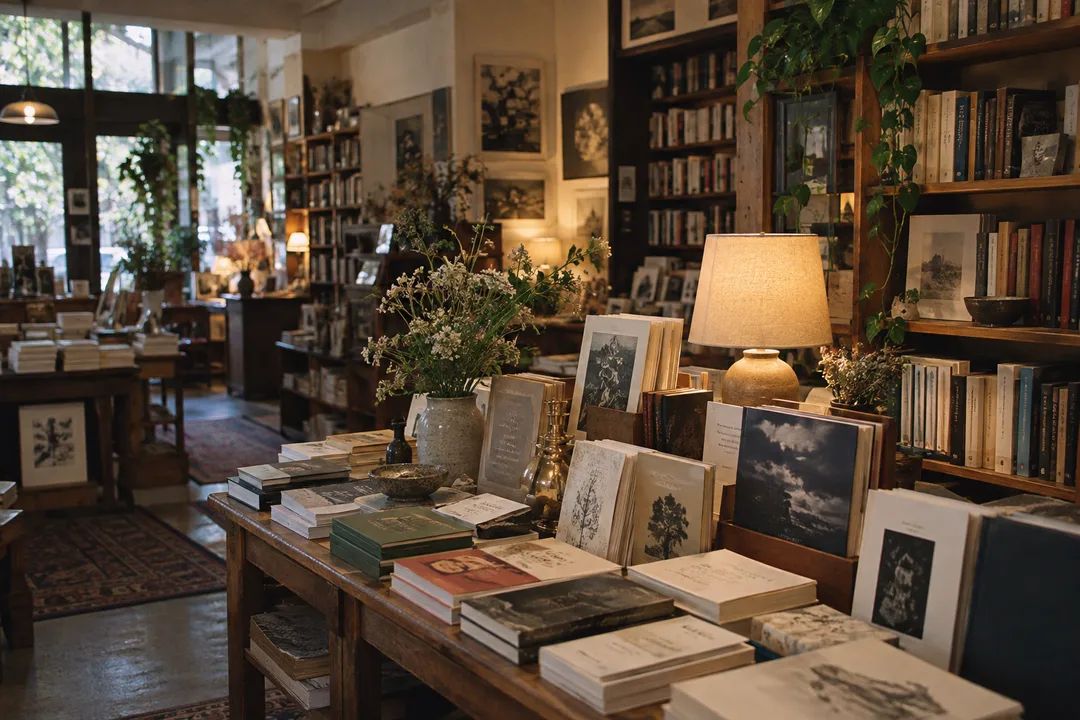
What Makes It Worth A Stop
The store’s strength is atmosphere combined with selection. You can browse literature, poetry, art, culture, and related subjects without needing a collector’s vocabulary, but the stock still rewards close attention. Look for unusual editions, small-press books, older paperbacks with strong cover design, and titles that have disappeared from ordinary chain shelves. A rare book shop does not have to be filled with medieval manuscripts to be valuable. Sometimes the rarest thing in the room is a book that has simply become difficult to find.
How To Browse The Room
Start with one wall and move methodically rather than bouncing between piles. Alabaster is compact enough that a slow circuit reveals the logic of the shop. Pick up books, read the copyright page, and compare condition before deciding. If a title feels familiar but the edition looks different, ask whether it is a later printing, a reissue, or a small-press version. Those distinctions are useful even when the book is inexpensive. The habit of looking closely is what turns an ordinary used-book browse into collecting practice.
The Neighborhood Energy
Alabaster belongs to the old Fourth Avenue bookselling corridor, but the surrounding area now mixes bookstores with cafes, apartments, galleries, and design shops. That change gives the stop a layered feeling. You can still find the romance of an independent book hunt, then walk a few blocks into a much busier downtown rhythm. The store feels like a pause within that movement. It is especially good for a visitor who wants one literary stop without committing an entire day to a specialist appointment.
Ask Without Overthinking
You do not need to arrive with a catalogue number. Tell the bookseller what you read, what you are studying, or what kind of object you want to give someone. “A strange book about New York,” “poetry with a beautiful cover,” or “an out-of-print art title under a modest budget” are all useful starting points. Staff can help you search without making the visit feel formal. If you have a specific author, mention the subject and period too; independent shops often have nearby surprises that a keyword search would miss.
Small-Shop Etiquette
Compact bookshops depend on considerate browsing. Keep backpacks off the shelves, avoid blocking a narrow aisle, and return books to the exact place or hand them to staff if you are unsure. Do not stack ten books on the floor while you continue searching. If another reader is examining a shelf, take a different section and come back. These details matter because the store’s intimacy is its advantage. A little patience keeps the room comfortable and gives everyone a better chance of finding something.
Best Timing
A weekday or an earlier weekend visit gives you the most room to browse. The shop is a good stop before lunch, a gallery visit, or an East Village walk, and it works well as a low-pressure plan when you do not want a reservation-based activity. Give yourself 25 to 40 minutes for a first visit. That is long enough to make a thoughtful circuit without turning the bookstore into the only event of the day. If you find something fragile, take it back to your hotel before continuing.
What To Skip
Skip hunting for a single definition of “rare.” At Alabaster, the better question is whether a book is distinctive, scarce, useful, or beautiful to you. A worn older paperback with a great cover can be more enjoyable than a pristine volume you do not care about. Also skip coming only for a bargain photo. The store’s pleasure is tactile and specific: read the flaps, inspect the paper, notice the typography, and let the physical book tell you why it deserves attention.
A Fourth Avenue Walk
After Alabaster, walk south toward Union Square or north toward NoHo, depending on your mood. The blocks around Fourth Avenue are good for a book-and-architecture loop, with old facades, small shops, and changing views toward downtown. If you want coffee, choose a place where you can actually open your purchase without crowding a tiny table. The ideal route is simple: browse slowly, carry one good book, walk a few blocks, and read the first pages somewhere calm.
Practical Notes
Alabaster Bookshop is at 122 Fourth Avenue in Manhattan. The shop is a walk-in browsing space with a neighborhood feel, so comfortable everyday clothing and a little patience are appropriate. Keep drinks away from books, ask before photographing unusual material, and use staff help when a shelf is crowded or a title is hard to locate. Bring a reading list if you have one, but leave room for an accidental find. The best purchase here is often the book you did not know you wanted.
Finding Your Own Category
A small shop is often easiest to enjoy when you arrive with a category rather than a single exact title. Try looking for books about a place you love, an older translation, a visual subject, a favorite writer, or a format that is disappearing from everyday life. At Alabaster, the pleasure is in making those connections on the shelf. A title may be out of print but not rare, or genuinely scarce but not right for you; the useful question is whether it adds something to your reading life. Check the publication details, look for inscriptions, and inspect the cover before deciding. If you are shopping for someone else, think about texture and personality as well as subject. A well-designed paperback, a slim poetry volume, or an odd little reference book can become a better gift than an expensive standard edition. Leaving room for discovery is part of the point. You are not trying to prove that the shop contains the most valuable book in town; you are looking for the one that makes you stop and turn a page.
Who It Suits
Choose Alabaster when your rare book shop near me search means “a distinctive independent bookstore I can browse without a ceremony.” It suits readers, students, design-minded shoppers, visitors looking for gifts, and anyone who likes the surprise of a compact used-book inventory. It is not a formal rare-book showroom or a giant warehouse. Its appeal is the neighborhood scale, the tactile shelves, and the chance to leave with an out-of-print title that gives the rest of your walk a purpose.
Ask Karpo for more information.
Keep reading
- Chelsea Consignment Shop Crawl Planner for Your First Studio
 East Village Consignment Shop Crawl Planner: Leather Jackets
 Harlem Consignment Shop Crawl Planner for a Jazz Night Look