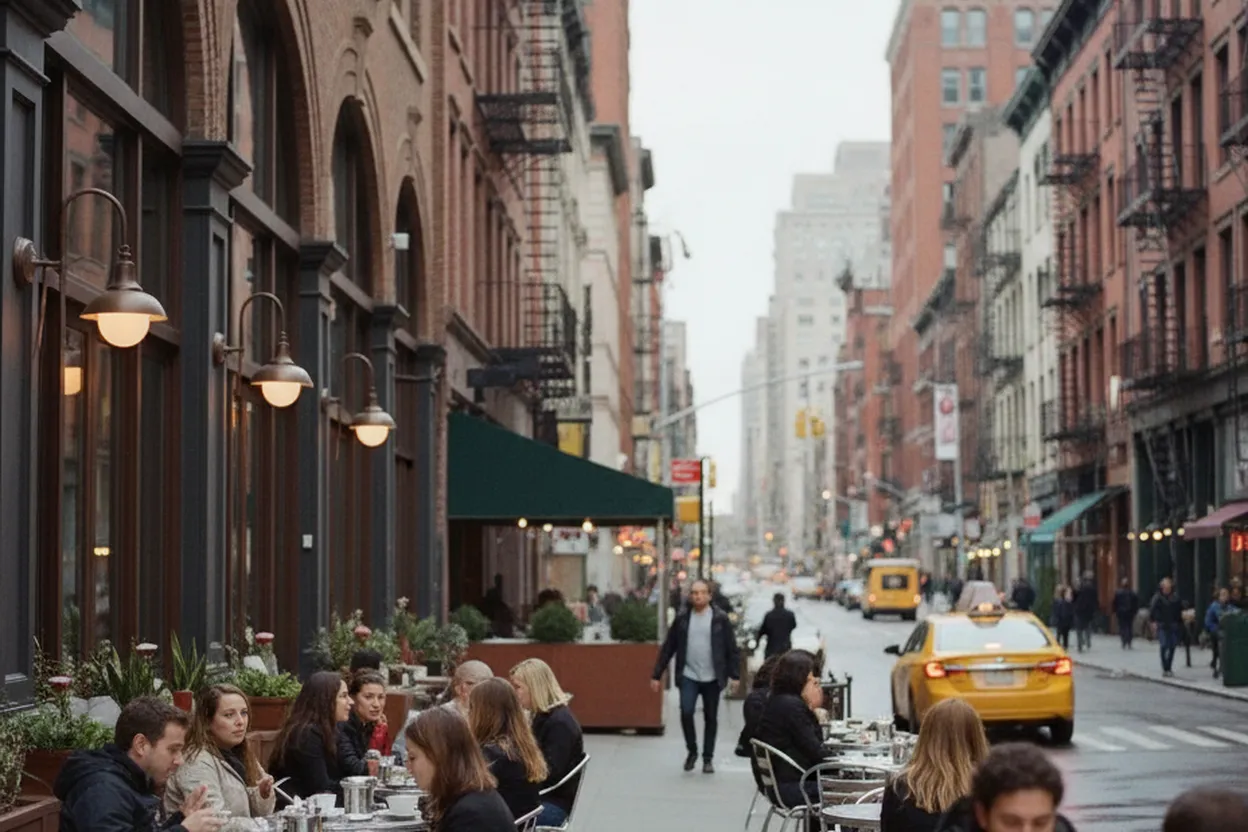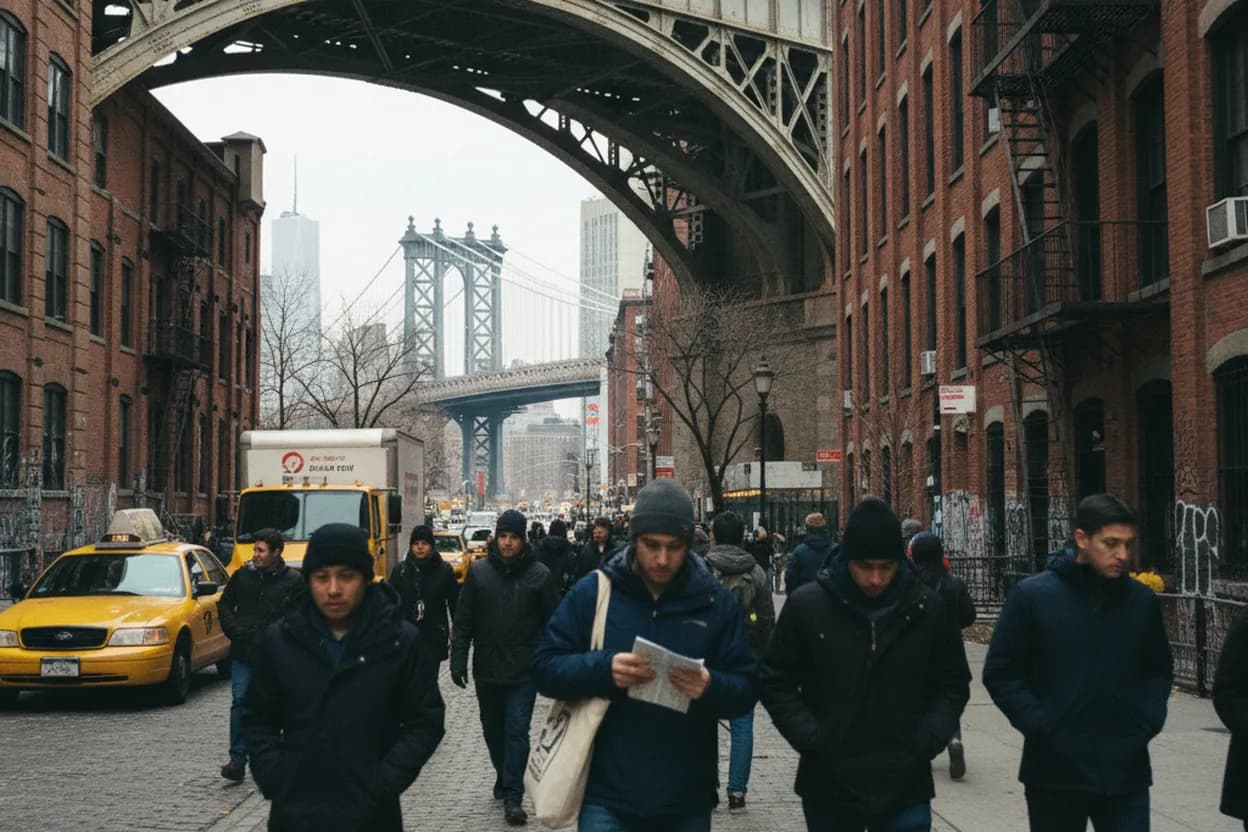
The interest around big bear bald eagles jackie makes sense: a named eagle turns distant wildlife into a story people can follow. In New York City, the useful response is not to chase nests or crowd a bird, but to pick public places where raptors already fit into the urban landscape and where current access rules are checkable. As of July 28, 2026, the best local plan is a daylight, low-pressure route built around official park information, reputable birding guidance, and rescue instructions. Bring binoculars, keep distance, expect no guaranteed sighting, and treat a quiet sky as normal birding, not a failed outing.
Want a raptor-aware NYC plan that avoids unsafe chasing? Text Karpo with your borough, mobility needs, and available hour, and we’ll help choose a realistic watch-and-support stop.

Inwood Hill Park for a Bald Eagle Reality Check
Inwood Hill Park is the most direct NYC answer for someone pulled in by eagle news. NYC Parks describes the Manhattan park as one of the city’s best places to spot a bald eagle, tied to an Urban Park Rangers bald eagle release project that began there in 2002. That is not a promise of a sighting. Go in daylight, scan open sky and river edges, and keep the visit calm enough that leaving without an eagle still makes sense.
This is an easy solo choice if you want a city park rather than a remote refuge. NYC Parks lists public restrooms, hiking trails, a nature center, Muscota Marsh, playgrounds, and sports facilities, but terrain can change quickly by route. The failure mode is overcommitting to wooded slopes or chasing online reports. Before leaving, check current park alerts, stay on marked public paths, and never approach a perched raptor or suspected nest.
Jamaica Bay Wildlife Refuge for Habitat-Scale Watching
Jamaica Bay Wildlife Refuge is the high-reward option when you want habitat, not celebrity-bird certainty. The National Park Service describes more than 12,600 acres of water, saltmarsh, ponds, upland fields, woods, open bay, and islands, and calls it one of the largest bird habitats in the northeastern United States. For raptors, the value is scale: open sightlines, seasonal movement, food webs, and enough space for patient scanning.
The practical tradeoff is distance and exposure. NPS lists refuge trails and parking as open daily from 6 a.m. to 9 p.m., with the visitor center open Friday through Monday, 10 a.m. to 4 p.m.; restrooms are available only when that center is open. Public transit requires an A train to Broad Channel plus a walk, or Q21/Q53 bus service. If heat, storms, or delays make the trip brittle, choose a shorter urban park backup.
Central Park’s Ramble and North Woods for a First Pass
Central Park is the lowest-friction raptor-adjacent starting point for many New Yorkers. The Central Park Conservancy says more than 210 bird species appear in the park each year and highlights the North Woods, Hallett Nature Sanctuary, the Ramble, the Pond, and the Pool as birding locations. The Pond is associated with the city’s familiar red-tailed hawk presence, while the Pool can draw waterfowl, songbirds, and sometimes raptors.
Use Central Park when you have one daytime window, need transit flexibility, or are unsure whether birding will hold your attention. The Conservancy frames the Ramble as a birding hub with benches, while the North Woods gives a larger woodland feel but no restrooms at that location. In July, heat, crowds, and foliage can hide movement. Start early or late afternoon, then pivot quickly if the park feels too busy.
Fort Tryon Park and Cabrini Woods for Easier Hawk Scanning
Fort Tryon Park is the strongest accessibility-first pick here. The Fort Tryon Park Conservancy says the park has more than 20 year-round bird species and over 60 seasonal visitors, with its year-round list including bald eagle, Cooper’s hawk, red-tailed hawk, and sharp-shinned hawk. Cabrini Woods is especially practical because the elevated sidewalk along Cabrini Boulevard gives a canopy-level viewpoint without requiring a deep trail push.
Choose this stop if slopes, stamina, or uncertainty make a full refuge day unrealistic. NYC Bird Alliance also notes accessible outings in well-paved settings, with many such outings taking place at Fort Tryon Park. That does not mean a guide is always present. Verify any event listing before counting on staff, and treat Cabrini Woods as the backup: a short, stable scan from public pavement, with easy exits if weather or energy changes.
Green-Wood Cemetery for Quiet Migration Logic
Green-Wood Cemetery is a measured choice when you think like a birder instead of a sighting hunter. NYC Bird Alliance rates Green-Wood’s fall migration as very productive and names raptors among the seasonal highlights; summer is still birdable, but less centered on hawk movement. The setting rewards slow observation, shade, and patience. It also asks for restraint because many visitors are there for mourning, history, or reflection.
Green-Wood’s own visitor rules are part of the decision. The cemetery asks visitors to keep a safe distance from wildlife, not feed wildlife, and avoid excessive noise; pets are not allowed except service animals, and drones are not legally allowed there. Restrooms are available at entrances, with accessible restrooms at specified locations. Before going, confirm current entrance hours and choose this stop only if you can bird without blocking roads, services, or maintenance work.
NYC Bird Alliance Events for Guided Conservation Context
If your main risk is not knowing what you are seeing, start with NYC Bird Alliance rather than guessing alone. The organization says it offers hundreds of bird outings every year, most of them free, along with accessible outings, bilingual birding, festivals, birding resources, and volunteer opportunities. Its conservation work includes Project Safe Flight and Waterbirds of New York Harbor, which connect local sightings to larger habitat and collision-prevention issues.
This is best for beginners, solo visitors who prefer structure, or anyone who wants identification help without crowding wildlife. The tradeoff is scheduling: events can require registration, fill up, change meeting points, or be canceled for weather. Not every walk is raptor-focused. The final verification step is to open the live calendar the same day you plan to register, read the meeting point closely, and bring binoculars unless equipment is explicitly offered.
Wild Bird Fund for Rescue Support Instead of Wildlife Chasing
Supporting raptors can also mean knowing what to do when a bird is injured. Wild Bird Fund describes itself as providing medical and rehabilitation services for injured, sick, and orphaned wildlife found in New York City. Its location page lists 565 Columbus Avenue, north of 87th Street, New York, NY 10024, and says it is open seven days a week from 9 a.m. to 7 p.m., with no call or appointment needed during open hours.
The boundary matters: Wild Bird Fund is not a sightseeing venue for healthy raptors. It says it cannot pick up wildlife, and after hours advises keeping an animal indoors in a quiet, safe place such as a ventilated box, bringing it in the next morning, and not feeding it. If you find an injured hawk, falcon, owl, or eagle, verify current rescue instructions first, keep pets away, and call the listed hotline or 311 guidance when unsure.
Tags: #NYCRaptors #BirdwatchingNYC #BaldEaglesNYC #UrbanWildlife #NYCParks #JamaicaBay #CentralPark #FortTryonPark #InwoodHillPark #GreenWoodCemetery #WildBirdFund #NYCBirdAlliance #AskKarpo #BeforeYouGo
Sources consulted: Source 1: php1-84.nycgovparks.org · Source 2: nps.gov · Source 3: centralparknyc.org · Source 4: forttryonpark.org · Source 5: nycbirdalliance.org · Source 6: wildbirdfund.org
All trademarks are the property of their respective owners.
Ask Karpo first
Tell Karpo your date, group size, budget, and starting neighborhood. We’ll check current access, timing, transit, and the cleanest plan for NYC before you head out.