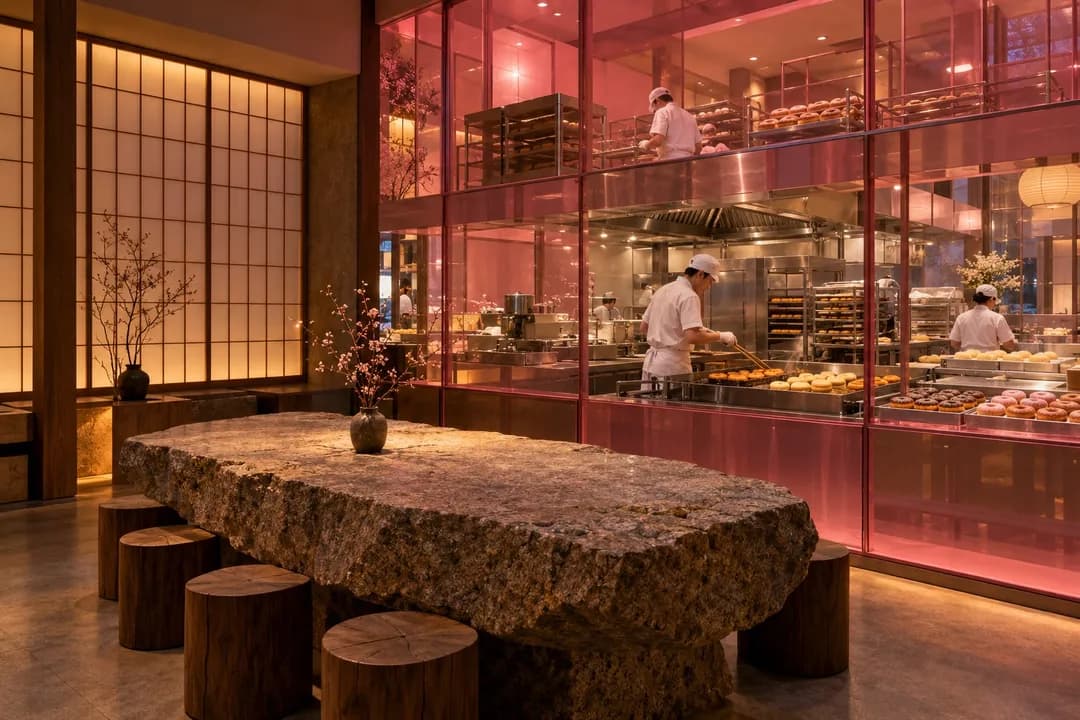
 Times Square Japanese Bakery I'm donut ?: Open to 11 pm
Coffee & Dessert
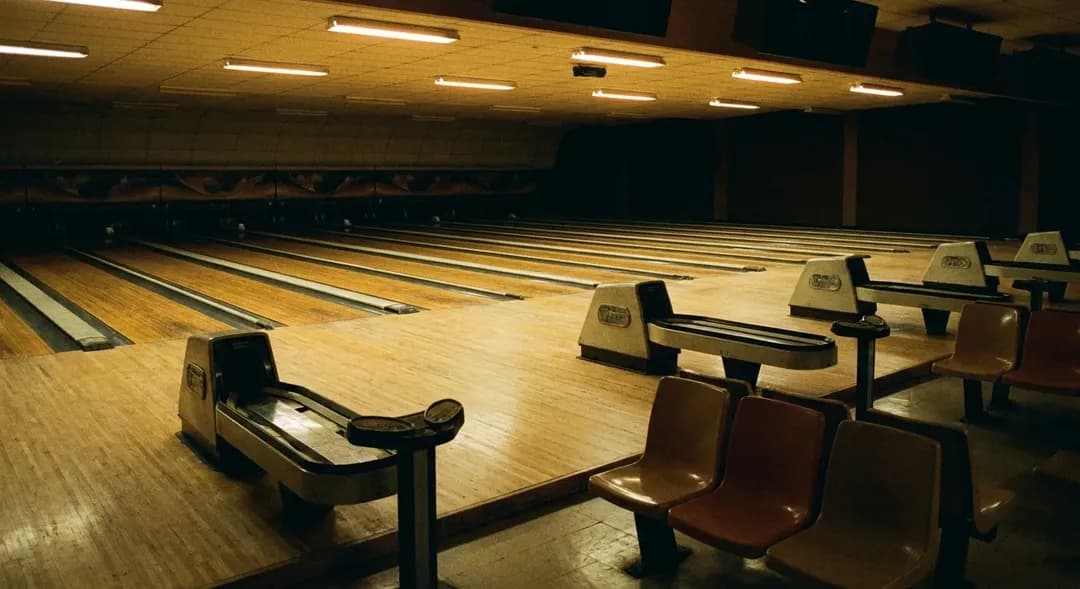
Rainy-Day Things to Do in NYC Without Getting Soaked
A wet-weather plan built on indoor anchors and short hops, with the gallery days, terminal acoustics and warm rooms that make a rainy afternoon in New York work.
Rain changes what things to do in NYC actually means. The city is unusually good in bad weather, but only if the plan is built for it, because the failure mode is never the rain itself. It is the fifteen minutes of walking between two indoor places, repeated four times, until everyone is wet and irritable and the afternoon has gone.
Tell Karpo where you are when the rain starts and how long you have, and it will rebuild the afternoon around indoor stops you can reach without walking ten wet blocks in between.
A wet-weather day that works has a different shape: a small number of large indoor anchors, chosen so the hops between them are short or underground, with a warm room to retreat into when the timing goes wrong. Here is how to build one.
Start with an anchor big enough to absorb an hour
The best rainy-day anchor in Manhattan is a building you can spend real time inside without paying for the privilege, and Grand Central Terminal is the clearest example. The main concourse with its painted celestial ceiling is a genuine piece of architecture rather than a waiting room, and it costs nothing to stand in.
The detail worth knowing is one level down. The whispering gallery is the tiled archway just outside the Oyster Bar on the Dining Concourse: face into one corner, speak quietly, and someone in the diagonally opposite corner hears you clearly. It works, it is free, and most people walk straight past it.
An anchor like this does two jobs at once. It gives you somewhere to be while the worst of a shower passes, and it sits on top of a subway hub, so the next move can happen without going outside at all.
Use the gallery district — but check the day
West Chelsea holds the densest concentration of free indoor culture in the city. The gallery district runs roughly between West 18th and West 27th Streets, from Tenth to Eleventh Avenue, and admission is free everywhere. On a wet afternoon you can see a dozen exhibitions in ninety minutes with barely any time outdoors, because the buildings sit shoulder to shoulder.
The scheduling rule is strict and catches people out: galleries open Tuesday to Saturday, 10 a.m. to 6 p.m., and close on Sunday and Monday. A rainy Sunday in Chelsea is a wasted trip, and a wasted trip is exactly what a bad-weather plan cannot absorb.
There is a seasonal exception to carry as well: most galleries close on Saturdays in high summer, which turns the best day of the week into the worst one for a stretch of July and August. Check before you commit an afternoon to it.
- Free admission, no booking, no queue
- Tuesday to Saturday, 10 a.m. to 6 p.m.
- Closed Sunday and Monday
- Most galleries close Saturdays in high summer
- Buildings sit adjacent — very little outdoor walking
Plan the hops, not just the stops
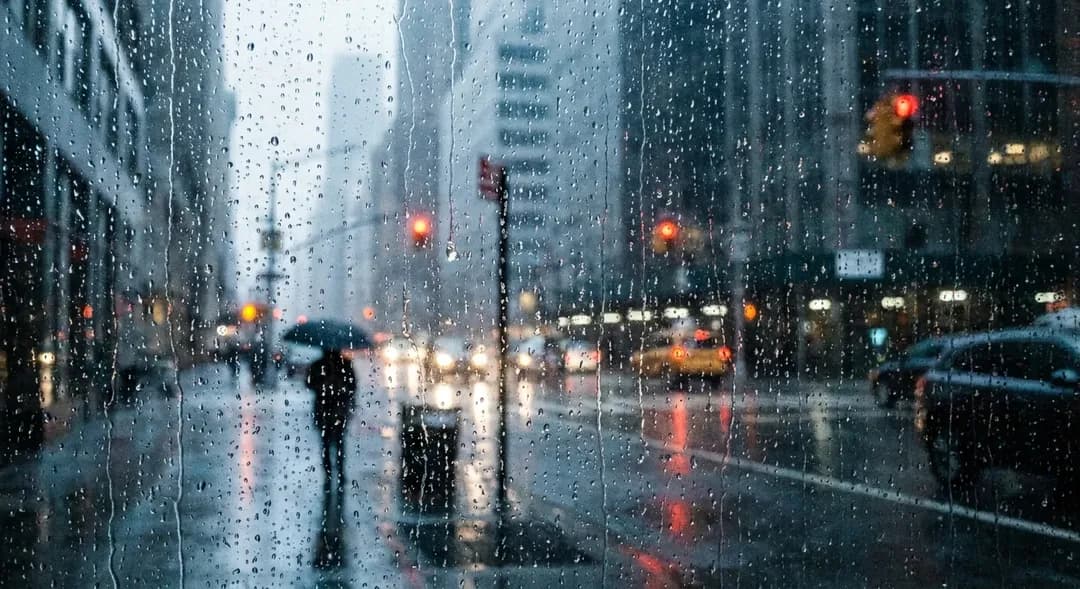
The part of a rainy day that goes wrong is the connective tissue. Two excellent indoor places twenty blocks apart is a worse plan than two ordinary ones on the same block, because the twenty blocks are the part you will remember.
Build the day inside one or two areas and let the subway handle any long move. Midtown East around the terminal and west Chelsea are each dense enough to sustain three or four hours without a long outdoor stretch, and the ride between them is a single train.
It also helps to accept that the umbrella will fail. New York rain arrives sideways off the avenues, and a cheap street umbrella lasts about one crosstown block in a real squall. A hood is more useful than an umbrella, and dry shoes matter more than either.
The other move worth making is to shift the day later. Showers in New York tend to break rather than settle, and an itinerary that starts at two rather than eleven often ends up mostly dry. Galleries stay open until six, the terminal never closes, and a late start costs you far less than a soaked morning does.
Keep one warm room in reserve
The most useful thing on a wet itinerary is not another attraction. It is a cafe you have already chosen, near wherever you will be at four o'clock, where sitting for an hour is normal rather than grudging.
Pick it in advance, on the same block as your last stop, and the day gains a shape: anchor, exhibition, short hop, warm room. Without it the plan ends with everyone standing under an awning deciding what to do next, which is how a rainy afternoon in New York actually falls apart.
The wider principle is that bad weather rewards fewer, longer stops. Three hours in two places beats one hour in five, and it is the version you will want to repeat.
Practical notes
Check opening days before anything else: Chelsea galleries are closed Sunday and Monday and thin out on summer Saturdays, which rules out a large part of this plan on exactly the days most people have free. Grand Central is open daily and free to walk through, and the whispering gallery sits on the lower Dining Concourse, so it works as a fallback at almost any hour. Keep the day inside one or two neighborhoods and use the subway for a single long move rather than four short ones. Wear waterproof shoes and take a hood rather than trusting an umbrella, because the crosstown avenues funnel wind hard enough to destroy a cheap one. Choose the last stop — a cafe or another warm room where you can sit — before you leave, and check it stays open past six. And keep the plan short: two well-chosen indoor places plus somewhere to sit makes a better rainy day than a list of five that each need a wet walk in between.
Tags: #rainydaynyc #thingstodoinnyc #nycindoors #grandcentral #whisperinggallery #chelseagalleries #nycart #nyccafes #nycweekend #nycplans #nycfree #newyorkcity #nycguide #manhattan
Sources consulted: nyctourism.com (https://www.nyctourism.com/articles/chelsea-gallery-guide/) · atlasobscura.com (https://www.atlasobscura.com/places/grand-central-terminal-whispering-gallery) · chelseagallerymap.com (https://chelseagallerymap.com/hours.cfm)
All trademarks are the property of their respective owners.
Ask Karpo first
Want to know what is actually open in the rain today, which stops sit close enough together to keep you dry, and where to sit once you have had enough? Ask Karpo for a weather-aware indoor route across Manhattan, the gallery days worth your afternoon, and a warm fallback within a block of wherever you end up.
Ask Karpo for more information.
Keep reading
- Times Square Japanese Bakery I'm donut ?: Open to 11 pm
 HARBS SoHo Japanese Bakery: $19 Mille Crepe Slices Daily
 Hell's Kitchen Japanese Bakery Fouet: $11 Soba Pudding Jars