 Chelsea Consignment Shop Crawl Planner for Your First Studio
Hidden Gems & Odd Finds
Queens Botanical Garden Bee Garden: The Pollinator Corner Most Visitors Rush Past
Discover the Queens Botanical Garden Bee Garden, a unique urban apiary educating visitors on pollinators and their crucial role in nature and city life.
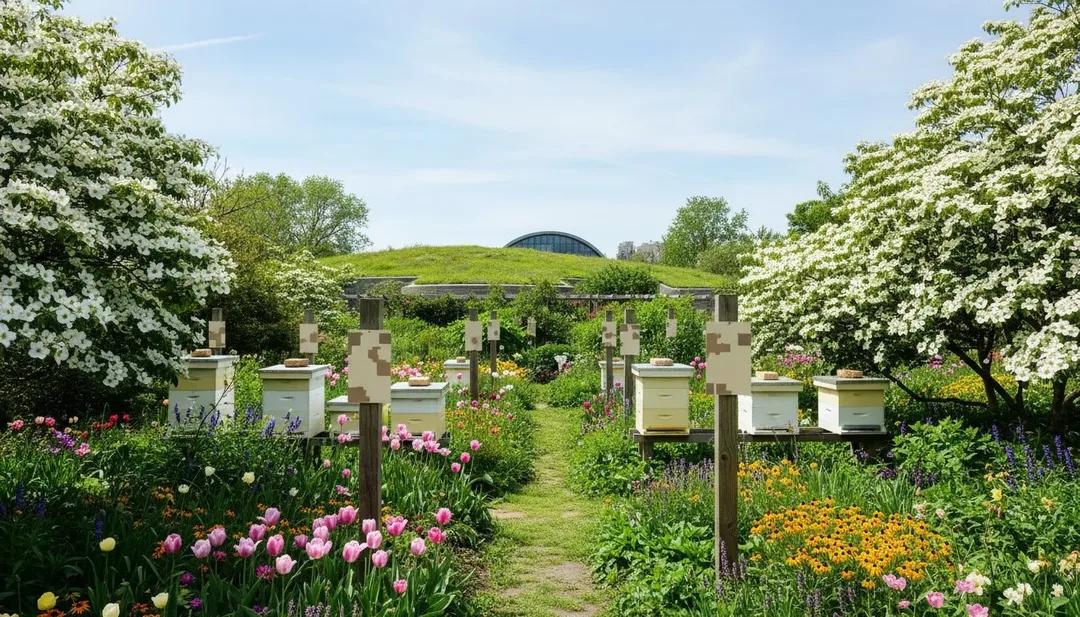
Amid the lush landscapes and diverse plant collections of Queens Botanical Garden lies a special, often overlooked area dedicated to one of nature’s most industrious and vital creatures: the honeybee. The Bee Garden, located within the garden’s 39-acre urban oasis in Flushing, Queens, offers visitors a unique opportunity to observe live beehives and learn about the complex world of pollinators.
While many visitors focus on the ornamental gardens and seasonal blooms, the Bee Garden serves as an essential educational hub, highlighting the critical role bees play in pollination, biodiversity, and food production. This article explores the Bee Garden’s significance, its educational mission, and why it deserves more attention from garden visitors and NYC residents alike.
A Hidden Gem Within Queens Botanical Garden
The Queens Botanical Garden Bee Garden is a dedicated apiary space within the larger botanical garden grounds at 43-50 Main Street in Flushing. Established over thirty years ago, it has become one of the few places in the New York metropolitan area where the public can safely observe working beehives. The garden’s location in one of the city’s most bustling and diverse neighborhoods makes it a vital green refuge for pollinators.
Unlike the more widely visited ornamental sections, the Bee Garden is modest in size but rich in educational value. It features several active hives and interpretive signage that explains the life cycle of bees, the process of honey production, and the importance of pollinators to urban ecosystems.
Pollinators: Nature’s Essential Urban Partners
Pollinators like honeybees are crucial for the reproduction of many flowering plants, including fruits and vegetables that form a significant part of human diets. In urban environments, where green spaces are limited, pollinators face challenges such as habitat loss, pollution, and climate change. The Bee Garden at Queens Botanical Garden plays a vital role in raising awareness about these issues.
Through its live hives and educational programs, the garden demonstrates how bees contribute to biodiversity and food security. Visitors learn about the delicate balance between urban development and nature, and how supporting pollinator habitats can benefit city ecosystems.
Educational Outreach and Community Engagement
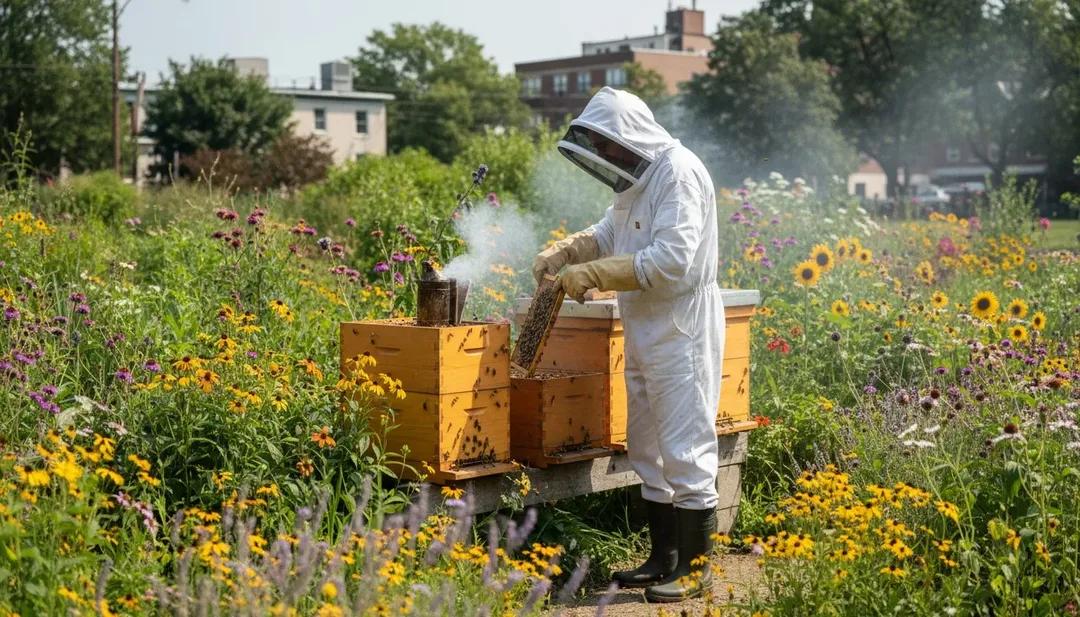
The Bee Garden is not just a static exhibit; it serves as an active educational platform for children and adults alike. School groups frequently visit to engage in hands-on learning about bees, beekeeping, and environmental stewardship. The garden’s staff and volunteers provide guided tours and workshops that demystify the often misunderstood world of bees.
In 2006, the Aviation Development Council became the first sponsor of the Bee Garden, supporting its mission to educate the community about pollinators. This partnership highlights the garden’s role as a bridge between urban industry and environmental awareness, emphasizing the importance of nature even in highly developed areas.
Sustainability and Green Practices at the Bee Garden
Queens Botanical Garden is known for its commitment to sustainability, and the Bee Garden exemplifies this ethos. The garden promotes organic gardening practices, composting, and habitat creation that supports pollinator health. The presence of the Bee Garden within the botanical garden’s broader sustainability initiatives underscores the interconnectedness of urban ecology.
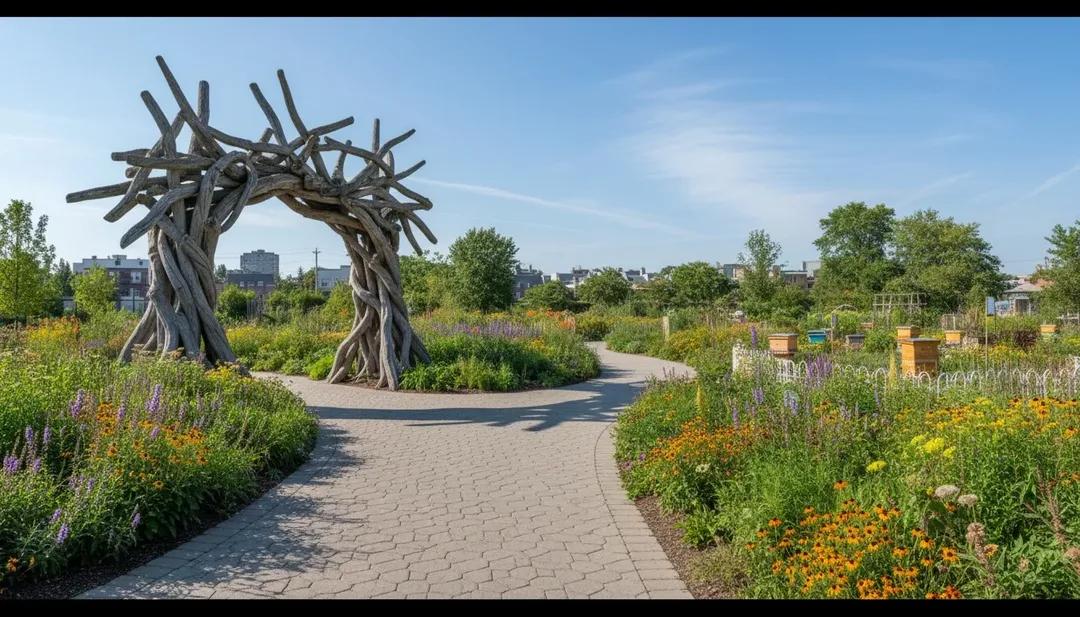
Visitors can also learn about the garden’s green infrastructure, including its modern visitor center with a green roof, which complements the pollinator-friendly environment. These features demonstrate how urban spaces can be designed to support both people and wildlife.
Why the Bee Garden Deserves More Attention
Despite its importance, the Bee Garden often remains a quiet corner that many visitors rush past. Its subtle presence contrasts with the more visually striking floral displays, yet its educational impact is profound. Understanding pollinators is critical in today’s environmental context, especially as bee populations face global declines.
By spending time in the Bee Garden, visitors gain a deeper appreciation for the unseen work bees do and the challenges they face. This knowledge can inspire more sustainable behaviors and support for urban green spaces that protect pollinators.
Visiting the Bee Garden Today
As of July 28, 2026, the Bee Garden is open to the public during Queens Botanical Garden’s regular hours. Visitors can explore the apiary area freely as part of their garden visit. The garden encourages respectful observation and offers educational materials to enhance the experience.
For those interested in deeper engagement, the garden hosts occasional workshops and events focused on beekeeping and pollinator conservation. Checking the official Queens Botanical Garden calendar before visiting is recommended to catch these special opportunities.
Practical notes
- Access: Bee Garden is open during Queens Botanical Garden’s regular hours, generally year-round; verify current hours before visiting.
- Address: 43-50 Main Street, Flushing, Queens, NY 11355.
- Admission: General admission is $6; free November through March.
- Transit: Accessible via NYC public transit to Flushing; walking from Flushing-Main Street station is straightforward.
- Accessibility: The garden is wheelchair accessible; however, some outdoor paths may be uneven.
- Official info & updates: https://queensbotanical.org/
Tags: #pollinator_gardens #NYC #secret_NYC #local_knowledge #Queens_Botanical_Garden_Bee_Garden #hidden_gems #things_to_do_in_NYC #New_York_City #urban_pollinator_garden_NYC #beekeeping_education_Queens #pollinator_conservation_New_York #urban_apiary_Queens #bee_habitat_NYC #pollinator_gardens_in_New_York_City
All trademarks are the property of their respective owners.
Ask Karpo first
Want to know whether Queens Botanical Garden Bee Garden fits your day, route, and timing? Ask Karpo first for a current NYC plan built around you.
Ask Karpo for more information.
Keep reading
- Chelsea Consignment Shop Crawl Planner for Your First Studio
 East Village Consignment Shop Crawl Planner: Leather Jackets
 Harlem Consignment Shop Crawl Planner for a Jazz Night Look