 Tribeca Birria Crawl Planner for a Jury Duty Lunch Break
Restaurants
Flushing Pupusa Spot Picker for Dumpling Fans Riding the 7
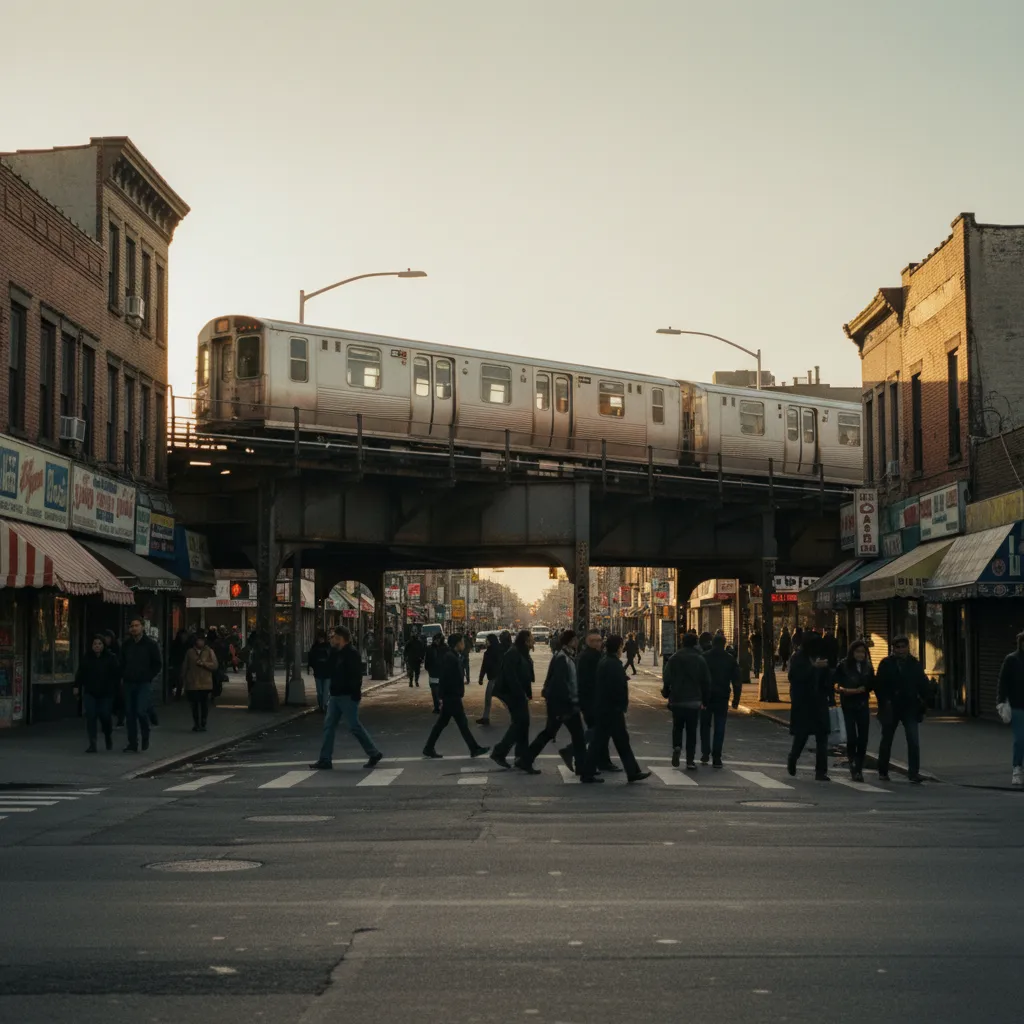
Flushing dumpling fans can ride the 7 train west along Roosevelt Avenue to find pupusas, then judge them the way they judge a bing: by the crust and the seal.
A Flushing pupusa spot picker has to start with honesty: Flushing's food fame belongs to its Chinese, Taiwanese and Korean kitchens, not to Salvadoran ones. The fun is that the 7 train links Main Street to the stretch of Roosevelt Avenue through Corona and Jackson Heights, where Central American and other Latin American kitchens crowd together. If you already judge a scallion pancake by its flaky layers or a pan-fried bun by its crisp bottom, you have the right instincts for pupusas, the griddled corn cakes from El Salvador. This is a plan for carrying those instincts a few stops west.
Same Instincts, Different Dough
Think about what makes a great shengjian bao or a stuffed bing. The bottom should be crisp and browned, the wrapper should not tear, and the filling should be juicy without leaking. A pupusa follows similar rules. The masa, made from corn treated with lime, is patted by hand into a disc, filled, folded closed and patted flat again. On the comal, it develops brown spots and a thin crust, while the cheese and beans inside melt into a creamy core.
Where it differs is texture. Wheat doughs can stretch and fold into pleats, but masa is short and crumbly, so the cook relies on wet hands and quick patting to seal it. That is why watching a good pupusera work is so satisfying. The motions are fast and rhythmic, and each round comes out the same size. Dumpling fans who appreciate a precise pleat will recognize the skill immediately.
Riding West on Roosevelt Avenue
Board the 7 at Flushing–Main Street and stay on as the train crosses the Flushing River and Flushing Meadows Corona Park. Once you reach the stations around 103rd Street–Corona Plaza and beyond, look down from the elevated platform at the avenue. The shop awnings switch to Spanish, bakeries display bright pastries, and the smell of grilled corn and meat rises from street carts. It is one of the city's great food corridors, packed into a few blocks under the tracks.
Walk rather than hopping off and on at every stop. The stretch between Corona and Jackson Heights rewards slow exploring, with Ecuadorian, Colombian, Mexican, Dominican and Salvadoran kitchens all within a few blocks of each other. You do not need a fixed target. Look for a small dining room with a comal visible from the door and families eating together, and you have probably found a solid pupusa spot.
Ordering Your First Round
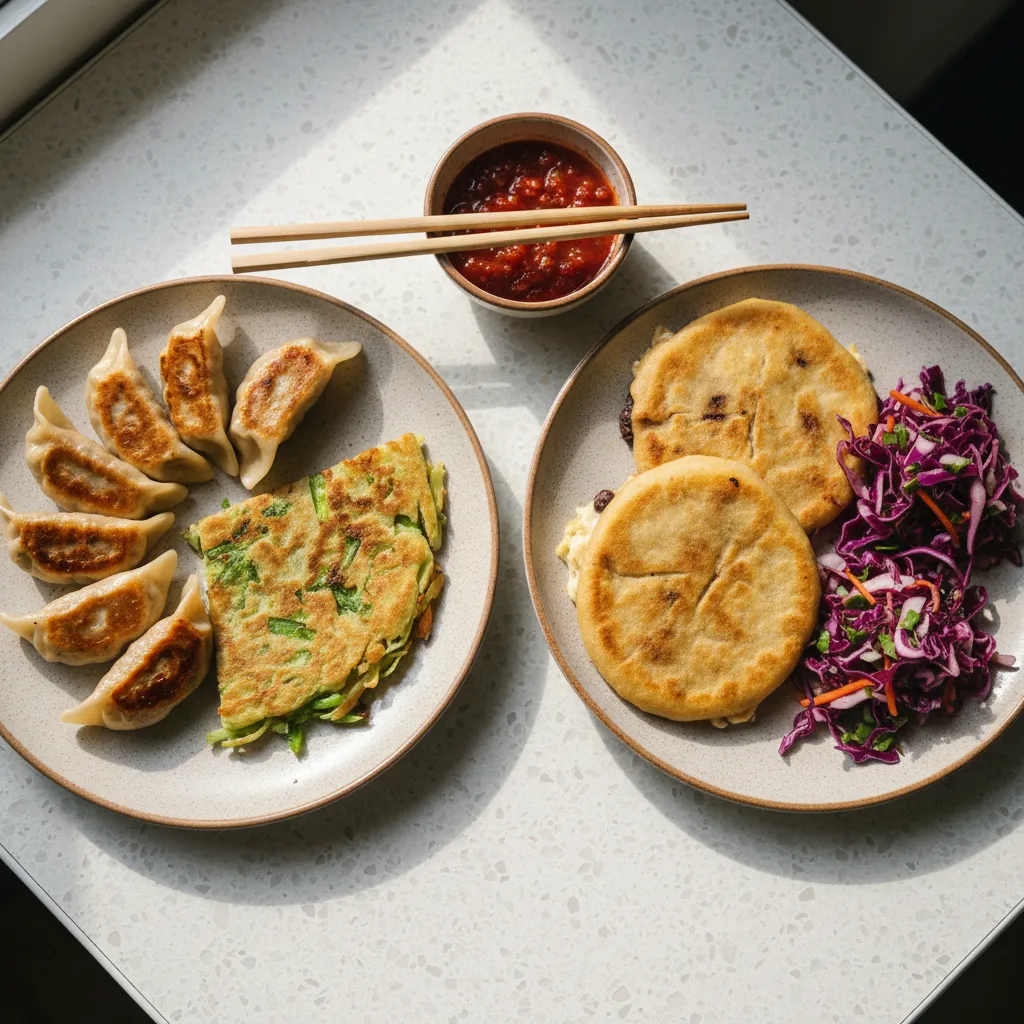
Start with a single pupusa of each classic. Queso is plain melted cheese and tells you everything about the masa. Revuelta mixes cheese, refried beans and finely ground pork chicharrón, and it is the dish regulars order most. Queso con loroco adds an edible flower bud with a grassy, herbal taste unlike anything in Chinese cooking. Three rounds shared between two people make a perfect tasting.
Each plate comes with curtido and a thin tomato salsa. Curtido is a lightly fermented slaw of cabbage, carrot and onion, sometimes with oregano and chili. Dumpling fans can think of it as the role that black vinegar and ginger play with xiaolongbao, adding acid and freshness to cut through richness. Pile it on top of each torn piece rather than eating it on the side.
Eat with your hands. Tear a piece, top it, eat it, and repeat. If you are used to chopsticks, it might feel strange at first, but a fork and knife will crush the crust and push the filling out. Most regulars eat pupusas like flatbread, and so should you.
Vegetarians in the group have good choices too. Frijol con queso, the bean and cheese pupusa, is hearty and simple, and ayote, a soft cooked squash, brings a gentle sweetness that pairs well with a sharp spoonful of slaw.
What the Room Will Feel Like
A neighborhood pupuseria in Queens rarely looks like the polished dining halls of downtown Flushing. Expect a handful of tables, a television tuned to a Salvadoran or Spanish league match, a glass case of sweet breads near the register and a cook working the griddle in plain view. Weekend afternoons bring extended families who order platters for the whole table and stay for an hour. Weekday afternoons are calmer and better if you want to ask questions about fillings.
Ordering usually happens at the counter or with a server who takes the whole table's request at once. Say how many pupusas of each filling you want, the same way you might order dumplings by the dozen. If your Spanish is limited, pointing at the menu works fine, and staff are used to curious newcomers from all over the borough. A smile and a thank-you in Spanish go a long way.
Comparing Notes Like a Food Critic
Bring a notebook or simply keep score in your head. Rate the crust, the seal, the filling and the slaw. A great pupusa has no thick, raw-tasting edges, and the filling reaches almost to the rim instead of sitting in a small lump at the center. The cheese should pull in strands when you tear the round in half. If the dough tastes dusty or flat, the masa may have been made too far in advance.
The comparison works in both directions. Plenty of Salvadoran families in Queens love the dumplings and pancakes of Flushing, and plenty of Flushing locals have never had a pupusa. Bring a friend from the other side and trade recommendations. It is one of the easiest ways to see how much the 7 train connects communities with very different food traditions.
Making It a Two-Stop Afternoon
To build a full crawl, eat light in Flushing first. A single scallion pancake or a few dumplings from a Main Street counter is enough. Ride west, walk off the first round along Roosevelt Avenue, then sit down for pupusas. Finish with a Salvadoran drink like horchata made with morro seeds or a cold tamarind juice. If you still have room, Corona's famous Italian ice stands and Flushing Meadows Corona Park are close by for a stroll.
Skip the crawl on a bitterly cold or rainy day, since the walk between stations is the best part. Save it for a clear afternoon instead, and use stormy weekends to pick one kitchen and settle in for a long, warm meal.
Plotting the Route With Karpo APP
Before you board, open Karpo APP and ask for Salvadoran kitchens and pupuserias along the 7 train between Flushing and Jackson Heights. Karpo can suggest spots that fit the kind of afternoon you want, from a quick counter to a family room that welcomes groups. Save the winners and trade lists with friends who know the other end of the line.
Ask Karpo for more information.
Keep reading
- Tribeca Birria Crawl Planner for a Jury Duty Lunch Break
 Flushing Birria Crawl Planner After Sunday Park Soccer
 Bushwick Birria Crawl Planner Around a DIY Show Night