Why walk-ins still matter in New York's omakase economy
Fact-checked update
Fact-checked update (August 10, 2026): this article was rechecked against Sushi — Wikipedia, Midtown Manhattan — Wikipedia, Dining & Wine — The New York Times, Best Sushi in NYC — Eater NY. Hours, booking rules, menus, prices, and access details can change, so the refresh keeps planning advice practical and points readers back to the linked venue or city sources before they go.
Updated August 2026: hours, prices, reservations, event dates, transit details, and venue policies can change. Use the linked official venue, city, or operator sources in the Sources section as the final reference before you go.
Direct answer: Plan NYC Pull Up Chair Sushi Counters Walk with timing, neighborhood context, price cues, booking tips, and nearby moves.
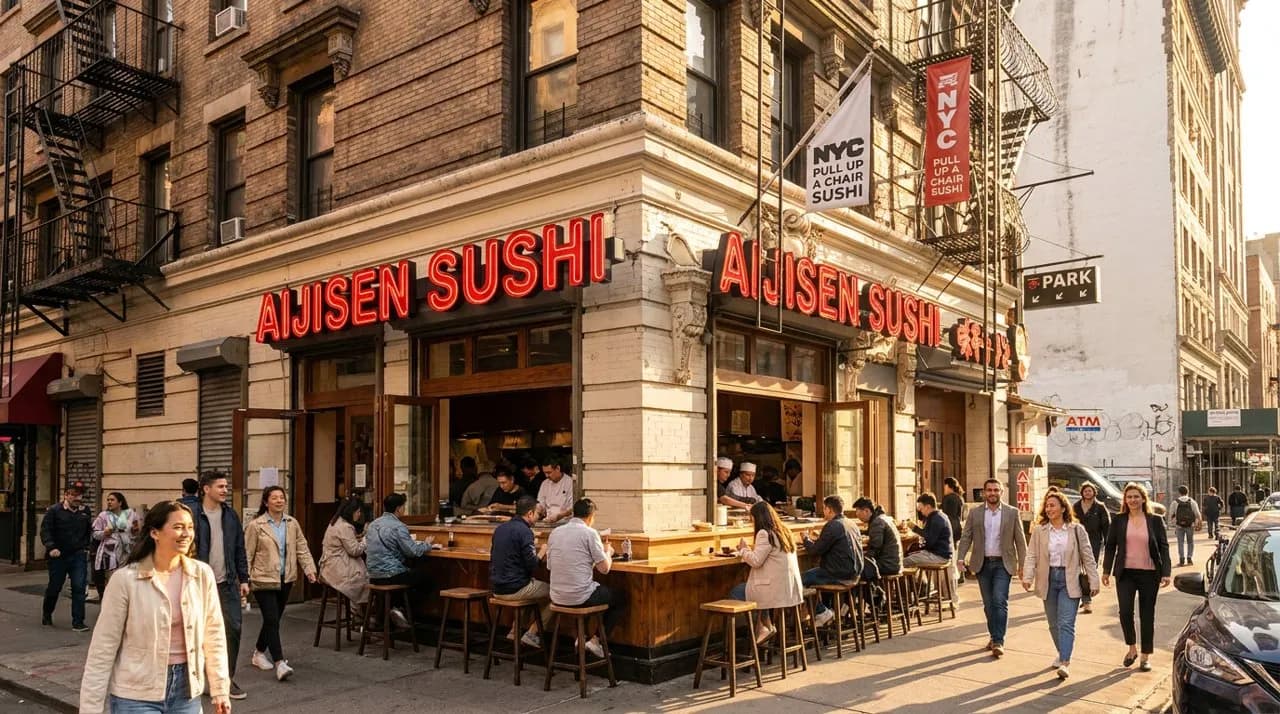
By late spring 2026, the city's sushi reservation wars show no sign of cooling. Three-Michelin-star temples like Masa and Noz 17 fill their books weeks in advance, and even neighborhood spots have adopted Resy-or-bust policies. But a handful of counters—some venerable, others deliberately contrarian—continue the older practice of holding seats for walk-ins. The reasons vary: chefs who believe spontaneity sharpens the evening's energy, owners who want to serve regulars and newcomers alike, or simple pragmatism about no-shows. Whatever the motive, these restaurants reward the diner willing to arrive at opening time or linger at the bar with a highball until a stool opens up.
Midtown's enduring counter culture
Midtown Manhattan has long anchored New York's serious sushi scene, and a few institutions still operate on old-school principles. Sushi Yasuda, the East 43rd Street landmark that helped popularize edo-mae technique in America, accepts walk-ins at its hinoki counter—though arriving when the doors open at 5:30 p.m. on weeknights vastly improves your odds. The space seats fewer than twenty at the counter, and chef Mitsuru Tamura works with a rhythm honed over decades. Expect pristine fish sourced from Tokyo's Toyosu Market and domestic day-boat operations, minimalist seasoning, and no soy sauce bottles in sight—each piece comes brushed to specification. Spring is an especially rewarding time to walk in: Japanese kinome (young sansho leaves) garnish certain nigiri, and sayori (halfbeak) appears on better nights, its silver skin scored to catch the light. Check the restaurant's site closer to your visit for any policy updates, but as of early 2026 the walk-in tradition remains intact.
A few blocks west, Sushi of Gari (locations on West 46th Street and the Upper East Side, among others) also keeps counter seats available for walk-ins, particularly on weeknights. Chef Masatoshi 'Gari' Sugio's style leans more inventive than purist—signature items include salmon with miso-infused tomato and tuna with toasted pine nuts—but the fish quality and knife work remain rigorous. The Midtown location tends to turn over faster than the uptown sibling, so patience and timing matter. Arriving around 5:00 p.m. or after 9:00 p.m. increases your chances of snagging one of the eight counter seats without a reservation.
Lower Manhattan's small-format counters
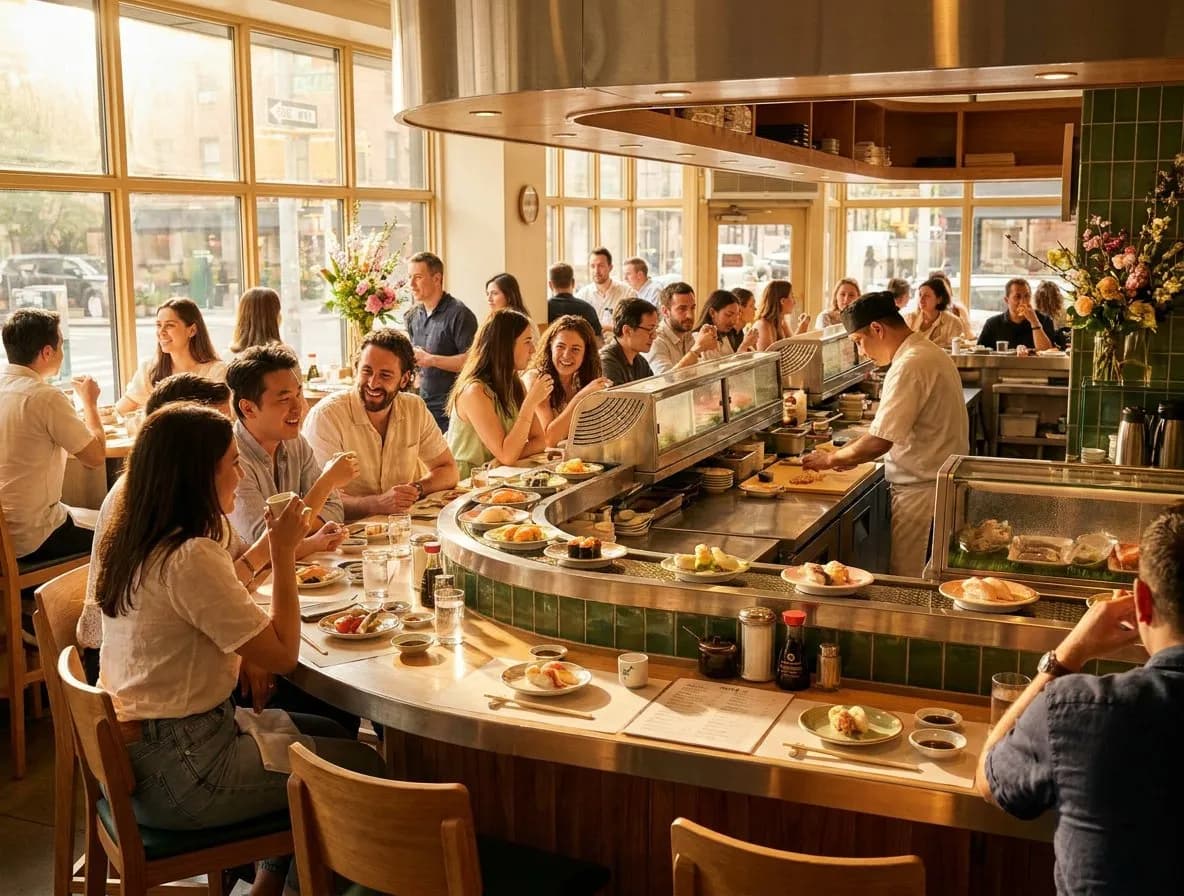
Downtown, real estate constraints have birthed a generation of tiny sushi bars where walk-ins aren't just tolerated but expected. Neta, the West Village spot on West 8th Street co-founded by alumni of Masa and Ushiwakamaru, operates a hybrid model: a handful of counter seats are reservable, but the small dining room and additional counter perches often accommodate walk-ins, especially if you're a party of one or two. The menu spans classic nigiri and more playful constructions—uni with apple and wasabi, yellowtail belly with jalapeño—and the sake list runs deep into small-batch regional producers. Spring brings increased availability as the restaurant adjusts hours for longer daylight; verify current schedules on their website.
Further south, Shuko in Greenwich Village (on MacDougal Street, though the restaurant has occasionally adjusted its location and booking policies, so confirm details closer to your visit) began as a walk-in-only counter before evolving into a reservation-hybrid model. When walk-in seats are available, they're typically at the bar adjoining the main counter, offering a slightly different vantage but the same kitchen output. The chefs lean into seasonal American fish—local fluke, Maine uni, Montauk bluefin—and the sake pairings are among the city's most carefully curated.
Brooklyn's counter revival
Brooklyn's sushi landscape has matured considerably, and several Williamsburg and Park Slope spots now rival Manhattan's best while maintaining friendlier walk-in policies. Shion 69 Leonard, tucked on a quiet Williamsburg block, keeps a few counter seats unreserved each night. Chef Shion Uino, who trained in Tokyo and at New York's Jewel Bako, offers omakase-only service with a strong emphasis on aging techniques—certain tunas and kohada rest for days to develop deeper umami. The room seats only a dozen, so walk-ins mean arriving by 6:00 p.m. or hoping for a late cancellation around 8:30 p.m. In spring, expect seasonal items like hotaru-ika (firefly squid) if the chef's suppliers come through, though availability can never be guaranteed.
In Park Slope, Suzume on Fifth Avenue maintains a neighborhood sensibility: half the eight-seat counter is held for walk-ins on most weeknights. The format is abbreviated omakase—typically ten to twelve pieces—at a price point lower than Manhattan equivalents, making it approachable for both sushi novices and regulars seeking a midweek fix. Quality is serious, sourcing largely from New York's established fish purveyors, and the chefs adjust nightly based on market conditions.
What to expect when you walk in
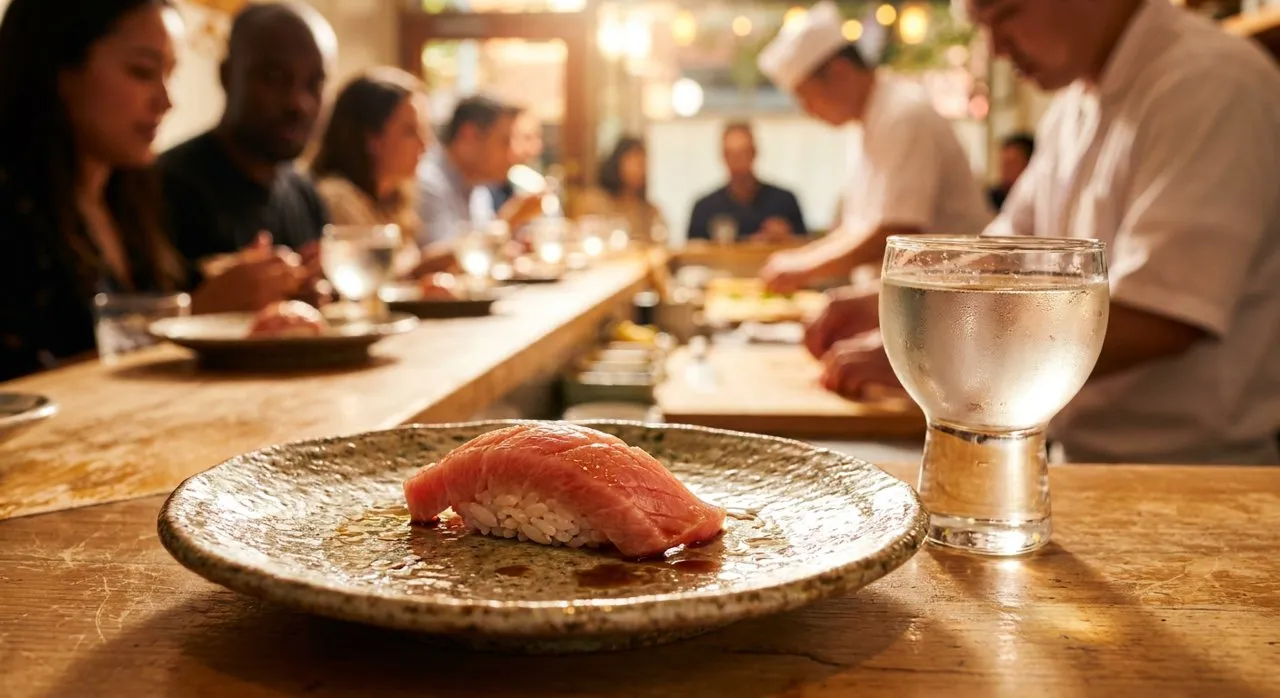
Walking into a sushi counter without a reservation requires mild strategic thinking and realistic expectations. First, timing is everything: aim for the opening slot—most counters unlock their doors between 5:00 and 6:00 p.m.—or the post-theater window after 9:00 p.m. when early seatings depart. Weeknights, especially Monday through Wednesday, offer better odds than weekends. Second, flexibility helps. Solo diners and pairs fare better than groups of four or more; the architecture of most counters favors compact parties. Third, be prepared to wait. Many restaurants will take your name and offer a drink at a nearby bar or suggest a return time. The trade-off for spontaneity is patience.
Once seated, the protocols mirror any omakase experience: trust the chef's selections, avoid heavy perfumes or colognes that compete with delicate fish aromas, eat each piece promptly after it's set before you, and ask questions between courses rather than mid-bite. Late spring in New York means the room temperature can swing as doors open; a light layer helps. Payment is typically card-only at most of these spots, and gratuity customs vary—some include service in the omakase price, others leave it to discretion. Check signage or ask politely.
What's different about spring 2026
Late spring brings both advantage and complication to the walk-in sushi diner. On one hand, the post-April lull—after winter's peak restaurant season and before summer's tourist influx—means slightly lower demand at many spots, particularly midweek. On the other, spring's best fish command premium prices and limited availability: Japanese hotaru-ika season peaks in April, wild cherry salmon runs taper by June, and certain domestic catches like soft-shell crab begin their short window in May. Walk-ins thus gain better access but may encounter abbreviated menus if deliveries run short. It's also worth noting that some restaurants adjust their hours seasonally; always verify current operations on the venue's website or by phone the day of your intended visit.
Practical notes
**Timing and logistics:** Arrive at opening time (typically 5:00–6:00 p.m.) or after 9:00 p.m. for best walk-in availability. Weeknights trump weekends. Solo diners and pairs have the easiest time. • **Budgeting:** Omakase at these counters ranges from roughly $80 per person at neighborhood spots like Suzume to $200-plus at Yasuda or Neta, before beverages and gratuity. Confirm pricing policies when you arrive. • **Dress and etiquette:** Business casual is safe; avoid strong scents. Eat each piece promptly, and save questions for between courses. • **Verification:** Restaurant hours, policies, and even locations can shift. Check the operator's official site or call ahead the day of your visit to confirm walk-in availability and any reservation changes. • **Seasonal fish:** Late spring 2026 should bring kinome, sayori, and possibly hotaru-ika and soft-shell crab, though exact availability depends on market conditions and cannot be guaranteed. • **Payment:** Most accept major credit cards; cash is rarely necessary but occasionally welcomed for gratuity.
**Tags:** #PullUpAChair #NYCSushi #SushiCounter #Omakase #WalkInDining #TokyoStyle #EdoMae #MidtownEats #BrooklynFood #WilliamsburgEats #SeasonalFish #SpringDining #SushiYasuda #LateSpring2026 #NYCFoodScene
**Sources consulted:** Venue websites and publicly available information for Sushi Yasuda, Sushi of Gari, Neta, Shuko, Shion 69 Leonard, and Suzume; New York Times dining coverage; Eater NY sushi guides; Michelin Guide New York; general knowledge of New York sushi culture and seasonal fish availability. Readers should verify all hours, addresses, policies, and menu details directly with operators closer to their visit date, as restaurant operations can change.
Sources consulted: Sushi — Wikipedia · Midtown Manhattan — Wikipedia · Dining & Wine — The New York Times · Best Sushi in NYC — Eater NY · Restaurants — Time Out New York
All trademarks are the property of their respective owners.