The Theater of Fresh Pasta
There's something hypnotic about watching a pasta maker's hands work a mound of dough into silky sheets, then transform those sheets into ribbons of tagliatelle or delicate pillows of tortellini. In the West Village and Greenwich Village, a handful of Italian restaurants have designed their spaces to put this craft on full display, with counter seats positioned directly in front of open pasta stations. These aren't just dining spots—they're front-row tickets to an edible performance that happens daily in some of the city's most charming neighborhoods.
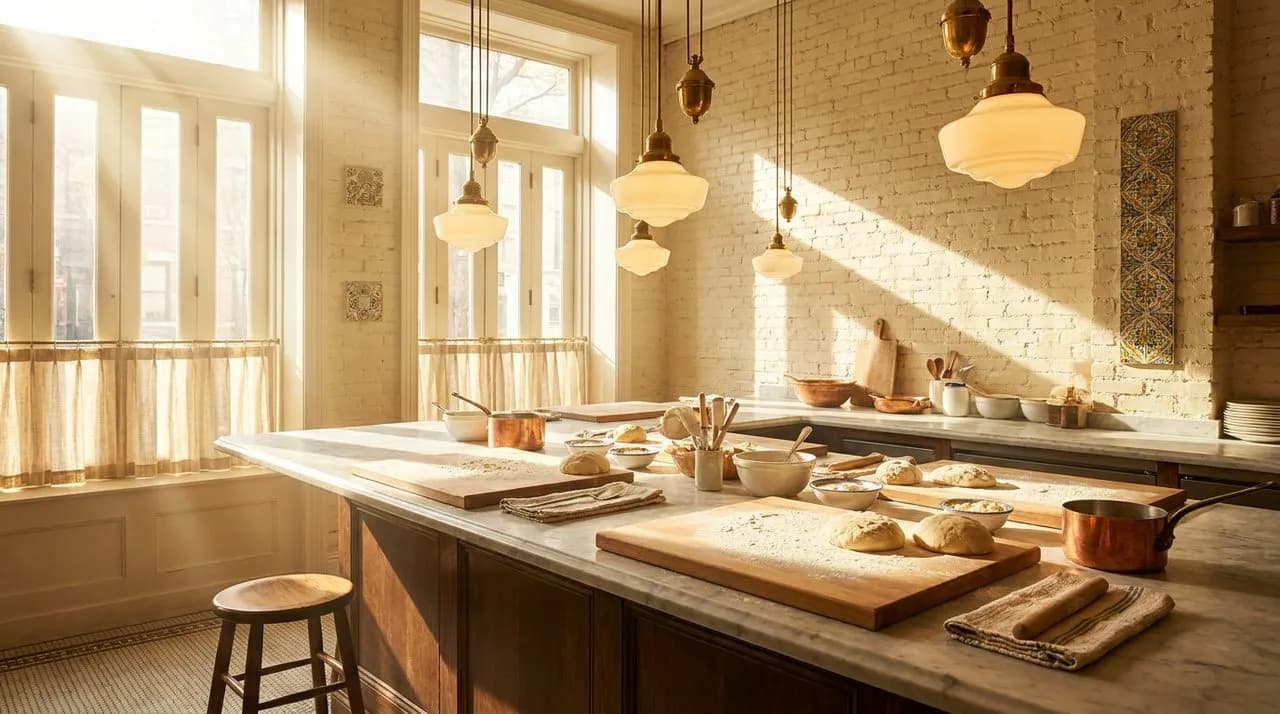
The counter seat experience differs vastly from a standard table. You're close enough to hear the rhythmic thwack of dough hitting marble, to see flour dust catch the afternoon light, and to smell the earthy scent of semolina before it hits boiling water. For anyone who appreciates craft, process, and the satisfaction of watching skilled hands at work, these seats offer something no conventional dining room can match. The West Village, with its concentration of intimate Italian spots and culinary tradition, has become the natural home for this style of dining.
Why 4-5pm Is the Golden Hour
Most pasta-focused restaurants in NYC prepare their fresh pasta in the late afternoon, during the quiet window between lunch service and dinner prep. If you arrive between 4pm and 5pm, you'll often find the pasta maker in full production mode—rolling out dough, cutting shapes, and building the evening's inventory. This is when the counter truly comes alive. The kitchen is calm enough that chefs can answer questions, explain techniques, or simply let you watch without the pressure of a packed dining room. It's also when you're most likely to snag a counter seat without a reservation.
Several West Village spots have embraced this timing, either by offering early aperitivo service at the counter or by quietly welcoming curious diners who understand they're witnessing the prep rather than ordering a full meal immediately. Some restaurants will serve wine, small plates, or a limited pre-service menu while you watch. Others simply appreciate the company of someone who values the craft. Either way, arriving during this window transforms the experience from dinner-and-a-show into something more intimate—a glimpse behind the curtain when the theater is still setting up.
West Village Counters Worth Finding
Along Bleecker Street and the narrow lanes that web out from Seventh Avenue South, you'll find several restaurants with pasta counters designed for spectators. One standout sits on Grove Street near Bedford, where a marble-topped counter faces a glass-enclosed pasta room. The setup lets you watch every step—from mixing eggs into flour wells to hanging fresh pappardelle on wooden dowels—while sipping an Aperol spritz. The space holds only six counter seats, and locals know to arrive by 4:30pm on weekdays to claim one before the dinner crowd forms.
Another notable spot occupies a corner on Carmine Street, where the pasta station sits directly behind a zinc bar. Here, the counter wraps around the workspace, giving eight seats varying perspectives on the process. The chef often works with a small team, so you might watch one person laminating dough for lasagne while another crimps agnolotti. The restaurant doesn't take reservations for counter seats—it's first-come, first-served—but the host will text you when a spot opens if you're willing to wait with a drink at the adjacent wine bar. On Christopher Street, a newer Italian spot has installed a U-shaped counter that surrounds the pasta maker entirely, creating an almost surgical-theater dynamic where diners can observe from all angles.
Greenwich Village's Hidden Gems
Just east of Sixth Avenue, Greenwich Village offers its own collection of pasta counters, often tucked into spaces that feel more residential than commercial. A tiny restaurant on MacDougal Street, south of Washington Square Park, features a three-seat counter pressed against the front window. The pasta maker works on the other side of a narrow pass, close enough that conversation flows naturally. The chef here specializes in filled pastas—ravioli, mezzelune, cappelletti—and the crimping alone is worth the visit. Because the space is so small, the 4-5pm window is especially valuable; by 6pm, every seat is spoken for.
On Sullivan Street, a family-run trattoria has maintained its pasta counter for more than a decade, long before open kitchens became trendy. The setup is utilitarian—a butcher-block table, a hand-crank pasta machine, and four stools—but the nonna who runs the station has been making pasta for fifty years. She works without recipes or measurements, and watching her assess dough by touch alone is a masterclass in intuition. The restaurant serves a simple menu of whatever pasta she's made that day, and the counter seats are considered the best in the house. Regulars know to call ahead and ask if she'll be working; on her days off, the magic isn't quite the same.
The Etiquette of Asking Questions
One of the most common anxieties about sitting at a pasta counter is whether it's appropriate to engage with the chef. The short answer: it depends on timing and body language. During the 4-5pm prep window, most pasta makers are happy to chat—they're working at a steady pace, but the pressure is lower than during service. A simple opener like "What are you making today?" or "How long does the dough rest?" is almost always welcome. If the chef responds with full sentences and eye contact, you're in the clear. If they offer a quick smile and turn back to their work, take the hint and simply enjoy the show.
Once dinner service begins, the dynamic shifts. The pasta maker is now cooking to order, timing multiple dishes, and coordinating with the rest of the kitchen. Questions should be minimal and well-timed—asked between tasks, not while they're actively plating or cutting. A good rule: if you wouldn't interrupt someone parallel parking, don't interrupt them shaping tortellini during the rush. That said, many chefs will still offer commentary or explanations unprompted, especially if they sense genuine interest. The key is to read the room and respect the work. You're a guest in their workspace, not an audience entitled to narration.
What You'll Actually See (and Taste)
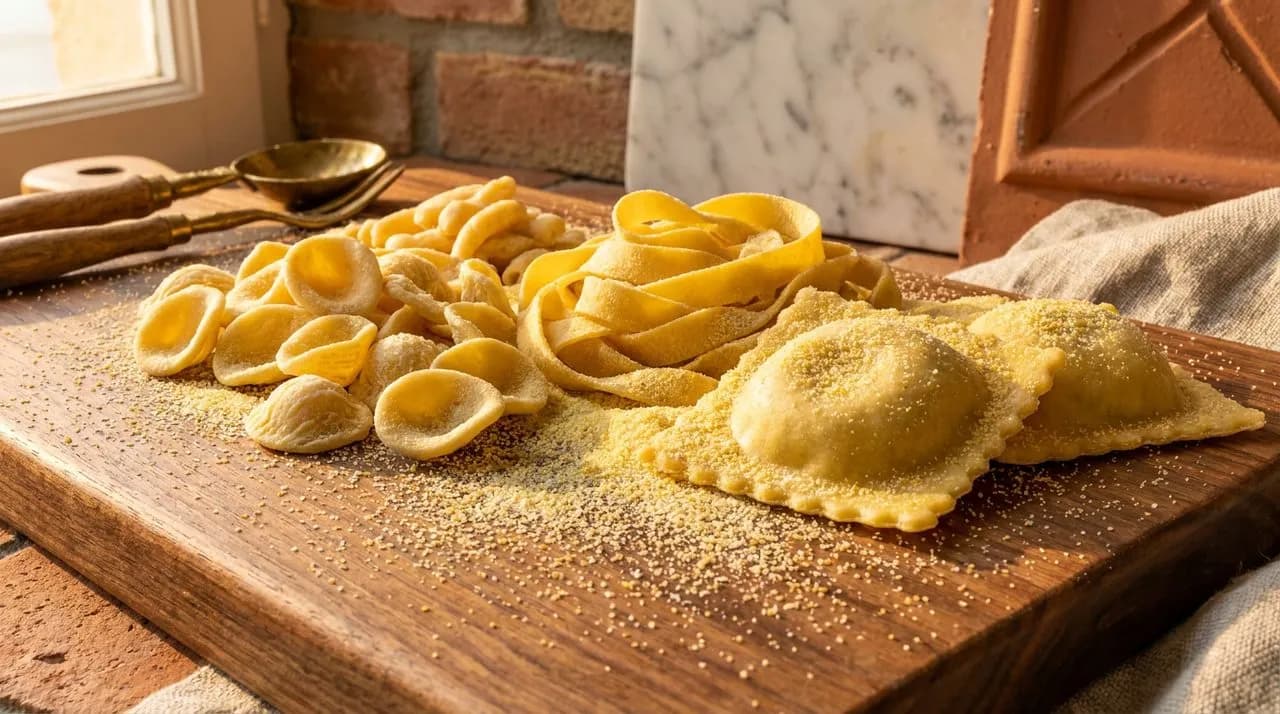
The specific pasta varieties you'll encounter depend on the restaurant's regional focus and the chef's training. Northern Italian spots tend toward egg-based doughs—tagliatelle, pappardelle, maltagliati—while southern-leaning kitchens often work with semolina and water for shapes like orecchiette, cavatelli, and busiate. Some restaurants rotate their offerings daily based on what the pasta maker feels like creating; others stick to a core menu of five or six shapes that showcase different techniques. Either way, sitting at the counter lets you see the full arc from raw ingredients to finished plate.
The sensory details are what make the experience memorable. You'll notice how the dough changes texture as it's kneaded—from shaggy and rough to smooth and elastic. You'll see the way light passes through properly rolled sfoglia, thin enough to read through but strong enough to hold a filling. You'll hear the snap of a pasta cutter and the soft thud of shaped pieces landing on floured trays. And when your dish arrives, you'll taste the difference that freshness makes—a silkiness and chew that dried pasta, no matter how high-quality, simply can't replicate. The counter seat doesn't just offer a view; it offers context that changes how you eat.
Practical Notes for Counter Hunters
Securing a pasta counter seat requires a bit of strategy, especially at the most popular spots. Reservations for counter seating are rare—most restaurants hold these seats for walk-ins or offer them on a first-come basis. Arriving during the 4-5pm window increases your odds significantly, both because demand is lower and because you'll catch the pasta-making in action. Weeknights are easier than weekends, and Tuesday through Thursday are the sweet spot when locals are out but tourists haven't yet descended.
- Arrive between 4pm and 5pm for the best chance at a counter seat and to watch pre-service pasta prep in full swing
- Weeknights, especially Tuesday through Thursday, offer the least competition for walk-in counter spots
- Bring cash for smaller family-run spots; not all take cards, and some offer a discount for cash payments
- Solo diners have an advantage—single counter seats open up faster than pairs, and you'll have more room to observe the workspace
- Ask the host if the pasta maker will be working that day; some restaurants have multiple chefs, and the experience varies by who's at the station
- Plan for a leisurely pace; counter service often moves slower as chefs balance cooking with conversation and demonstration
- Dress casually; these are working kitchens, and you may leave with a light dusting of flour on your clothes
It's also worth noting that not every Italian restaurant in West Village or Greenwich Village has a visible pasta counter, even if they make pasta in-house. Some prepare everything in a back kitchen or during morning hours. If the counter experience is your priority, call ahead or check recent photos online to confirm the setup. The neighborhoods are small enough that you can easily walk between spots if your first choice doesn't pan out, but a little reconnaissance saves time and disappointment.
Why This Matters Right Now
The pasta counter trend reflects a broader shift in how diners want to connect with their food. In an era of ghost kitchens and meal kits, there's a hunger—literal and metaphorical—for transparency and craft. Watching someone make pasta by hand is a small act of resistance against the industrialization of food. It's a reminder that some things still require time, skill, and human touch. The West Village and Greenwich Village, with their history of preserving artisanal trades and neighborhood-scale businesses, are natural incubators for this kind of experience.
As of May 2026, the demand for counter seats at pasta-focused restaurants shows no signs of slowing. If anything, it's intensifying as more chefs recognize the value of putting their process on display. For diners, these counters offer something increasingly rare in NYC: an unhurried, unmediated encounter with craft. You're not watching a video or reading a description—you're sitting three feet from the action, close enough to ask questions, to smell the dough, to see the flour on the chef's hands. In a city that often feels transactional and rushed, that proximity feels like a small luxury. And in neighborhoods as storied as the West Village and Greenwich Village, it feels right on time.
Sources consulted: NYC.gov – Official City of New York Website · Village Voice – West Village Culture and Dining · Time Out New York – Restaurant Guides · Eater NY – NYC Dining News and Reviews
All trademarks are the property of their respective owners.