The $150 Ceiling and Why It Matters
Fact-checked update
Fact-checked update (August 10, 2026): this article was rechecked against NYC.gov – Official City of New York, Time Out New York – Dining & Nightlife. Hours, booking rules, menus, prices, and access details can change, so the refresh keeps planning advice practical and points readers back to the linked venue or city sources before they go.
Direct answer: Use this NYC Pull Up Chair Omakase Counter Seats guide to plan timing, transit, costs, crowd tradeoffs, and nearby stops before you go.
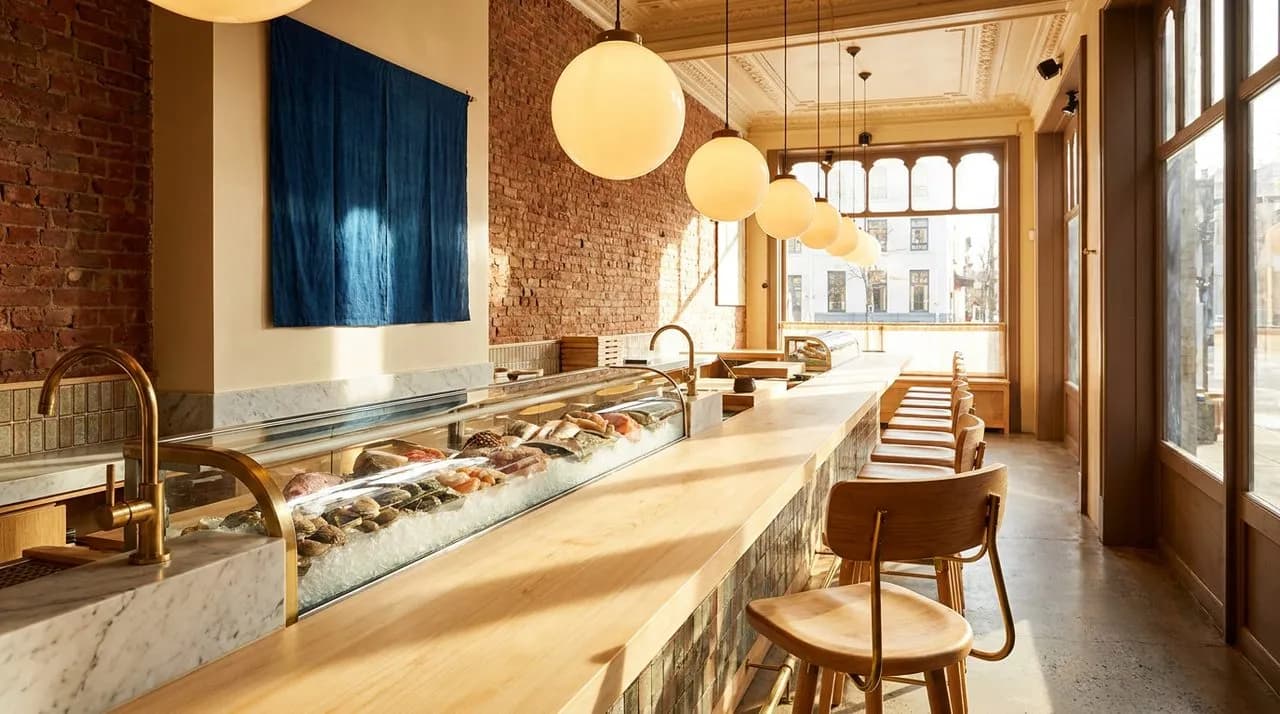
Omakase in Manhattan has become synonymous with triple-digit checks and reservation platforms that crash at midnight. But a quiet cohort of sushi counters scattered across the East Village and Lower East Side has held the line at $150 or below, often significantly below. These aren't conveyor-belt operations or fusion experiments—they're intimate, chef-driven experiences where the itamae remembers your name and the nigiri lands on your cypress board seconds after it's shaped.
The $150 threshold isn't arbitrary. It's the inflection point where omakase shifts from special-occasion splurge to semi-regular ritual, where a Tuesday dinner with a friend doesn't require budget negotiations. In neighborhoods where rents have climbed and storefronts turn over seasonally, these counters represent a kind of culinary resilience—places that prioritize neighborhood loyalty over Michelin stars and Instagram virality.
East Village Storefronts You've Walked Past
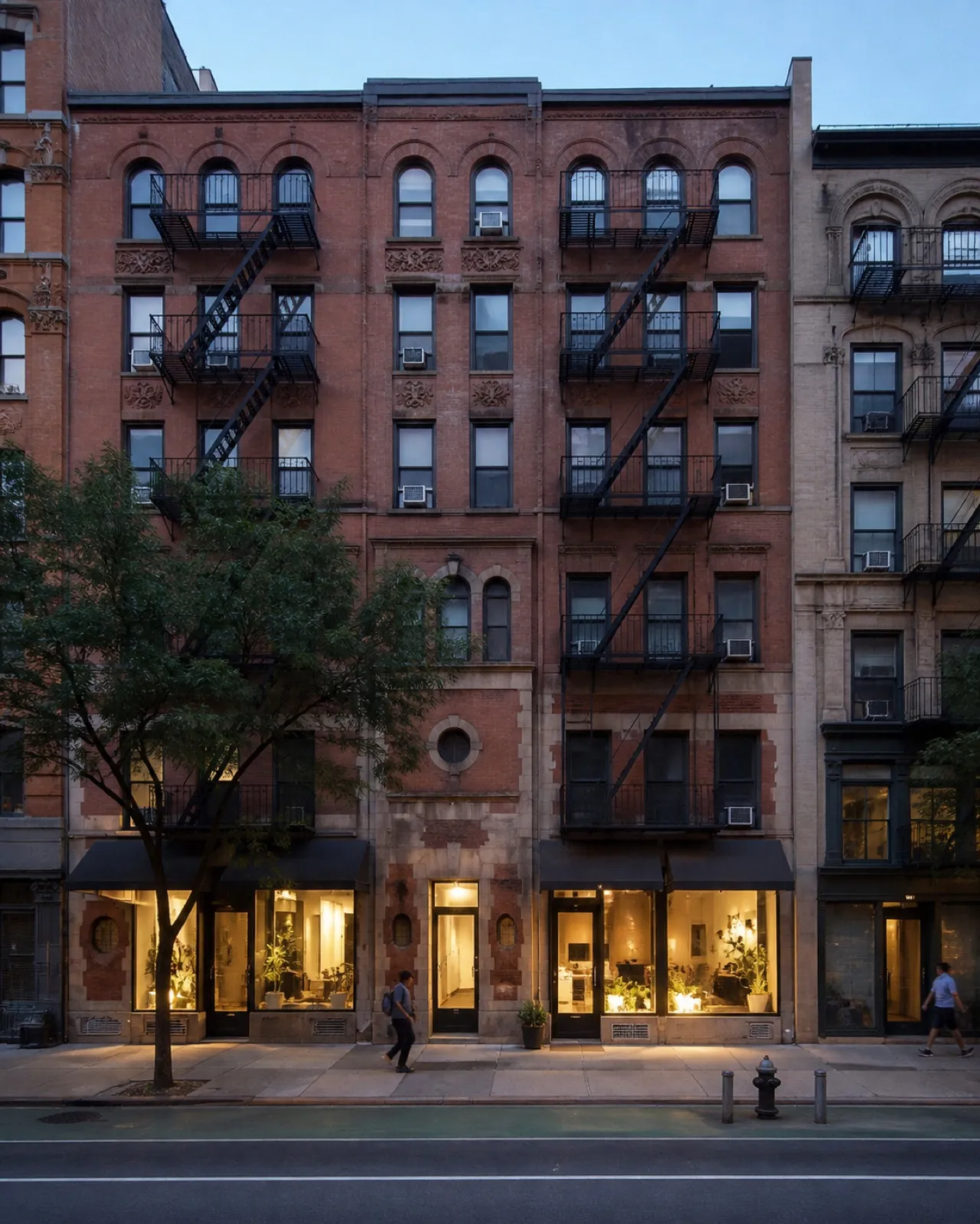
The best East Village omakase counters don't advertise. You'll find them on stretches of Avenue A below Houston, on the quiet end of St. Marks Place past the piercing parlors, tucked into former tenement retail spaces with eight seats and a sake fridge. They open at 5:30pm, and if you arrive before six on a weeknight, there's a decent chance you'll snag a stool without a reservation. The chefs are often alumni of more famous kitchens—Masa, Sushi Nakazawa, places where they spent years perfecting tamago technique before striking out on their own.
Look for hand-lettered signs in Japanese, narrow doorways, and interiors that seat fewer than a dozen. These spots source from the same Toyosu Market exporters as their Midtown counterparts but skip the markup that comes with a SoHo address. A twelve-piece omakase here might run $95 to $120, including miso soup and a handroll finale. The fish is flown in twice weekly, the rice is seasoned with red vinegar, and the wasabi is grated fresh from Shizuoka root.
Lower East Side After-Work Counters
The Lower East Side's omakase scene skews slightly more polished, with spots along Orchard and Ludlow that cater to the finance crowd spilling out of FiDi after market close. These counters open early—some as soon as 5pm—and the first seating is almost always walk-in friendly. By 6:30pm the stools fill, but that golden 5:00 to 5:45pm window is reliably open. Expect menus in the $110 to $135 range, often with an optional sake pairing that pushes the total just past $150 if you indulge.
What distinguishes these Lower East Side counters is their hybrid identity: neighborhood joints that happen to serve exceptional sushi. You'll see regulars in business casual next to couples in sneakers, chefs who've worked the line at Eleven Madison Park now running eight-seat operations with no PR firm and no waitlist app. The vibe is convivial, not hushed. Conversations happen across the counter. The itamae will ask if you prefer your uni creamy or briny, your toro lightly torched or untouched.
The Unsung Lunch Omakase Trend
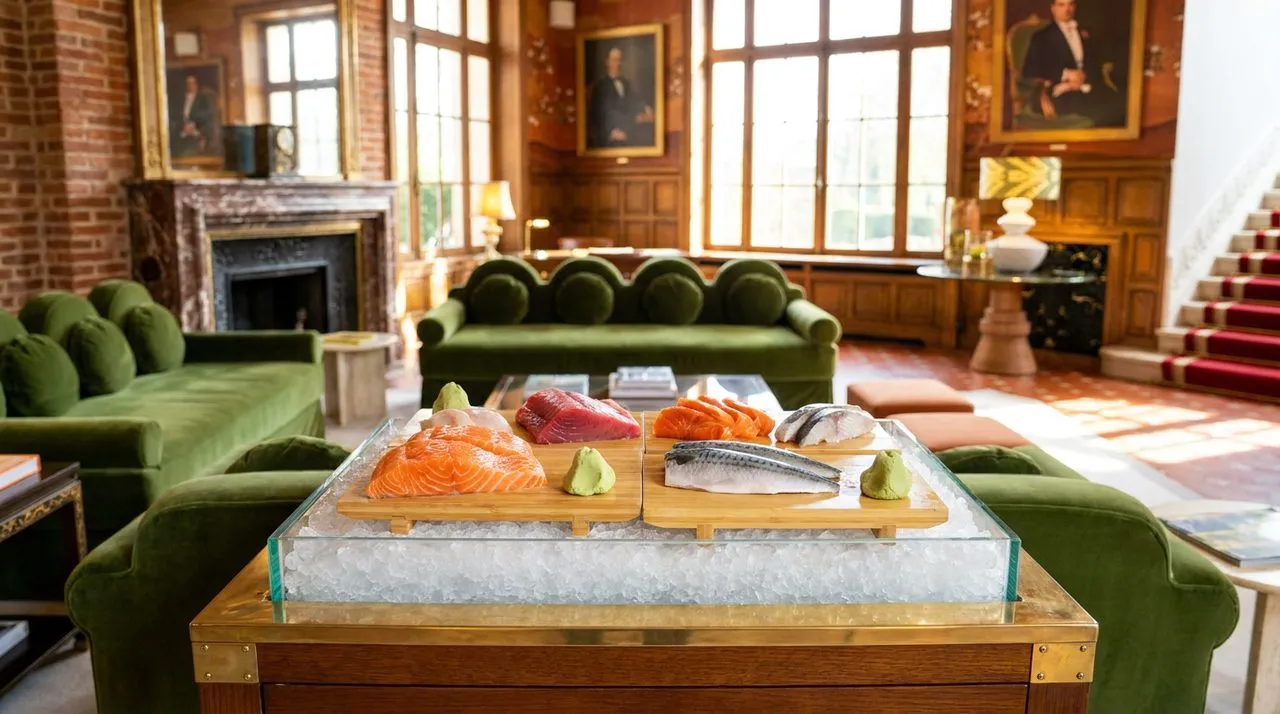
Lunch omakase is the secret weapon of the under-$150 strategy. A handful of East Village and Lower East Side counters offer abbreviated midday menus—eight to ten pieces instead of twelve to fifteen—priced between $65 and $85. The fish is the same quality as dinner service; the portions are only slightly smaller. You're in and out in forty-five minutes, which makes it feasible to slip away from a Midtown office or a remote-work afternoon without derailing your day.
Lunch slots are easier to book on short notice, often same-day, and walk-ins are common if you arrive right at noon or just after 1pm when the first wave clears. The crowd is a mix of industry insiders, freelancers, and retirees who've discovered that Tuesday at 12:30pm is the least competitive time to eat exceptional sushi in Manhattan. Some counters throw in a complimentary appetizer—steamed chawanmushi or a small sesame spinach salad—that would cost extra at dinner.
How to Score a Walk-In Seat at 5:30pm
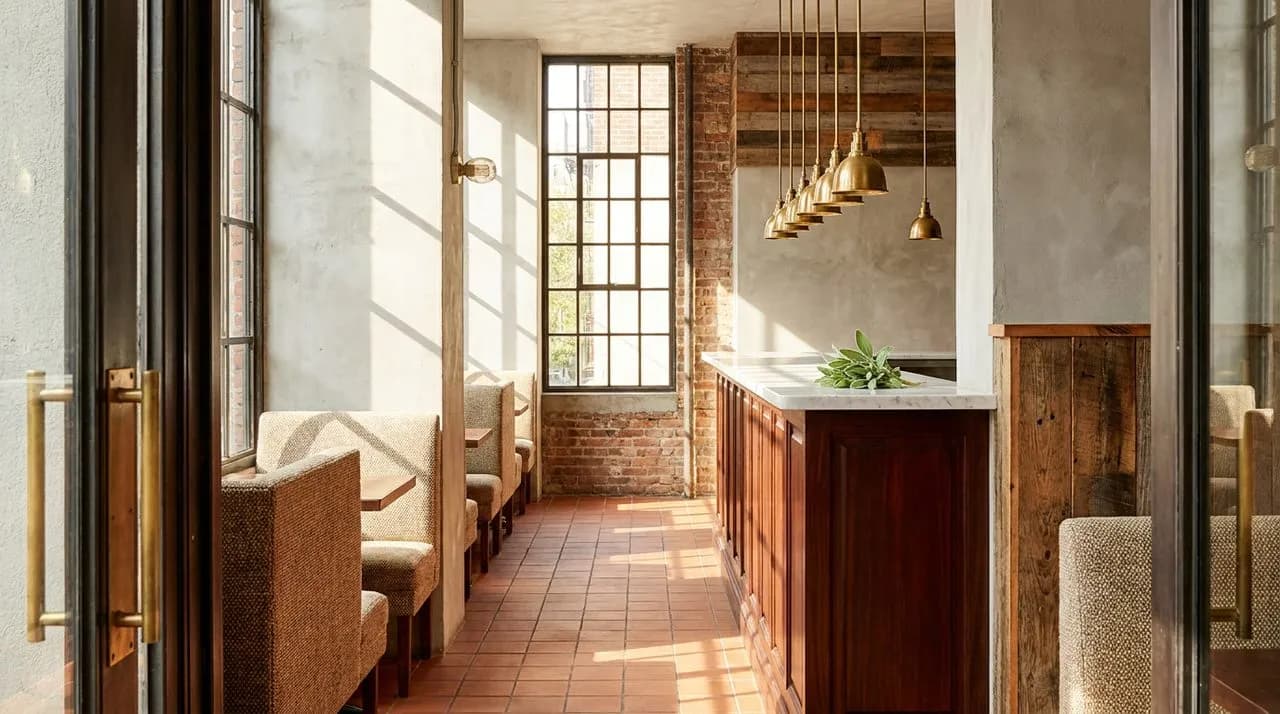
The 5:30pm walk-in is a repeatable hack if you understand the rhythm. Most omakase counters in this price range run two dinner seatings: one at 6pm or 6:30pm, another at 8:30pm or 9pm. The space between closing lunch service and the first dinner seating is a no-man's-land that many venues leave open for walk-ins. Arrive at 5:30pm on a Tuesday, Wednesday, or Thursday—weekends are tougher—and ask if they have a counter seat available before the 6pm reservation block.
Chefs appreciate early diners because it smooths out kitchen timing. You're not competing with the post-work rush or the date-night crowd. Bring a book or be prepared to chat with the itamae; you might be the only customer for the first twenty minutes. If the counter is full, ask if they have a waitlist or if you can return in thirty minutes. More often than not, a stool opens up. This strategy works best at spots with six to ten seats—small enough that one cancellation creates opportunity.
Practical Notes for Counter Dining
Omakase etiquette is simpler than the internet makes it sound, but a few habits will make you a welcome regular. Arrive on time or a few minutes early; late arrivals disrupt the pacing for everyone at the counter. Eat each piece within a minute or two of it being placed in front of you—nigiri is shaped to be consumed immediately, while the rice is still body temperature. Don't mix wasabi into your soy sauce; the chef has already applied the optimal amount. If you're unsure whether to use your hands or chopsticks, watch what others do or just ask.
- Leave your phone in your pocket—counter dining is a live performance, and the chef notices when you're distracted.
- Tip 18-20% on the pre-tax total; omakase chefs often work alone or with a single assistant.
- If you're not a sake drinker, ask for green tea or sparkling water; you don't need alcohol to enjoy the experience.
- Avoid heavy perfume or cologne—it interferes with the delicate aroma of the fish.
- If you have dietary restrictions, mention them when you sit down, not halfway through the meal.
- Don't fill up on the complimentary edamame or miso soup if it's served first; pace yourself for ten-plus pieces.
- Ask questions if you're curious about a fish or technique—most chefs enjoy the interaction.
Why These Spots Stay Under the Radar
The omakase counters that thrive below $150 share a common philosophy: they'd rather be full six nights a week with repeat customers than chase a fleeting burst of hype. Many don't maintain Instagram accounts. Some don't even have websites—just a Google listing with hours and a phone number. They rely on word-of-mouth, on the neighbor who brings a coworker, on the food writer who drops a line in a roundup without revealing the exact address.
This obscurity is partly defensive. Once a spot gets tagged in enough posts or featured in a major publication, the walk-in window closes and the reservation game begins. The chefs know this, and many actively avoid press. They're not interested in expanding to a second location or franchising the concept. They want to make sushi the way they learned it, for people who appreciate it, in a neighborhood they've chosen to call home. That's the deal, and it's right on time for a city that often forgets the value of staying small.
Sources consulted: NYC.gov – Official City of New York · Time Out New York – Dining & Nightlife · Eater NY – New York Restaurant News · MTA.info – New York Public Transit · OpenTable – Restaurant Reservations
All trademarks are the property of their respective owners.