Most omakase counters in Manhattan treat reservations like currency—booked weeks out, paid deposits, waiting lists that refresh at midnight. This seven-seat room above Ludlow Street takes a different stance four nights a week: the 5 p.m. seating belongs to whoever climbs the narrow staircase first. No Resy link, no credit card hold, just a small placarded sign at street level and a tea shop on the ground floor that nods you toward the back. By late May 2026, the rhythm has settled in—a quiet queue forming near the doorway by ten minutes to five, everyone pretending not to count heads.
The room and the wood
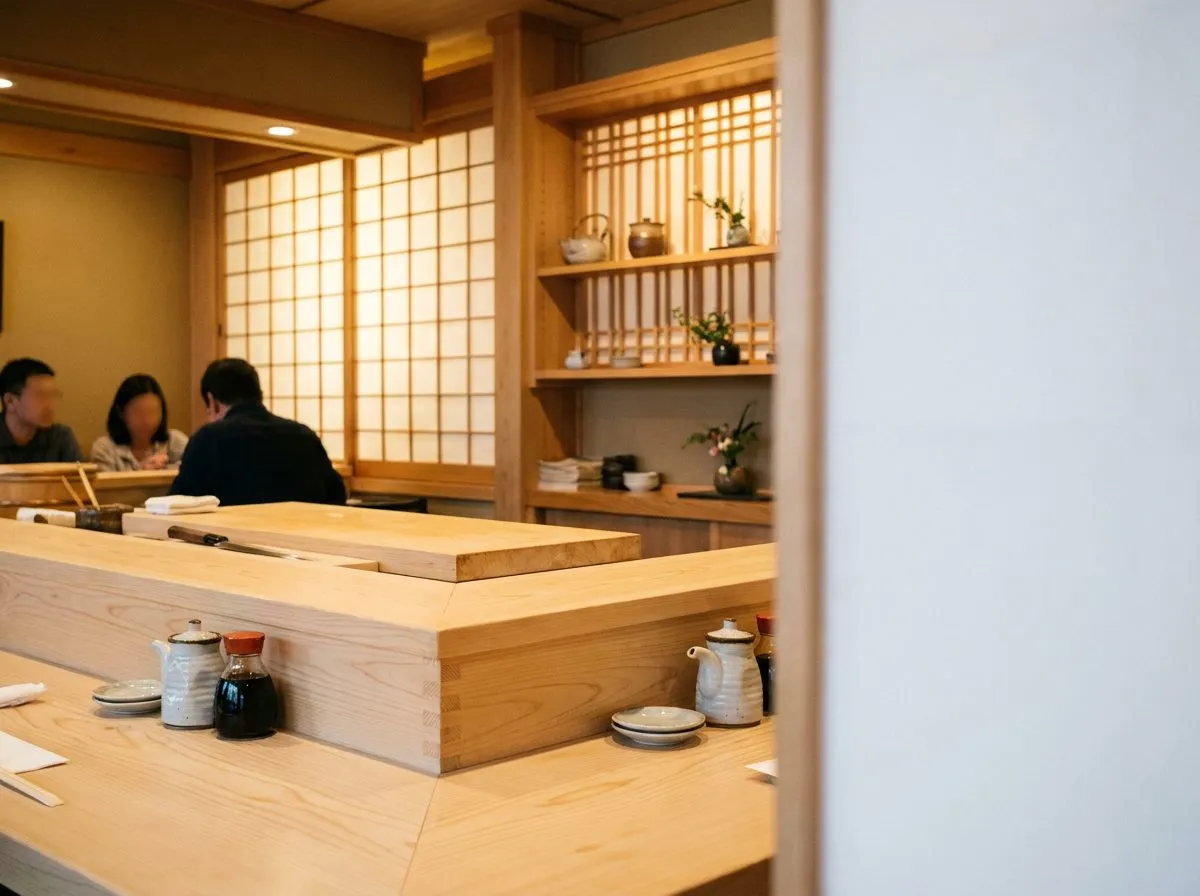
The counter itself is a single plank of hinoki, pale and tight-grained, installed with enough care that you notice the seams—or rather, their absence. Seven stools, upholstered in navy linen, face the chef and his mise en place: neat rows of fish on ice, a tall stack of nori, a wooden rice tub wrapped in cloth. The walls are plaster, the lighting is recessed and warm, and there's a small ikebana arrangement on a corner shelf that changes weekly. No music, no televisions, no art except the knife work.
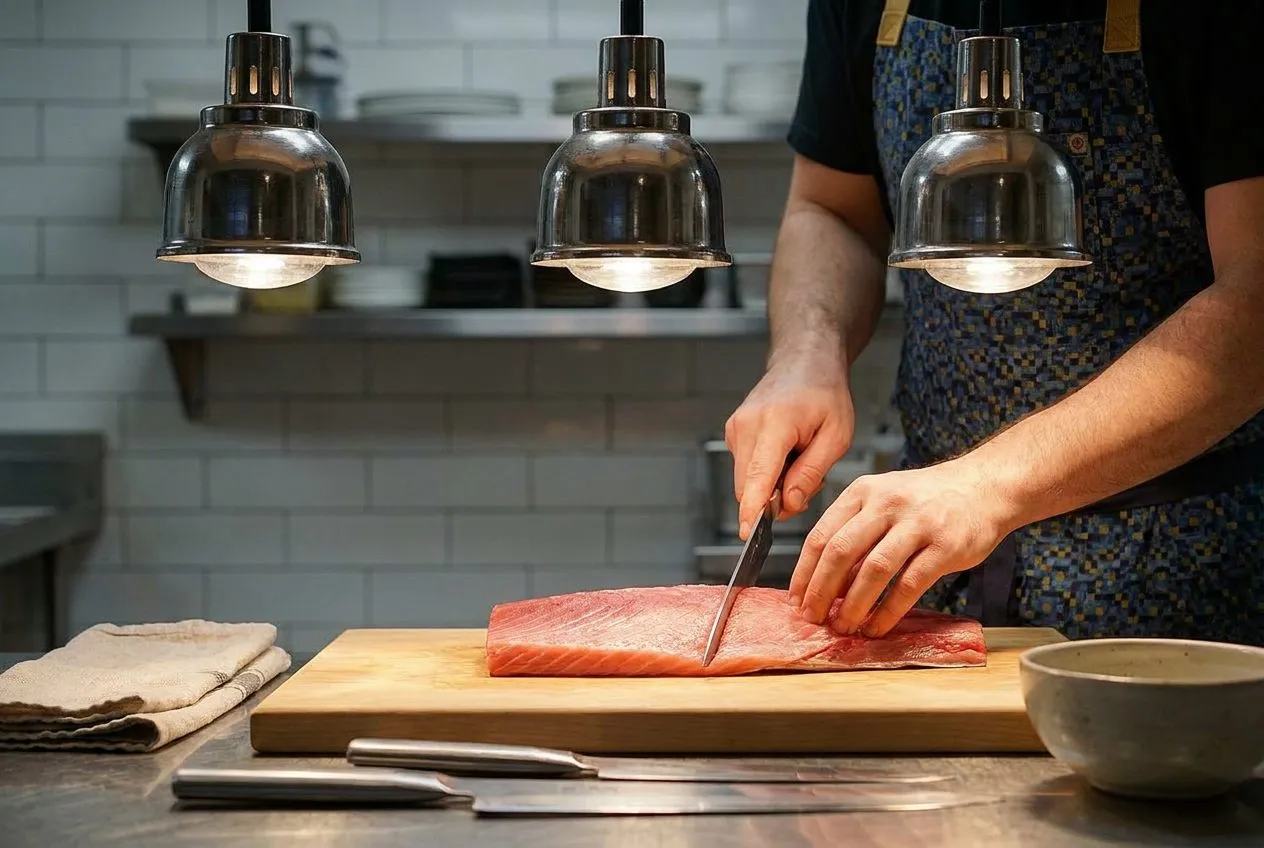
The silence isn't hostile. It's the kind that emerges when seven strangers realize they've all signed the same unspoken contract: watch, taste, ask sparingly. The chef—Osaka-trained, though the specifics of his CV remain deliberately vague—works with economy. He'll answer questions about provenance or technique, but he won't narrate every slice. If you want theater, go elsewhere. If you want fish handled with respect and very sharp knives, stay.
What arrives, and when
Twelve pieces of nigiri, two hand rolls, miso soup, and a palate cleanser somewhere in the middle. Ninety minutes from the moment you sit to the moment you bow and leave. The fish comes from Toyosu Market via a Hunts Point importer whose name the chef will share if pressed—he's proud of the chain, not secretive, just not inclined to oversell. The rice is warm, lightly seasoned, and holds together with exactly the tension it should. You'll taste chu-toro, something translucent and barely sweet, a clam that snaps between your teeth, and at least one piece you won't recognize until you ask.
The hand rolls come late, nori still crackling, and they're the only moment the pace shifts. Everything before has been steady, methodical; the rolls invite a different posture, a lean-in, a faster finish before the seaweed softens. The miso arrives when the chef decides you need it, usually after something rich. It's a gentle reset, not a flourish. Then back to fish until the final piece—often something fatty, often uni if the day's delivery was good—and a wordless signal that the meal has ended.
The sake list and the optional pairing
There's a short sake menu, maybe a dozen bottles, leaning toward smaller producers and junmai styles. You can order by the glass or take the pairing, which adds four two-ounce pours timed to the progression. The pairing isn't obligatory, and the chef won't upsell it. Some evenings half the counter drinks it; some evenings everyone orders green tea and one person has a beer. The sake itself is well chosen—clean, expressive, nothing so bold it drowns the fish. If you know what you like, order à la carte. If you're curious, the pairing will teach you something.
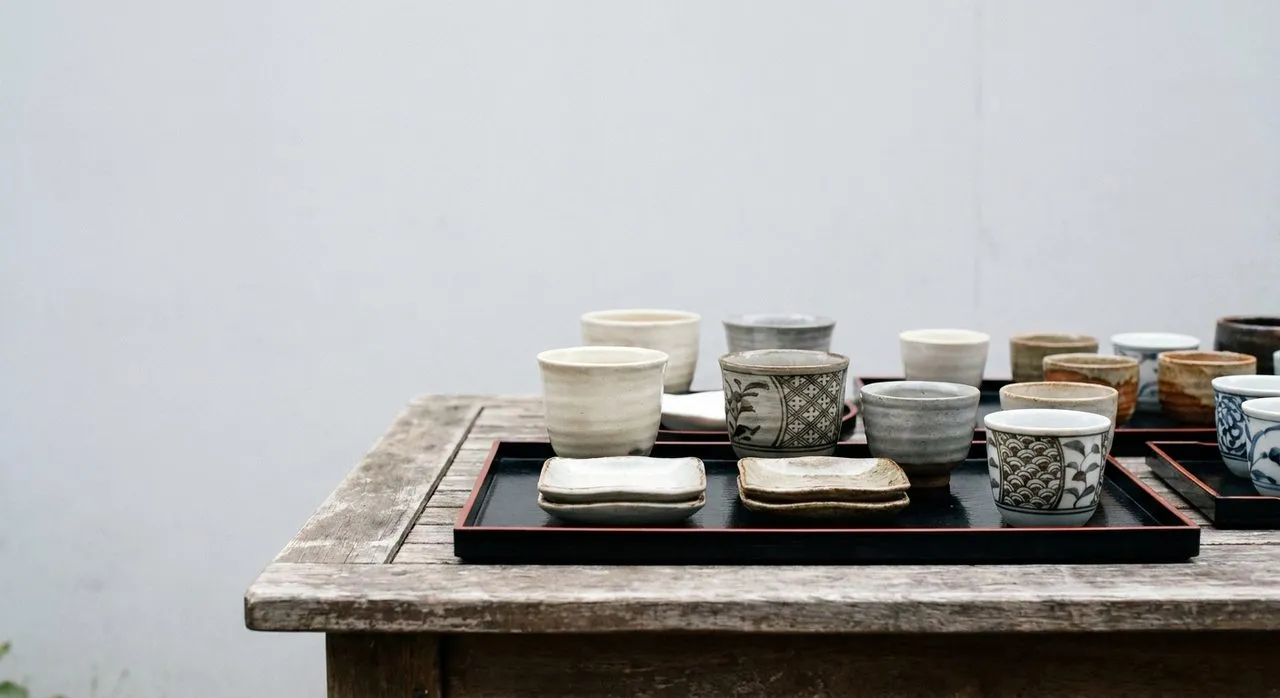
The tea shop downstairs also supplies a house-blend sencha that's available throughout the meal, no charge. It's a small touch, but it's the right one. The water is good, the cups are ceramic, and no one will judge you for skipping alcohol. The vibe here isn't about connoisseurship as performance—it's about having what you want and letting the fish do the talking.
Why the walk-in window exists
The decision to hold the first seating for walk-ins Monday through Thursday isn't a gimmick; it's a deliberate cushion against the reservation-industrial complex. The 8:30 slot is bookable in advance, and weekends are fully reserved, so the business model doesn't hinge on spontaneity. But the chef wanted a way for neighborhood regulars, industry friends finishing a lunch shift, and the reservation-weary to have a shot without planning a month out. It's a gesture toward a different kind of hospitality, one that assumes you'll show up on time and respect the room.
That said, 4:50 p.m. is not a suggestion. The staircase door unlocks at 4:55, seating begins at five sharp, and if all seven stools fill before you arrive, you're out of luck. On a typical May evening—when the light is still bright through the tea shop's front window and Ludlow is humming with early foot traffic—a handful of people will be waiting. Some scroll their phones, some peer through the glass at the tea canisters. By 4:58 there's a quiet shuffle toward the door. By 5:02 the counter is full and the first piece of fish is on the board.
What to expect from your neighbors
Because there's no reservation filter, the crowd skews eclectic. You might sit next to a couple celebrating an anniversary, a solo diner with a tote bag full of bookstore purchases, or someone in chef's clogs who clocked out an hour ago. The common thread is intent: no one stumbles into a seven-seat omakase counter by accident. That shared seriousness creates a kind of temporary trust. You're all here for the same reason, and the close quarters—elbows nearly touching, shared view of the cutting board—make it easy to fall into a companionable quiet.
Occasionally someone will murmur a question to their neighbor about a particular fish, or the chef will address the whole counter with a brief comment about the day's bluefin. But mostly the communication is vertical: diner to chef, chef to diner. It's not unfriendly. It's focused. And when the meal ends and everyone files back down the narrow staircase into the evening noise of Ludlow, there's a collective exhale, a return to the world outside the wood and the knife and the rice.
Practical notes
The counter sits above a tea shop on Ludlow Street in the Lower East Side, near Stanton and Rivington; look for discreet signage and a staircase entrance around back or through the shop itself—verify the exact entry point when you arrive. Nearest subway: F to Delancey–Essex, or J/M/Z to Essex Street, both a short walk west. Street parking is scarce; nearby garages exist but expect weekend premiums. Walk-in seating may be available on select nights; check directly for the current reservation policy and seating times—check directly for current reservation policies. The space is on the second floor with stairs and no elevator. Cash and card both accepted. Bring punctuality, an open mind, and an empty stomach. Omakase prix fixe and sake-pairing pricing should be verified directly with the restaurant.
Tags: #PullUpAChair #NYCOmakase #LowerEastSide #LudlowStreet #SushiCounter #WalkInDining #IntimateEats #OsakaTrained #ToyosuFish #HinokiWood #Spring2026 #SakePairing #NYCEats #QuietLuxury #EdomaeMoments
Sources consulted: Omakase · Lower East Side · Time Out New York Restaurants · MTA Transit Info · Hinoki Wood
All trademarks are the property of their respective owners.