The new accessibility of omakase
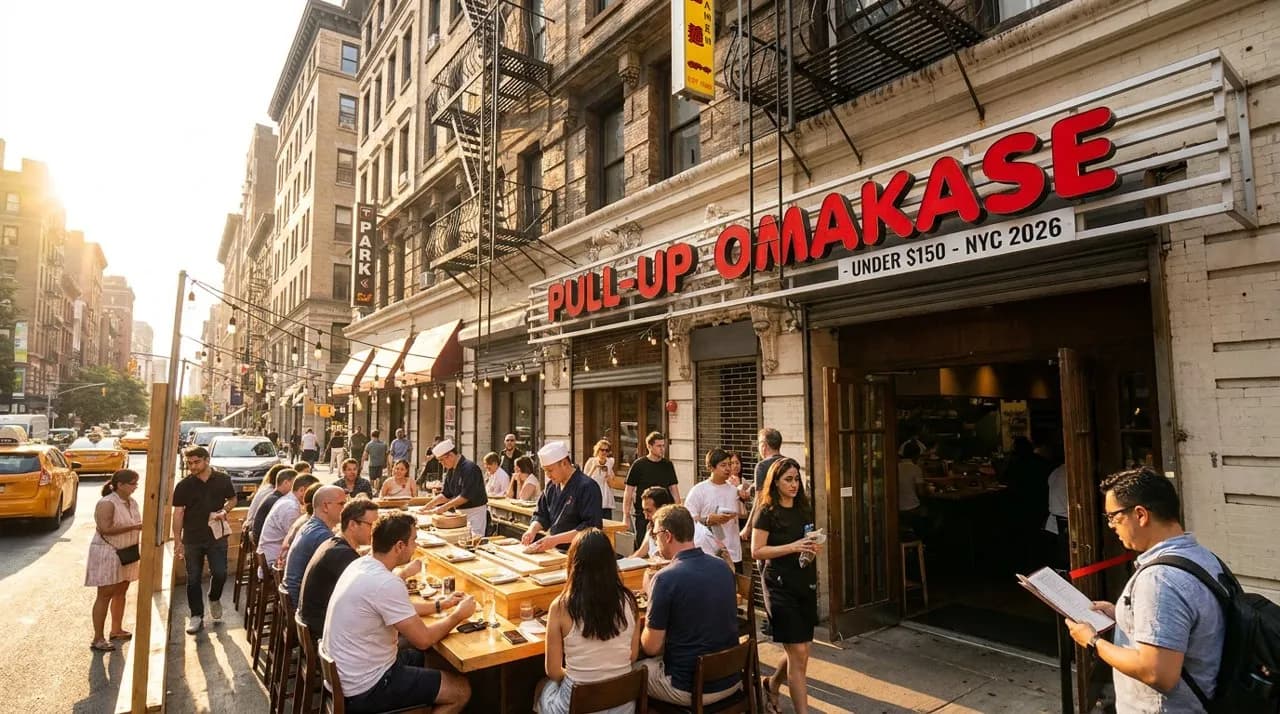
For years, New York's omakase scene operated on a simple principle: extraordinary sushi required extraordinary planning. Reservations at top-tier counters like Masa or Sushi Noz disappeared months in advance, while price tags routinely cleared $400 per person before sake. But the landscape shifted dramatically between 2022 and 2025, driven by a new generation of chefs who trained in elite kitchens yet prioritized accessibility over exclusivity. These operators recognize that omakase—literally "I'll leave it up to you"—should celebrate spontaneity rather than punish it. The result is a city where you can finish work at seven, text a friend, and find yourself at a cypress counter by eight, watching a chef torch toro while explaining the morning's Toyosu Market haul.
East Village counters where walk-ins work
The East Village remains the city's most democratic sushi neighborhood, with several omakase-style counters that operate on flexible seating systems. Sushi by Bou locations—including their original East Village outpost at 152 Bleecker Street—offer $50-$125 omakase experiences bookable same-day through their website or walk-in app, check their site closer to your visit for current availability. The thirty-minute "Omakase Bougie" format serves twelve pieces in rapid succession, prioritizing efficiency without sacrificing fish quality. Meanwhile, Davelle on East 7th Street frequently has counter availability within 24-48 hours for their $98 omakase, particularly on weeknights. The intimate eight-seat space emphasizes seasonal fish over Instagram theatrics, with chef-owner Daisuke Nakazawa's protégés explaining each piece's provenance. For truly spontaneous dining, Hasaki on East 9th Street—technically a full-service restaurant—offers an omakase option at their sushi bar that rarely requires advance booking and typically falls around $80-$120 depending on selections.
Midtown's underutilized lunch counters
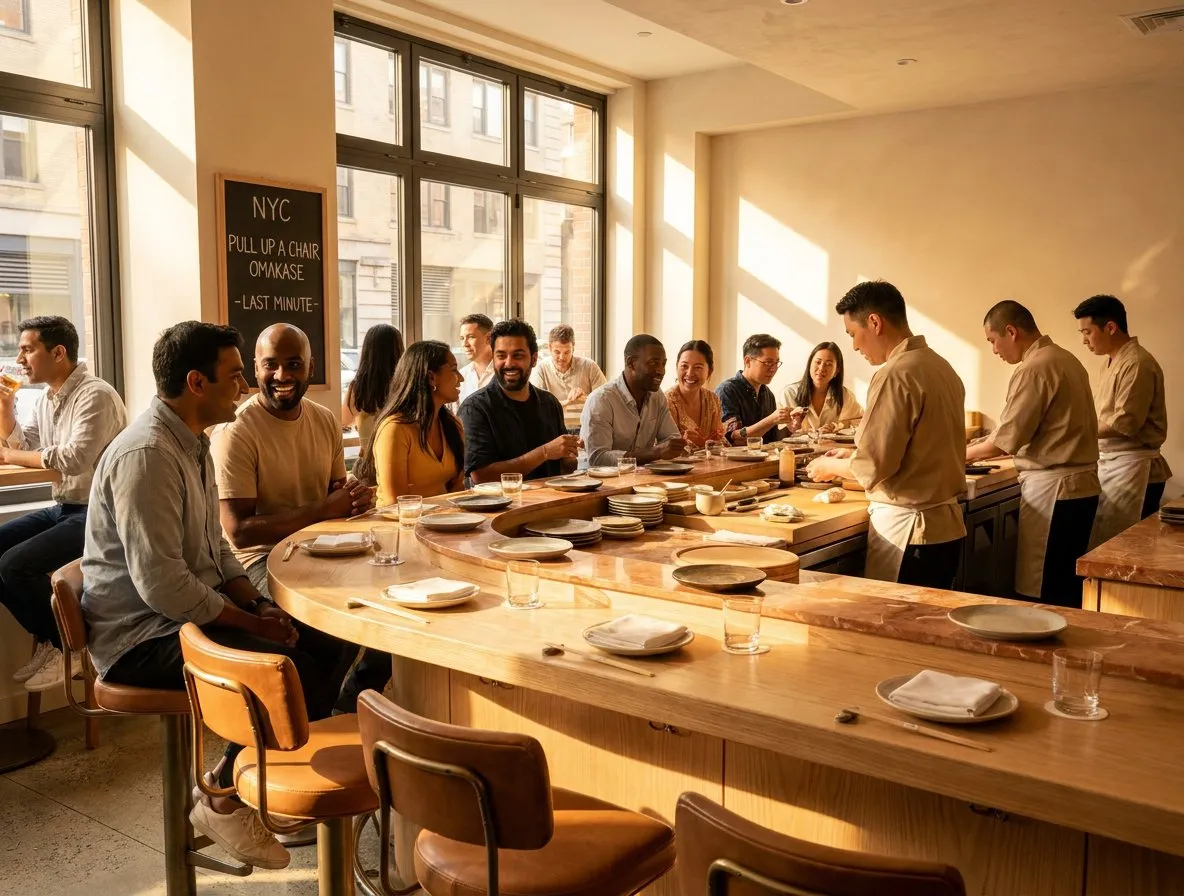
Manhattan's business districts hide an open secret: many of the city's most skilled sushi chefs serve lunchtime omakase at a fraction of dinner prices, often with same-day availability. Sushi Yasuda in Midtown East, while requiring dinner reservations weeks ahead, frequently accommodates lunch walk-ins Tuesday through Friday for their $120 omakase, though calling ahead the morning of your visit is advisable. The difference isn't quality—the same chefs work both services—but rather tourist traffic and business dinner budgets. Near Grand Central, several smaller operations maintain counter seating for office workers seeking quick yet refined meals. Tanoshi Sushi on York Avenue offers a $75 lunch omakase with typically better availability than their sought-after dinner seatings. The key with lunch omakase is timing: arrive before 12:30 pm or after 1:45 pm to avoid the midday crush, and you'll often find thoughtful, unhurried service despite the lower price point.
Brooklyn's neighborhood izakayas with omakase programs
Brooklyn's sushi evolution favors neighborhood regulars over Manhattan trophy hunters, creating opportunities for visitors willing to cross the East River. Shuko in Williamsburg—though occasionally requiring reservations during peak times—maintains a first-come, first-served policy at their bar where a $135 omakase showcases both traditional Edomae technique and experimental flavor combinations. The space feels more like a Japanese listening bar than a formal sushi counter, with low-key service that encourages conversation. In Park Slope, Fuji Sushi maintains an old-school approach where the $85-$110 counter experience depends on what owner-chef Toshio Tomita sources that morning from suppliers, and walk-ins are standard practice. Further into Brooklyn, Sushi Katsuei in Park Slope offers omakase in the $90-$120 range with generally good same-week availability, check their current booking system closer to your visit. These neighborhood spots prove that omakase thrives outside Manhattan's competitive pressure, where chefs focus on feeding locals well rather than chasing Michelin stars.
Timing strategies that maximize availability
Even at reservations-recommended counters, understanding release patterns creates last-minute opportunities. Many omakase restaurants hold back a portion of seats for their booking platforms' same-day or 24-hour windows—typically releasing them between 10 am and noon for that evening. OpenTable, Resy, and Tock all show different inventory for the same restaurant, so checking multiple platforms pays off. Tuesday through Thursday evenings offer significantly better availability than weekends, particularly the 5:30 pm and 9:00 pm seating times that bookend prime dining hours. January through March (excluding Valentine's week) and the post–Labor Day September period represent the city's omakase shoulder seasons, when even sought-after counters show sporadic availability. Weather also matters: torrential rain or surprise snowfall reliably produces same-day cancellations at outdoor-averse restaurants. Following restaurants' Instagram accounts sometimes reveals last-minute counter openings, as chefs prefer filling seats over eating the fish cost.
What under-$150 omakase actually includes
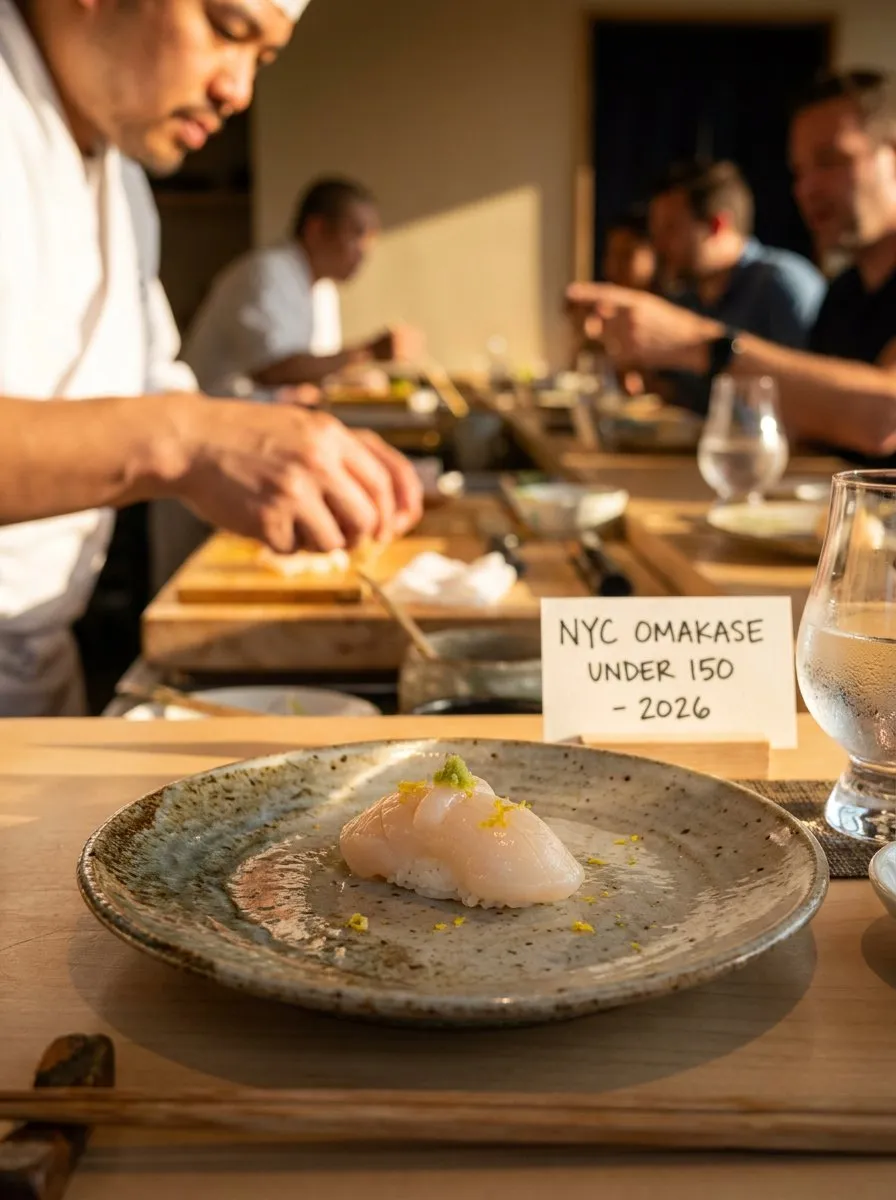
Setting realistic expectations prevents disappointment at accessible price points. Most omakase under $150 includes twelve to sixteen pieces of nigiri plus a hand roll, miso soup, and perhaps a small appetizer—no elaborate cooked courses or A5 wagyu supplements. Fish quality remains high, but you'll see more sustainable species like mackerel, fluke, and striped bass rather than constant toro and uni parades. Beverage costs stay separate and can significantly impact final bills: sake pairings typically add $40-$75, while beer or tea keeps additions modest. Tax and gratuity (generally 20% minimum at counters where chefs serve directly) push most $120 omakase experiences toward $165-$175 total per person before drinks. The value proposition isn't cheaper fish—it's access to skilled chefs without the booking anxiety and prix fixe inflation that plague higher-end establishments. At these counters, you're paying for technique, education, and the intimate theater of watching a craftsperson work, not for foie gras chawanmushi or gold leaf garnishes.
Practical notes
**Booking timing**: Check reservation platforms between 10 am and noon for same-day releases; call restaurants directly around 4:30 pm for cancellation updates. **Seating preferences**: Counter seats offer the full omakase experience—request them specifically when booking, as some restaurants seat walk-ins at tables instead. **Dress codes**: Most under-$150 counters maintain casual-to-smart-casual standards; avoid heavy perfumes or colognes that interfere with fish aromas. **Dietary restrictions**: Inform restaurants of allergies when booking, but understand that omakase format limits customization—extensive restrictions may reduce value. **Cash policies**: While most accept cards, a few traditional counters remain cash-preferred; check individual restaurant websites closer to your visit. **Photography etiquette**: Ask permission before shooting; many chefs welcome food photos but discourage flash or disruptive setups at intimate counters. **Neighborhood timing**: Allow extra travel time for Brooklyn locations, particularly during evening rush hours when L and F trains experience delays. **Alternative formats**: Some restaurants offer "chef's choice" sushi plates rather than formal omakase—similar spontaneity, slightly lower prices. Verify all operational details, hours, current pricing, and booking policies directly with venues before visiting, as restaurant policies and availability change seasonally.
#NYCOmakase #SushiNYC #PullUpAChair #LastMinuteDining #NYCUnder150 #OmakaseCounter #EastVillageSushi #BrooklynEats #AffordableOmakase #NYCFoodie #SushiCounter #EdoMaeSushi #ManhattanDining #SpontaneousDining #NYCRestaurantWeek
**Sources consulted**: Venue websites and current booking platforms for Sushi by Bou, Davelle, Hasaki, Sushi Yasuda, Tanoshi Sushi, Shuko, and Sushi Katsuei as of early 2025; NYC hospitality industry reports on omakase pricing trends 2022-2025; OpenTable, Resy, and Tock reservation availability patterns; New York Times and Eater NY restaurant coverage; direct observation of NYC sushi counter booking systems and service formats; conversations with regular omakase diners regarding availability strategies.
Sources consulted: Omakase — Wikipedia · Sushi — Wikipedia · Time Out New York — Restaurants · Eater NY — Best Sushi Guide · NY Times — Food Section
All trademarks are the property of their respective owners.


