The Counter Revival on West 32nd Street
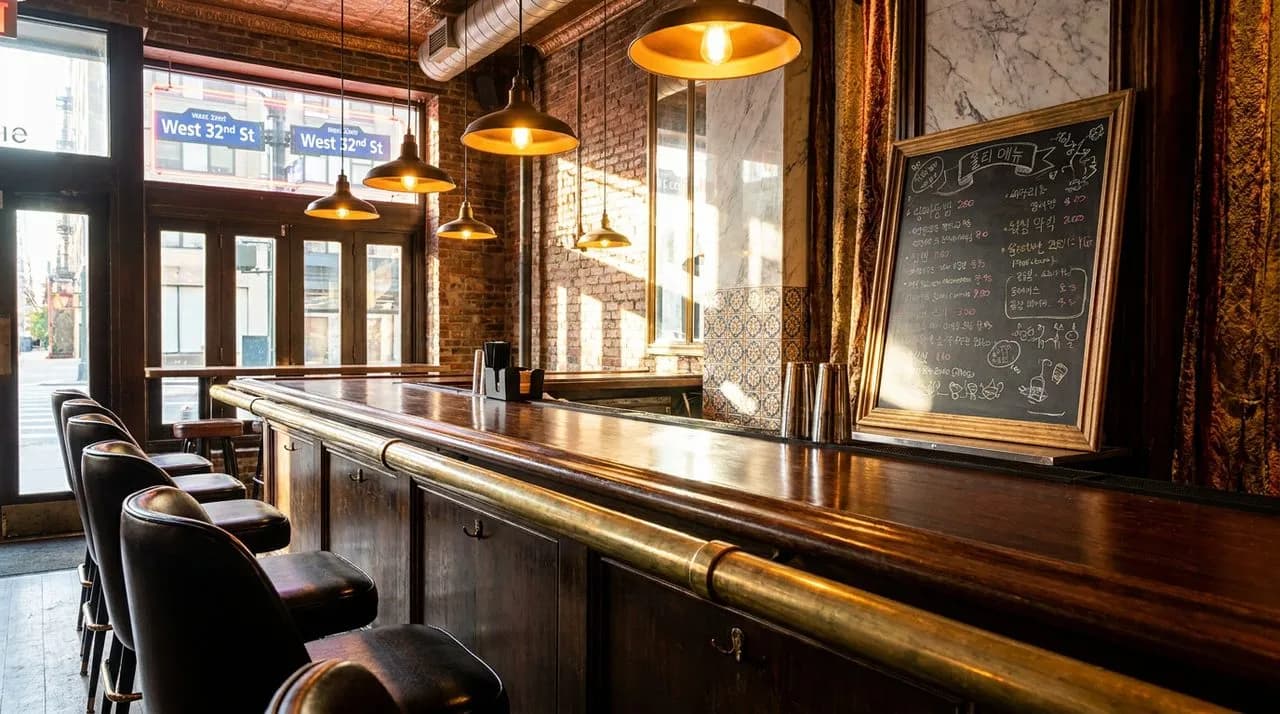
Four counter rooms have opened along the single block of West 32nd Street between Fifth and Sixth Avenues this spring, each designed for walk-in diners who arrive after curtain calls and late shifts. The setups are simple: stools facing open kitchens, menus printed on single laminated sheets, and kitchen staff close enough to hear your order without raising your voice. By late May 2026, the rhythm is clear—these counters fill after eleven and stay busy past one.
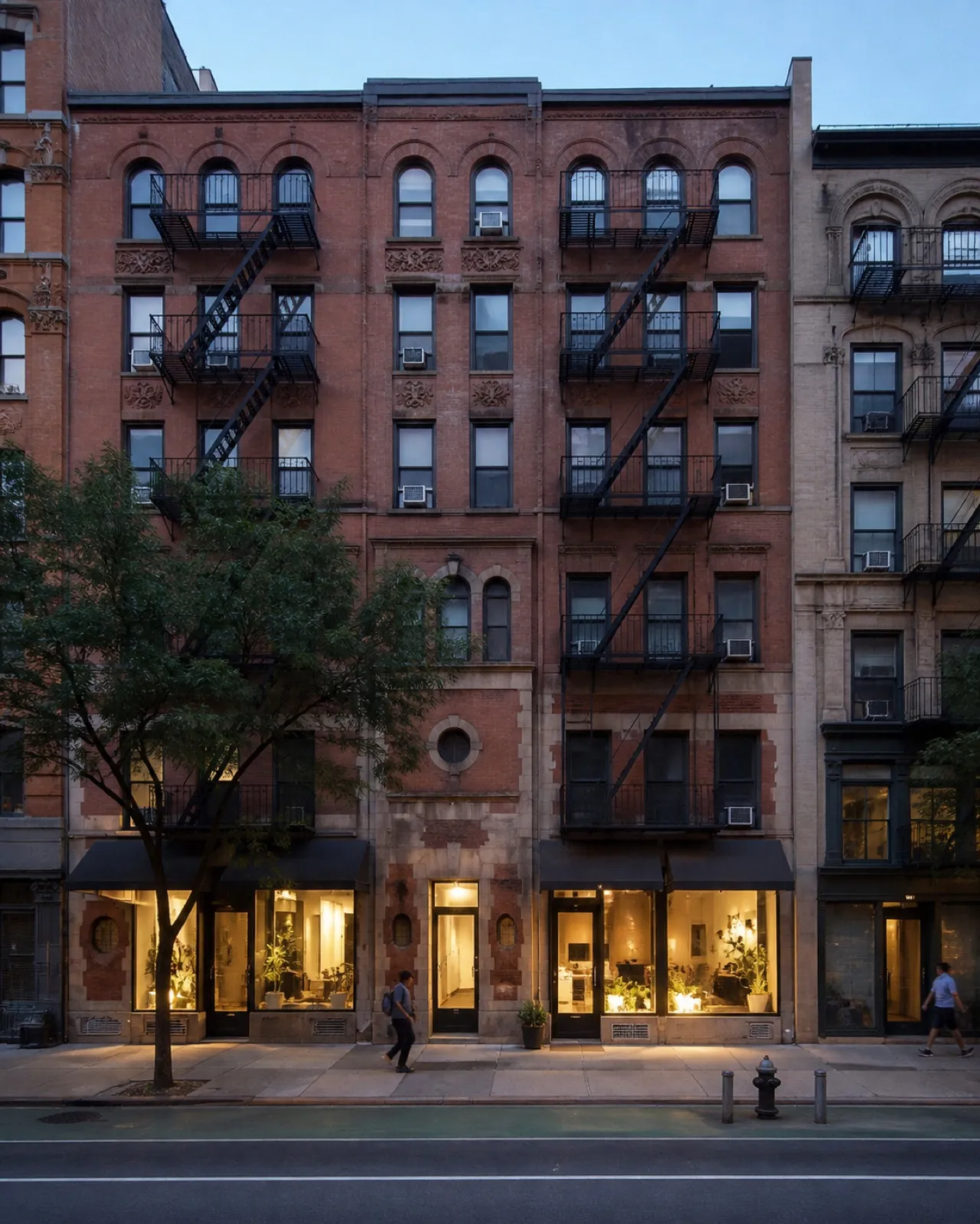
The format suits the neighborhood. Koreatown NYC has always leaned toward late hours, but the counter model strips away the formality of table service and the wait times that come with it. You sit, you order, you eat, and the kitchen works three feet in front of you. The four spots occupy storefronts that once held gift shops and karaoke lounges, and each one keeps its own hours and specialty.
Korean Fried Chicken Counter at Mid-Block
The fried chicken counter sits halfway down the block in a narrow storefront with eight stools and a fryer station visible through a low glass partition. The menu offers three styles: soy-garlic glaze, gochugaru dry rub, and plain salt. Orders come as half or full birds, and the kitchen fries each batch to order, so expect a fifteen-minute wait even on quiet nights. The crunch is audible from the sidewalk.
The counter opens at nine and closes at two, seven nights a week. Most diners order a half bird with a bottle of lager and finish within thirty minutes. The stools turn over quickly, and the staff clears plates as soon as you set down your napkin. A small dish of pickled radish arrives with every order, and the fryer oil is changed twice per shift to keep the coating light.
Soft-Tofu Stew Bar Near Fifth Avenue
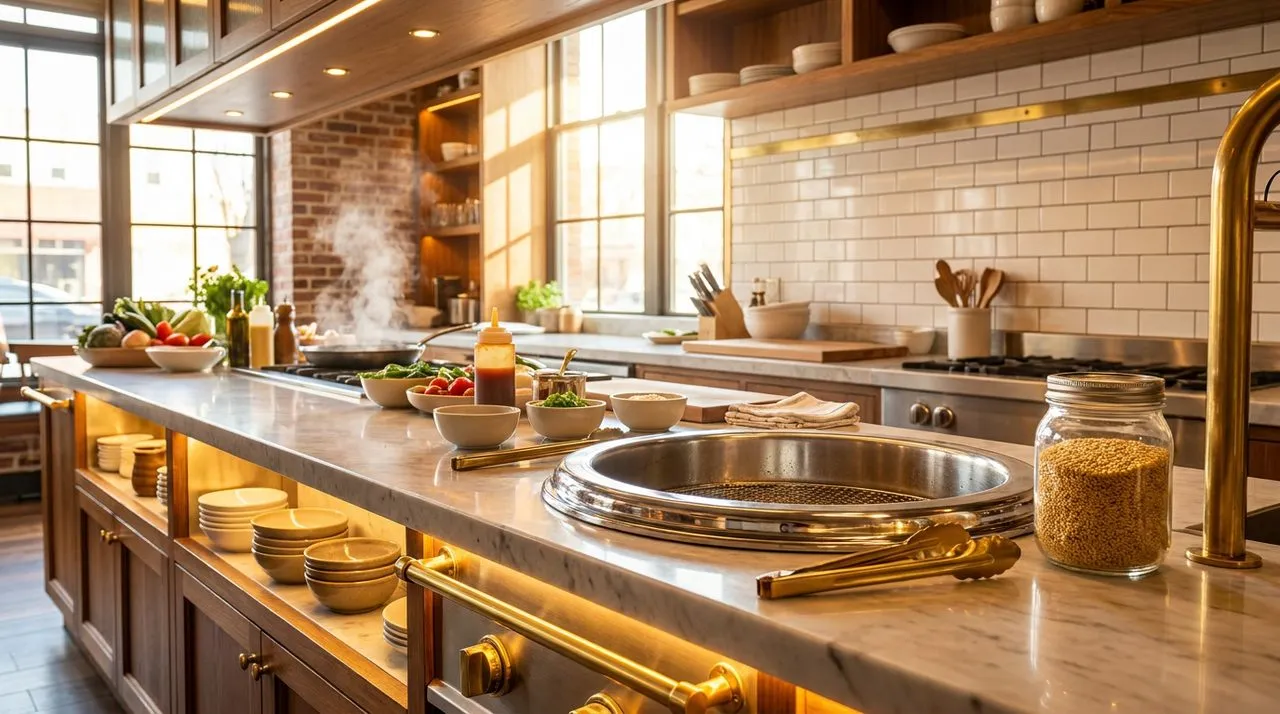
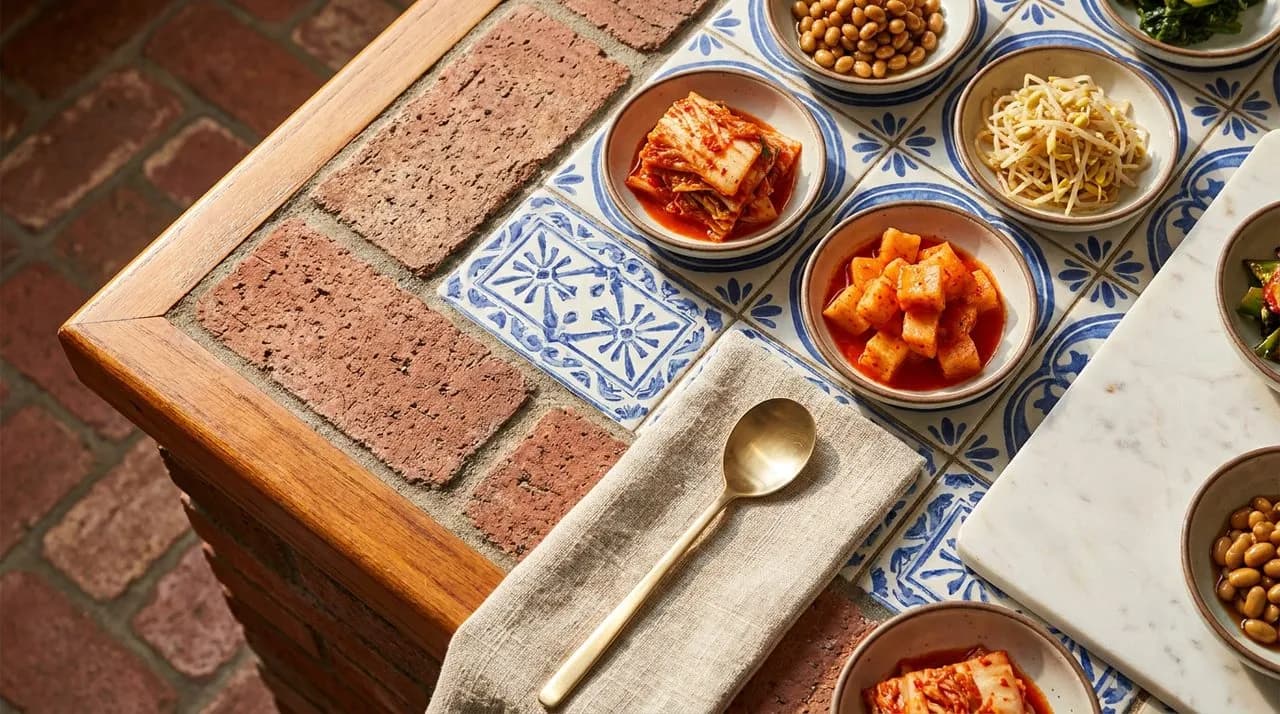
The soft-tofu bar occupies the eastern end of the block, closest to Fifth Avenue, with ten counter seats arranged in an L-shape around a stovetop lined with stone pots. The menu lists six stew variations—seafood, pork, beef, mushroom, kimchi, and mixed—and every bowl arrives bubbling in its own dolsot. Banchan plates rotate daily, and the kitchen refills them without being asked.
This counter runs from noon until one in the morning, and the late-night crowd skews toward solo diners who want something warm and filling. The seafood version includes shrimp, clams, and mussels, while the pork stew leans heavy on gochugaru heat. A bowl of steamed rice comes standard, and the staff cracks a raw egg into each stew just before it reaches the counter. The space smells like sesame oil and fermented chili, and the windows fog over by midnight.
Three-Stool Soju Bar in a Former Lobby
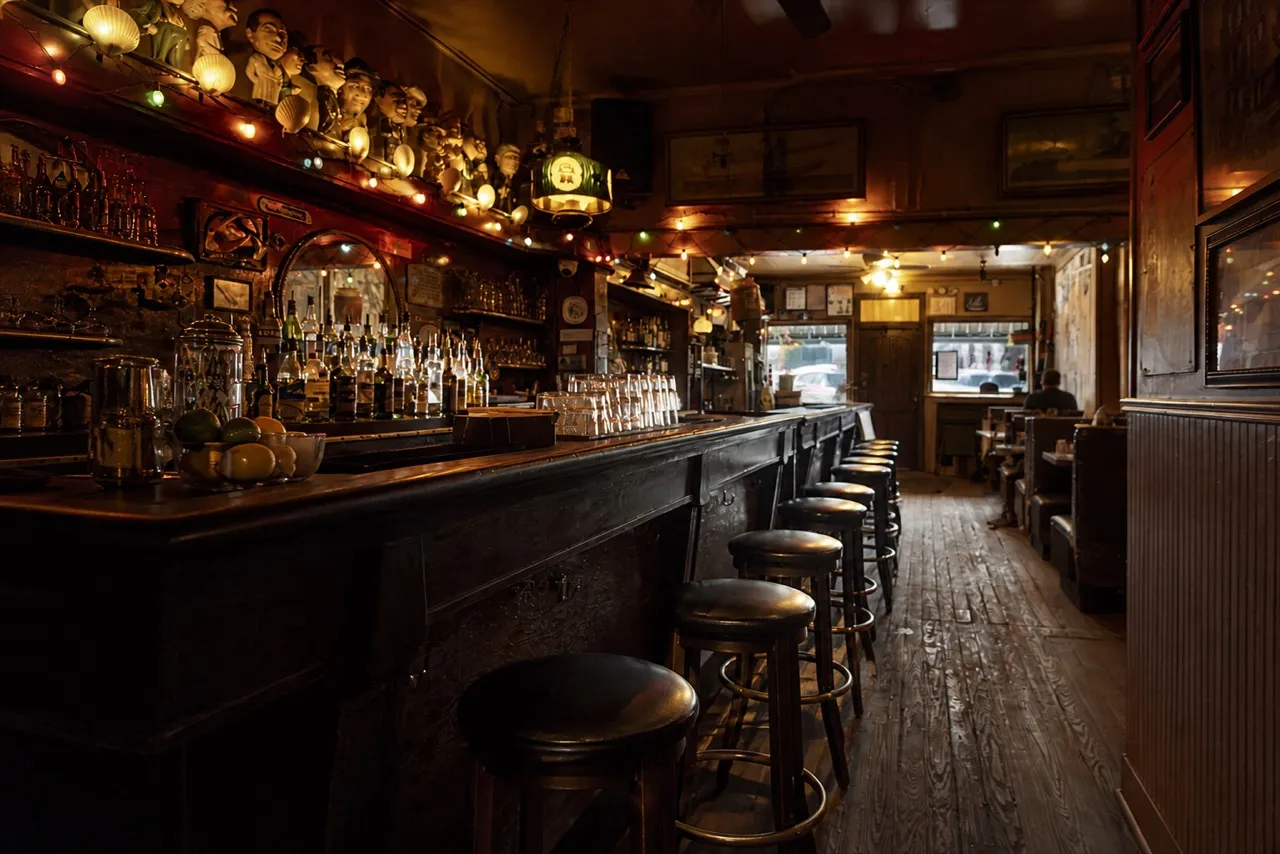
The soju bar is the smallest of the four, wedged into what used to be the lobby of an office building. Three stools face a narrow counter backed by a mirrored wall and a single shelf holding bottles of soju, makgeolli, and baekseju. The bartender works alone, pouring shots and mixing simple highballs with yuzu or plum syrup. The bar does not serve food beyond packaged snacks—dried squid, honey butter almonds, and seaweed crisps—but the bartender will point you toward the fried chicken counter next door if you ask.
The bar opens at ten and closes when the last customer leaves, which is rarely before two. Regulars claim the same stool each night, and the bartender remembers orders without writing them down. The lighting is dim, the music is low, and the mirror doubles the visual space in a room that measures less than a hundred square feet. It is a place for one drink or five, depending on the night.
Late-Late Ramyun Counter for After-Show Eaters
The ramyun counter is the last to open each night, starting service at midnight and running until four in the morning on Fridays and Saturdays, three on weeknights. The menu is short: five types of instant ramyun upgraded with fresh toppings. You choose your base—shin, jin, neoguri, chapagetti, or cheese—and the kitchen adds sliced scallions, soft-boiled eggs, fish cakes, or dumplings depending on the option. The noodles cook in individual pots on a six-burner range, and the kitchen works fast enough to serve a full counter in under ten minutes.
The clientele includes theater crews, bartenders finishing their own shifts, and travelers who just stepped off late buses at Port Authority. The counter seats twelve, and there is no table service—you order at the register, take a numbered tag, and wait for your bowl. The space is bright, the turnover is constant, and the kitchen goes through cases of ramyun every weekend. It is the kind of place that exists because the city needs it at that hour.
Practical Notes for Counter Dining
All four counters accept walk-ins only, and none take reservations or phone orders. Expect to wait for a stool on weekend nights after eleven, though turnover is quick enough that most waits stay under twenty minutes. The fried chicken and tofu counters accept credit cards, while the soju bar and ramyun counter prefer cash. Tipping is optional but appreciated, and the standard is a dollar or two per seat.
The block is accessible via the B, D, F, M, N, Q, R, and W trains at Herald Square, and the sidewalks stay busy until two most nights. Street parking is nearly impossible, and garage rates in the area run high. The counters are designed for quick visits, so plan on thirty to forty-five minutes from arrival to departure. If you are visiting more than one spot in a single night, start with the tofu or chicken and finish at the ramyun counter.
- Fried chicken counter: open 9 PM to 2 AM, eight stools, three glaze options, fifteen-minute cook time
- Soft-tofu bar: open noon to 1 AM, ten counter seats, six stew varieties, banchan included
- Soju bar: open 10 PM to late, three stools, no food service, cash preferred
- Ramyun counter: open midnight to 3 AM weeknights, 4 AM weekends, twelve seats, five ramyun bases
Why the Counter Format Works Right Now
The counter setup solves several problems at once. It eliminates the awkwardness of solo dining at a table, reduces labor costs by cutting out servers, and speeds up service by keeping diners and kitchen staff in close proximity. The format also suits the kind of eating that happens after midnight—quick, focused, and often solitary. You do not linger at a counter the way you might at a booth, and that efficiency keeps the seats turning and the kitchens busy.
The timing is right, too. Koreatown has spent the past two years absorbing new foot traffic from extended subway service and later theater schedules, and the neighborhood needed more options for diners who arrive after traditional dinner hours. These four counters fill that gap without trying to be anything more than what they are: small, focused, and open when other places have already closed. The model works because it matches the rhythm of the block, and the block is busier than ever.
Sources consulted: MTA – Metropolitan Transportation Authority · NYC.gov – Official City of New York Website · NYC & Company – Official NYC Tourism · Eater NY – New York City Dining News · Time Out New York – City Guide and Events
All trademarks are the property of their respective owners.