Some of the best meals happen at counters where you can watch your food take shape. This East Harlem taqueria on Lexington Avenue seats ten people along a tiled bar facing the kitchen, and every taco starts with a tortilla pressed from masa while you wait. The rhythm is hypnotic: dough flattened, edges trimmed, tortilla flipped on the comal, filled, folded, passed across. You're close enough to feel the heat from the griddle and catch the scent of toasted corn mingling with rendered pork fat. By late May 2026, when the sidewalk tables outside fill with neighbors and the door stays propped open, the place hums with a easy, unhurried efficiency.
The setup: counter only, ten seats, no fuss
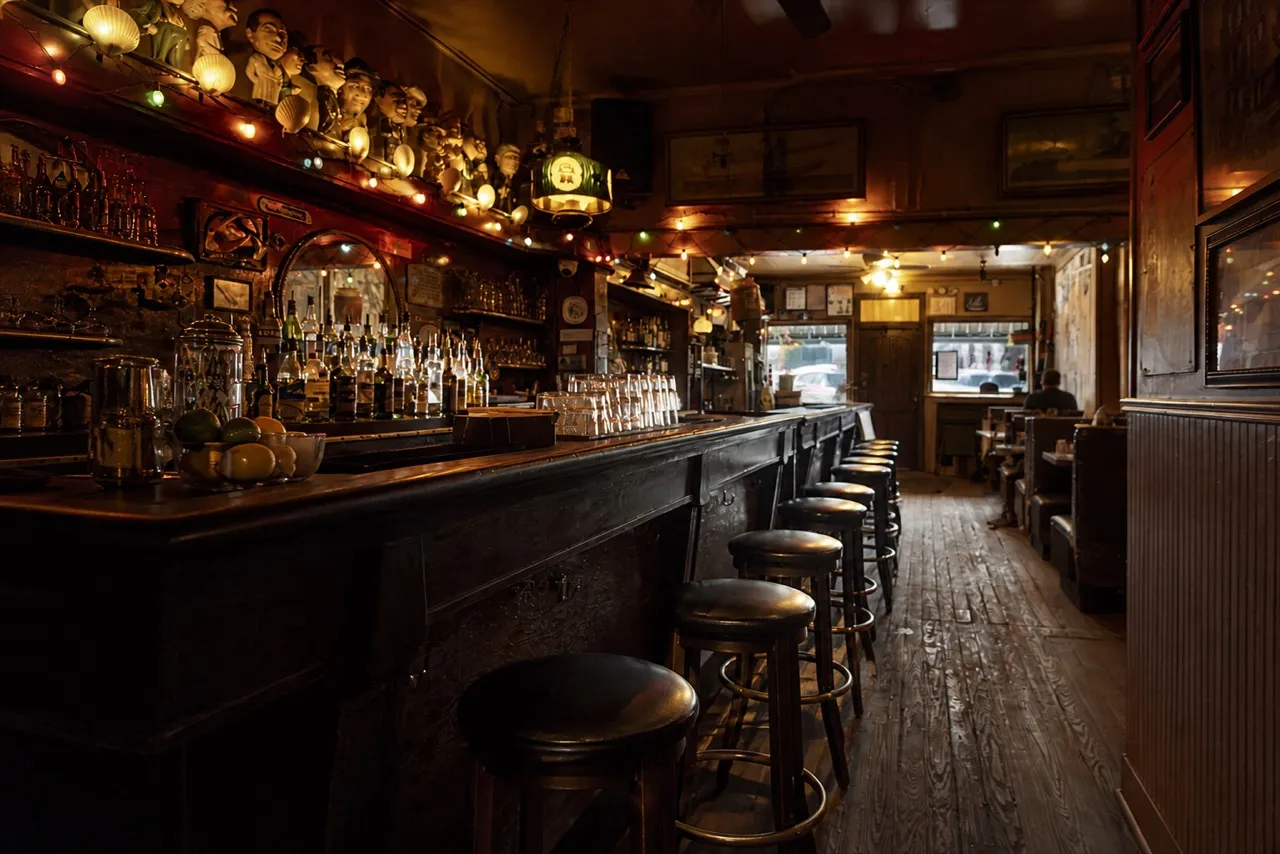
The layout is simple. Walk in, claim a stool at the counter if one's free, and settle in. The tiles are white subway style with charcoal grout; the counter itself is pale wood worn smooth at the edges. Behind the line, a small team works the comal, the press, and the pans where carnitas bubble and barbacoa steams. There's no hostess stand, no wait list, no reservation app. On a Saturday evening you might walk straight to a seat; on a Tuesday afternoon you'll have your pick.
Turnover is brisk. Most people finish in twenty minutes, maybe twenty-five if they linger over a second round of tacos. The vibe is neighborly but not chatty—diners nod hello, eat, leave. It's the kind of place you could visit twice in one week without feeling conspicuous.
Tortillas pressed to order, every time
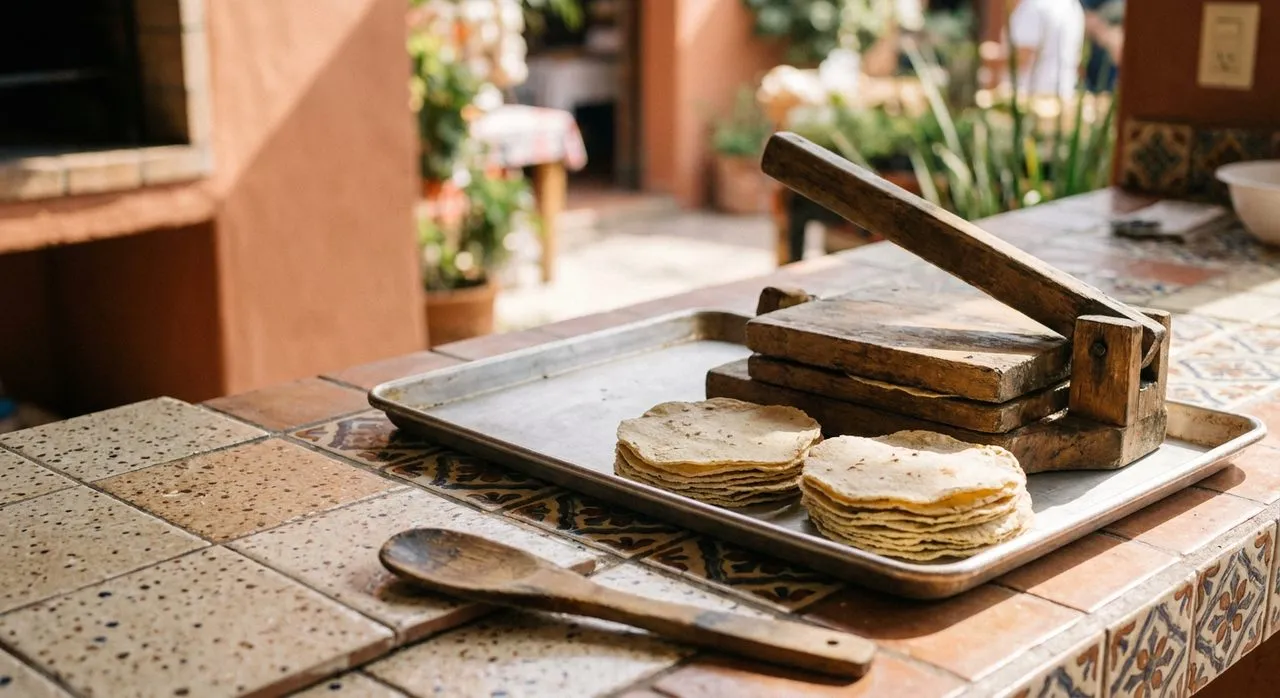
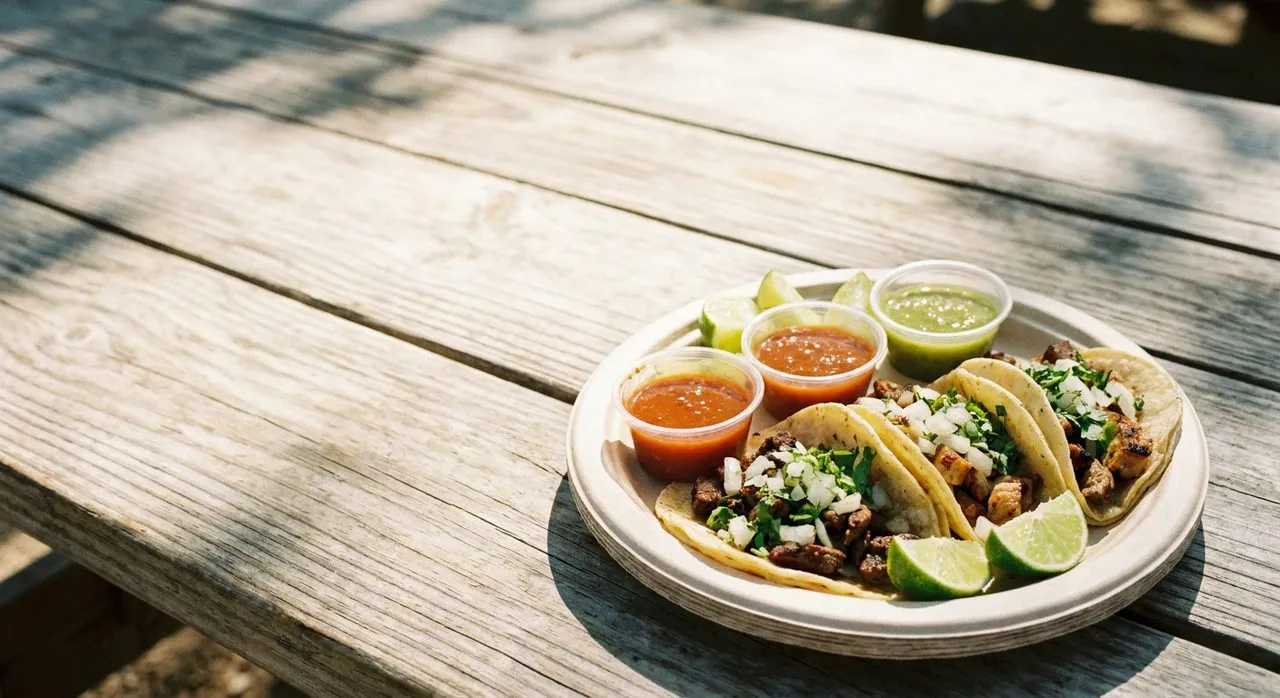
The tortilla press sits within arm's reach of the counter, and whoever's working it moves with practiced speed. A ball of masa goes into the press, the handle comes down, the tortilla lands on the comal. Thirty seconds later it puffs slightly, gets flipped, and moves to the assembly station. The difference between a fresh tortilla and one made hours earlier is texture—the former has a slight chew and a warm, faintly sweet corn flavor that holds up under salsa without turning to mush.
You can order a single taco to start or commit to three. Either way, each one arrives on a small metal tray lined with parchment. The tortillas are doubled for structural integrity, which means you can load on salsa without disaster.
The menu: classics and one daily wildcard
The printed menu is short. Carnitas, shredded and crisped at the edges. Barbacoa, tender and lightly spiced. Rajas, roasted poblano strips with onion and cream. A vegetarian option built around black beans and queso fresco. Each filling is generous without being sloppy, and the kitchen doesn't oversalt.
Then there's the daily special, which changes based on what the chef finds at the market or what's in season. In late spring that might mean lamb shoulder braised with guajillo, or grilled fish with cabbage and lime crema. The special is written on a chalkboard above the register; ask if you're curious about heat level or portion size. It's usually the most interesting thing on the menu, and it disappears once they've sold through the batch.
The salsa bar: three options, infinite combinations
The condiment bar sits at the end of the counter, next to a bowl of lime wedges and a stack of paper napkins. Three squeeze bottles: green tomatillo salsa with a bright, tart punch; red salsa de árbol that builds heat slowly; and a creamy avocado salsa that's mild and vaguely nutty. None of them are incendiary, but layering all three on a single taco creates a balance of acid, richness, and warmth that makes the second bite better than the first.
The lime wedges are essential. Squeeze one over everything, including the salsa, and the flavors snap into focus. Some regulars bring their own hot sauce; the kitchen doesn't seem to mind.
What it feels like to eat here
The noise level hovers around conversational—clatter of the press, sizzle of the comal, occasional laughter from the kitchen. The overhead lights are bright but not harsh, and in the late afternoon sunlight slants through the front window, warming the counter. There's no music, or if there is, it's too quiet to register over the kitchen sounds.
You're aware of the other diners but not crowded by them. Elbows stay tucked in; everyone minds their own tray. It's the sort of place where solitude and company coexist easily. If you're dining alone, bring a book or your phone, though watching the kitchen is entertainment enough.
Why it works in this neighborhood
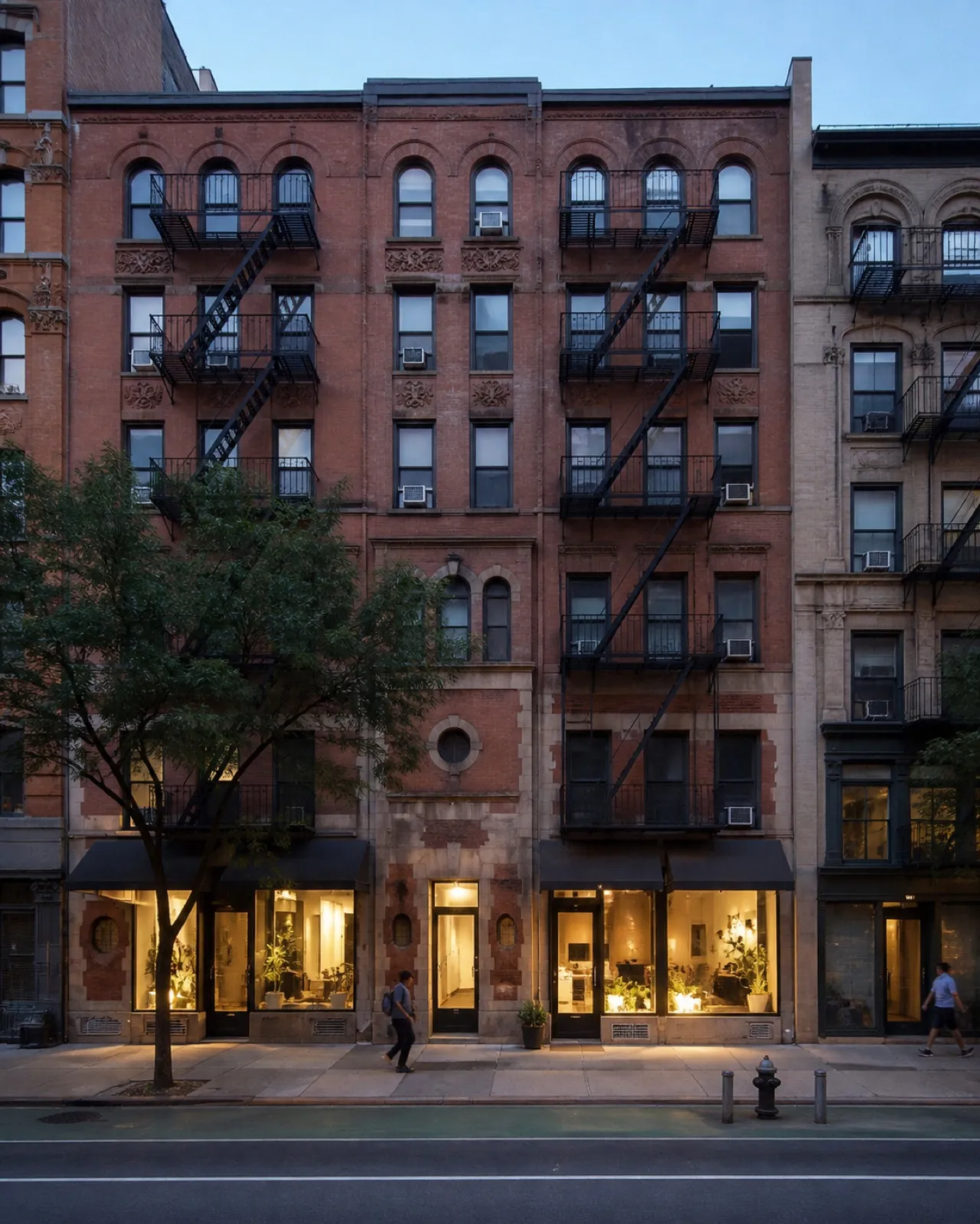
East Harlem has long had excellent taquerias, but many are take-out-focused or have seating that feels like an afterthought. This spot inverts that logic: the counter is the point. It's designed for people who want a quick, satisfying meal and don't mind sitting shoulder-to-shoulder with strangers. The location on Lexington Avenue means foot traffic from commuters, shoppers, and residents who live within a few blocks.
There's no wait even on weekends, which suggests either excellent turnover management or a neighborhood that hasn't fully discovered it yet. Either way, it's a useful place to know about—reliable, unfussy, open six days a week.
Practical notes
The taqueria is located on Lexington Avenue in East Harlem; verify the exact address and current hours directly before visiting, as details change. Nearest subway access includes the 6 train at 103rd or 110th Street; additional subway options may be available nearby. Street parking is metered; read signs carefully. Hours and days vary; verify current opening times directly before visiting. No reservations. The counter height is standard; the entry is level with the sidewalk. Cash and card both accepted. Expect to spend a modest amount per person depending on appetite. Bring patience if all ten seats are full, though waits are typically brief.
Tags: #EastHarlem #NYCTacos #PullUpAChair #CounterDining #HouseMadeTortillas #LexingtonAvenue #NeighborhoodEats #TaqueriaLife #SpringInNYC #UpperManhattan #QuickBites #AuthenticFlavors #SalsaBar #NYCFoodScene #May2026
Sources consulted: East Harlem · Tacos · Time Out New York Restaurants · MTA Transit Info · NYC East Harlem
All trademarks are the property of their respective owners.