The Democracy of the Counter Seat
There's a particular alchemy that happens at a wine bar counter that no table can replicate. You're close enough to watch the sommelier's hands work, near enough to catch the conversation drifting from two stools over, positioned precisely where a spontaneous tasting can materialize simply because someone behind the bar wants to share something special. In the East Village—New York's enduring laboratory for how people drink, eat, and congregate—this counter culture has found its natural habitat among the neighborhood's natural wine bars, where the barrier between pourer and drinker dissolves into something more communal.
The natural wine movement and counter seating share a philosophy: less intervention, more conversation. These aren't scenes for staring at your phone or conducting hushed business negotiations. They're stages for the social theater that happens when good wine, knowledgeable staff, and the enforced intimacy of limited space combine. As early summer 2026 approaches and the neighborhood shakes off the last cool evenings, the East Village's natural wine counters represent New York hospitality at its most elemental—pull up a chair, or more accurately, a stool, and see what happens.
Why Natural Wine and Counter Culture Belong Together
Natural wine—made with minimal intervention, indigenous yeasts, little to no sulfites—demands conversation. These aren't bottles that explain themselves with familiar varietal markers. A cloudy orange wine from Slovenia or a fizzy red from the Loire requires context, story, perhaps a quick explanation of what you're about to taste. The counter seat positions you exactly where that exchange happens most naturally, with the person who opened the bottle standing across a two-foot span of wood or marble. The East Village, which has incubated wine culture from the Italian red-sauce days through the cocktail revolution, now hosts some of the city's most thoughtful natural wine programs, and many of them are fundamentally designed around counter interaction.
The neighborhood's real estate constraints work in the counter's favor. Space is expensive, and a ten-seat bar with minimal table service can accommodate surprising volume while maintaining intimacy. The format also suits natural wine's economics—these bottles often come from tiny producers with limited distribution, so moving through a dynamic, rotating list works better with customers who are there to explore rather than order the same Pinot Grigio they had last week. Behind the counter, staff can guide, educate, and pivot based on what's drinking well on any given night. It's wine retail's answer to the omakase counter, with considerably less formality and significantly more spontaneity.
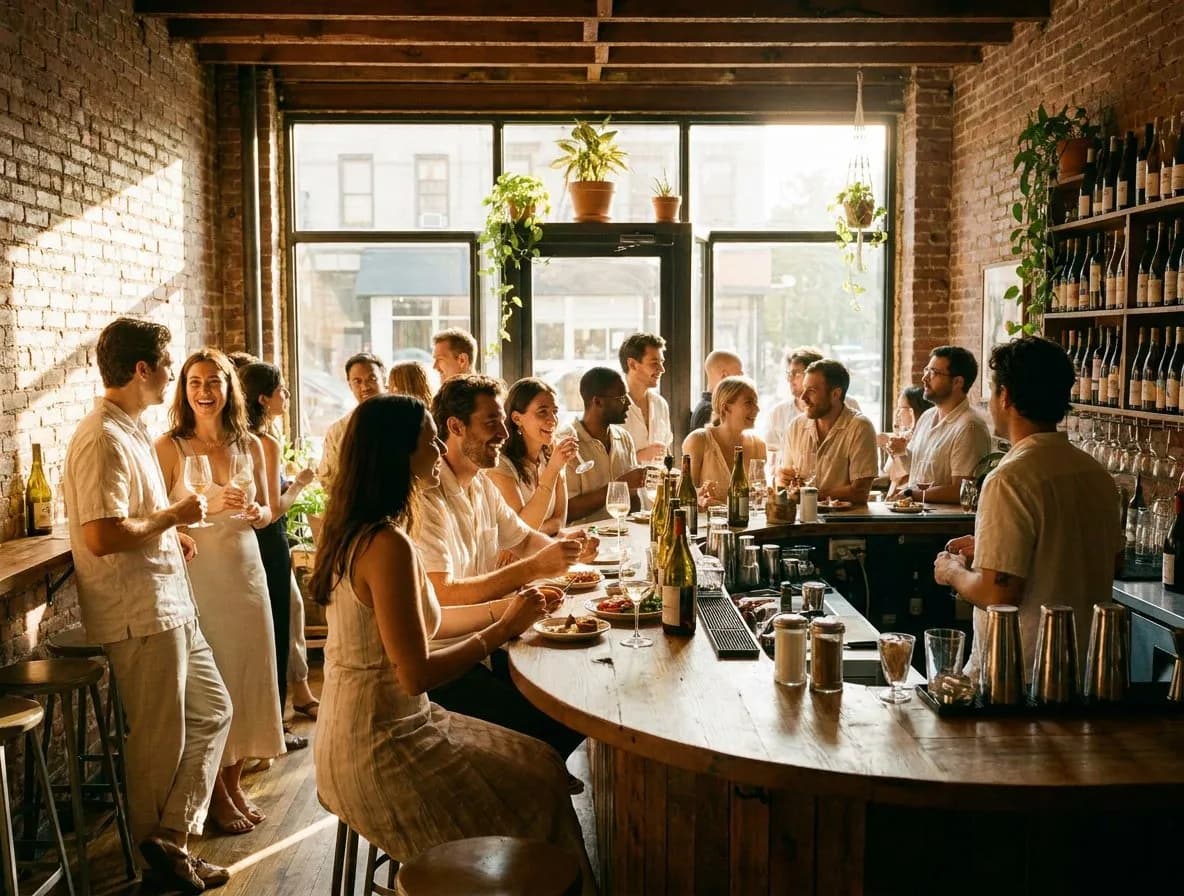
Ten Bells: The Original Template
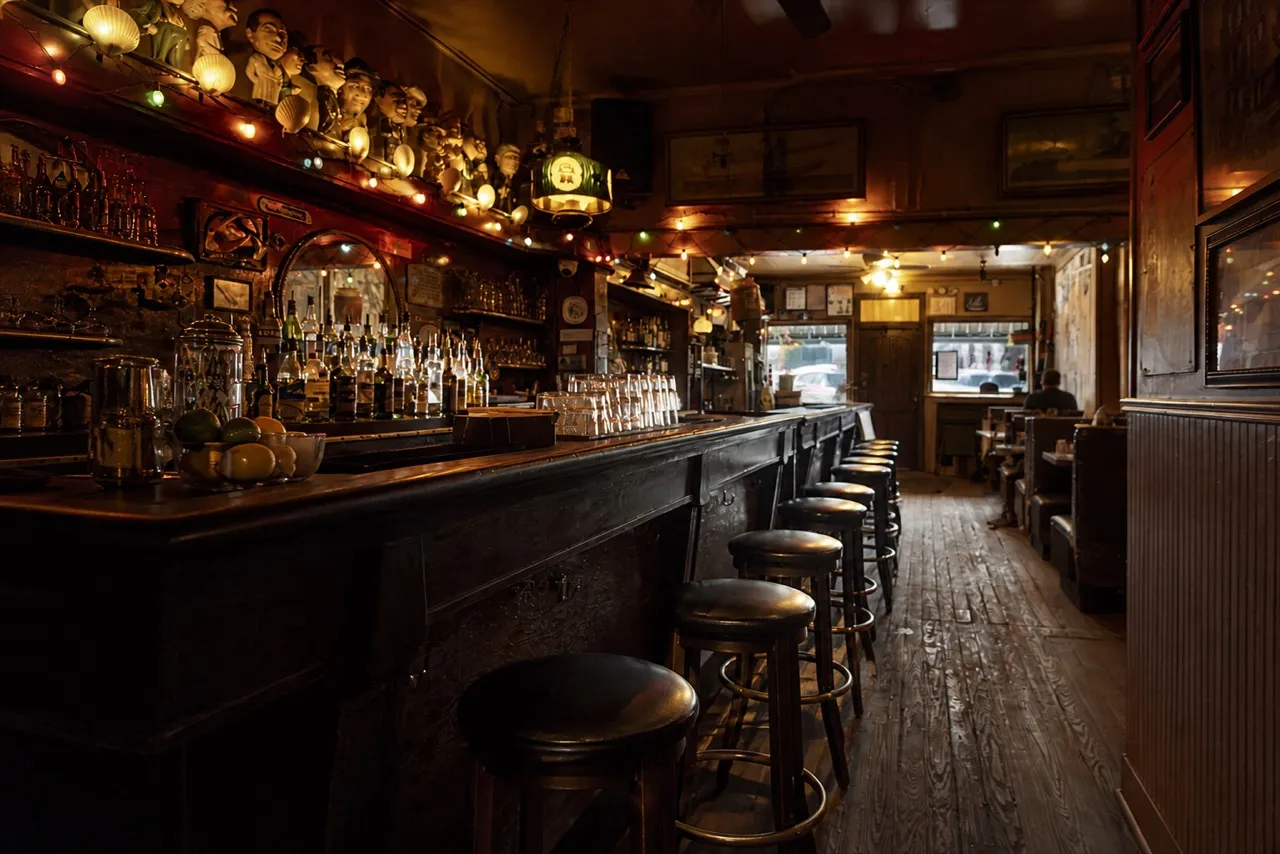
Any discussion of East Village wine bar counters begins at Ten Bells on Broome Street, technically just south in the Lower East Side but foundational to the neighborhood's wine bar evolution. Open since 2008, Ten Bells established the template: a compact space, a marble-topped bar, a tightly edited list of European natural wines, and small plates designed to accompany rather than compete. The counter here runs the length of the narrow room, and during peak evening hours, every stool fills with a cross-section of the neighborhood—industry people pre- or post-shift, couples on early dates, wine enthusiasts working through the list systematically. The staff's knowledge runs deep without pretension, and the format encourages you to taste before committing, to ask questions, to let the evening unfold glass by glass. Check their current hours and reservation policies closer to your visit, as these wine-focused venues often adjust their operations seasonally.
Wildair and the Counter-as-Stage Model
On Orchard Street, Wildair perfected a different counter dynamic—the chef's counter where food and wine receive equal billing. Open since 2015, this sibling to Contra puts diners directly in front of the cooking line and the wine program simultaneously. The natural wine list here is extensive and constantly evolving, and counter seats let you watch both the kitchen's precision and the careful wine pairings that accompany each course. It's a more structured experience than a pure wine bar, but the counter positioning creates the same transparency and immediacy. You see cooks plating, you see sommeliers pulling bottles, you're part of the machinery rather than observing it from a distance. Reservations are typically advisable, and their booking system can be checked on their website closer to your intended visit date.
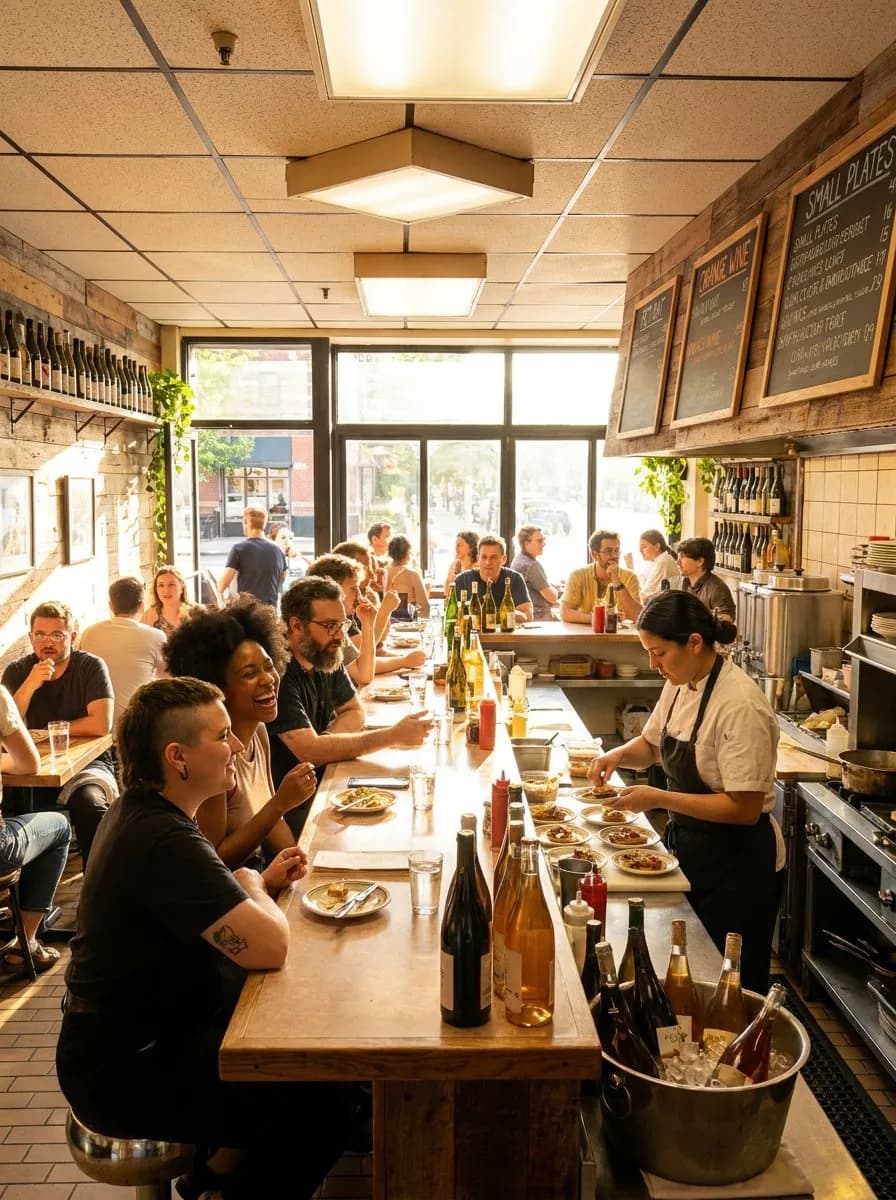
Pinot's Palette: Small Producer Spotlight Counters
Several East Village wine bars have emerged in recent years with hyper-focused natural wine programs, though specific names, addresses, and operational details for newer establishments should be verified closer to your visit, as the neighborhood's wine scene evolves seasonally and venues adjust their formats. The common thread in these smaller operations is the emphasis on obscure producers, skin-contact wines, and natural sparklings that benefit from expert guidance. The counter format allows staff to essentially curate your evening—tasting you on a grower Champagne, pivoting to a chilled red based on your response, finishing with something wild and funky if you've shown adventurous tendencies. These interactions require the proximity and flexibility that counter seating provides. Tables create distance; counters create dialogue.
The East Village also hosts several natural wine-focused bars along Avenues A and B where the counter is less a wine bar proper and more a neighborhood living room that happens to serve excellent bottles. These tend to be cash-friendly, walk-in friendly, and most alive after 9 PM when industry workers finish their shifts elsewhere. The wine lists lean heavily into French and Italian natural producers, with occasional detours into Austrian Grüner Veltliner or Spanish pet-nat. Prices are typically reasonable by Manhattan standards, and the atmosphere discourages lingering over your phone—the counter's social pressure is subtle but real.
Counter Etiquette and the Art of the Solo Seat
Counter drinking has its own unwritten code, particularly at natural wine bars where the staff-customer relationship is foundational. Arriving solo is not just acceptable but often ideal—you're maximally available for conversation, whether with the person pouring or the stranger on the next stool. If the bar is full, ordering relatively promptly and keeping pace with the room's rhythm is considerate; these aren't lingering-over-one-glass-for-two-hours venues. Asking questions is encouraged, but monopolizing the sommelier during a rush is not. Tipping generously matters more here than at table service, as the person across the bar is doing the work of server, sommelier, and social director simultaneously.
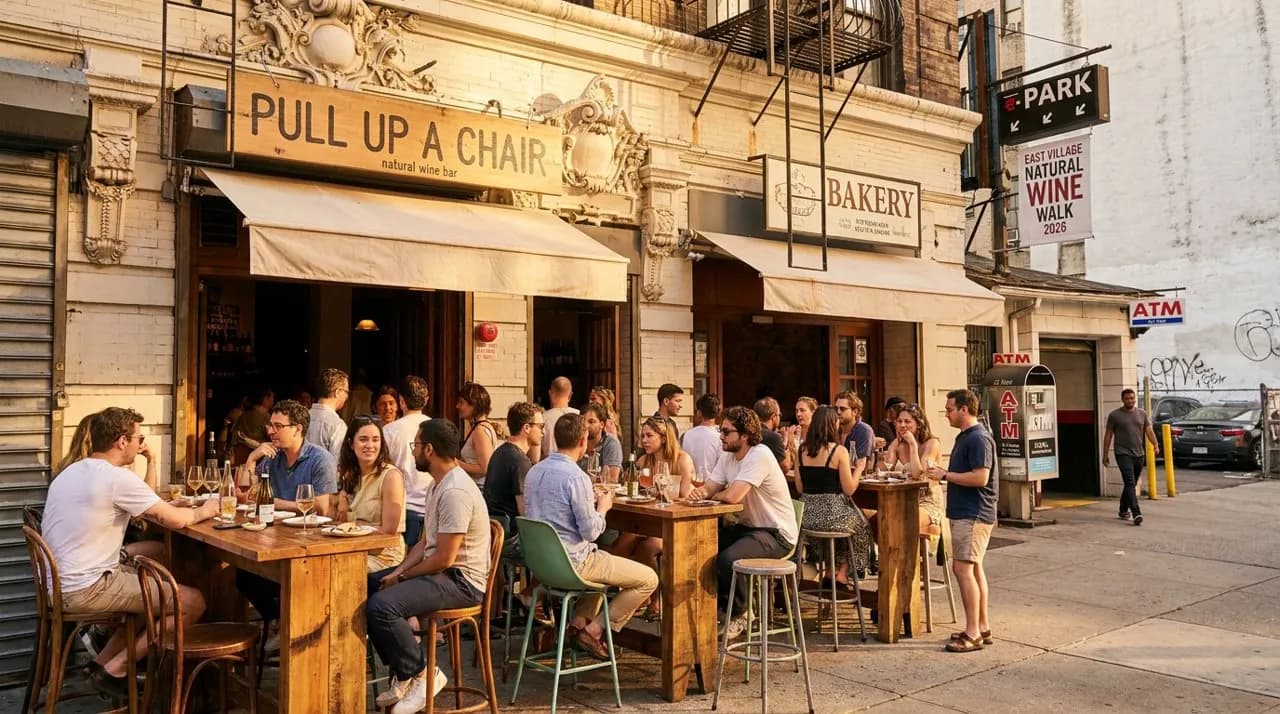
The counter also democratizes access in a city where reservations at desirable restaurants can require planning weeks ahead. Most natural wine bars in the East Village operate primarily or partially on a walk-in basis, and counter seats turn over more quickly than tables. This means a spontaneous Tuesday evening can yield a transformative wine experience if you're willing to arrive early or accept a short wait. Early summer timing is particularly favorable—the weather invites wandering, venues open their doors and windows, and the neighborhood assumes its most permeable, social character.
Practical Notes
Plan to arrive between 6 and 7 PM for the best chance at immediate counter seating, or after 9 PM when the first wave has cleared. Most East Village natural wine bars operate Tuesday through Sunday, with Monday closures common—verify specific schedules on venue websites or social media closer to your visit. Budget approximately $15-25 per glass, with bottles starting around $60 and ranging considerably higher for rare producers. Small plates typically run $8-18, and most venues are best experienced with at least some food to accompany the wine. Reservations are rare or impossible at pure wine bars but worth checking for hybrid restaurant-wine bars like Wildair. The neighborhood is easily accessible via the L, 6, F, and M trains, with the Second Avenue F stop particularly convenient for venues along Orchard and Essex. Dress code is universally casual; the East Village has never been precious about such things. Credit cards are accepted at most established venues, but some smaller bars remain cash-preferred—bring bills just in case. Counter seats are first-come, first-served even at venues that take table reservations. If the weather is fine, many bars open their storefronts completely, blurring indoor and outdoor space. Check individual venue social media accounts for special tastings, winemaker visits, or seasonal list updates that might align with your visit.
#NYCWineBars #NaturalWine #EastVillageNYC #CounterCulture #PullUpAChair #WineBarLife #NYCFoodie #LowerEastSide #BiodynamicWine #WineLovers #NYCNightlife #IntimateEats #WineBarVibes #ManhattanEats #SummerInNYC
Editorial note & disclosure
Sources consulted: East Village, Manhattan — Wikipedia · Natural Wine — Wikipedia · Wine News and Guides — Eater · NYC Bars Guide — Time Out · Food Section — The New York Times
All trademarks are the property of their respective owners.