 Haaland Has Seven Goals and Norway Runs Entirely Through Him
⚽️2026 FIFA WORLD CUP
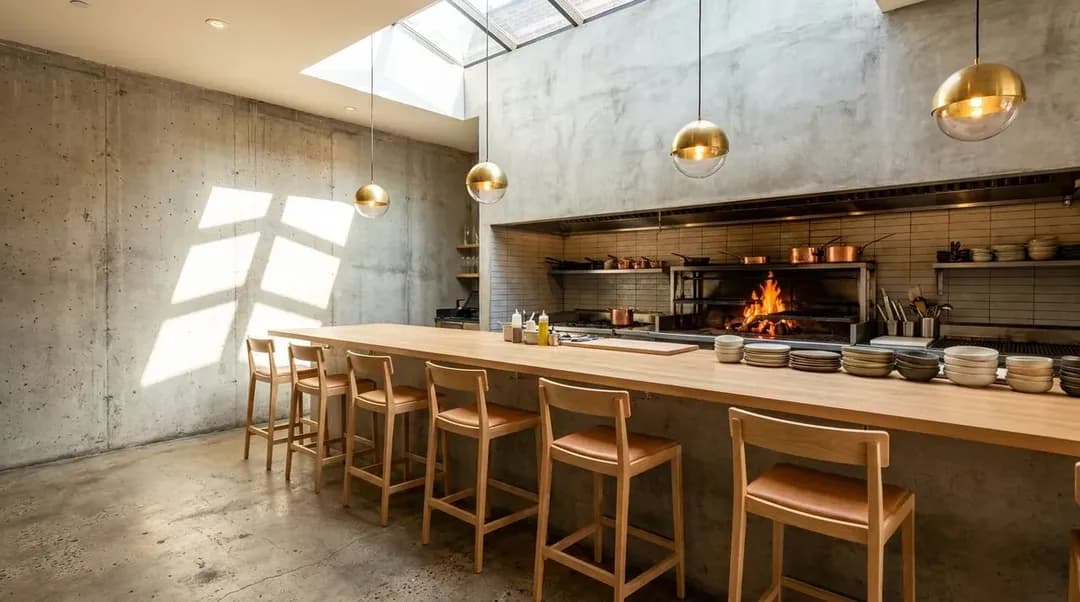
Counter-Seat Cuisine: NYC Chefs Cook the 2026 World Cup with Brazil, Argentina & Croatia Pop-Ups
Limited-run tasting menus at intimate counters celebrate the Brazil World Cup squad, Argentina football, and Croatian traditions ahead of kickoff.
Three Weeks to Kickoff, Three Kitchens
New York City's dining calendar has always mirrored the rhythms of global sport, but the spring of 2026 brings something different. With the FIFA World Cup opening in fewer than thirty days on North American soil, a handful of ambitious chefs have turned their counters into edible tributes to the tournament's most storied squads. These are not sports bars with television screens and nachos. They are intimate, fixed-menu experiences where each course reflects a playing nation's culinary heritage and each seat faces the open kitchen.
The format is deliberate: counter seating only, no reservations larger than two, and a post-service watch-along for those who linger. Williamsburg hosts a Brazilian churrasco counter that runs through the group stage. Hell's Kitchen offers an Argentine asado series timed to the knockout rounds. Astoria's Croatian seafood residency honors the Adriatic traditions that carried the national team to previous finals. Each pop-up operates on a tight calendar, each chef working with a core team, and each menu designed to close the gap between plate and pitch.
Williamsburg's Brazilian Counter: Churrasco and the Squad's Momentum
At a narrow storefront on North Sixth Street, Chef Renata Oliveira has installed a charcoal grill behind a ten-seat counter. Her six-course menu draws from the churrascarias of Porto Alegre and the street-food stalls of São Paulo, but every element is plated with the precision of a tasting-menu kitchen. Picanha arrives thin-sliced over farofa, hearts of palm are grilled with lime and malagueta, and the final course pairs açaí sorbet with a cassava tuile. The Brazil World Cup squad's attacking tradition—five titles, a legacy of jogo bonito—is the unspoken subtext, and Oliveira leans into it with a menu that prizes bold flavor and technical restraint in equal measure.
Service runs Tuesday through Saturday from May 20 through June 27, with two seatings per night. Guests are encouraged to arrive fifteen minutes early to watch prep from the sidewalk window. After the final course, those who remain are invited to stay for a live broadcast if Brazil is playing that evening. Oliveira keeps a small bar stocked with cachaça, caipirinhas, and a rotating selection of Brazilian craft lagers. The space holds no signage; word spreads through neighborhood channels and culinary message boards.
Hell's Kitchen Asado: Argentina Football on the Flame
A block west of Ninth Avenue, Chef Martín Suárez has converted a former wine bar into a temporary asado hall. The counter wraps around a central parrilla, and the menu is structured as a progressive feast: chorizo and morcilla to start, short rib and sweetbreads in the middle, and a closing act of provoleta with charred radicchio. Suárez sources his beef from a Hudson Valley ranch and his Malbec from a single importer in Queens. The aesthetic is spare—exposed brick, cast-iron grates, minimal lighting—but the cooking is anything but austere.
The Argentina football tradition, from Maradona to Messi, looms large in the dining room. Suárez does not hang jerseys or play highlight reels, but the menu's structure mirrors the rhythm of a match: slow build, sudden intensity, lingering finish. The pop-up opens June 15 and runs through July 10, with service Thursday through Sunday. Each seating is limited to twelve guests, and the final hour often turns into an impromptu tertulia as diners debate formations, tactics, and the prospect of a third star. Reservations open in weekly batches, and most evenings sell out within hours.
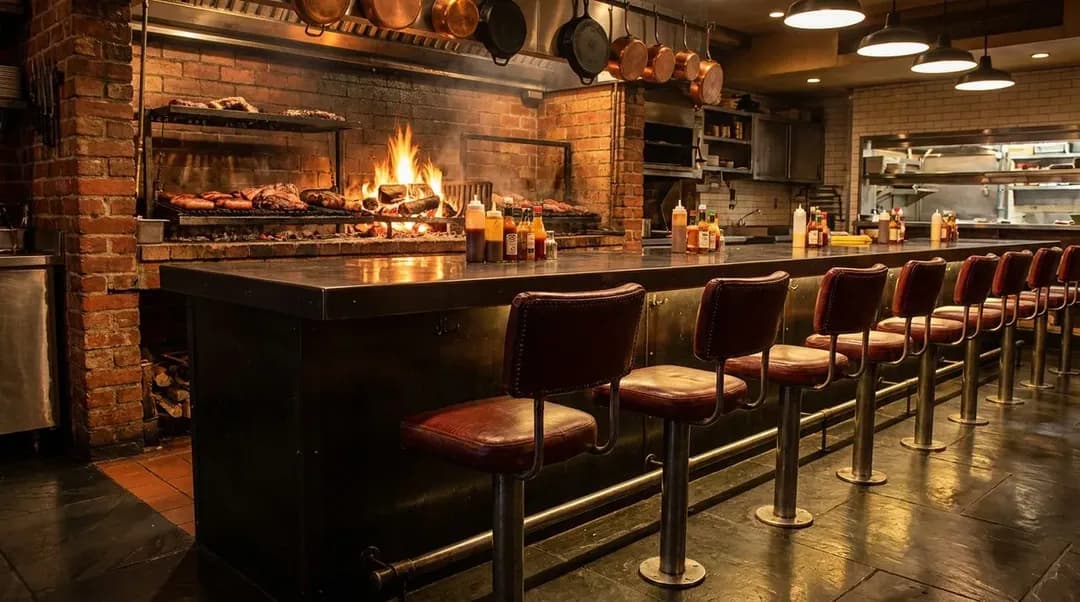
Astoria's Adriatic Table: Croatia Football Meets Coastal Tradition
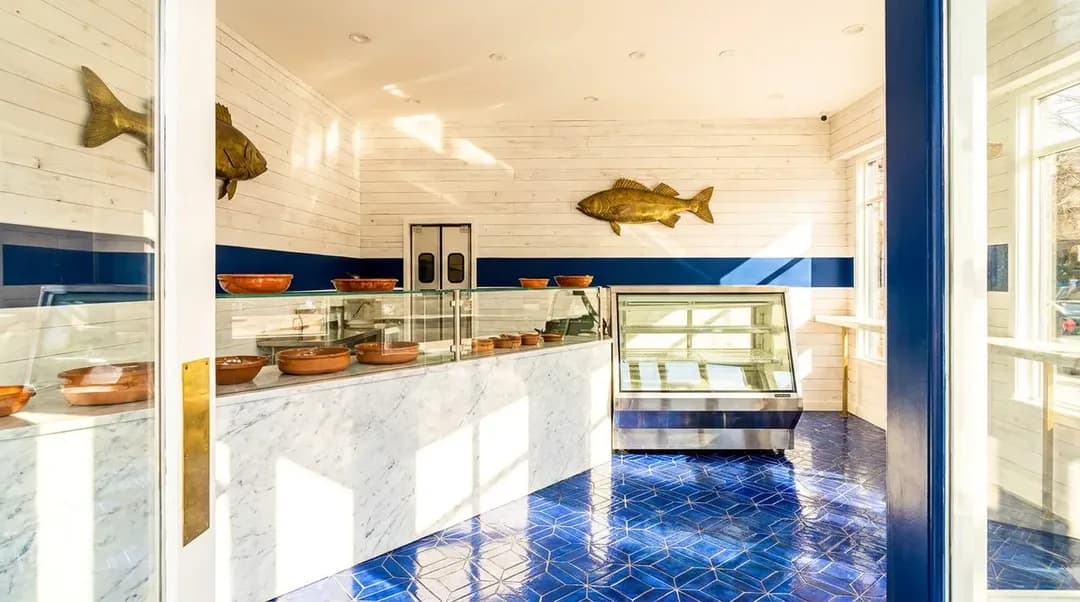
On a quiet stretch of Ditmars Boulevard, Chef Ivana Kovač has opened a fourteen-seat counter dedicated to the seafood of the Dalmatian coast. Her menu begins with marinated anchovies and moves through octopus salad, black risotto, and whole grilled branzino, each dish referencing a specific island or fishing village. Kovač grew up in Split and spent years cooking in New York's fine-dining circuit before launching this residency. The timing is no accident: Croatia football has punched above its weight for two decades, and Kovač sees her menu as a way to honor that resilience.
The pop-up runs from May 25 through June 30, Monday through Thursday. Kovač works with a single sous chef and a front-of-house manager who doubles as sommelier. The wine list is entirely Croatian—Plavac Mali, Pošip, Malvazija—and the final course is always a shot of rakija. After service, the counter becomes a gathering point for the neighborhood's Croatian community, many of whom arrive to watch matches on a small screen mounted above the pass. Kovač keeps the volume low and the conversation high, and the space feels less like a restaurant than a temporary embassy.
Counter Culture Meets Tournament Fever
The counter-seat format has become New York's default setting for ambitious, low-overhead dining. It eliminates the need for a large front-of-house staff, maximizes interaction between chef and guest, and creates a theatrical intimacy that larger dining rooms cannot replicate. For these World Cup pop-ups, the format also serves a practical purpose: it keeps capacity tight, turnover predictable, and the experience focused. There is no room for distraction when the kitchen is two feet away and the menu is fixed.
What distinguishes these residencies from typical pop-ups is their temporal anchor. Each chef has chosen a window that aligns with their nation's tournament schedule, and each menu is designed to close on or near the final whistle. The result is a dining experience that feels both celebratory and finite, a culinary countdown timed to the world's largest sporting event. For guests, the appeal is twofold: a chance to taste high-level cooking in an informal setting, and a chance to mark the tournament's progress with something more substantial than a pint and a screen.
Practical Notes for Counter Seekers
Each pop-up operates on its own reservation system, and availability is limited by design. The Brazilian counter in Williamsburg opens bookings one week in advance via a dedicated email address. The Argentine asado in Hell's Kitchen uses a weekly lottery system announced on social media. The Croatian seafood residency in Astoria takes walk-ins only, with a waitlist that opens at five o'clock each service day. All three kitchens accommodate dietary restrictions with advance notice, though the fixed-menu format leaves little room for substitution.
- Arrive fifteen minutes early; most counters do not hold seats past the reservation time.
- Expect to spend ninety minutes to two hours at the counter, longer if a match follows.
- Tipping is included in the fixed price at all three venues.
- Walk-ins are rare but possible on weeknights; call ahead to check counter availability.
- Watch-alongs are informal and optional; guests are welcome to leave after the final course.
Right on Time: The Tournament as Culinary Calendar
As of May 19, 2026, the World Cup is twenty-three days away, and New York's dining scene is already shifting into tournament mode. These chef-driven pop-ups represent a different kind of hospitality—one that treats the global event not as background noise but as organizing principle. The counter becomes a front row, the menu becomes a narrative, and the chef becomes a guide through a nation's culinary identity. For a city that has always eaten the world, this is simply the latest chapter.
The pop-ups will close when their nations exit the tournament or when the calendar runs out, whichever comes first. Until then, they offer a rare convergence: world-class cooking, intimate scale, and a shared sense of anticipation. Pull up a chair, order the set menu, and let the kitchen do the rest. The World Cup is coming, and New York is cooking.
All trademarks are the property of their respective owners.
Ask Karpo for more information.
Keep reading
- Haaland Has Seven Goals and Norway Runs Entirely Through Him
 World Cup Trophy Ceremony Timing Medals and Postmatch Celebrations
 Olise and France's Attack: The Semifinal Tactical Question