 Tribeca Bowling Group Night Planner for Wedding Guests
Sports Social
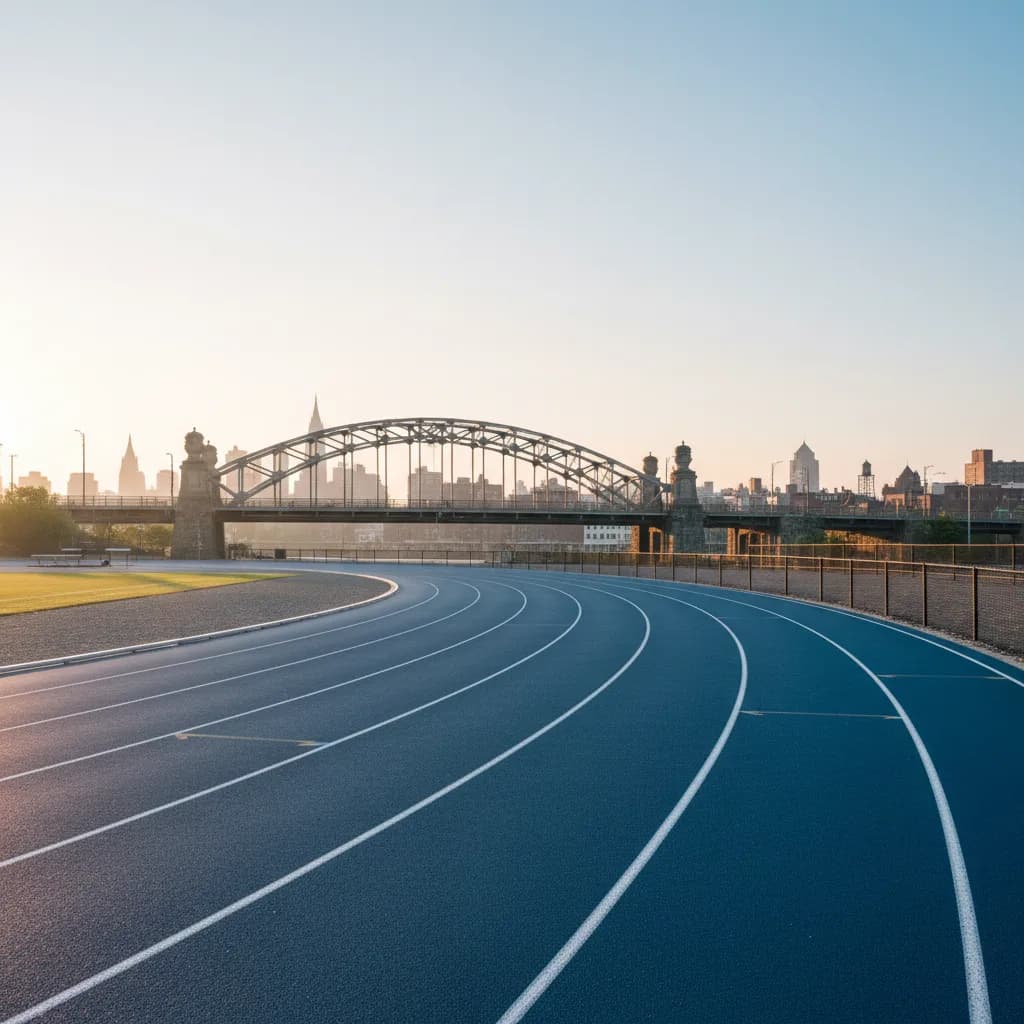
SoHo Public Track Running Loop: 4 Free Paved Splits
Locate free public track running loop routes connecting SoHo. Escape cobblestones for West Street paths and regulation East Side rubber laps.
SoHo is internationally renowned for its grand cast-iron architecture, high-fashion boutiques, and historic Belgian block cobblestone streets, but these historic stone thoroughfares present formidable challenges for runners seeking a consistent running rhythm. Pounding across uneven granite blocks on Mercer, Greene, or Wooster Street forces runners to shorten their stride, look down continuously to avoid tripping, and absorb harsh jarring impacts through knees and ankles. To execute purposeful tempo workouts and high-cadence strides, SoHo athletes must transition beyond the historic retail grid to discover open, dedicated public track running loop circuits situated along Manhattan's perimeter waterfronts and municipal athletic fields.
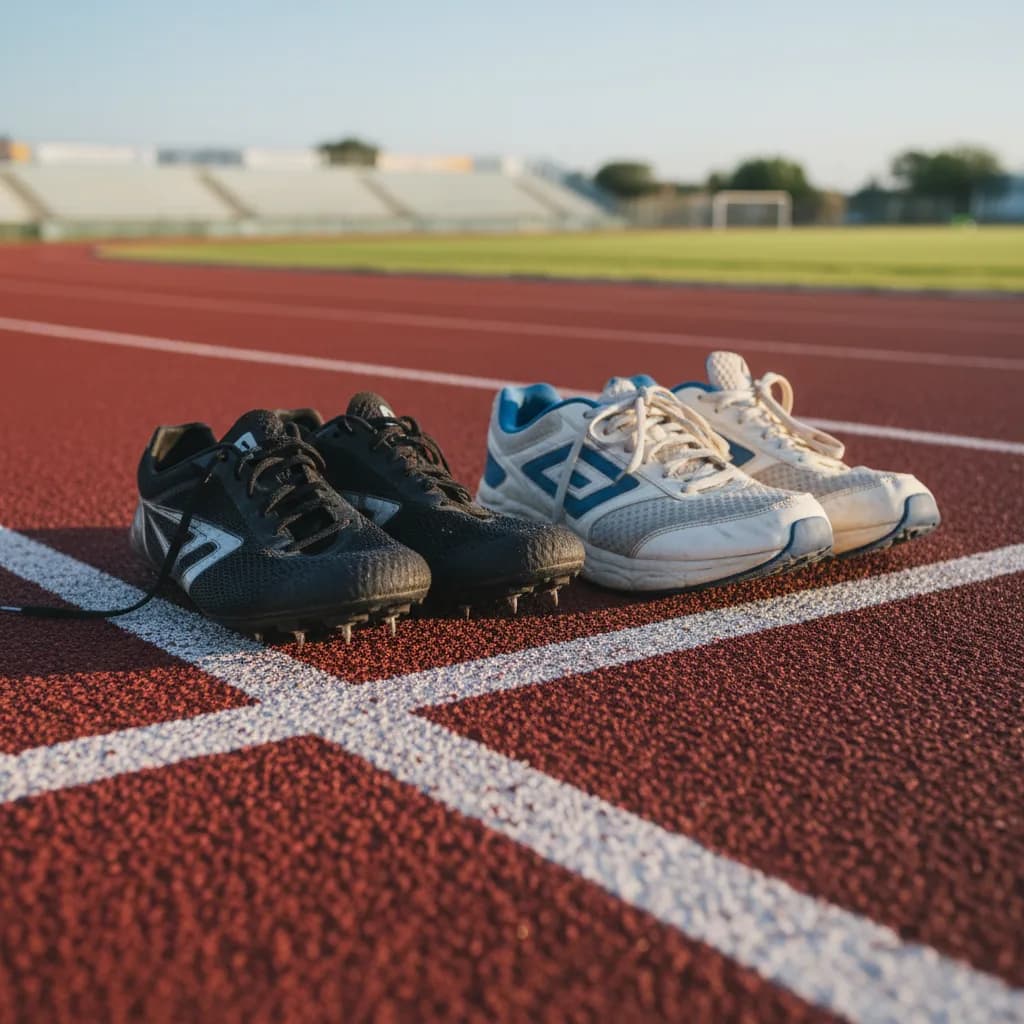
Transitioning from Cobblestone Streets to Open Loops
Fortunately, SoHo's compact geography places runners within easy jogging distance of several top-tier outdoor athletic spaces. A short ten-minute warm-up heading west along Houston Street or Spring Street leads directly across West Street into Hudson River Park, where runners meet continuous multi-mile esplanades and open recreational fields. Alternatively, heading east across Lafayette Street toward the Lower East Side connects athletes to the East River Park running track at East 6th Street. Karpo APP makes it easy to map safe, low-stress transition corridors that bypass busy shopping crowds on Broadway, steering runners through quiet side streets directly to dedicated athletic running loops.
Selecting Between Rubberized Tracks and Paved Paths
When planning speedwork from SoHo, runners have distinct terrain choices that serve specific physiological training goals. Dedicated rubberized tracks, such as the regulation four-hundred-meter circuit at East River Park, feature all-weather synthetic surfaces designed to provide maximum energy return while cushioning joints against repetitive stress injuries. These formal track facilities are ideal for structured sprint intervals, mile time trials, and short-distance repeats where exact distance calibration is critical. Running on an oval with marked lanes ensures that each repetition can be measured against absolute standards without interruptions from traffic or street crossings.
In contrast, the paved waterfront pathways of Hudson River Park provide broad asphalt surfaces tailored for sustained aerobic tempo runs and extended endurance circuits. While asphalt is firmer than synthetic rubber, it offers a predictable, flat, and wide corridor with clearly designated running lanes separated from bicycle paths and pedestrian stroll zones. Runners often choose to combine both experiences: using the waterfront esplanade for a progressive two-mile aerobic warmup, transitioning into focused four-hundred-meter track repeats on a community athletic oval, and finishing with an easy recovery jog along the river. This hybrid approach delivers the mechanical benefits of track training while incorporating the scenic openness of riverfront running.
Pacing Protocols, Passing Customs, and Sprint Drills
Achieving high training efficiency on shared public running loops requires adherence to established pacing protocols and courteous communal customs. On standard community tracks, all runners move in a counter-clockwise direction, maintaining strict lane assignments based on running speed. Faster runners doing maximum-effort sprints or threshold intervals occupy lane one and lane two, while athletes jogging at recovery pace or performing warmup drills yield the inside rail and move outward to lanes three through six. When approaching a slower runner in lane one, check behind your right shoulder before drifting smoothly outward into lane two to pass, avoiding sudden cutting in front of other athletes.
When training along waterfront pathways near SoHo, similar rules of etiquette ensure smooth coexistence with other urban athletes. Always keep to the right side of the marked pedestrian running lanes, leaving adequate space on your left for passing runners. When overtaking someone on narrow path sections, offer a brief, calm verbal warning like passing on your left to prevent startled reactions. Structuring your sprint drills with clearly defined recovery intervals—such as ninety seconds of walking followed by two minutes of controlled turnover—helps maintain workout quality without disrupting the flow of neighboring runners sharing the public loop.
Access Corridors, Nighttime Visibility, and Public Restrooms
Managing urban logistics is essential for establishing a reliable workout habit when basing your training out of SoHo. Public athletic tracks in Lower Manhattan operate under daily municipal schedules, typically opening around six o'clock in the morning and closing at ten o'clock at night. During early morning hours before eight o'clock, the paths and tracks are peaceful and sparsely populated, offering clean lines of sight and cool breezes off the water. Evening hours bring dedicated club runners and fitness enthusiasts, providing a lively community atmosphere supported by powerful overhead field illumination that keeps running surfaces bright and safe well after sunset.
Hydration and restroom facilities are conveniently distributed along both the Hudson River and East River greenways. Along the Hudson River Park corridor, seasonal drinking fountains and clean public restrooms are situated at key pier entrances near Pier 40 and Pier 25, just a short sprint from SoHo. During winter months when outdoor fountain lines are shut down to prevent freeze damage, runners should carry a small handheld hydration flask to stay adequately hydrated. Well-marked pedestrian crosswalks with signal lights at Spring, Houston, and Canal Streets ensure safe pedestrian crossings over the West Side Highway, keeping access to the waterfront running loops quick and dependable.
Optimizing Training Logs with Digital Mapping Tools
Modern digital mapping platforms transform how urban runners explore their surrounding neighborhoods and track their physical progress. Karpo APP provides SoHo athletes with accurate street-level overviews that calculate exact door-to-track distances, highlight waterfront park connectors, and identify low-traffic morning running corridors. Runners can save their favorite multi-lap circuits, mark key water fountain locations, and review detailed elevation profiles to ensure their speed sessions remain completely flat and uninterrupted. Having verified route information readily accessible on your mobile device removes navigation anxiety, allowing you to focus entirely on athletic performance.
Following a challenging track workout, returning to SoHo offers runners an ideal environment for gentle recovery walks and post-workout replenishment. Stroll down quiet side streets like Sullivan or Thompson Street as your heart rate returns to baseline, taking in the historic neighborhood atmosphere before returning home. Shaded park benches along nearby squares provide quiet spots for post-run calf stretches, quad mobility work, and deep breathing exercises. By integrating structured track workouts with digital route navigation and SoHo's unique urban character, athletes can achieve elite-level conditioning right in the heart of historic downtown New York.
Ask Karpo for more information.
Keep reading
- Tribeca Bowling Group Night Planner for Wedding Guests
 Flushing Bowling Group Night Planner for Thanksgiving Break
 Bushwick Bowling Group Night Planner After Band Practice