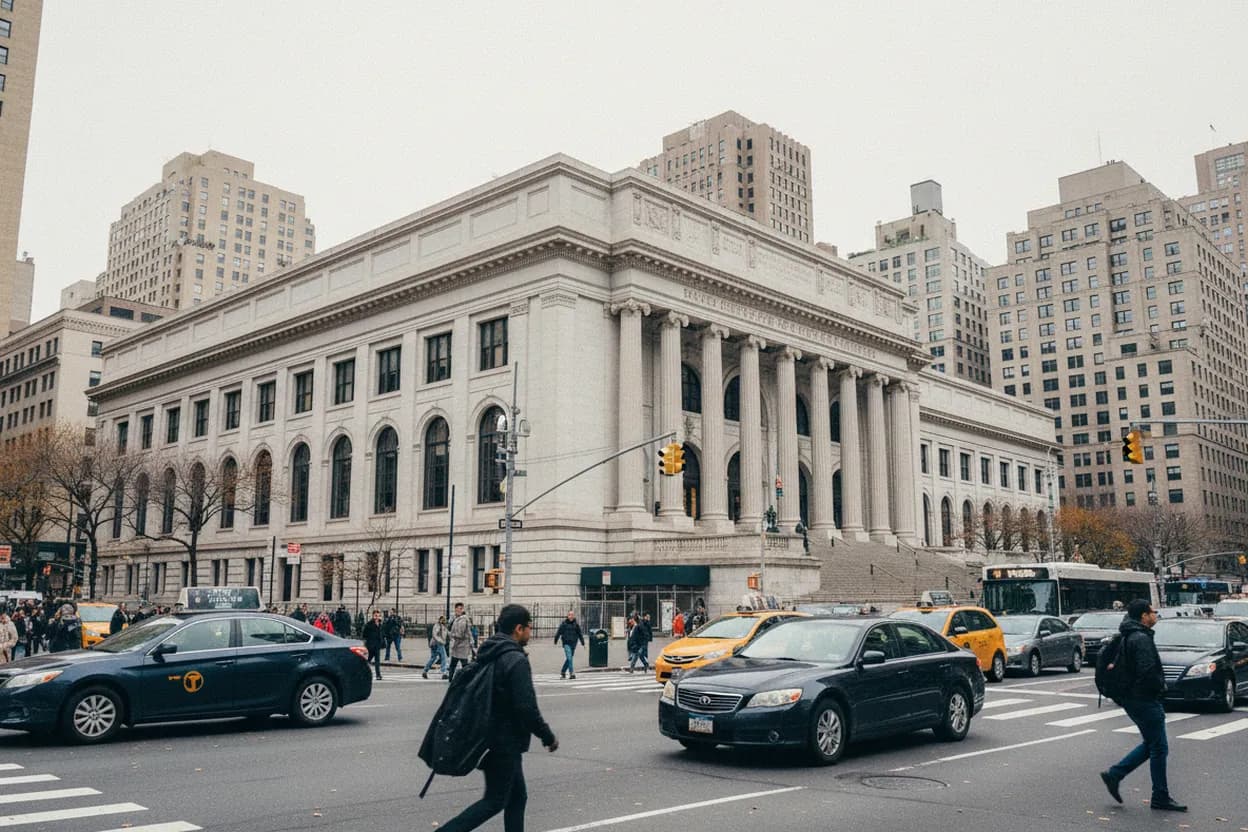
On a rainy Wednesday afternoon in New York City, the smartest response to a sensitive search spike is not speed; it is verification. The phrase davey hearn olympic canoeist case is pulling together sports history, possible legal-record questions, and public curiosity, which makes it easy for bad summaries to travel faster than documents. For a solo reader in NYC, the Stephen A. Schwarzman Building at Fifth Avenue and 42nd Street offers a practical free base: research rooms, librarians, public catalogs, databases, WiFi, computers, and accessible entrances. This guide is for checking what can be confirmed today, spotting what cannot, and deciding when to stop sharing.
Want a faster NYC verification route? Text Karpo for a step-by-step library and court-record plan before you repost, quote, or chase a sensitive public-case claim.
Stephen A. Schwarzman Building on Fifth Avenue for Davey Hearn Olympic Canoeist Case Planning
Start at the New York Public Library’s flagship research building, not a social feed. NYPL lists the Schwarzman Building at Fifth Avenue and 42nd Street, New York, NY 10018, with Wednesday hours shown as 10 AM to 8 PM. Division hours can differ, so treat the main building hours as a container, not a promise that every desk, room, or collection is open when you arrive.
For a rainy daytime visit, build a 90-minute first pass: enter, orient at the Visitor Center or information desk, search the catalog, then ask whether a research consultation or specific division is better for public-record verification. The tradeoff is pace. You may leave with fewer dramatic answers, but you reduce the risk of repeating a claim that came from a clipped post, unattributed screenshot, or stale biography page.
42nd Street Accessible Entrance and Elevator Route
NYPL says public service units at the Schwarzman Building are wheelchair accessible, with a ramp entrance at 42nd Street and an accessible street-level entrance at 40th Street. Elevators serve all levels from the north end of the building. If weather makes the Fifth Avenue steps slick or crowded, these access points are not side notes; they are part of the practical plan.
Accessibility also affects verification quality. If standing in lines, carrying a laptop, or navigating stairs will shorten your attention span, use the entrance and seating that let you work steadily. NYPL advises speaking with staff for onsite accommodations and provides accessibility contact information. A likely failure mode is arriving focused on the headline, then losing time to building logistics that could have been solved at the door.
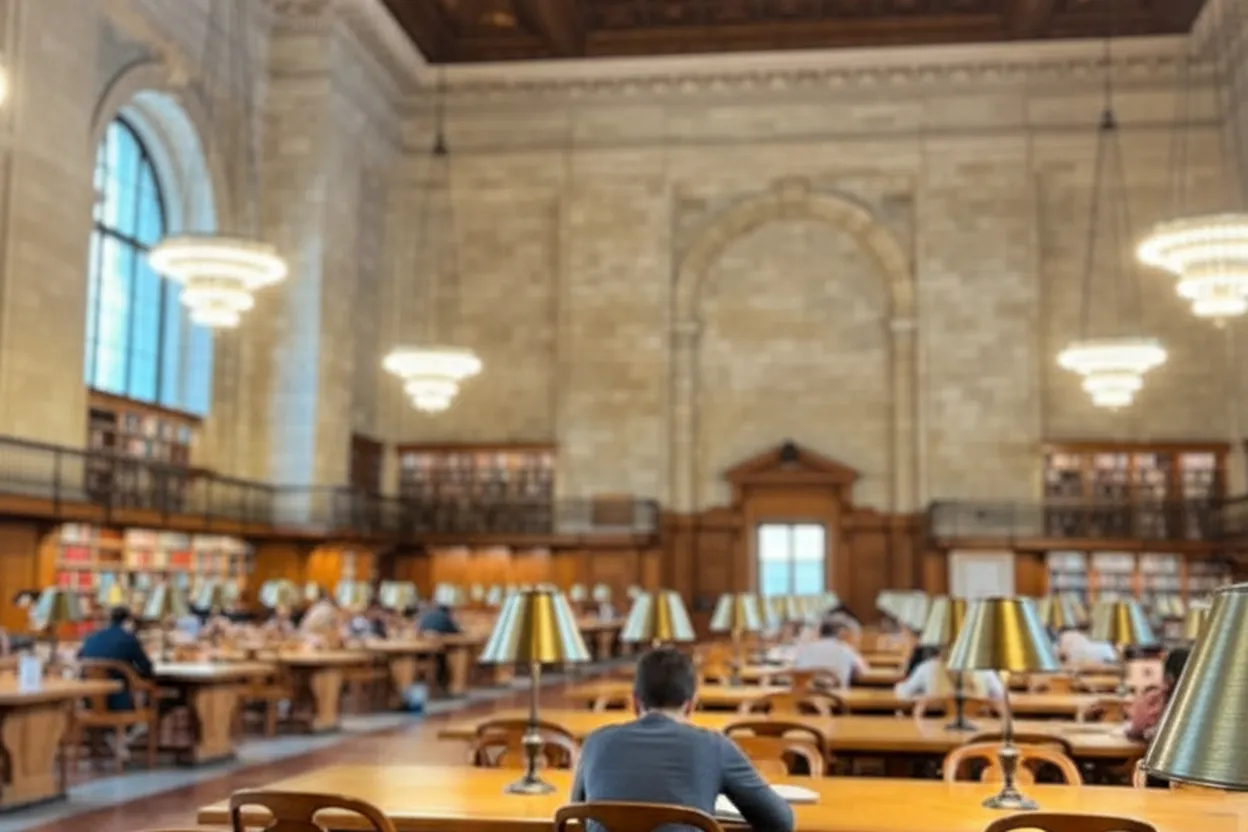
Ask NYPL Chat, Text, or Librarian Appointment
Ask NYPL is the right first human checkpoint when you are unsure which source type fits the question. The Schwarzman research page points uncertain researchers to Ask NYPL, and NYPL’s support page describes virtual reference help, research guides, and consultation options. Ask a narrow question: which free databases, newspaper archives, or government-record portals should a New Yorker use to verify a sensitive claim about an athlete and a possible case?
Do not ask librarians to validate rumor as fact. Ask them to help separate biography, news reporting, official dockets, and court decisions. That wording matters because a librarian can guide your method without becoming a source for unverified allegations. If chat is busy or the topic requires more care, schedule a consultation or send the question in writing so you have a clean record of the recommended verification path.
Bill Blass Public Catalog Room Search
Use the catalog room or onsite computers for slower source mapping. Search the full name David Carter Hearn, the used name Davey Hearn, and related sports terms separately before combining them with case language. Team USA identifies David Hearn as a three-time Olympian in canoe slalom, with Olympic results in 1992, 1996, and 2000. That confirms athletic identity; it does not confirm every legal or viral claim attached to his name.
This step is useful because identity confusion is a common failure mode in public-case searches. One verified athlete profile can anchor spelling, age, sport, hometown, and competition history, while still leaving legal status to court or official records. Keep a note with exact names searched, source dates, and whether the result came from a sports body, library database, news outlet, court portal, or archived personal page.
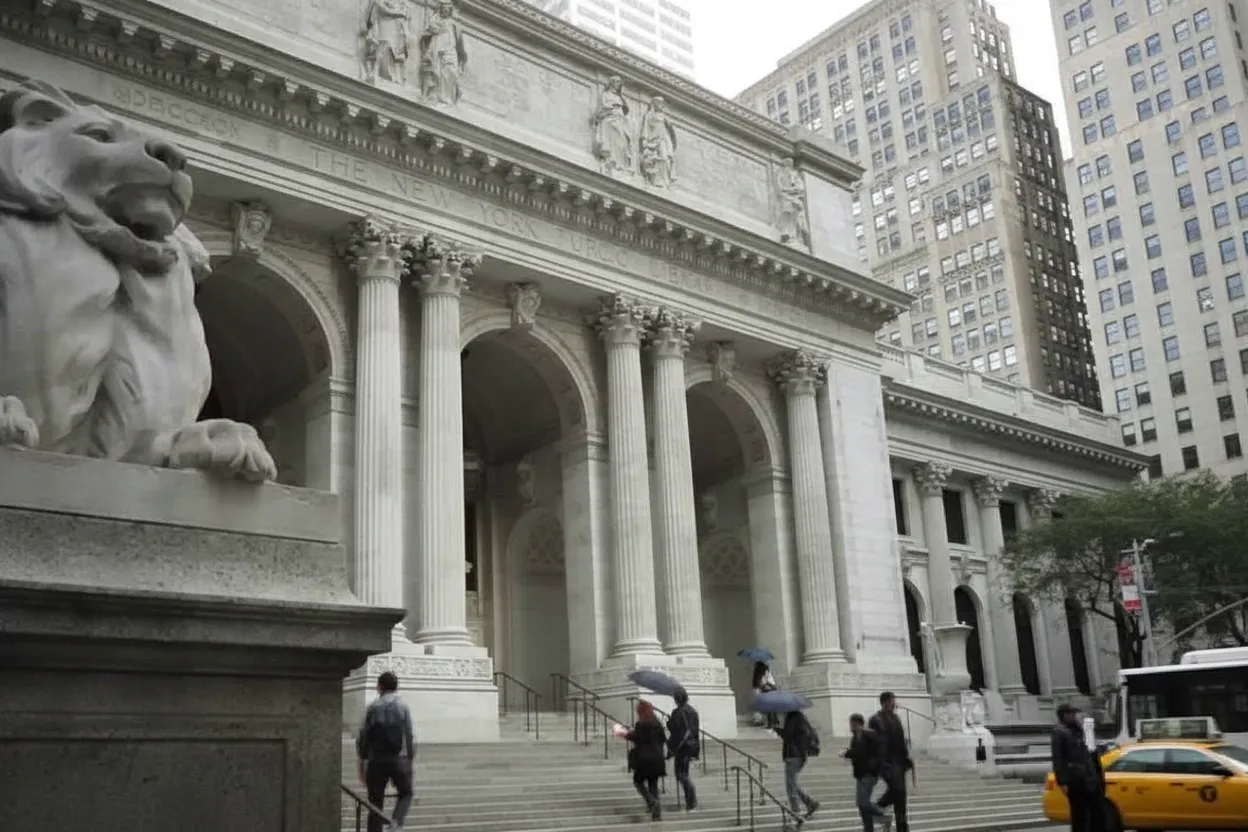
New York Courts e-Courts Case Search
For New York-specific legal verification, use the Unified Court System’s e-Courts page rather than a third-party scraper. The official page links to WebCivil Local, WebCivil Supreme, WebCriminal, WebFamily, Surrogate, eTrack, NYSCEF, and decisions resources. Choose the portal by case type and jurisdiction. If you do not know the county, case type, or index number, that uncertainty is itself a result, not a license to guess.
New York court portals are practical for NYC readers because they separate current case tracking from published decisions. The state decisions search notes that trial-court decisions may be uncorrected and may not reflect current case status. Use decisions for written rulings and e-Courts tools for current tracking where available. If no New York record appears, write that as “not found in this search,” not “does not exist.”
Bryant Park Break and Cross-Source Notes
After the first searches, step outside toward Bryant Park or pause in a quiet public area before deciding what the information means. Sensitive searches create false certainty because each page appears to confirm the last. Build a simple grid: claim, source, date accessed, jurisdiction, direct quote or data point, and what remains unverified. Separate Davey Hearn’s established Olympic record from any case-specific assertion unless an official document supports the link.
A solo reader should expect moderate difficulty here. The challenge is not access cost; it is discipline. Reputable biography pages can be useful but may mix career history with recent notes sourced elsewhere. News pages may summarize allegations without giving docket details. Court pages may require exact spelling or jurisdiction. Your backup logic is to keep narrowing the claim until only verifiable parts remain.
Text Karpo After the Last Document Check
Before leaving Midtown, do one final verification action: repeat the exact name search in the official court portal most relevant to the claim, then compare it with Team USA or Olympedia for identity and NYPL-guided databases for reputable news context. If the alleged event is outside New York, do not force a NYC court search to answer it. Mark the jurisdiction gap clearly and look for the official court or agency there.
The decision rule is simple for New Yorkers: share only what survives source separation. Athlete biography, court status, indictment language, hearing dates, access rules, and library hours each need their own source. If one piece cannot be confirmed on July 29, 2026, say so plainly. Text Karpo only after you have the open questions listed, because the best city guide cannot repair a conclusion built on missing documents.
Tags: #NYC #NewYorkCity #NYPL #PublicLibrary #MidtownManhattan #StephenASchwarzmanBuilding #DaveyHearn #Olympics #CanoeSlalom #CourtRecords #MediaLiteracy #FreeThingsToDo #AskKarpo #BeforeYouGo
Sources consulted: Source 1: nypl.org · Source 2: nypl.org · Source 3: nycourts.gov · Source 4: decisions.courts.state.ny.us · Source 5: teamusa.com · Source 6: olympedia.org
All trademarks are the property of their respective owners.
Ask Karpo first
Tell Karpo your date, group size, budget, and starting point. We’ll check current access, timing, transit, and the cleanest New York City plan for New York Public Library, Stephen A. Schwarzman Building before you head out.


