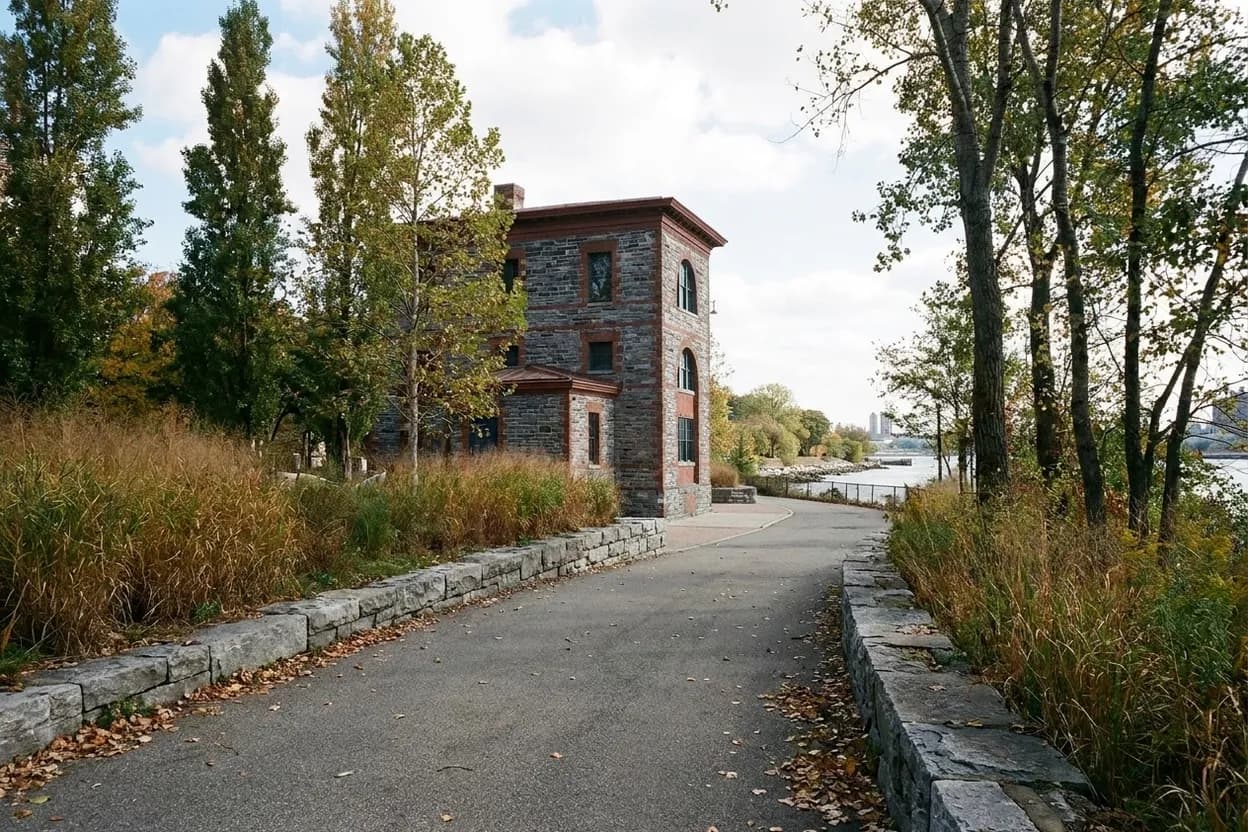
New Yorkers searching for the sam altman singularity are usually not looking for a single answer; they are trying to find a room where the question can be tested carefully. As of July 27, 2026, the most reliable route is not one permanent lecture series. It is a rotating circuit of public libraries, university calendars, civic technology groups, and museum-adjacent talks where AI is framed through work, schools, health, climate, safety, and public life. The useful move is to verify each listing the same day, match the room to your tolerance for technical depth, and keep a backup within the same borough.
Want a current AI talk route without chasing stale listings? Text Karpo with your evening, borough, and comfort level, and ask for verified public library and campus options before you leave.

Start at NYPL’s Stavros Niarchos Foundation Library for Low-Friction AI Literacy
SNFL at 455 Fifth Avenue is the easiest Manhattan starting point because NYPL lists it as fully accessible and open late most weekdays, with the Pasculano Learning Center tied to technology classes. The library’s broader events calendar is free and searchable, but listings move quickly, so treat “AI” and “TechConnect” searches as live checks, not standing promises. This is best for solo learners who want structure without committing to a university seminar room.
The tradeoff is specificity. NYPL may offer practical technology instruction more often than philosophical debate about intelligence, labor, or existential risk. If the listing is a class, expect guided skill-building rather than a panel. Before going, confirm the room, registration status, and whether attendance is first come, first served. If a program is full, SNFL still works as a quiet indoor fallback for reading, note sorting, or scanning current AI books.
Use Brooklyn Public Library’s AI Hub When You Need Plain-English Entry Points
Brooklyn Public Library’s Artificial Intelligence events hub was current on July 27 and listed upcoming sessions such as “Digital Skills & AI Literacy” at Bedford Library on July 28 at 6:00pm, “Intro to Safe AI Use” at Bedford Learning Center, and AI-tagged computer basics at Coney Island Library. The audience fit is practical: adults, job seekers, caregivers, and curious residents who want safer daily use before harder theory.
The failure mode is assuming every AI-tagged event is a lecture. Some BPL listings are workshops, office hours, children’s coding sessions, or career-certificate support. That is still useful if your question is, “How do people actually use this?” rather than “What did a lab leader predict?” Verify the branch page, registration link, and age restrictions before leaving, especially for Bedford programs that may be recurring and space-limited.
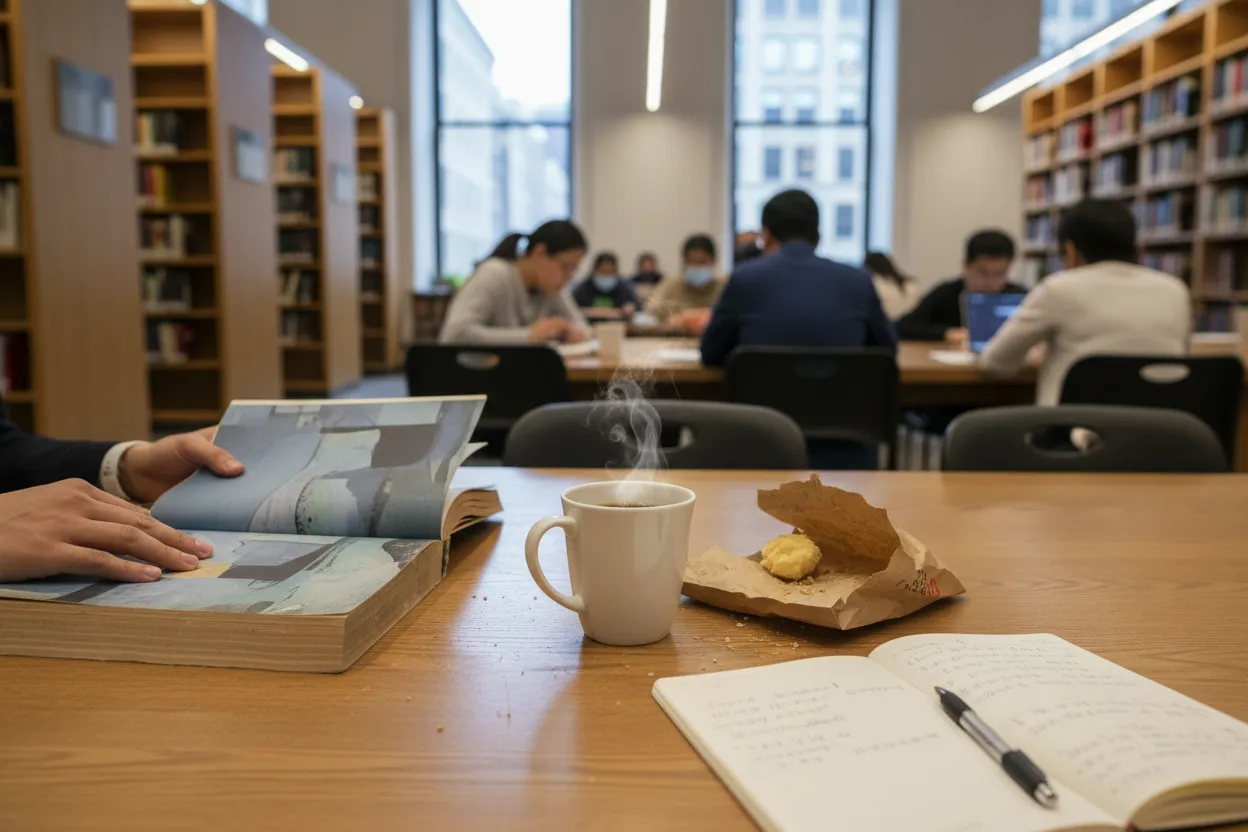
Check NYU’s AI Calendar for Evening Seminars With Academic Depth
NYU’s AI pages show the kind of programming that can turn a headline into a serious discussion. A May 13, 2026 CDS colloquium at 60 Fifth Avenue examined automated decision systems, rationality, and human judgment, with a videoconference option listed. Past events matter here because they reveal the venue’s pattern: research talks, seminars, and hybrid formats that often sit closer to graduate-level conversation than neighborhood class.
For July 27 planning, use NYU as a calendar to monitor rather than a guaranteed same-night stop. The best audience is comfortable with dense abstracts and Q&A that may move fast. The backup logic is simple: if the event page says students, RSVP, or lab affiliation are required, do not bluff access. Switch to NYPL or BPL, or use the NYU event topic as a reading prompt for a quieter library evening.
Follow Columbia Data Science Institute for Policy, Health, and City Systems Angles
Columbia’s Data Science Institute calendar and archives confirm a steady stream of AI-adjacent programming in 2026, including health information, smart cities, responsible AI, and machine learning seminars. Its public event pages give useful cues: location, audience limits, registration priority, and whether a session is online. That makes Columbia valuable for people who want AI discussed through institutions, infrastructure, medicine, or governance rather than pure product demos.
The main tradeoff is access. Some Columbia events are open to the public, while others prioritize faculty, researchers, students, affiliates, or invited guests. Read that language literally. If you are not eligible, use the topic list to find public alternatives nearby or online. For accessibility and pacing, confirm building entry requirements, ID rules, room number, and whether the event is recorded or streamed before committing to the trip uptown.
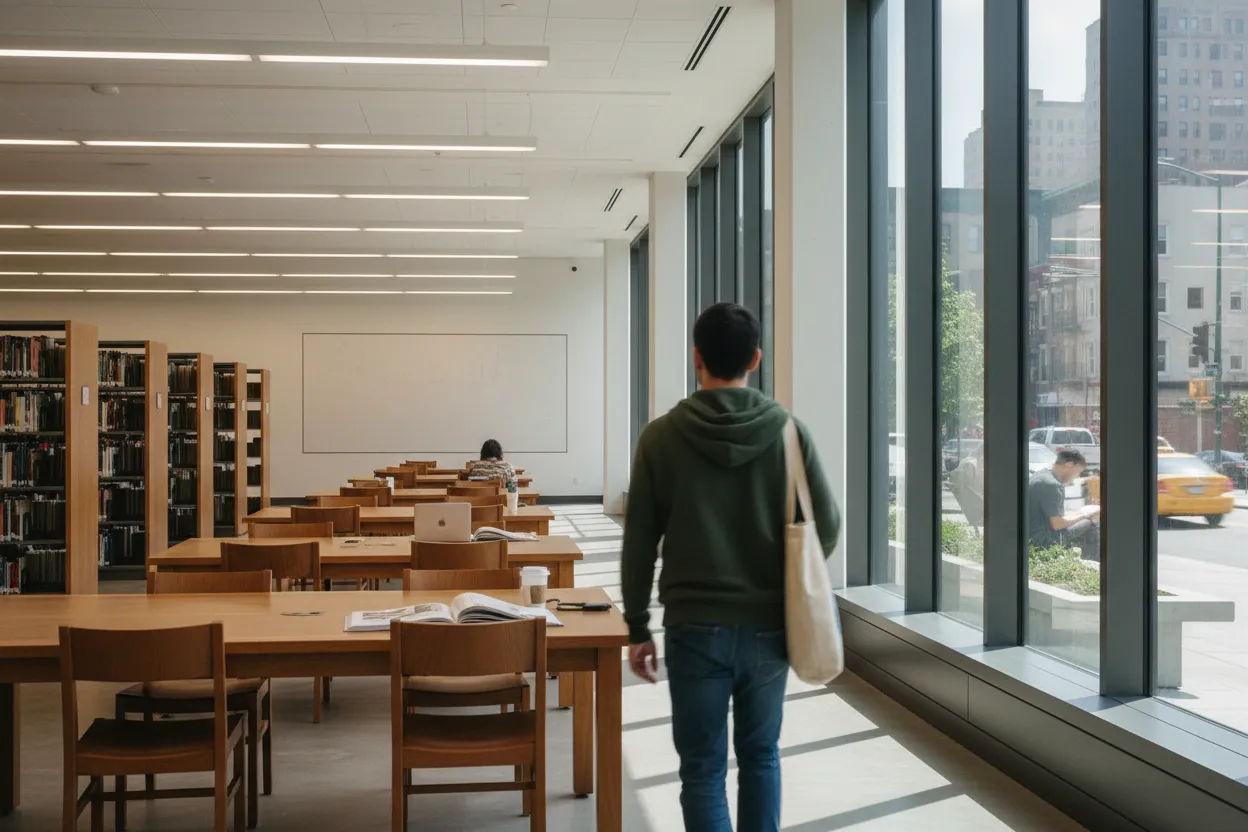
Watch Cornell Tech for Roosevelt Island Panels on AI’s Real-World Costs
Cornell’s events system listed a New York City panel, “AI and Sustainability: Unlocking the Promise, Navigating the Risks,” on April 21, 2026 at Cornell Tech’s Tata Innovation Center, Room 591, 2 West Loop Road. The page specified a reception from 5:30 to 6:30pm, panel from 6:30 to 8:00pm, and required registration because space was limited. That is exactly the kind of listing worth tracking for future evening discussions.
Cornell Tech is a strong fit if you want AI tied to energy, climate, business, policy, and public infrastructure. It is a weaker fit for a drop-in night because campus events can fill or close registration. Confirm the event host, room, and sign-in process, then check Roosevelt Island transit conditions. If elevators or weather make the island awkward, keep a Manhattan library or livestream option ready.
Use NYC Public Schools Guidance as a Civic Discussion Filter
NYC Public Schools released AI guidance for educators and school leaders on March 24, 2026, covering academic integrity, student privacy, data security, responsible use, and the need for human judgment when evaluating AI-produced material. Even if you are not an educator, this official city framing is useful. It points you toward talks that move beyond speculation and into rules, classrooms, families, and practical risk.
When choosing a lecture, compare the event description with those civic concerns. A useful public discussion should say what it means by privacy, authorship, student use, or data security, not just promise a future. Parents and teachers should verify whether a program is designed for adults, teens, or professionals. If a listing cannot explain who it serves, treat that as a signal to choose a clearer library or agency-backed session.
Make the Same-Day Verification Loop Part of the Night Out
Before leaving, run a final three-part check: the event page, the venue page, and your transit accessibility status. NYPL and BPL calendars can close registration, university rooms can change, and weather can make an otherwise easy indoor plan less comfortable. The MTA app’s accessibility mode is useful because it highlights accessible stations and the agency advises checking elevator status before the trip.
Your go-or-skip rule should be practical. Go when the host, time, room, audience, registration, and route are confirmed within the last few hours. Skip or switch when the listing is old, the audience is restricted, the price is unclear, or the access rules are vague. A good AI night in NYC is not about chasing the biggest name; it is about choosing a verified room where the discussion matches your actual question.
Tags: #AskKarpo #BeforeYouGo #NYCEvents #NYCLibraries #PublicLectures #ArtificialIntelligence #AILiteracy #BrooklynEvents #ManhattanEvents #NYU #ColumbiaUniversity #CornellTech #CivicTech #HiddenGems
Sources consulted: Source 1: bklynlibrary.org · Source 2: datascience.columbia.edu · Source 3: cims.nyu.edu · Source 4: events.cornell.edu · Source 5: schools.nyc.gov · Source 6: intercom.help
All trademarks are the property of their respective owners.
Ask Karpo first
Tell Karpo your date, group size, budget, and starting neighborhood. We’ll check current access, timing, transit, and the cleanest plan for public library before you head out.