A fauci headline can move fast in New York, especially when it lands in group chats, bar conversations, neighborhood forums, or event planning threads. The useful question is not whether a quote feels urgent; it is whether it changes what you should do today. As of July 28, 2026, the strongest local approach is to separate national commentary from NYC-specific guidance, then check official city data, health alerts, and meeting channels before reacting. This guide is for New Yorkers who want to follow public health discussions without turning every claim into a crisis. Use it to decide where to read, where to listen, when to ask questions, and when to wait for better confirmation.
Want a quick read on whether a public health discussion is worth attending? Text Karpo with the headline, borough, and your main concern before you commit time.

NYC Health Respiratory Data: Start With the Local Baseline
Before treating any national statement as personally actionable, compare it with NYC Health Department data. The city’s respiratory illness page tracks COVID-19, flu, RSV, and broader emergency department trends, and notes that data are preliminary and may change. That caveat matters. A clip or quote may describe a national risk, but your daily decision should start with the local trend line, especially if you are planning indoor nights out, visiting older relatives, or attending crowded events.
The tradeoff is that official dashboards can lag and may not answer every personal question. They are best for direction, not diagnosis. If you need immediate medical advice, use a clinician or urgent care path instead of a public forum. For a solo reader, the practical pacing is simple: check the dashboard, scan the explanation, note the update date, and avoid over-reading one week of movement without context.
Health Alert Network Archive: Read Alerts Without Becoming a Clinician
NYC’s Health Alert Network is designed for providers, but the public archive is useful for understanding what the city is actively flagging. In 2026, the archive lists alerts and advisories on wildfire smoke, extreme heat, Legionnaires’ disease, mosquito-borne viruses, tick-borne disease, and other issues. That does not mean each item applies to you equally. It means the city has a channel for time-sensitive professional guidance, and claims should be checked against it before being amplified.
The failure mode is reading provider guidance as a complete consumer instruction sheet. Some HAN items assume medical training, reporting duties, or facility-level responsibility. Use the archive to confirm whether an issue is current, then move to public-facing NYC Health pages, 311, Notify NYC, or your own provider for what to do next. If a discussion host cites a health alert, ask for the alert number and date, not just a paraphrase.

NYC Health Official Notices: Use Public Comment When Rules Are Actually Open
For civic engagement, NYC Health’s notices page is the better starting point than social media. The page explains that proposed rules are published on NYC Rules, where visitors can comment online or by regular mail during a public comment period. It also notes that the Health Department may hold public hearings where anyone can comment on proposed rules. That is the channel to watch when a public health debate becomes an actual rulemaking question.
The practical detail is timing. If no comment period is open, a forum may still be useful for learning, but it is not the same as submitting testimony. Check the proposal page, deadline, hearing format, and whether written comments are accepted. Accessibility and language needs should be verified before the hearing date. Your backup is to prepare a short written comment and submit it through the official route rather than relying on a crowded meeting microphone.
125 Worth Street Meetings: Decide Whether In-Person Testimony Is Worth It
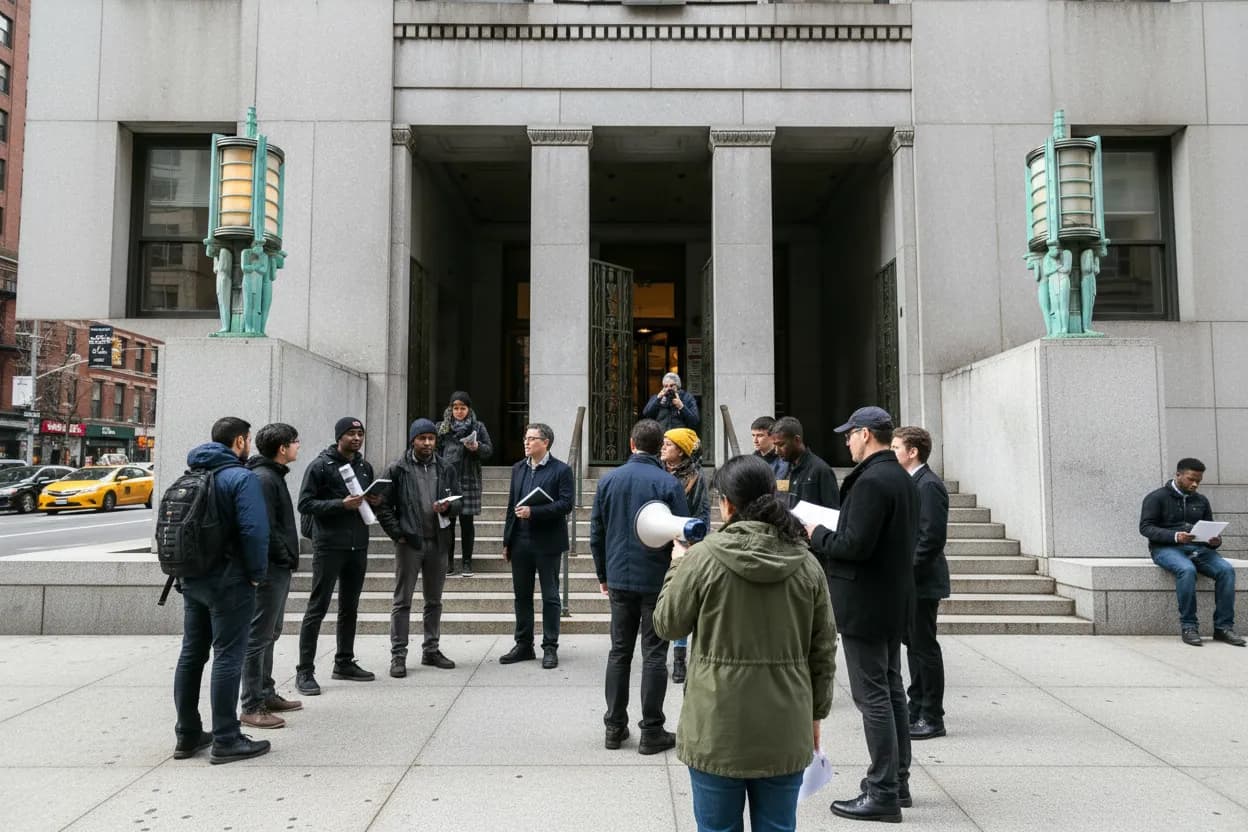
Several NYC public bodies use 125 Worth Street for in-person meetings, and past meeting pages show a familiar civic pattern: posted agendas, registration options for remote participation, time-limited comments, and instructions for reasonable accommodations or language interpretation. Do not assume every health-related meeting uses the same room, deadline, or speaking rules. Treat 125 Worth as a possible venue, then verify the exact board, date, floor, registration requirement, and agenda before traveling.
In-person attendance can be effective when you need to read the room, speak briefly, or connect with advocates afterward. It can also be slow, crowded, and agenda-dependent. If your concern is a broad Fauci-related interpretation rather than a specific NYC action item, written comment or a smaller expert event may be more efficient. Build a backup plan: draft a three-minute version, bring sources, and be ready to submit by email if speaking slots close.

NYPL Event Listings: Use Libraries for Low-Pressure Information Access
The New York Public Library events calendar is not a substitute for health guidance, but it is useful for information access. NYPL asks users to check listings to confirm whether programs are in person, online, or outdoors and to contact the branch with questions. For a New Yorker who wants context without a combative forum, library programs, research classes, and community services can be a calmer way to build source literacy.
The tradeoff is specificity. A library event may help you research public records, evaluate sources, or connect with community support, but it may not address a breaking health claim. Check the event title, branch, audience, registration status, and room accessibility. If the listing is outdated, full, or unrelated, use the library catalog, ask a librarian for help finding official sources, or switch to an online event that better fits your schedule.
New York Academy of Medicine Events: Look for Expert Context, Not Instant Instructions
The New York Academy of Medicine is a reputable venue for public health and health equity discussions, and its 2026 event archive includes programs and convenings tied to weather-related health impacts, research, social work ethics, and population health. This is where expert framing can help. It is especially useful when a headline raises a bigger question about institutions, preparedness, or evidence, rather than a narrow question about what to do tonight.
The limitation is access and timing. Some convenings are invitation-only, some events are past, and some programs target professionals. Verify whether registration is open, whether the event is public, and whether recordings or summaries are available. If the program is not accessible, look for the sponsoring institution’s public materials. For pacing, treat expert events as background reading, then return to NYC Health or your clinician for current personal precautions.
What to verify for Public Forums
Before you share, attend, or change plans, run a final three-part check. First, identify the claim: quote, forecast, rule, advisory, or personal medical recommendation. Second, match it to the right channel: NYC Health data for local trends, HAN for provider alerts, NYC Rules for proposed regulations, Notify NYC for emergency alerts, or an event page for discussion logistics. Third, confirm the date, because stale health information can sound newly urgent.
Go if the forum names sources, allows questions, and connects the topic to a current NYC decision. Skip if the listing lacks a date, uses vague expert language, or turns a national personality into a local directive without evidence. For accessibility, confirm transit, room access, remote options, and interpretation before leaving. If any changing fact cannot be confirmed, make that the point of your participation: ask what source, what date, and what action the public is actually being asked to take.
Tags: #NYCPublicHealth #Fauci #HealthNews #NYCHealth #PublicForums #CivicEngagement #HealthAlerts #NYCRules #NYPL #NYAM #InformationAccess #AskKarpo #BeforeYouGo #KarpoNYC
Sources consulted: Source 1: home4.nyc.gov · Source 2: nyc.gov · Source 3: nyc.gov · Source 4: nyc.gov · Source 5: nypl.org · Source 6: nyam.org
All trademarks are the property of their respective owners.
Ask Karpo first
Tell Karpo your date, group size, budget, and starting neighborhood. We’ll check current access, timing, transit, and the cleanest plan for Public Forums before you head out.