 Fort Greene Holiday Market Browsing Guide for Young Shoppers
Weekend Plans
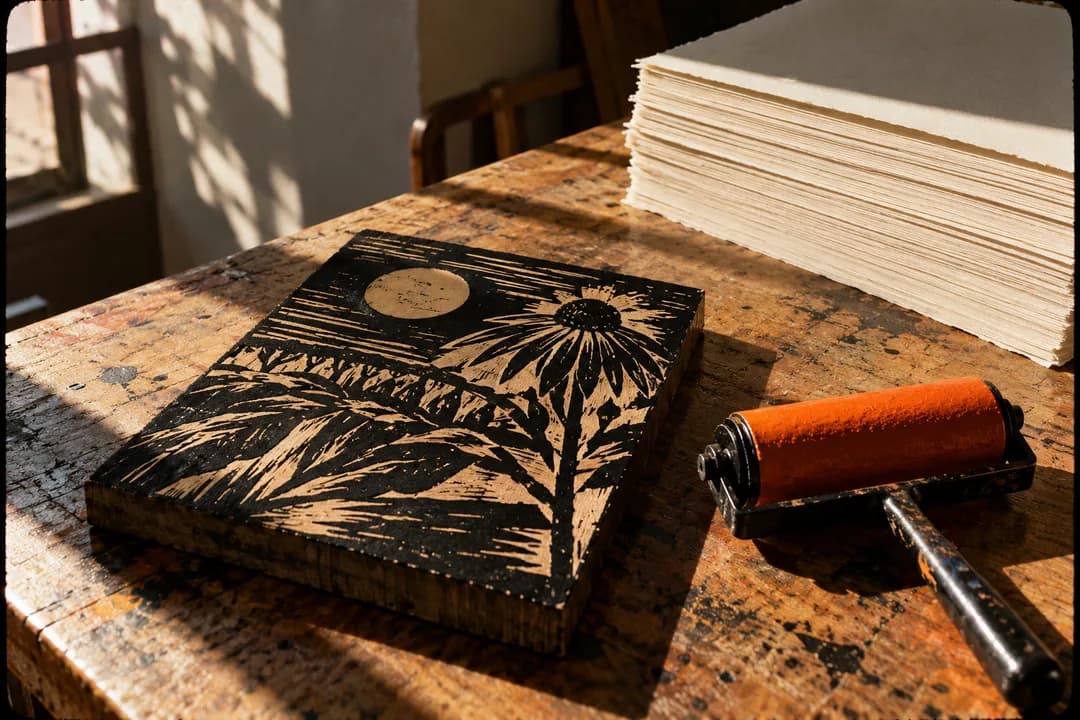
Gowanus Printmaking Studio: $475 Cards at Manhattan Graphics
Manhattan Graphics Center offers public classes at Powerhouse Arts in Gowanus, with a $475 cards course and a booked tour of its community studio.
Manhattan Graphics Center offers classes to the public without requiring membership at its Gowanus printmaking studio. The center is at Powerhouse Arts, 322 3rd Avenue, 5th Floor, Brooklyn, NY 11215. Its official course-booking site lists Screenprinting: Cards & Stationery with Mark Ledgerwood starting November 8 for $475. The course takes place within Powerhouse Arts, placing a first printmaking visit in Gowanus alongside the center's community studio program.
Choose a Public Class Before a Membership
The FAQ answers the access question directly: all online and in-person classes are open to members of the public. That makes a course a practical way to enter the community without first committing to independent studio membership. Separate the two decisions. Someone who wants teaching should compare the course descriptions, while an experienced printmaker looking for regular equipment access should read the membership information and arrange a tour of the working space.
The current booking page distinguishes courses that have already begun from those with upcoming starts. Screenprinting: Cards & Stationery is listed for November 8, while Gold Leaf begins November 7 at $500. The latter is described as covering pre-printing and post-printing techniques. Those are different interests: cards and stationery offer a clear application, while gold leaf concerns the treatment of an image or surface. Choose the subject that fits your work rather than treating both as interchangeable outings.
Twenty Printmakers Started the Organization
The center's history begins in 1986, when 20 printmakers needed somewhere to work after Pratt Graphics Center closed. They rented a SoHo loft and formed a nonprofit public corporation, gaining federal charitable status in 1988. That origin explains the center's continuing emphasis on shared facilities. It was created by people seeking a place to practise, which is a more specific story than a generic promise of a creative community.
The same history records several moves: to Washington Street in the West Village in the early 1990s, to the Garment District in 2010, and to Powerhouse Arts in Brooklyn in 2024. The name therefore describes the organization's history rather than its present borough. A visitor following the name alone could head to Manhattan by mistake. Put the full Brooklyn address into your route and keep the fifth-floor destination attached to it.
A Teaching Lab Within Powerhouse Arts
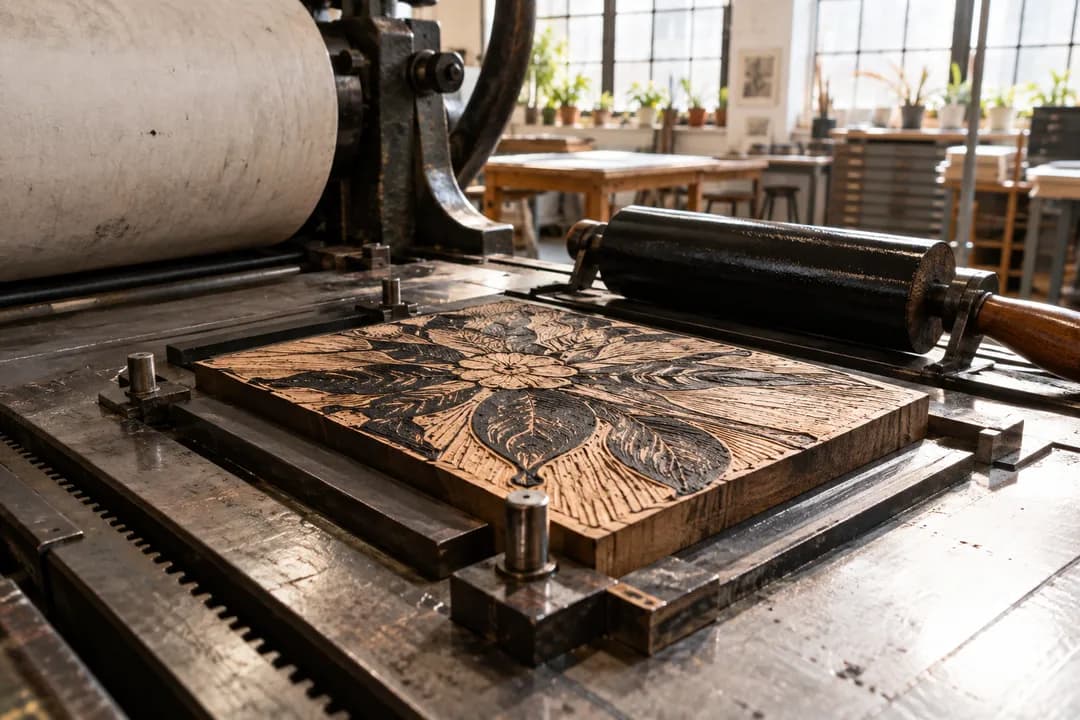
The homepage describes MGC Community Print Studio as the community counterpart to Powerhouse Arts' printshop. It complements fabrication services while operating as a teaching and learning lab. The named processes include intaglio, relief, lithography, and screen printing. These are not merely different looks for an identical workshop project: they use different surfaces, ways of applying ink, and approaches to getting an image onto paper.
Its mission also includes exhibitions, fellowships, artist talks, and outreach to public-school students. That wider program helps explain why members and class participants share an institution. An exhibition can show the outcome of a process, a talk can supply the artist's reasoning, and a course can teach the physical steps. For a first visit, choose one of those entry points instead of expecting a tour to include all of them.
Take the Thirty-Minute Tour Seriously
The booking site offers a Print Studio Tour described as a 30-minute introduction to the Community Print Studio. That is a useful first step for an artist weighing membership or someone who wants to see the facilities before selecting a process. Reserve it through the official booking route. A tour is an opportunity to understand the environment, not permission to use equipment or join a course already in progress.
Prepare a few concrete questions for that visit: which processes fit your experience, how independent studio access works, and which course is designed for a beginner. These are recommendations for making the tour useful, not published answers about equipment availability. Let staff explain the working arrangements rather than assuming that a professional shared studio follows the same model as a drop-in craft venue with identical stations for every visitor.
Read the Course List With Its Dates
The booking page lists Japanese Woodblock with Takuji Hamanaka and Copperplate Photogravure with Beth Ganz as courses that started in September. Intro to Printmaking started October 1, while intaglio offerings began later in October. Those listings demonstrate the range of teaching, but their start dates matter. A course remaining visible on the website does not automatically mean a new student can enter halfway through the sequence.
For a November plan, use the forthcoming courses or a booked tour rather than building an itinerary around a September start. If your preferred discipline is already underway, the tour is a sensible alternative because it still answers whether the facility suits your practice. Keep the fallback within the same institution when possible. That is more useful than replacing a specific printmaking interest with an unrelated attraction merely because it is nearby.
Materials You Can Recognize at the Shop
The center's FAQ says it carries a limited selection of supplies, including copper plates, tarlatan, photo emulsion, newsprint, and Rives BFK and Stonehenge papers. That list is a useful introduction to how varied printmaking preparation can be. A copper plate, screen emulsion, and a sheet of print paper perform different jobs. Ask about the materials for your booked course rather than assuming every item sold in the shop is included in tuition.
The class listing should determine what you purchase. As general preparation, bring a notebook and a folder for paper, and wear clothes suitable for studio work. Do not buy a complete set of tools before choosing the process. A considered first purchase is more useful than a heavy bag of equipment that the course does not use. The FAQ's modest supply list also makes clear that this is a studio with some essentials, not a full art-supply department.
Gowanus Is the Neighborhood to Explore
After a session at Powerhouse Arts, use the Gowanus streets for a walk that keeps the day in one neighborhood. The canal and the contrast between older industrial buildings and newer development provide plenty to look at without adding another timed booking. If you have paper work to carry, protect it first and choose a short route. The aim is to leave room for the studio experience, not to race across Brooklyn immediately afterward.
Practical Notes
It does not publish a general daily opening schedule on that page, so this guide gives no walk-in hours. Use a booked public course or the 30-minute tour as your entry arrangement. Save the Brooklyn address and selected appointment in the Karpo APP; the organization's Manhattan name is not a reliable navigation shortcut.
Ask Karpo for more information.
Keep reading
- Fort Greene Holiday Market Browsing Guide for Young Shoppers
 DUMBO Holiday Market Browsing Guide for Gifts to Mail Home
 Midtown East Holiday Market Browsing Guide for Commuters