 Fort Greene Holiday Market Browsing Guide for Young Shoppers
Weekend Plans
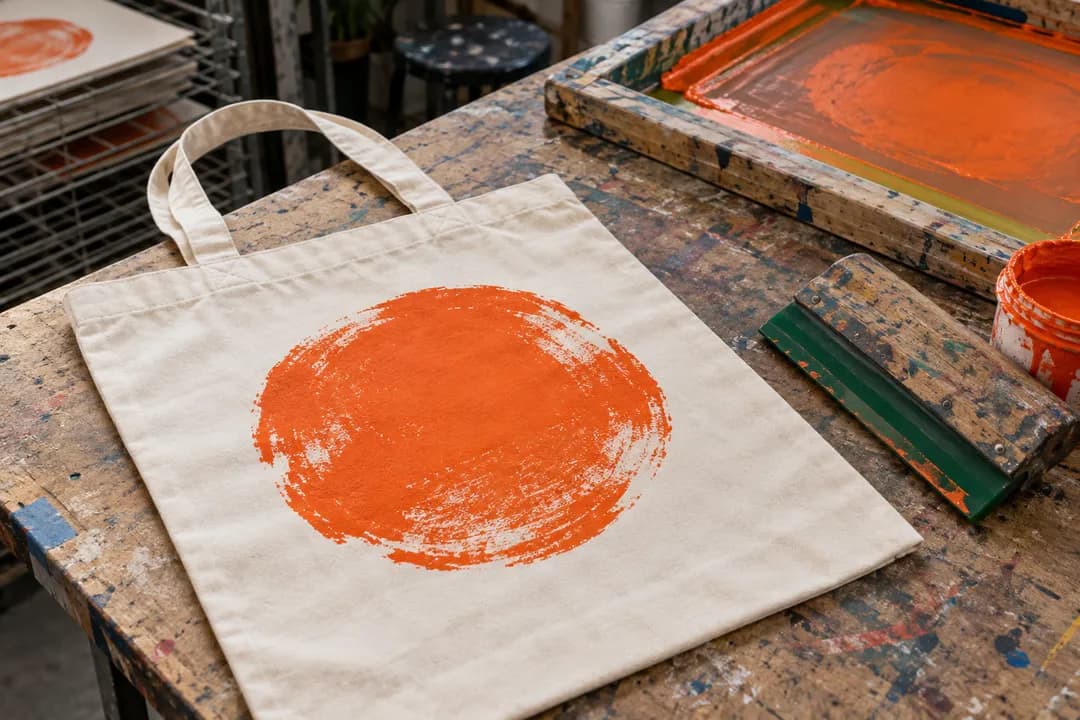
NYC Printmaking Studio: $300 Lessons at Gowanus Print Lab
Gowanus Print Lab offers $300 solo screenprinting lessons at Industry City in Brooklyn, with a $500 option for two and clear materials policies.
Gowanus Print Lab lists a private screenprinting lesson for one at $300 and a lesson for two at $500 at its Brooklyn printmaking studio. The current address is 33 35th Street, B528, Brooklyn, NY 11232, in Industry City. The business began in Gowanus in October 2010, but its official About page explicitly says it has moved to Industry City. Plan the lesson and any nearby stops around Industry City, where the studio now operates.
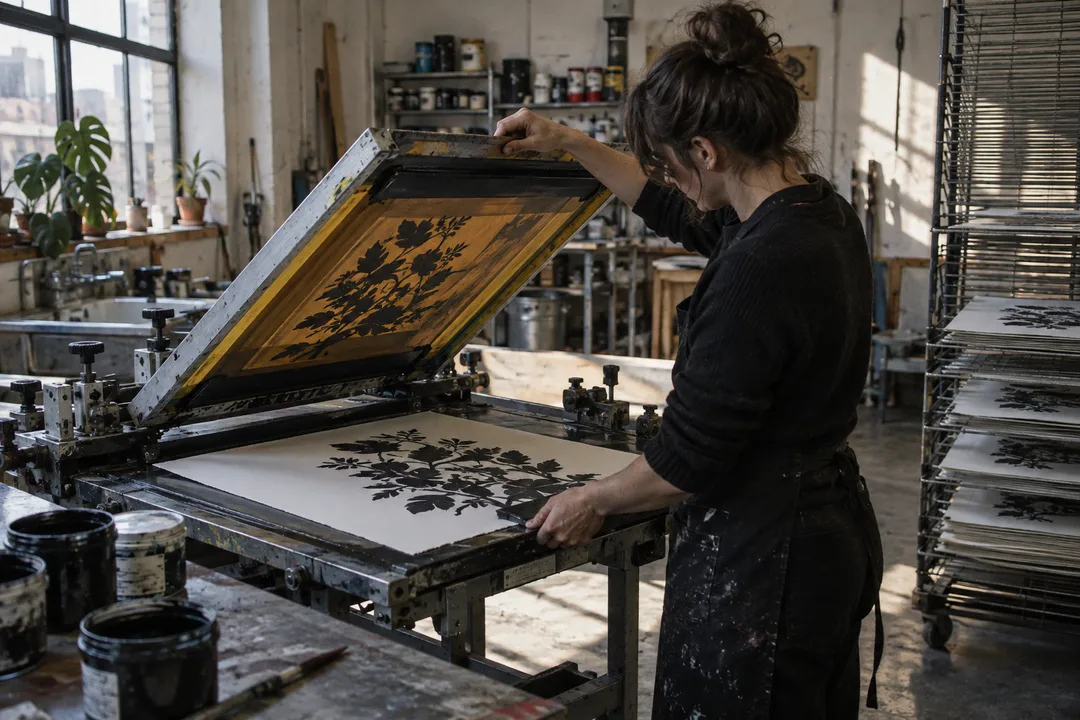
One Student or Two Changes the Plan
The classes page offers a clearly priced choice between a lesson for one person and a private lesson for two. That is useful when deciding between a focused solo session and a shared activity. The page does not supply a universal lesson duration or an included-materials promise, so neither should be inferred from the price. Use the private lesson you actually purchase as the basis of the plan instead of imagining an open group workshop.
A pair should agree on the goal before booking: learning the process, working on related designs, or making something together. This is planning advice, not a claim that every project is accepted. Screenprinting choices depend on the artwork, substrate, and number of layers. A simple brief gives the instructor something concrete to work with, while a lesson purchased solely because a date is convenient can leave both people expecting a different experience.
An Artist-Run Business Since October 2010
The official About page dates the studio's establishment to October 2010 in Gowanus and describes it as artist-run. It now combines contract printing, classes, and screen-making services at Industry City. The name preserves the original neighborhood, while the address reflects the current operation. That distinction deserves more attention than an atmospheric description of the canal: it decides which part of Brooklyn you should travel to.
The studio advertises handmade custom prints across wearables and other materials, naming T-shirts, skate decks, and Converse shoes as examples. Its playful description says it will try printing on nearly anything flat. Treat that as an invitation to discuss a project, not a guarantee about an unusual object. An instructor or production team still needs to judge whether the surface and artwork are suitable for the printing process.
A Class Is Different From a Production Order
The service menu separates custom orders, acetate printing, screen-making, and silkscreen education. A private lesson makes sense when learning is the main aim. Contract printing is the relevant route when you need the business to produce a consistent run. Keeping those purposes separate prevents a mismatch: a lesson is not automatically a rush order, and purchasing a finished print run does not automatically include teaching or independent access to the studio.
For a first educational project, a single strong shape or a limited-color design is a practical starting recommendation. It makes ink coverage and alignment easier to read than a densely layered illustration. Bring your idea to the lesson arrangement rather than arriving with an assumed production specification. The lab's published range of services provides the options, but the artwork and the purchased service determine which path is appropriate for your visit.
Registration and Payment Have Published Rules
The education policy says course enrollment is limited and places are filled on a first-come, first-served basis. Payment is due at registration. The lab accepts major credit cards and cash, and does not accept checks for payment. These are concrete reasons to book deliberately instead of planning to arrive and negotiate a space. A paid registration is the clearest evidence that you have arranged education rather than simply found a studio address.
The policy says students are contacted for scheduling changes, cancellations, or a full class. Keep the contact information supplied with your registration usable. For a visitor, that means a booking should not depend on an inbox you will ignore while travelling. This is a recommendation for managing the reservation, not a promise that a reminder or a personal confirmation call is part of every purchase.
Know the Refund Windows
The education policy gives a full tuition refund minus a $20 processing fee for withdrawal seven days before a class. It describes a 50 percent refund for cancellation three to six days before, and a possible 25 percent refund within 48 hours. Same-day cancellations and no-shows receive no refund. The practical implication is to settle travel and partner availability before paying for a lesson, rather than treating it as a flexible placeholder.
Rescheduling must happen at least 24 hours in advance, and the policy allows one rescheduling. It also says there is no refund for missing the rescheduled date. A class requiring several visits does not provide a partial refund for a missed session. These rules make an honest calendar decision valuable. If a date is uncertain, arrange a workable appointment before placing payment rather than expecting missed teaching time to transfer to another group automatically.
Supplies Stay With Their Proper Owners
Students are responsible for supplies and materials unless the course says otherwise. The policy permits personal tools but says the studio is not responsible for their loss or damage. Studio-provided screens are reclaimed after the course, and tools or supplies belonging to the lab must not be removed. A screen used during instruction therefore should not be treated as a take-home purchase unless a separate arrangement explicitly provides one.
The project-storage rules are equally specific. An instructor shows students where work can be stored, and projects and materials must carry the student's name. Property must be removed at the end of the final class unless permission or a studio pass allows otherwise. Bring an appropriate container for your finished work and personal supplies. That small preparation follows the actual storage policy instead of assuming that an industrial studio has unlimited space for abandoned projects.
Office Hours Are Not a Lesson Timetable
The About page lists contract-printing office hours as Monday through Friday, 9am to 5pm, with Saturday and Sunday closed, and closures on national holidays. Those hours describe the office; the private lesson must have its own arrangement. Do not transform a weekday office schedule into a claim about when every class runs. The published phone, and the general email route, info@gowanusprintlab.com, connect you with the business for that arrangement.
Industry City After the Lesson
Plan the surrounding walk around Industry City and the Sunset Park blocks, not the Gowanus canal. A short route around the complex suits a visit carrying paper, a garment, or a project container. Leave a second timed attraction optional, since the class page does not publish one standard lesson length. This keeps the day grounded in the actual location and avoids repeating an itinerary that belonged to the studio's earlier neighborhood.
Practical Notes
Use 33 35th Street, B528, Brooklyn, NY 11232 in the Karpo APP, together with the private-lesson appointment and the official phone. The studio's live website publishes that address across its home, contact, class, and policy pages. Read the education policy as part of choosing the lesson, especially the materials, screen-reclaiming, storage, refund, and rescheduling sections. A solo lesson and a two-person lesson are concrete public options; neither should be described as unrestricted drop-in press access.
Ask Karpo for more information.
Keep reading
- Fort Greene Holiday Market Browsing Guide for Young Shoppers
 DUMBO Holiday Market Browsing Guide for Gifts to Mail Home
 Midtown East Holiday Market Browsing Guide for Commuters