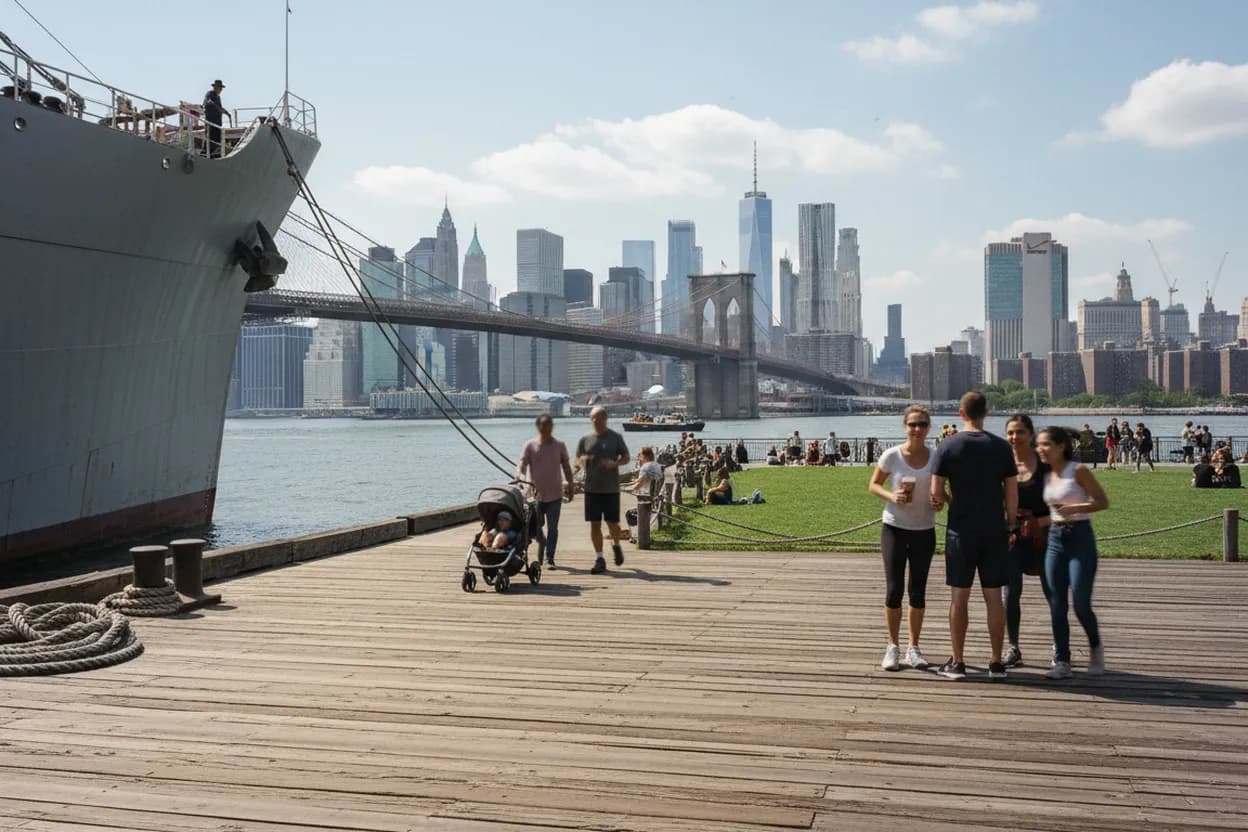
Search interest in “hawaii hurricane genevieve” is a useful reminder for New Yorkers: a storm does not need to be local to expose gaps in a household plan. NYC’s coastal-storm risk is about storm surge, flooding, wind, power loss, elevators, transit interruptions, and how quickly instructions can change. The practical move is not panic-buying. It is checking your hurricane evacuation zone, packing a realistic Go Bag, setting up official alerts, and deciding where your family would go if the City orders your zone to leave. Use this as a calm, one-hour safety audit on July 27, 2026, then verify details again when any actual storm approaches.
Want a faster family readiness check? Text Karpo with your borough, mobility needs, pets, and nearest subway, and ask for a storm-prep route and Go Bag plan.

NYC Hurricane Evacuation Zone Finder: Confirm Your Address Before You Plan
Start with the NYC Hurricane Evacuation Zone Finder, not a memory of past storms or a neighbor’s guess. The City uses six hurricane evacuation zones tied to storm-surge risk, and FEMA flood zones are not the same decision tool. Enter your full address with borough and ZIP code, then write down whether you are in Zone 1 through Zone 6 or outside the mapped evacuation zones. Check work, school, child care, and any older relative’s address too.
The tradeoff is that the map is a planning tool, not a live order. Being in a zone does not automatically mean you must leave today, and being outside a zone does not make basement apartments, poor-drainage blocks, or high-rise elevator dependence risk-free. The failure mode is waiting until alerts are urgent, then discovering your family disagrees on where to go. If the finder is slow or unclear, call 311 and confirm before you rely on it.
Ready New York Go Bag: Pack for Carry Weight, Not Wishful Thinking
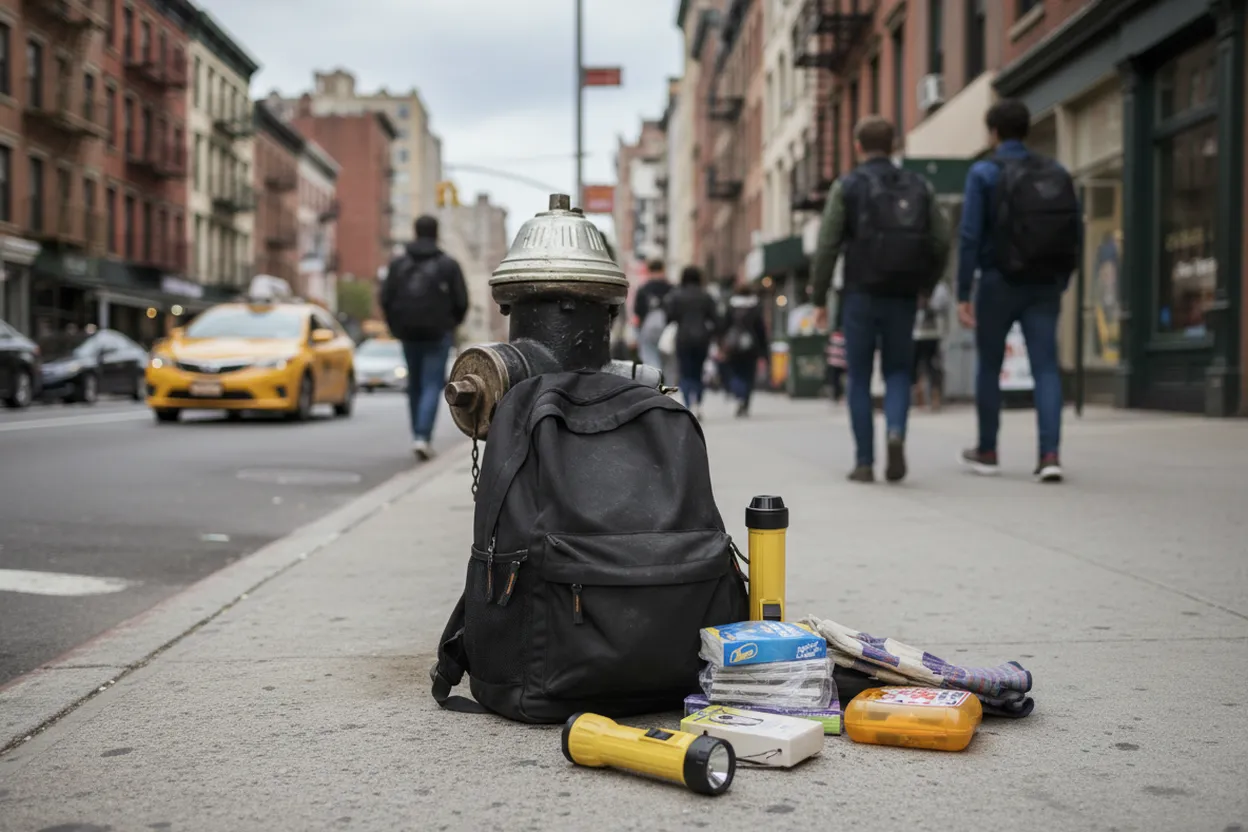
NYC Emergency Management says every household member should have a Go Bag that is sturdy and easy to carry, such as a backpack or small rolling suitcase. Prioritize waterproof copies of important documents, photo ID, proof of address, medication lists, small bills, water, nonperishable food, chargers, flashlight, radio, batteries, first-aid items, toiletries, rain gear, and household contact information. For children, add comfort items that do not overload the bag.
Do not turn the Go Bag into a closet. If you may need stairs, buses, crowded sidewalks, or an evacuation center intake line, weight matters. A good test is whether the person assigned to carry it can do so for several blocks without help. Medication is the weak point: keep a current list with dosages and refill any spare medication before it expires. Recheck food, batteries, and documents when clocks change or after any prescription change.

Notify NYC: Set Alerts Where Your Family Actually Receives Them
Notify NYC is the City’s official emergency communications program, and it can send alerts by text, email, phone, app, website, RSS, and other formats. You can text NOTIFYNYC to 692-692 for citywide SMS alerts, then provide ZIP codes when prompted for neighborhood-based alerts. Families should avoid relying on one phone. Add the person who handles school pickup, the relative outside your borough, and anyone who manages medications or accessibility needs.
The benefit is speed; the limitation is attention. Alerts only help if phones are charged, quiet modes are understood, and someone is responsible for reading follow-up instructions. Choose plain roles: one adult watches Notify NYC, one checks MTA or 511, one calls relatives who may not use smartphones. If you need language access, ASL information, or phone-based notification, confirm those settings now. During a storm threat, compare alerts with NYC.gov and 311 before making a major move.
MTA and 511: Build an Evacuation Route That Can Fail Gracefully
NYC guidance recommends using public transportation when possible because it reduces road congestion, but it also warns that public transportation, including Access-A-Ride, may shut down hours before a storm arrives. Your route should include a primary subway or bus plan, a second route from a different station or stop, and a walking path to the nearest open evacuation center or family pickup point. Save the MTA site, official app, and 511 as checks.
The best evacuation route is boring, early, and flexible. Do not plan around the last train, a single elevator, a low-lying underpass, or a car parked in a flood-prone spot. If someone uses a mobility device, test whether the station elevators on the chosen route are essential and identify an alternate accessible route. Pets add another constraint: carriers and leashes must be ready before the order, not found during the scramble.

311 and Accessible Evacuation Assistance: Know When to Call
If the Mayor issues an evacuation order for a coastal storm or hurricane, people with disabilities or access and functional needs who have no safe evacuation option can request transportation assistance through 311. NYC guidance says assistance may take someone to an accessible evacuation center in an accessible vehicle or to a hospital outside the evacuation zone by ambulance, depending on need. It may not take you to a specific private address.
That detail matters for family planning. If a relative needs powered medical equipment, oxygen, transfer help, or cannot get to the curb alone, decide now who calls 311, what information they will give, and which medical documents travel with them. If there is immediate danger, use 911, not a planning call. The backup logic is simple: family or friends outside the zone first if safe, City evacuation support when no safe independent option exists.
NYC Evacuation Centers: Treat Them as Safety Infrastructure, Not a Hotel Plan
The City says evacuation centers are for people who have no safer place to stay, and evacuees are strongly encouraged to stay with friends or family outside evacuation zones when possible. Evacuation centers are listed through the Hurricane Evacuation Zone Finder and can change by emergency. NYC states that all evacuees will be accepted and that pets are allowed at City evacuation centers, but you should bring pet food, leashes, carriers, medication, and cleanup supplies.
The comfort tradeoff is real. Bring only what you can manage: Go Bag, bedding or sleeping bag, toiletries, medications, medical supplies, chargers, and essential documents. If you need accessibility features, verify the specific facility through the finder or 311 before leaving because building status and features can change. Service animals should remain with their handlers; pets may have separate arrangements. A center is the right choice when the alternative is staying in an ordered evacuation zone without a safe destination.
What to verify for
Your last step is a household decision tree. If your zone is ordered to evacuate, leave early and follow City instructions. If you are outside the ordered zone, prepare for power loss, broken elevators, closed stores, street flooding, and downed wires. Basement and below-grade apartments deserve special caution during heavy rain even outside hurricane zones. High-rise residents should think about stair access, medical equipment charging, and whether staying indoors away from windows is realistic for everyone in the unit.
Before acting, verify five items the same day: your zone in the NYC finder, current Notify NYC alerts, NYC.gov or 311 instructions, MTA or 511 service status, and whether your chosen destination is outside the affected evacuation area. If any changing fact cannot be confirmed, treat that uncertainty as a reason to leave earlier, pack lighter, or choose the more official option. The goal is not perfect prediction; it is avoiding rushed decisions when conditions, routes, and facilities are changing.
Tags: #AskKarpo #BeforeYouGo #NYCPreparedness #HurricaneReady #KnowYourZone #NotifyNYC #GoBag #EmergencyKit #NYC311 #MTA #FamilySafety #PetPreparedness #Accessibility #FreeThingsToDo
Sources consulted: Source 1: nyc.gov · Source 2: finder.nyc.gov · Source 3: portal.311.nyc.gov · Source 4: nyc.gov · Source 5: nyc.gov · Source 6: nyc.gov
All trademarks are the property of their respective owners.
Ask Karpo first
Tell Karpo your date, group size, budget, and starting neighborhood. We’ll check current access, timing, transit, and the cleanest plan for before you head out.