 Chelsea Holiday Baking Supply Shop Finder for Edible Gifts
Hidden Gems & Odd Finds
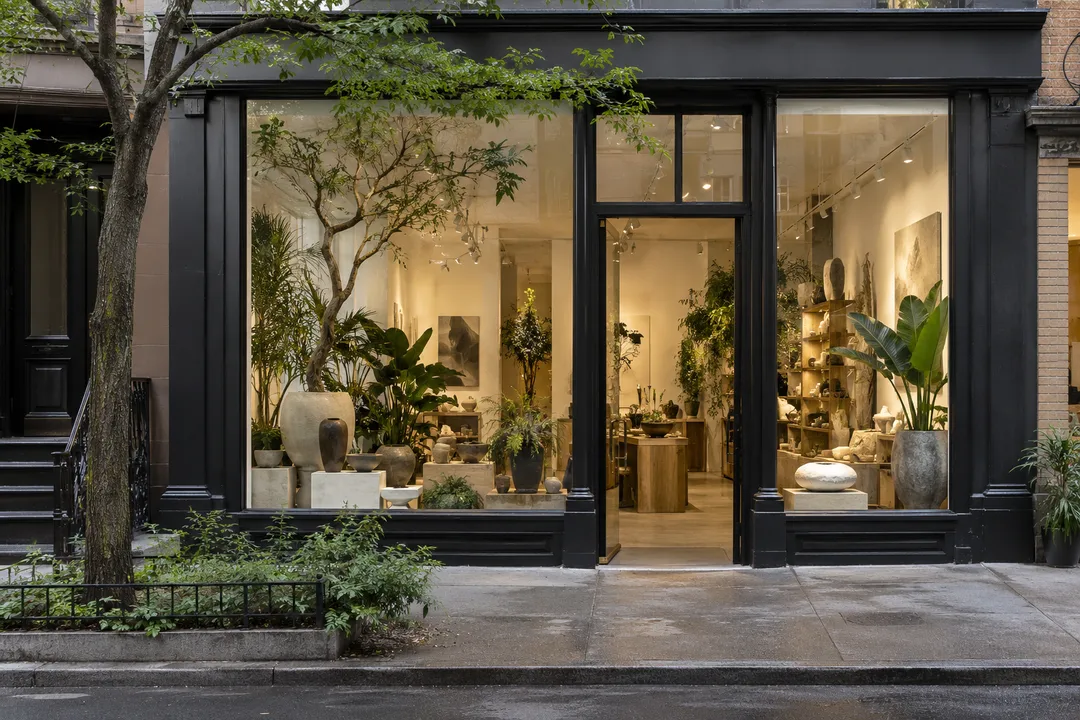
Tula House Plant Boutique: Greenpoint Cacti by Appointment
Tula House turns Greenpoint plant shopping into a considered design visit, pairing sculptural desert forms with advice about light, drainage, and placement.
Tula House is the plant boutique near me choice for a Greenpoint shopper who wants a cactus or succulent to read like living sculpture rather than a last-minute desk accessory. The studio is at 59 Meserole Avenue, Brooklyn, and its public contact material describes indoor plants, outdoor gardens, botanical design, and plant-care services. That combination changes the visit: bring a real room, balcony, or windowsill problem instead of browsing for a vague splash of green.
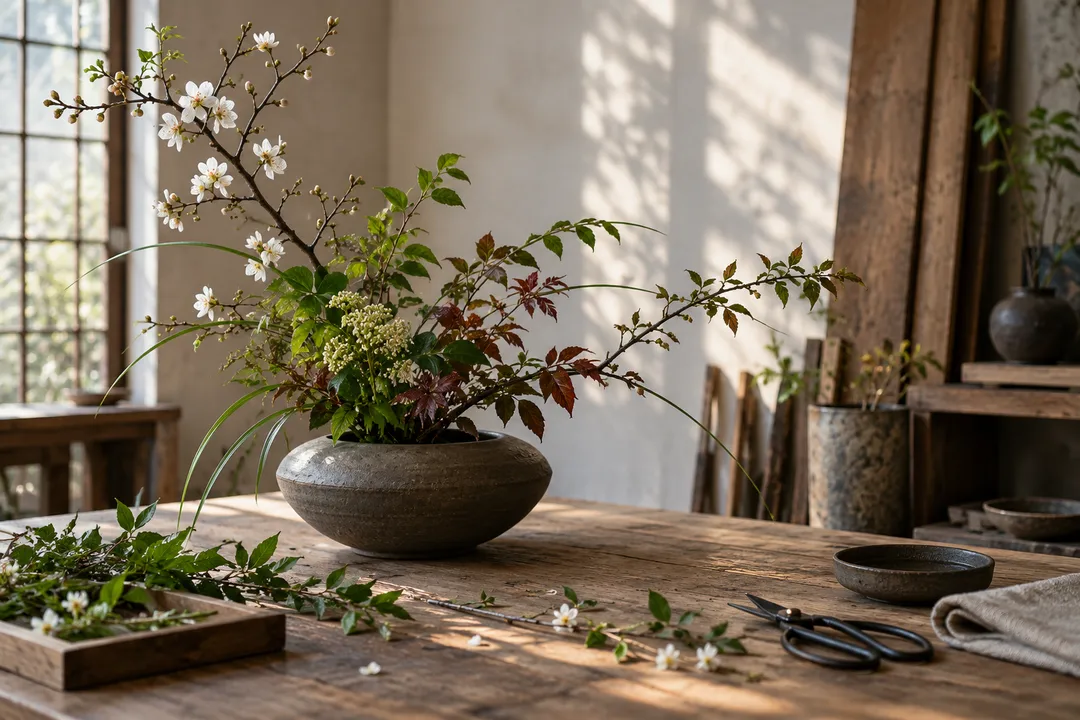
The first useful comparison is not species against species. It is silhouette against the place where the plant will live. A narrow upright cactus can give a blank corner a vertical line; a low rosette can settle onto a coffee table without blocking conversation; a branching succulent can occupy a sunny shelf while leaving visual space around it. Stand several feet back from a display and imagine the plant at home, where the ceiling, furniture, and window will change its scale.
Read the room before the plant
Before writing to the studio, photograph the intended corner in daylight and note the direction of the nearest window. Include the floor or tabletop dimensions, the distance to a radiator, and whether pets or children can reach the pot. Those details are more useful than saying you want something “easy.” A plant that survives a missed watering may still be wrong if its mature width blocks a passage or its container cannot be lifted for a seasonal move.
Tula House’s design emphasis also makes the pot part of the decision. A low vessel can make a cluster feel grounded, while a taller ceramic form gives a single specimen more presence. Look at the drainage opening, the stability of the base, and the space needed to remove a nursery pot for watering. A beautiful container that holds standing water or tips when a cat brushes past it is not a successful design object.
Make the visit useful
A visit planned around one concrete question is calmer than a long wish list. Say whether you are furnishing a bright south-facing window, a shaded rental, a lobby, or an outdoor container. Ask for a plant with the same visual role if the exact specimen is unavailable. “A branching shape under three feet” gives the studio a workable brief; “something unusual” produces too many attractive but impractical possibilities.
Because the official contact material centers visit and service inquiries, treat Tula House as a planned design stop rather than a guaranteed drop-in retail window. Send the plant type, the space, and the time you hope to come. This is also the best queue strategy: solve the appointment question before traveling with a fragile ceramic piece or carrying an empty planter across Brooklyn.
Choose form and care together
For a first purchase, choose the care rhythm before the finish. Desert plants often look forgiving because their forms are spare, but damp soil, weak light, and a decorative pot without drainage can still create trouble. Ask where the plant should sit for its first week, how quickly the mix should dry, and whether the plant needs a gradual transition to stronger sun. A clear routine beats a rare label.
Skip the crowded arrangement if you do not have a place to isolate a new plant. A short observation period makes it easier to spot stress, pests, or a change in watering needs before the specimen joins an established collection. If you travel, say that plainly. The right replacement may be less dramatic but more compatible with the number of days your apartment is unattended.
A short Greenpoint design walk
After the visit, take a compact Greenpoint loop through the side streets around Meserole Avenue. Look at brick walls, metal fences, stoops, and small courtyards as a lesson in contrast: hard surfaces make a sculptural plant legible, while a busy background can swallow a delicate form. The neighborhood is especially good for deciding whether your purchase needs height, repetition, or one quiet focal point.
Keep the walk short when the plant is tall, the vessel is fragile, or the weather is windy. Ask how the plant should be supported in transit and where it should rest when you arrive. On a rainy day, make the studio the whole outing and go directly home. On a mild day, a few blocks are enough; a plant should not spend an hour being shaken on a crowded train just because Greenpoint rewards wandering.
Practical Notes
One honest judgment: do not buy the most sculptural plant if its light requirements conflict with the room you actually have. Tula House is useful precisely because it makes proportion and care visible. A smaller specimen in the right window will keep its shape and earn a second purchase later; a dramatic plant in a dim corner becomes an expensive reminder that a photograph is not a care plan.
Practical Notes for Tula House begin with 59 Meserole Avenue, Brooklyn, NY 11222. The official contact material directs visitors to email for visit and service inquiries and does not publish a fixed public hours table or phone number. Bring a photo, light direction, approximate dimensions, and a plan for carrying the plant. The studio is a strong fit for considered desert-plant and botanical-design purchases, not an unplanned late-night browse.
If you are choosing between two candidates, ask which one will still make sense after the novelty fades. Compare mature width, drainage, watering interval, and the plant’s first-week placement before comparing glaze colors. That small sequence protects the budget and the room. It also turns a single visit into useful information about how your home handles sun, dryness, and the care rhythm required by the next plant.
The most satisfying Tula purchase is the one that makes the room easier to live with: a plant you can reach, a pot you can move, and a care routine you can explain without guessing. Leave the rarest form for a later visit if the basics are not settled. Greenpoint has plenty of visual inspiration, but the plant should return home to a place where it can actually thrive. A measured choice also leaves room for the next season, when you will know which window really works and how quickly the soil dries.
Ask Karpo for more information.
Keep reading
- Chelsea Holiday Baking Supply Shop Finder for Edible Gifts
 Astoria Holiday Baking Supply Shop Finder for Greek Honey
 Upper West Side Holiday Baking Supply Shop Finder: Tiny Pans