 Chelsea Consignment Shop Crawl Planner for Your First Studio
Hidden Gems & Odd Finds
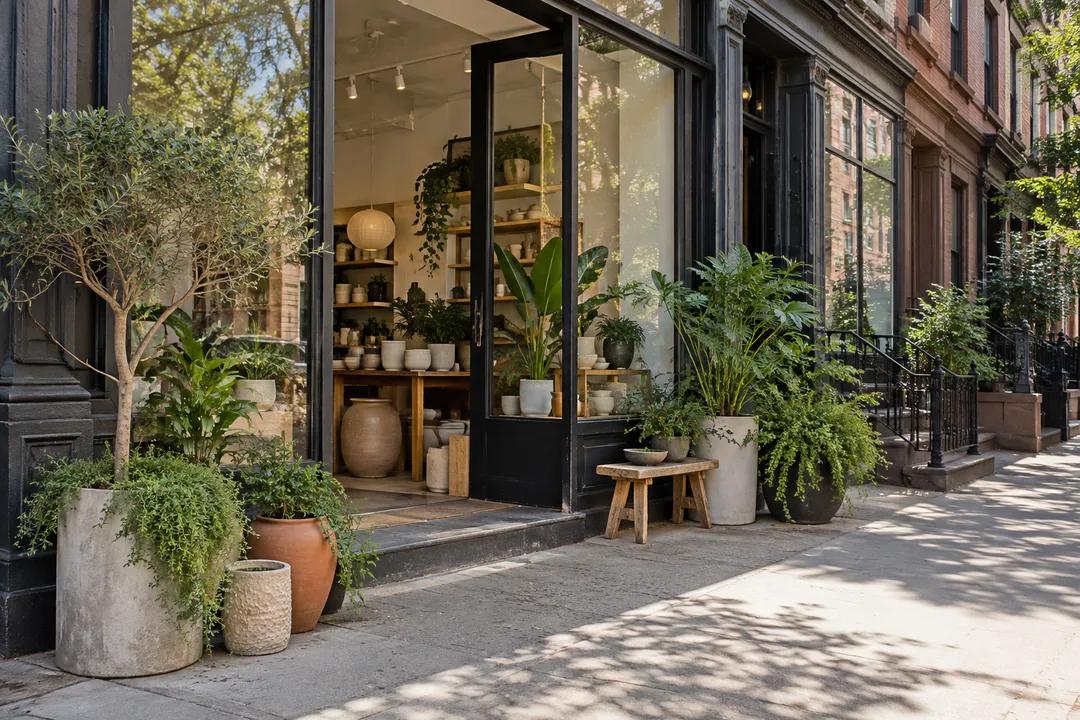
Plantology Plant Boutique: Brooklyn Garden Center Since 1946
Brooklyn Plantology by Lapide pairs a long-running Brooklyn Terminal Market garden center with indoor foliage, outdoor stock, pots, and practical garden supplies.
Brooklyn Plantology by Lapide is the plant boutique near me choice for a shopper who wants a real garden-center range rather than a small display of finished houseplants. The official site describes the business as a Brooklyn Terminal Market staple since 1946 and lists the address as 26 South Market Street, Brooklyn, NY 11236. That history and scale matter: the visit is about indoor foliage, outdoor plants, pots, and the tools that make a planting project possible after the purchase.
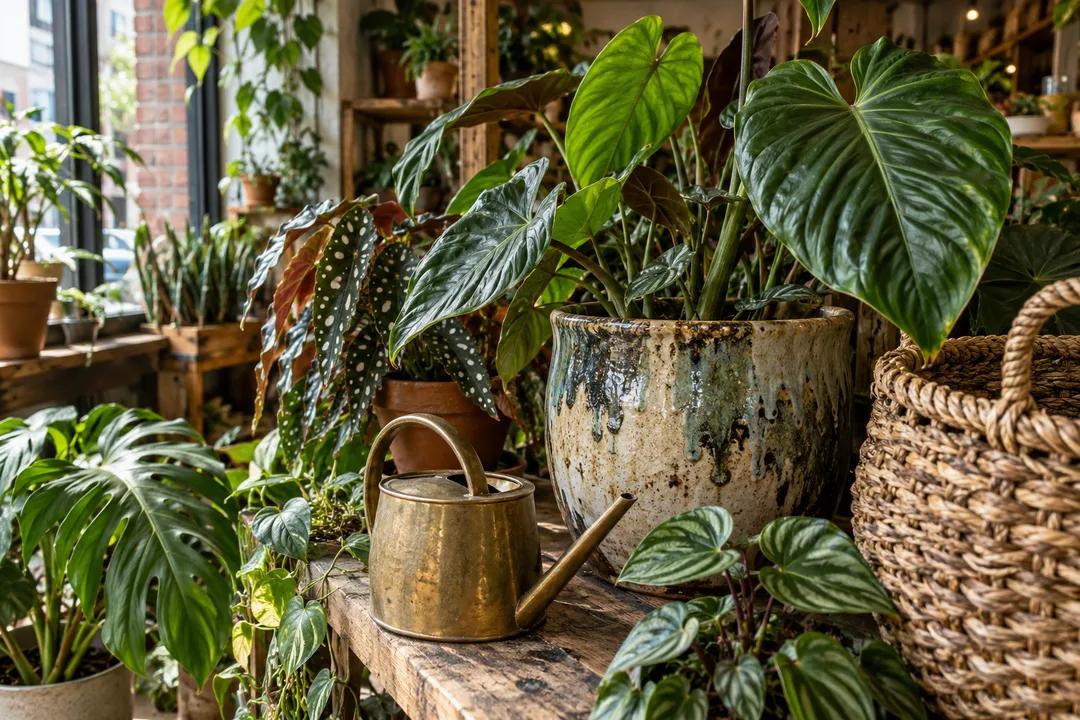
Begin at the entrance with a project brief. Are you repairing a balcony container, filling a sunny yard, finding a floor plant, or building a collection of herbs? A large garden center can overwhelm a shopper who has not separated those jobs. The fastest route is to name the site, light, mature size, and water access. Once those constraints are clear, decorative choices become easier and the trip feels less like wandering through a warehouse.
Why the garden-center scale matters
Brooklyn Plantology’s long-running garden-center identity is useful for comparing plants at different stages and scales. A small houseplant may fit a shelf today but need a larger home next year; an outdoor shrub may look modest in a nursery pot and become the dominant element of a narrow yard. Read the label, then step back. Think about the plant’s mature footprint, not just the size that looks most impressive in the aisle.
Use the pot section as a second decision, not a starting point. Measure the mouth of the existing container, confirm the drainage path, and consider how the weight changes once soil and water are added. For a rental or rooftop, a stable light container may be wiser than a large ceramic one. For a balcony, think about wind and carrying distance. The right garden-center purchase is a chain of compatible choices, not one beautiful object.
Shop by project, not by impulse
The official site calls the business a home and garden center and says it is open all year round. That is a useful planning fact, but it is not a reason to arrive without a plan. Write down the plant’s intended location, take a photo, and bring a rough measurement. Staff can give better direction when the question is “what will tolerate this bright, windy balcony?” rather than “what is easiest?”
A calm visit follows the market’s working rhythm. Do not block a loading or aisle area while deciding, keep fragile leaves clear of carts, and group your shortlist before asking for help. If another customer is checking out with a large order, use the extra time to compare labels and inspect pots. The queue strategy is to finish the easy decisions away from the register, leaving the final question for the person who can answer it.
The practical rhythm of a market visit
For first-time indoor shoppers, start with one plant and one care system. Choose the light-tolerant specimen, the pot size, the saucer, and the soil or drainage material before adding another plant. A collection of five mismatched plants creates five care problems. One successful plant teaches you how quickly the room dries and how much attention your routine can support.
Skip the giant specimen if you have not planned the route home. A plant that barely fits the cart, stairwell, or elevator can become damaged before it reaches the window. Smaller plants are not a compromise when you are learning a space. They are a way to test light, water, and placement without committing the room to a large piece of living furniture.
A Canarsie garden-center detour
After 26 South Market Street, take a short walk through the Brooklyn Terminal Market area and look at the difference between working horticulture and decorative greenery. Notice how outdoor stock is staged for transport, how containers are stacked, and how plants are grouped by job rather than by a perfectly styled room. That contrast helps explain what Brooklyn Plantology does well: it makes the whole project visible.
If you have a car or a planned ride, the larger garden-center format is easier to enjoy because you can buy soil or a heavier pot without turning the trip into a carrying challenge. If you are using transit, keep the purchase compact and ask how the plant should be protected. A rainy afternoon is good for a supply list; a clear day is better for comparing outdoor specimens and imagining their mature shape.
Practical Notes
One honest judgment: Brooklyn Plantology is not the best place for a shopper who wants a tiny, curated showroom and no project decisions. Its strength is choice, scale, and the ability to solve several garden needs in one trip. If you want one perfectly styled tabletop plant, a smaller boutique may feel faster. If you need a plant plus soil, a pot, and a plan for the season, the garden-center format wins.
Practical Notes: Brooklyn Plantology by Lapide’s official site lists 26 South Market Street, Brooklyn NY 11236, and says the home and garden center has been a Brooklyn Terminal Market staple since 1946 and is open all year round. The official page is the right reference for the location and history. Bring a project photo, mature-size measurements, and a transport plan; the site’s current home page does not present a simple public phone or day-by-day hours table in the visible contact copy.
Before paying, repeat the care plan in plain language: where the plant sits, how water drains, and what happens when you are away. That quick rehearsal catches the mismatch between a plant that looks good in a market aisle and one that can live in your apartment or yard. Brooklyn Plantology is most rewarding when you use its breadth as a problem-solving tool and leave with fewer unknowns than you brought in.
A garden-center visit becomes much less intimidating once the project is reduced to one location, one season, and one manageable plant. Brooklyn Plantology’s scale gives you room to compare rather than guess. Take the time to read, measure, and plan transport, and the home-and-garden format becomes an advantage instead of a source of decision fatigue. The extra minutes spent on labels are cheaper than replacing a plant chosen for the wrong exposure.
Ask Karpo for more information.
Keep reading
- Chelsea Consignment Shop Crawl Planner for Your First Studio
 East Village Consignment Shop Crawl Planner: Leather Jackets
 Harlem Consignment Shop Crawl Planner for a Jazz Night Look