 Rolex Watch Repair Shop on Fifth Avenue: Rolex USA New York
Hidden Gems & Odd Finds
OpenTable Hidden Gems: NYC Tables You Can Still Book
The best OpenTable reservations in NYC aren't at the hardest-to-book spots—they're at places with open tables that locals return to every week.
You open OpenTable at 6 p.m. on a Thursday and scroll past the same twelve restaurants everyone screenshots for their group chat. All of them show zero availability, or maybe one 5:15 slot followed by nothing until 10:30. You refresh. You try different party sizes. You consider lying about how many people are coming. This is the cycle that keeps you eating the same grain bowl at the same fast-casual place in Midtown while actually excellent restaurants—places with tablecloths, with wine lists, with cooks who've been on the line for fifteen years—sit half-empty because they don't generate algorithmic hype.
Text Karpo right now for a same-night check of what's actually available within thirty minutes of wherever you are, plus the fastest subway route that skips the slow transfer.
Why chasing the impossible reservation wastes your night
The mistake is thinking that hard-to-book means better. OpenTable's own interface rewards this: the restaurants that show limited availability float to the top of search results, and the perception of scarcity becomes its own marketing. But scarcity doesn't correlate with quality. It correlates with PR cycles, with TikTok moments, with the kind of dining room that photographs well in low light. Meanwhile, the spots that have been feeding the neighborhood for a decade—places with proper ventilation, with servers who remember how you like your water poured, with kitchens that don't panic when you ask to swap a side—have 7 p.m. tables every night of the week.
The real gems on OpenTable NYC are the ones you can actually book tonight. They're not hiding; they're just not performing for an audience. You'll find them by searching with flexible criteria and ignoring the restaurants that require you to refresh at midnight thirty days out. Look for places that have been open longer than five years. Look for multiple time slots available on a weekend. Look for dining rooms that aren't designed around a single Instagrammable corner. These are the restaurants that survive because the food is consistent and the room is comfortable, not because they went viral once.
The 7 train and the restaurants that don't need hype
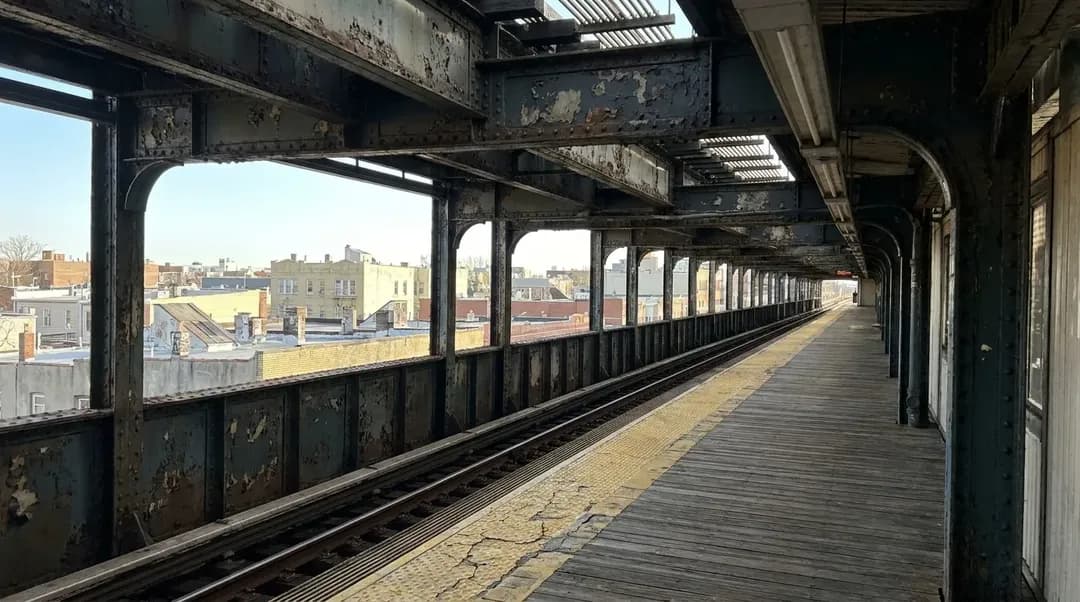
If you're starting in Midtown and you're willing to take the 7 train into Queens, you'll find OpenTable availability that would be impossible in Manhattan at the same hour. The 7 is one of the few subway lines in the system that doesn't require a transfer to reach a completely different dining ecosystem, and it runs frequently enough that even the late-night service changes—when it skips a few local stops after 10 p.m.—won't strand you. The restaurants near the 7's above-ground stations in Sunnyside, Woodside, and Jackson Heights have OpenTable pages, they take reservations, and they have tables because they're not trying to be the next place that gets written up as "impossible to book."
The same principle applies in south Brooklyn. The F and the G will get you to Carroll Gardens, Cobble Hill, and Gowanus, where neighborhood Italian spots and wine bars that opened in the early 2010s still have weeknight availability. These are not secret restaurants. They have health grades in the window and they're listed on OpenTable with photos and menus. They're just not optimized for the kind of diner who needs a reservation to feel like they've won something. The dining rooms are small, yes, and on a Friday you might wait fifteen minutes even with a booking if the table before you lingers. But small rooms and tight timing are different from artificial scarcity.
Closer in, the stretch of restaurants along Smith Street and Court Street in Brooklyn, or the northern blocks of the Upper West Side near the 1 train, will show you the same pattern: places that have been open long enough to survive two recessions, with Zagat ratings from 2008 that still hold up, and with 7:30 reservations available the same day you search. Check the reviews on OpenTable itself, not just the star rating. If the complaints are "they wouldn't seat us early" or "the music was too low," you've found a restaurant that runs like a restaurant, not like a pop-up.
This strategy fails if you need a specific cuisine or a photo op
If you're looking for omakase, or if you need a restaurant with a specific aesthetic because you're celebrating something and the room has to look a certain way, this approach will frustrate you. The bookable tables on OpenTable NYC tend to be at places with consistent food and unremarkable lighting. The dining rooms have art on the walls, but it's not the kind of art you'd photograph. The plating is careful, but it's not geometric. These are trade-offs, and if what you want is an experience you can document, you're better off joining the fight for the impossible reservation.
The same is true if you're trying to impress someone who tracks restaurant openings. The bookable gems don't generate conversation the way a new chef-driven tasting menu does. They're the kind of place you return to, not the kind of place you describe in detail the next day. If your goal is novelty, or if you're dining with someone who measures the success of a night out by how hard it was to secure the table, then availability is a negative signal. For everyone else—for the nights when you just want to eat well and get home on a train that's still running local stops—availability is the whole point.
You also can't use this method if you're locked into a specific neighborhood because of a show or a meeting. If you have to be in the West Village at 8 p.m. and you're searching OpenTable an hour beforehand, you're going to face the same crowds and the same slim pickings as everyone else. The bookable tables require geographic flexibility. You have to be willing to take a train to a different part of the city, and you have to trust that the restaurant will be worth the trip even if no one you know has posted about it.
What to confirm before you leave
Once you've found an OpenTable reservation that isn't at peak saturation, verify the basics on the restaurant's own website or social media, not just the OpenTable listing. Confirm the current hours, especially if you're booking for a Monday or a Sunday night, when even established places sometimes close or shorten service. Check whether they're running normal operations or if there's a prefix menu or a private event that might limit what's available. OpenTable's calendar doesn't always surface these details, and you don't want to arrive for a full menu only to find out it's a wine-pairing night with three seatings.
Look at the subway timing for your return trip, especially if you're heading to an outer borough. The late-night service changes on the 7, the F, and the G are predictable, but they add ten to fifteen minutes to your trip home, and if you're transferring at a station like Court Square or Roosevelt Avenue, the wait for the second train can stretch longer than the schedule suggests. If you're planning to stay past 10 p.m., map out whether you'll need a rideshare for the last leg or whether the train will still be running the route you need.
Finally, check the cancellation policy. Most OpenTable reservations in NYC let you cancel up to a few hours before the booking, but some restaurants—especially the smaller ones with limited seating—charge a fee or require a credit card hold. If your plans are tentative, make sure you know what you're committing to. The bookable gems are bookable partly because they're not oversubscribed, but that doesn't mean they don't care if you no-show. The reason these places stay in business is because they run tight operations, and a missed reservation in a twenty-seat dining room is a bigger loss than it would be in a hundred-seat brasserie.
Practical notes
- Search OpenTable with flexible dates and neighborhoods; availability is the signal, not scarcity.
- Confirm current hours and any prefix menus on the restaurant's own site before heading out.
- Check late-night subway schedules if you're dining in Queens or south Brooklyn after 10 p.m.
- The 7 train and the F/G lines reach neighborhoods with consistent weeknight availability.
- Small dining rooms mean tight timing; even with a reservation, expect a short wait if the previous table runs long.
- Cancellation policies vary; verify whether your booking requires a credit card hold.
Tags: #karpo #opentable #opentablenyc #nyctables #nycrestaurants #midtownnyc #queensfood #brooklyndining #hiddengems #theoddedit #subwaydining #nycfoodie #bookatable #localeats #nyceats
Sources consulted: OpenTable · MTA Subway Service
All trademarks are the property of their respective owners.
Ask Karpo first
Text Karpo before you head out to confirm what's actually open tonight and which tables still have availability within your subway range. Ask for the fastest route that avoids slow transfers, and get a backup spot if your first choice fills up while you're on the train.
Ask Karpo for more information.
Keep reading
- Rolex Watch Repair Shop on Fifth Avenue: Rolex USA New York
 Watch Repair Shop Off Fifth Avenue: Bucherer TimeMachine
 Grand Central Watch: Watch Repair Shop Beside Track 38