Midtown East has quietly become the neighborhood where solo diners win. Not because the banquettes are forgiving—they aren't—but because the best seats in the district are built for one. Omakase and kappo counters have multiplied here over the past eighteen months, tucked into the side streets between Lexington and Third, and they share a useful philosophy: the single diner gets the chef's full attention, the best sight lines to the cypress board, and none of the awkward coordination required when someone across the table orders the wine pairing and you don't. By late May 2026, the neighborhood's lunch and dinner counter scene has matured enough that you can map a solo eating strategy by mood, budget, and how much conversation you want from the person holding the knife.
The sub-$80 lunch counter that doesn't feel like a compromise
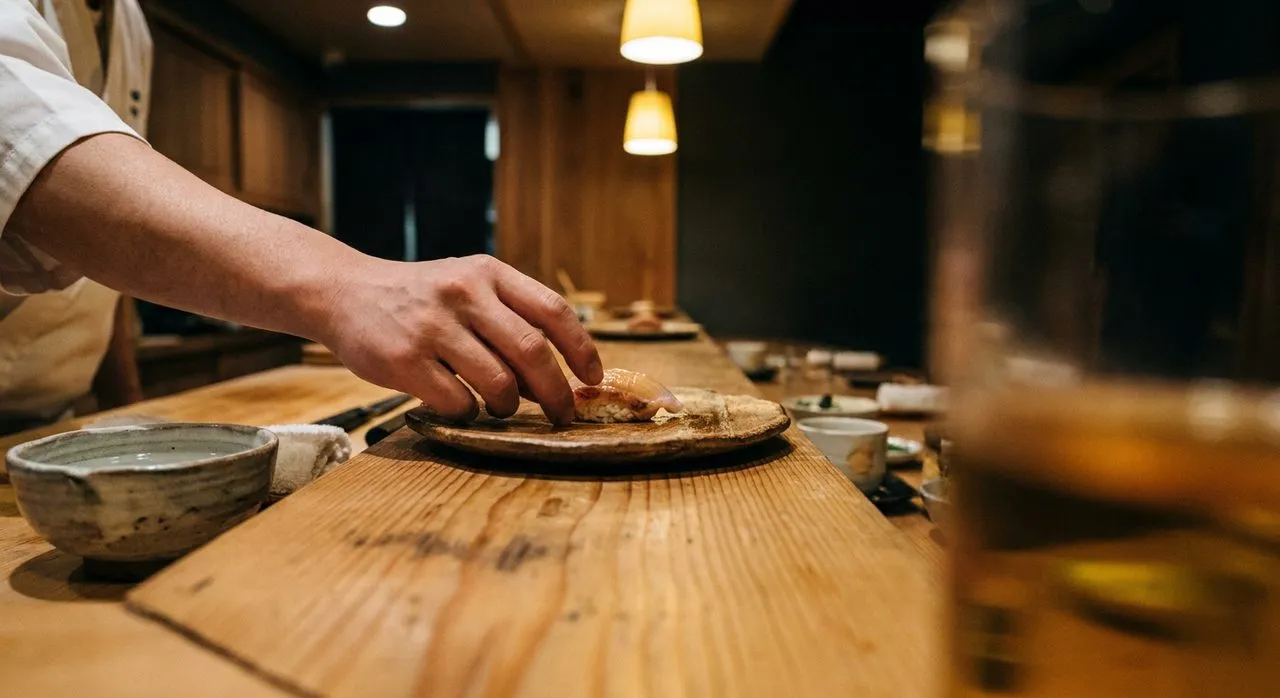
Midtown East's lunch omakase options have finally cracked the code: high-turnover service that doesn't feel rushed, and pricing that doesn't require an expense account. Look for the small eight-seat counters along the low 50s cross streets, where chefs who worked evening services at pricier spots now run their own daytime programs. The format is consistent—twelve to fourteen pieces, miso soup, tamago—but the texture is what matters. You'll sit under recessed lighting that doesn't glare, on stools with actual lumbar support, watching a chef who has time to explain the kelp cure on the madai because the party of four that normally derails the rhythm isn't here.
The solo advantage is most visible at lunch. You slip in at 12:45 when the bankers have returned to their towers, claim a corner seat, and get twenty minutes of near-private service. The rice is still warm. The chef remembers you asked about the yuzu kosho last time. It's the kind of meal that resets your afternoon without obliterating your calendar or your credit limit.
Kappo counters where conversation is part of the menu
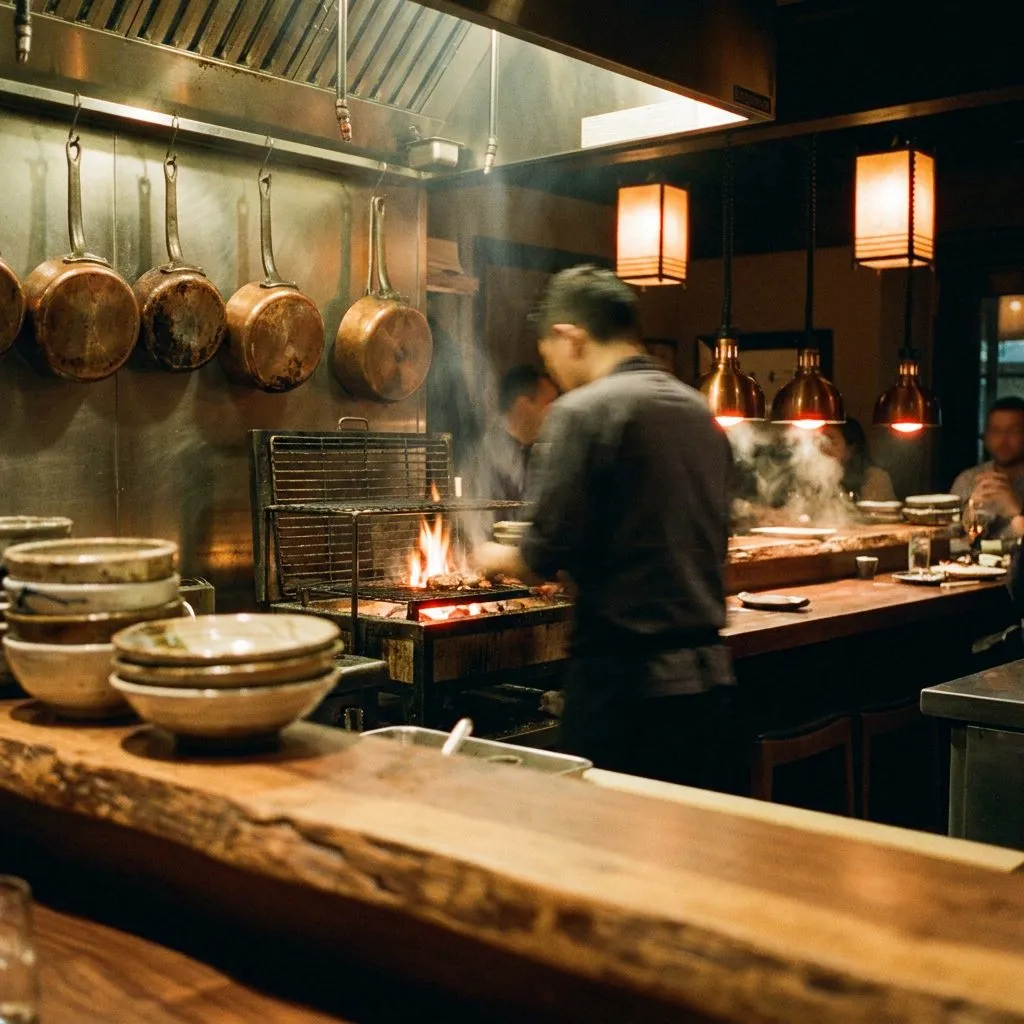
Kappo format—less ritualized than omakase, more improvisational, often involving grilled and simmered dishes alongside sushi—has become the genre for solo diners who want to talk. The chefs here tend to be older, more seasoned, less interested in Instagram silence. They'll ask where you're from, whether you like ankimo, if you've tried the grilled nodoguro they just brought in from Hokkaido. The counters are smaller, six or seven seats, and the evening unfolds less like theater and more like a dinner party where you happen to be the only guest.
Several kappo-leaning spots have opened in the neighborhood's eastern blocks, closer to Second Avenue, where rents allow for the kind of operational flexibility that lets a chef pivot the menu based on what the Hunts Point supplier delivered that morning. The mood is warmer, the lighting softer—often paper lanterns or amber pendant fixtures—and the sake list is where the sommelier budget went. Solo diners do well here because the pacing is conversational. The chef plates a dish, watches you taste it, adjusts the next course accordingly. You're not a ticket number; you're a collaboration.
The importance of corner seats and sight lines
Counter geography matters more than most reservation systems acknowledge. The corner seat—especially the left-hand corner if the chef is right-handed—gives you the best view of knife work, the cleanest angle on plating, and the most natural opportunity for eye contact. Midtown East counters are small enough that every seat is technically 'good,' but the corner lets you lean in without crowding, and it buffers you from the couple three seats down who insist on narrating every course for each other.
When you book, request the corner. If the restaurant doesn't take requests, arrive early and hover near the host stand with polite intent. The solo diner who demonstrates fluency in counter etiquette—phone away, elbows in, eyes up—earns the best real estate. And that real estate shapes the meal. You'll see the shiso leaf tucked under the toro before it lands on your plate. You'll notice the way the chef wipes the board between courses, the small recursions of care that become the meal's through-line.
Why late May is the season to sit alone
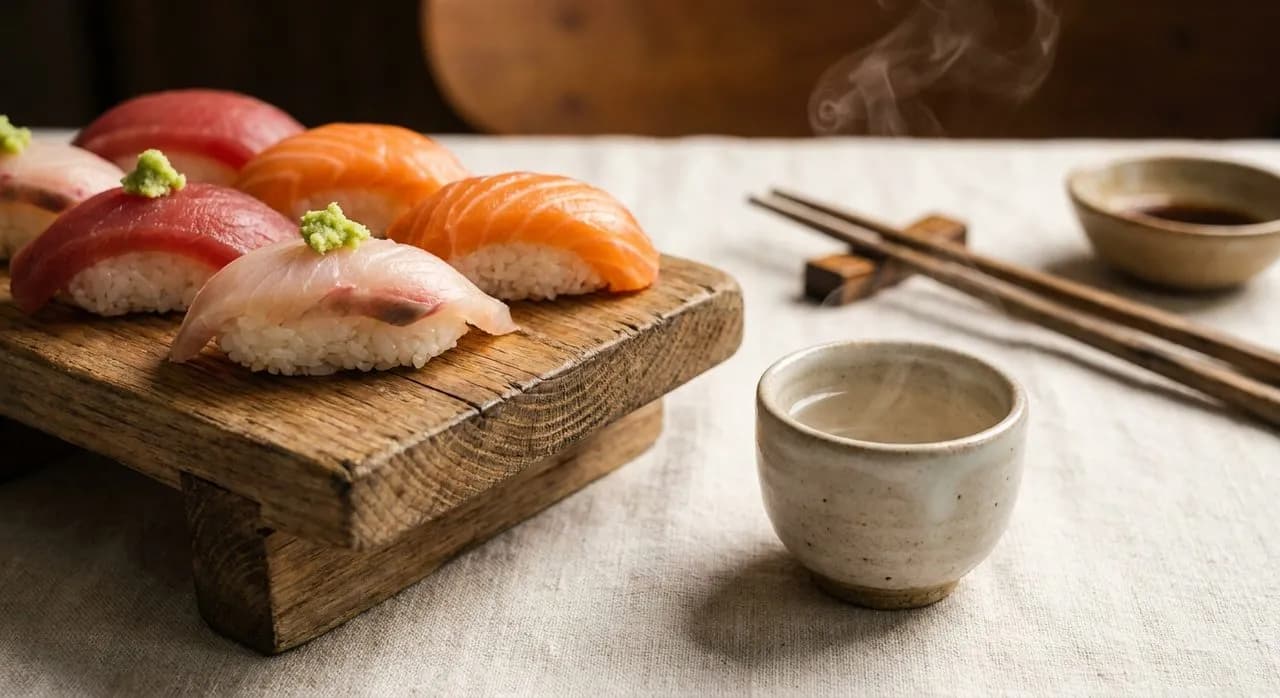
Late spring is when Midtown East empties just enough to make counter dining civilized again. The tourist crush hasn't peaked, the corporate dining budgets have been spent, and the chefs are cooking with early-season Japanese produce—firefly squid if they have the connections, young ginger, the first stone fruit from the Greenmarkets. The tempo of the neighborhood shifts. Streets that felt impassable in March now have breathable sidewalks. You can walk from Grand Central to a 6 p.m. seating without needing a shower.
The light matters, too. By late May, the evening sun slants through the east-west cross streets, and if you're seated at a counter near a window—rare but worth hunting for—you'll catch that amber hour between daylight and interior lighting when the whole room seems to pause. It's the season when solo dining stops feeling like a fallback plan and starts feeling like the plan.
What to expect from the $200-and-up evening programs
The top-tier evening omakase counters in Midtown East now routinely clear $250 per person before sake, and the solo diner pays the same as everyone else—but you get a different experience. These are the counters where the chef speaks less, works faster, and expects you to understand the progression without narration. The fish is extraordinary, sourced through the same Toyosu connections that supply the marquee spots downtown. The rice is calibrated to the gram. The interval between courses is timed to your chewing speed, which the chef has already clocked by piece three.
Solo diners thrive here if they can read the room's silence as focus rather than coldness. You're not being ignored; you're being studied. The chef will adjust your next piece based on how you handled the last one, whether you reached for soy, how long you let the neta rest on your tongue. It's omakase as diagnostic tool, and the solo diner is the ideal patient. No distractions, no compromises, no one across the table ordering the salmon skin roll.
The etiquette solo diners should actually care about
Counter culture has its own physics. Arrive on time; these are small operations where a single no-show wrecks the evening's math. Silence your phone and keep it in your pocket—photos are acceptable at some counters, performative photography is not. Eat each piece within moments of it landing in front of you; sushi is plated at the temperature and texture the chef intends, and it degrades fast. If you don't drink, say so early; the chef can pace the meal differently, and you won't spend the evening deflecting sake pours.
Ask questions, but read the room. Some chefs welcome conversation; others prefer to let the food speak. Watch how they interact with the regular two seats down. Match that energy. And tip well—20 percent minimum, more if the chef adjusted the menu on the fly or if you occupied a seat during prime hours. Counter chefs remember solo diners, for better or worse. Be the kind they remember fondly.
Practical notes
Midtown East omakase and kappo counters cluster along the cross streets in the East 40s and 50s, between Lexington and Second Avenues. Nearest subways: 51st Street (6 train), Lexington Avenue/53rd Street (E, M), or Grand Central (4, 5, 6, 7, S). Street parking is a fantasy; use a garage on Third Avenue or take the train. Most counters seat between six and ten guests, and reservations are essential—book two to four weeks ahead for dinner, one week for lunch. Many spots are up a few steps or in below-grade spaces; call ahead regarding accessibility. Bring cash for small spots that haven't upgraded their payment systems, though most now take cards. Verify hours directly, as several operate limited weekly schedules.
Tags: #PullUpAChair #MidtownEast #NYCOmakase #KappoCounter #SoloDining #OmakaseLunch #CounterCulture #JapaneseNYC #MidtownDining #NYCFoodie #LateMay2026 #SushiCounter #NewYorkEats #EatAlone #NYCCounters
Please drink responsibly. Must be of legal drinking age.
Sources consulted: Omakase · Midtown Manhattan · MTA - Getting Around NYC · Time Out New York Restaurants · New York Times Food
All trademarks are the property of their respective owners.