 Chelsea Consignment Shop Crawl Planner for Your First Studio
Hidden Gems & Odd Finds
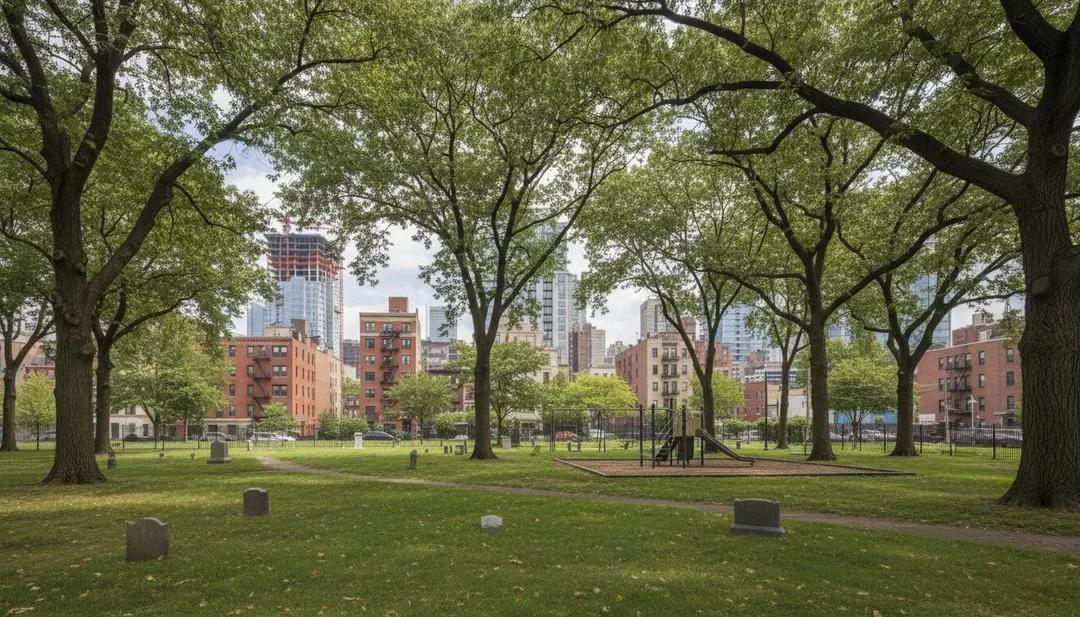
Olde Towne of Flushing Burial Ground: The Tiny Colonial Cemetery Park Most Flushing Food Crawls Miss
Discover the Olde Towne of Flushing Burial Ground, a peaceful colonial-era cemetery park often overlooked by Flushing visitors focused on food and shopping.
Nestled quietly just north of Flushing’s vibrant commercial heart, the Olde Towne of Flushing Burial Ground offers a striking contrast to the neighborhood’s bustling food markets and busy streets. This small, historic cemetery park preserves a unique piece of New York City’s colonial and African American history, providing a peaceful retreat that few food crawlers or tourists discover.
Established in 1840 as a pauper’s burial ground primarily for African Americans, Native Americans, and victims of epidemics, the site has endured decades of neglect and transformation. Today, thanks to dedicated community activism and official historic recognition, it stands as a solemn reminder of Flushing’s layered past and a quiet green space for reflection.
A Hidden Colonial-Era Burial Ground in Modern Flushing
The Olde Towne of Flushing Burial Ground dates back to 1840, originally designated as a pauper’s cemetery for marginalized communities including African Americans and Native Americans. Over time, it was known by various names such as the Colored Cemetery, Potter’s Field, and Martins Field. Its establishment north of Flushing Cemetery was partly due to public health concerns during cholera and smallpox epidemics in the 1840s.
Unlike the large, manicured cemeteries nearby, this burial ground is modest in size and has a layered history of neglect and community reclamation. It was purchased by New York City’s Parks Department in 1914 but was controversially paved over in the 1930s to create a playground and recreational area, erasing many visible grave markers.
From Playground Back to Burial Ground: Community Activism and Historic Recognition
In the 1990s, local activist Mandingo Osceola Tshaka rediscovered the site’s significance, uncovering that members of the Macedonia African Methodist Episcopal Church were buried there. This sparked renewed efforts to honor and preserve the burial ground’s history.
The Olde Towne of Flushing Burial Ground Conservancy was formed in 2007 to protect and maintain the site. Their work led to the cemetery’s renaming from Martins Field and its addition to the New York State Register of Historic Places in 2017, followed by listing on the National Register of Historic Places in 2018. These designations highlight the site’s cultural and historical importance.
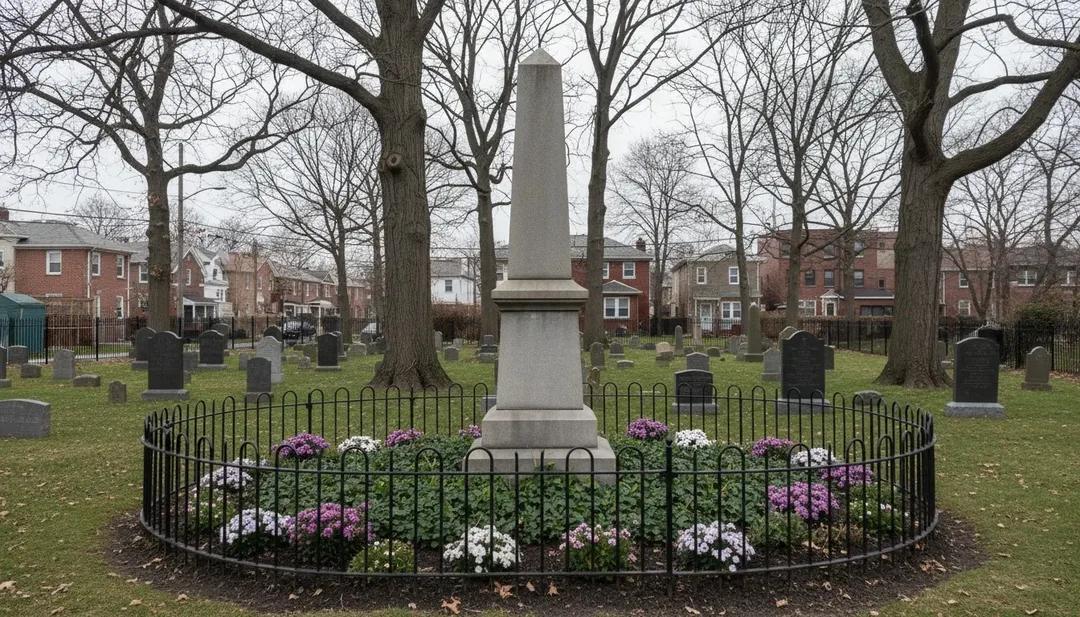
A Quiet Green Space Amid Flushing’s Bustle
Today, the burial ground functions as a small park with a playground area, but it is carefully managed to respect its sacred nature. Visitors can experience a peaceful atmosphere that contrasts sharply with the lively streets of Flushing just a few blocks away.
The site’s signage is being updated to better reflect its identity as a burial ground rather than a typical park, helping to educate the public and discourage inappropriate uses. Plans include replacing destroyed headstones with a monument to draw attention to the site’s history.
Visiting the Olde Towne of Flushing Burial Ground
The burial ground is open daily during daylight hours and is free to visit. It is located north of 46th Avenue between 164th and 165th Streets, directly across from Flushing Cemetery. Visitors can easily combine a visit here with a food crawl or cultural tour of Flushing, stepping briefly into a quieter, reflective space.
While there is no formal visitor center or guided tours regularly available, community events and educational programs occasionally take place, often organized by the Conservancy or local cultural institutions. Visitors are encouraged to respect the site’s rules, including no dogs and no sports activities.
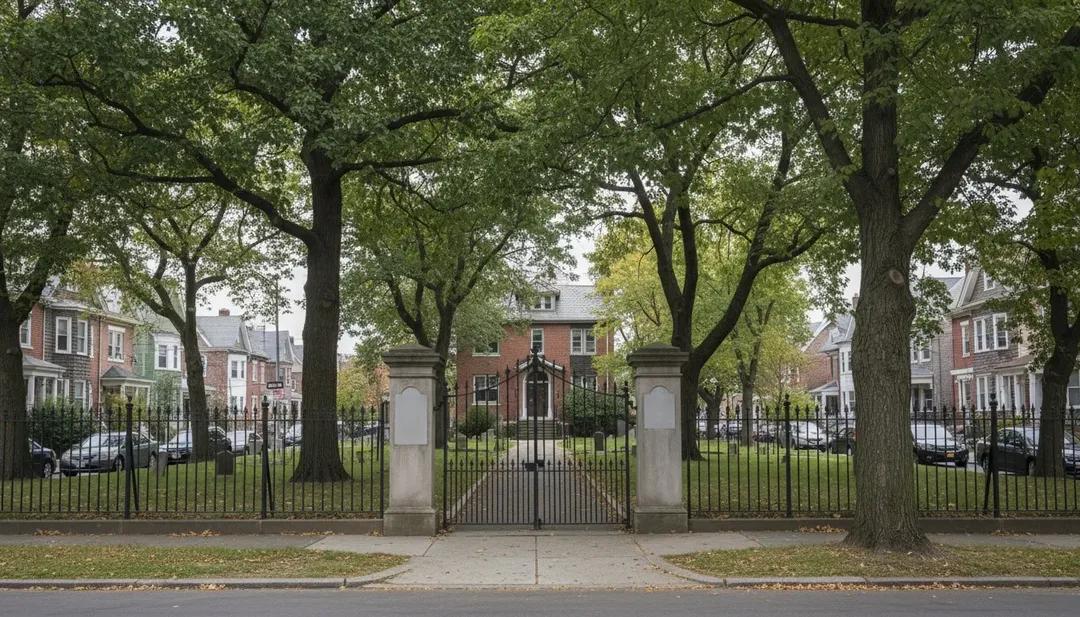
Why This Burial Ground Matters Today
The Olde Towne of Flushing Burial Ground is more than a green space; it is a testament to the lives and histories of marginalized New Yorkers often omitted from mainstream narratives. It preserves the memory of African American and Native American communities in Queens and serves as a reminder of the city’s complex social history.
For visitors seeking to experience a different side of Flushing—beyond its renowned food markets and shopping—this burial ground offers a meaningful, quiet encounter with New York’s colonial past and ongoing efforts to honor forgotten histories.
Practical notes
- Access: Open daily during daylight hours; no admission fee.
- Location: North of 46th Avenue between 164th and 165th Streets, Flushing, NY 11358.
- Transit: Accessible via Q26, Q27, Q31 buses; nearest subway is the 7 train to Flushing-Main Street, then bus or a 20-minute walk.
- Rules: No dogs allowed; no sports or playground use beyond designated areas.
- Reservations: Not required; site is publicly accessible.
- Accessibility: Pathways are modest; visitors with mobility needs should prepare accordingly.
- Official info: Check https://otfbgconservancy.org for updates before visiting.
Tags: #hidden_cemeteries #NYC #secret_NYC #local_knowledge #Olde_Towne_of_Flushing_Burial_Ground #hidden_gems #things_to_do_in_NYC #New_York_City #historic_cemeteries_in_Queens #Flushing_hidden_parks #African_American_heritage_NYC #colonial_burial_grounds_New_York #Flushing_Queens_history #quiet_parks_near_Flushing_food_crawl
All trademarks are the property of their respective owners.
Ask Karpo first
Want to know whether Olde Towne of Flushing Burial Ground fits your day, route, and timing? Ask Karpo first for a current NYC plan built around you.
Ask Karpo for more information.
Keep reading
- Chelsea Consignment Shop Crawl Planner for Your First Studio
 East Village Consignment Shop Crawl Planner: Leather Jackets
 Harlem Consignment Shop Crawl Planner for a Jazz Night Look