 Chelsea Consignment Shop Crawl Planner for Your First Studio
Hidden Gems & Odd Finds
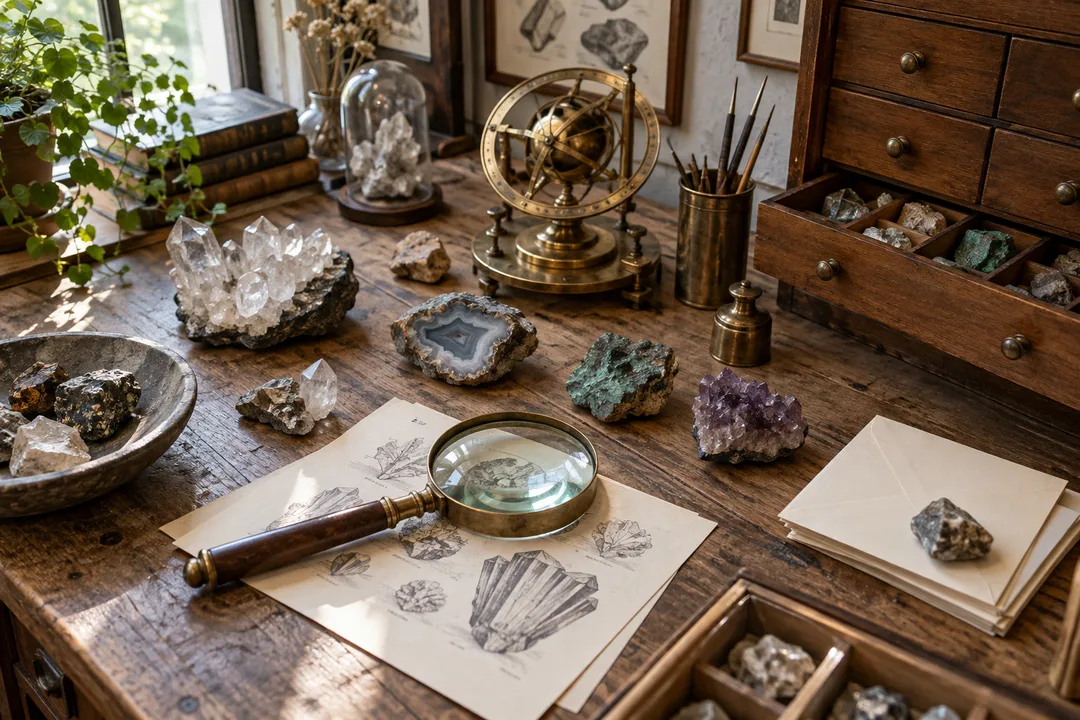
NYC Oddities Shop: Ask 4 Questions About An Object
Compare NYC oddities shop descriptions through materials, condition and provenance questions, and use Karpo to narrow a thoughtful browsing trip.
Compare an NYC oddities shop object with four questions: what is it made of, how is its condition described, what supports its stated origin and what exactly is included? Those questions help turn a striking display into information you can use. They do not establish authenticity by themselves. Use the Karpo APP to discover places that fit your collecting interests and to refine a browsing plan. Keep the assessment of an individual object tied to the seller's actual description and any independent expertise appropriate to the purchase.

Begin with a description you can repeat accurately
Write down the words used for the object before improving them into a story. “Antique-style brass instrument” and “antique brass instrument” are different descriptions. One describes an appearance. The other makes a claim about age. Similarly, a mineral name and a color description supply different kinds of information. You can appreciate either object, but your comparison becomes unreliable if you silently replace the seller's wording with a more impressive interpretation. Preserve the distinction between a specific assertion and your own visual impression.
Photographs also have limits. A dramatic close-up may show a texture clearly while giving no reliable sense of scale or of the reverse side. Ask for the dimensions and the views that matter to your intended display. If a seller's description already answers a question, record the answer with its source instead of asking again in slightly different words. This makes the eventual conversation more focused and leaves time for the uncertainties that actually affect whether you want to buy.
Question one: what material is being described?
Separate an object's main material from its mount, finish and decorative additions. A polished surface does not tell you everything beneath it, and a metallic appearance does not identify an alloy. Use the named material in the description, then ask about an unexplained component if it matters to you. A contemporary decorative piece is not a lesser choice simply because its appeal comes from design. What matters is that the description and your expectations agree about the kind of object you are considering.
For natural specimens, avoid supplying a scientific name from resemblance alone. For an assembled decoration, ask which parts are original to the piece and which are part of the display. If you have material exclusions, state them plainly at the beginning. You do not need to argue for a different answer when the object does not meet the brief. Declining a purchase can be the correct result of a careful comparison, and a clear preference helps your next search become more precise.
Question two: what does condition include?
Condition can involve chips, repairs, missing elements, surface wear and the way an object sits on its base. Decide which issues affect your use rather than assuming every visible mark is either desirable patina or a disqualifying defect. A bookshelf decoration and a functional mechanism invite different questions. If you want something to operate, the description should address that expectation specifically. Do not infer working condition from a moving part in a photograph or from an evocative reference to the object's original purpose.
During an in-person visit, ask permission before lifting a piece, opening a case or testing a mechanism. Follow the seller's instructions and keep your own observations separate from their explanation. Note what you can see, what was described to you and what remains unanswered. This article offers a way to organize a visit, not a condition report for a named object. A concern that matters financially or technically may require an independent specialist rather than another general recommendation.
Question three: what supports the origin story?
A place of manufacture, a collection history and a previous owner's identity are separate claims. Ask what documentation supports the claim that matters to you, and retain the exact wording of the response. A compelling anecdote can make an object enjoyable without proving a date or an attribution. Likewise, a receipt records a transaction but does not automatically provide an independent authentication. You can value the appearance of an object while declining to pay extra for a history that has not been established.
Avoid using a shop's atmosphere as evidence. Wooden cabinets, old instruments and handwritten labels can create a memorable visit. They do not settle the identity of every item displayed. If provenance is central to your purchase, make it a requirement in the shopping brief rather than a pleasant bonus discovered at the counter. Favor a modest, explicit explanation over an elaborate story assembled from guesses. The appropriate decision may be to keep looking, choose a clearly described contemporary piece or seek specialist advice.
Question four: what leaves the shop with you?
Clarify the complete purchase: the object, its stand, its protective case and any accompanying description. A display arrangement can contain several separately sold elements. Ask about dimensions and packaging for what is actually included, not what happens to be nearby in the photograph. If an essential mount is separate, that changes both the display plan and your personal spending decision. Use the seller's stated transaction terms for any collection, shipping or return arrangement you consider.
Turn those questions into a useful Karpo brief
Tell Karpo what interests you and the evidence you want to prioritize. An example is: “Help me find NYC oddities shops for a browsing afternoon focused on geological specimens and mechanical desk objects. I prefer clear material descriptions and want to avoid purchases that depend on an undocumented historical story. Keep the outing near my starting area.” Add your actual neighborhood and time limit. The app's role is helping you explore and plan, not certifying the authenticity or legal status of a collectible.
When suggestions arrive, compare why each place fits the task. Ask for a smaller set if the list includes unrelated museums, general furniture stores or online-only sellers. Preserve the source link behind each relevant description. You can also change the goal from buying to learning what you enjoy. A visit that clarifies your preferences is useful even when every object stays in its case. That outcome reduces the pressure to turn the first visually exciting recommendation into an immediate transaction.
Practical Notes
Carry a short note with the four questions and enough space to record the answers. Use exact material and condition wording when you discuss an object later. Keep suggested destinations, seller statements and your own observations distinct. For valuable or specialized purchases, choose the level of independent assessment that the decision deserves. Begin in the Karpo APP with your subject interest and route constraints, then take the specific object questions to the seller. The aim is an interesting outing and an informed choice, with a story you can tell accurately if you bring something home.
Ask Karpo for more information.
Keep reading
- Chelsea Consignment Shop Crawl Planner for Your First Studio
 East Village Consignment Shop Crawl Planner: Leather Jackets
 Harlem Consignment Shop Crawl Planner for a Jazz Night Look