 Chelsea Consignment Shop Crawl Planner for Your First Studio
Hidden Gems & Odd Finds
Oddities Museum Near Me: Tenement Museum Rooms With Stories
Tenement Museum uses preserved Lower East Side apartments and guided neighborhood walks to show the objects, constraints, and family stories behind urban immigration.
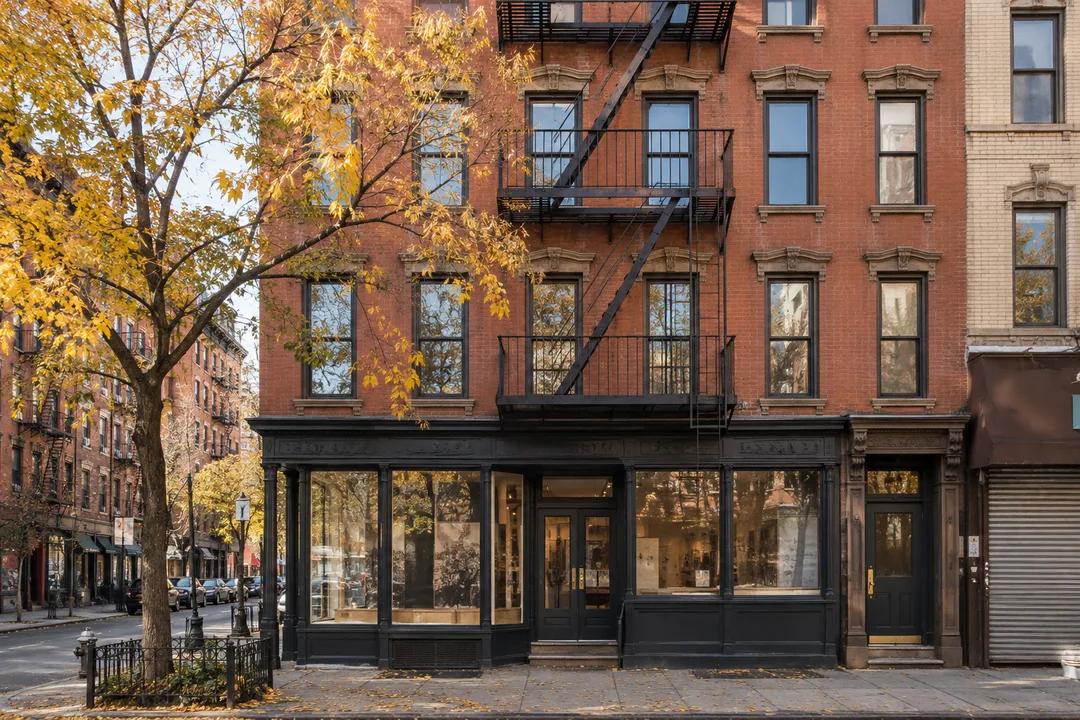
The Tenement Museum is an excellent oddities museum near me choice for visitors who want real rooms, not a case of detached objects. At 103 Orchard Street on the Lower East Side, the museum introduces immigrants, migrants, and refugees through guided tours of historic apartments and neighborhood walks. The oddity is the density of evidence: a kitchen corner, a shared bedroom, a shop sign, or a family recipe can explain city life more clearly than a grand monument.
All tours start at the Visitor Center and Museum Shop at 103 Orchard Street, on the corner of Delancey Street. The location is close to the F, M, J, and Z trains, and the Lower East Side is easy to approach on foot from Chinatown, the East Village, or the Williamsburg Bridge. Arrive at least 10 minutes before the scheduled start because the museum is tour-based. The building itself is not an open-ended walk-in gallery.
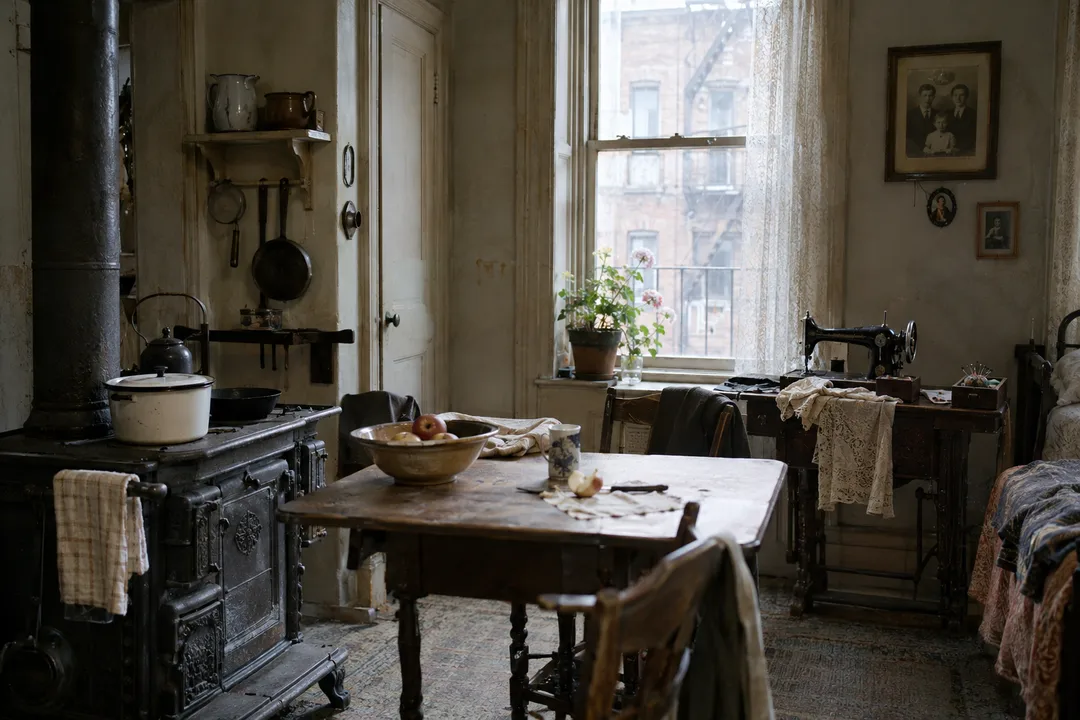
What makes the museum unusual is its refusal to flatten history into one immigrant story. Different apartments represent different families, decades, languages, jobs, and political circumstances. The rooms are small because the lives were constrained, and that physical fact keeps the narrative honest. You do not simply read that families shared space; you stand inside a room where a bed, stove, table, and workbench compete for the same few feet.
Choose a tour by the kind of evidence you want to follow. Apartment tours focus on family histories and domestic interiors, while neighborhood walks extend the story into streets, businesses, and public life. The museum recommends combining a building tour with a walking tour when time allows. That pairing is especially useful because the preserved interiors show private pressure and the blocks outside reveal how people built community around it.
Look closely at the practical objects. Pots, sewing tools, work shoes, religious items, children's belongings, and handwritten materials show how residents made a home with limited space and money. None of these objects is spectacular alone. Together they explain decisions about food, work, privacy, education, and survival. The tour becomes an oddities museum experience because everyday things are treated as serious historical witnesses rather than background decoration.
The food experiences add another layer by using taste, labor, and memory. A recipe or shared meal can carry migration history in a way that a wall label cannot. The point is not to turn hardship into nostalgia. It is to understand how food helped people maintain identity, build relationships, and adapt to a new city. Ask the educator how the menu connects to the tour's family or neighborhood story, then let the details guide the conversation.
Rules matter more here than in a typical museum. Visitors stay with their guide, do not touch walls or objects unless invited, and silence phones before the tour begins. Photography is permitted on most tours if it does not distract the educator or other guests, while recording audio or video is not allowed. The best queue strategy is to reserve in advance and leave at least 15 minutes between two experiences so one late departure does not ruin the next.
Apartment and walking tours cost $30 per person, while food experiences cost $55. Children under 5 are free for food experiences, and online or phone orders add a $3 service fee per ticket. The Visitor Center is open daily from 9:45am to 6pm, but the tour calendar controls the actual apartment access. Those prices reflect a guided experience rather than general admission, so budget for the educator's time and choose one strong tour instead of trying to rush through several.
The atmosphere changes from street noise to concentrated listening. Orchard Street is busy, but the apartments narrow the field of attention to walls, stairwells, and voices. The museum does not rely on dramatic lighting or theatrical effects. The oddness comes from scale and absence: a room that once held a family now holds a group of strangers trying to imagine the daily choreography. That quiet discomfort is more valuable than a sensational exhibit.
The Tenement Museum's story is also about research and reconstruction. Curators use census records, directories, photographs, artifacts, oral histories, and architectural evidence to bring particular residents back into focus. The museum does not pretend every blank space can be filled. Instead, it shows how historical conclusions are built from fragments. That method makes the visit useful for students and writers because the building demonstrates how evidence becomes a human narrative.
Afterward, walk north along Orchard Street toward the New Museum and the old Essex Market area, or head east to Seward Park and the waterfront side of the neighborhood. A food-focused route can continue through Sara D. Roosevelt Park toward the East Village. The museum pairs well with a slow block-by-block walk because you will notice fire escapes, narrow lots, storefront changes, and layered languages. Let the neighborhood remain part of the exhibit.
Practical Notes: the Tenement Museum Visitor Center is at 103 Orchard Street, New York, NY 10002. The Visitor Center is open daily from 9:45am to 6pm. Apartment and walking tours are $30, food experiences are $55, and children under 5 are free for food experiences. Tours require reservations, start at the Orchard Street center, and last roughly 60 to 90 minutes. Wear comfortable shoes.
Choose this oddities museum near me when unusual means seeing how much history can fit inside an ordinary room. It suits travelers interested in immigration, architecture, food, labor, family memory, and neighborhood change. It is not a solo free-roam attraction, and the guided format rewards attention rather than speed. The strongest souvenir is not a photograph; it is a new understanding of how a crowded apartment, a shared meal, and a city block can hold several generations of meaning.
Ask Karpo for more information.
Keep reading
- Chelsea Consignment Shop Crawl Planner for Your First Studio
 East Village Consignment Shop Crawl Planner: Leather Jackets
 Harlem Consignment Shop Crawl Planner for a Jazz Night Look