 Chelsea Consignment Shop Crawl Planner for Your First Studio
Hidden Gems & Odd Finds
Oddities Museum Near Me in Hudson Square: New York City Fire Museum
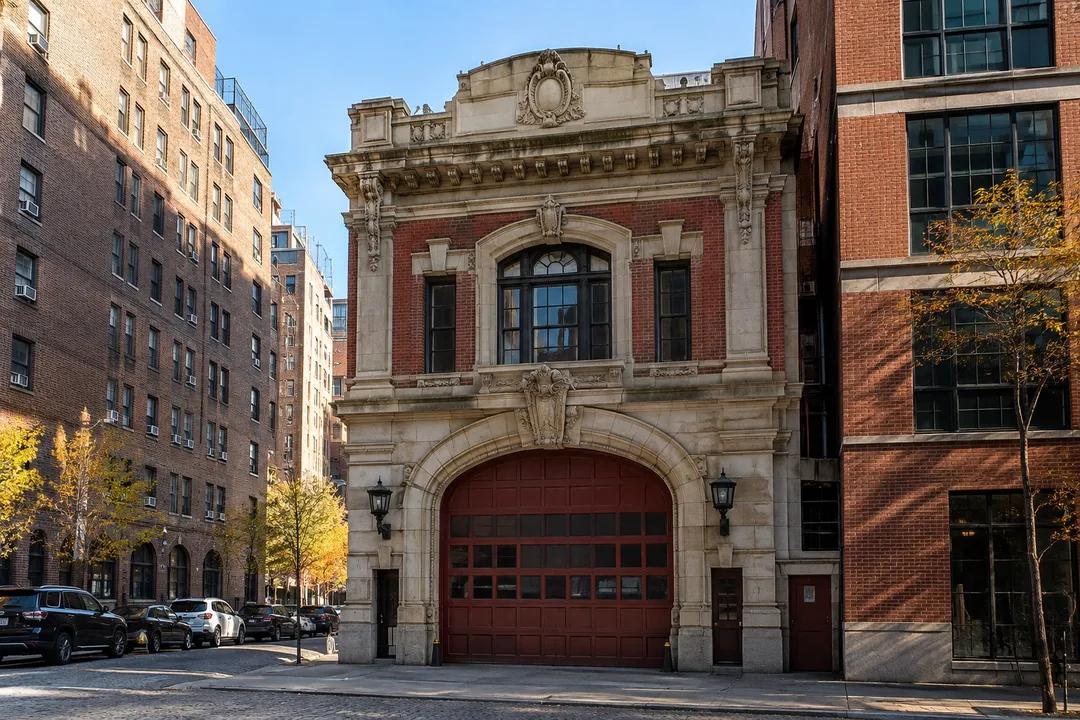
The New York City Fire Museum fills a 1904 Beaux-Arts firehouse at 278 Spring Street with about 30,000 objects, from volunteer-era hand pumpers to a 1921 American La France engine; adult tickets are $15, Wednesday to Sunday 10am to 5pm.
Adult tickets to the New York City Fire Museum cost $15, the doors open Wednesday through Sunday from 10am to 5pm, and the building itself is a 1904 Beaux-Arts firehouse at 278 Spring Street, between Varick and Hudson Streets in Hudson Square. Inside are roughly 30,000 objects across 11 galleries. Anyone searching oddities museum near me in lower Manhattan should know this is where the city keeps its strangest firefighting machines, from leather buckets to a double-decker hand pumper.
Getting to 278 Spring Street
The museum's own directions are simple. Take the C or E to Spring Street and walk a block and a half west, or ride the 1 to Houston Street and walk four blocks south on Varick. The building sits on the north side of Spring between Varick and Hudson, and the tall arched apparatus door is impossible to miss. There is no validated parking, so on weekends the subway is the sensible choice, and the museum's FAQ says plainly that parking is not validated.
A Firehouse That Became a Museum
This was once the quarters of Engine Company No. 30. The collection's roots reach back to 1870, when objects were first gathered at the Fire Commissioners' headquarters, and the Friends of the New York City Fire Department Collection raised the money to restore this firehouse and open the museum here in 1987. It took its current name in 2015 under a charter from the New York State Board of Regents. The apparatus floor still has the proportions built for horses and steam.
The Strangest Machines on the Floor
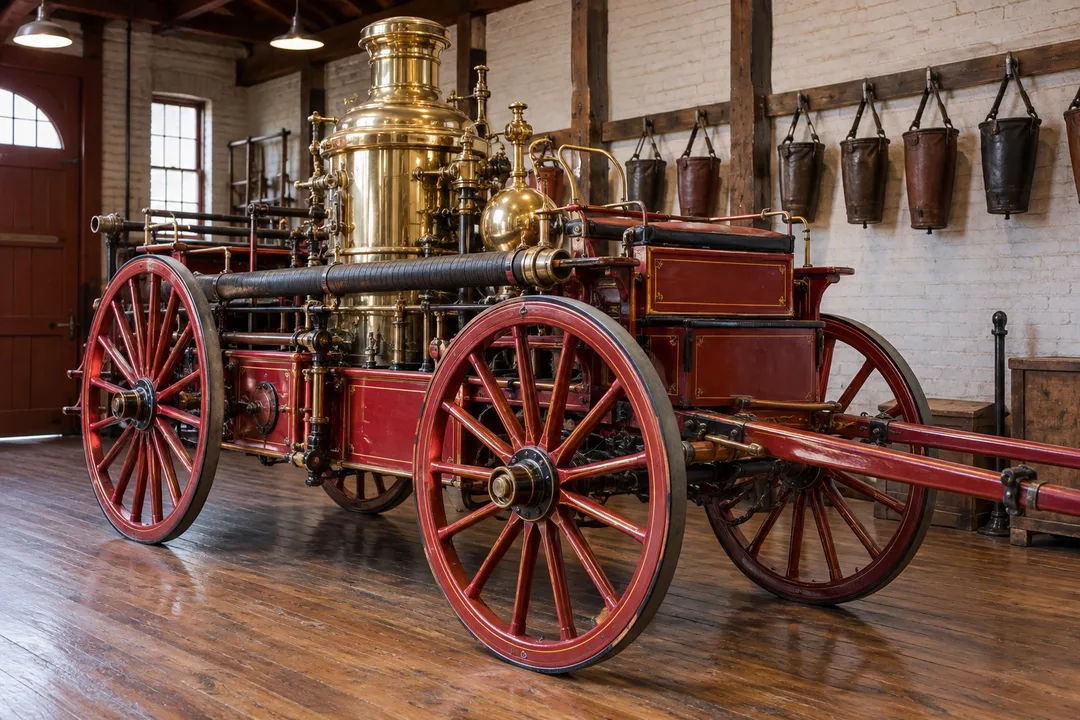
The ground floor is where the oddities live. Volunteer-era hand-drawn engines include a piano-box engine and a goose-neck pumper, named for the shapes of their bodies and nozzles, which crews worked by pumping long handles in rhythm. Most surprising is a double-decker Philadelphia-style engine that, according to the museum, appeared at the opening celebration of the Statue of Liberty. Stand at the side to see how many men it took to work one of these rigs.
Horse Power and the 1921 Engine
Nearby stands a horse-drawn ladder wagon, a reminder that until the early twentieth century firehouses kept stables, and a 1921 American La France engine that marks the switch to motor apparatus. Compare its open driver's seat and brass fittings with the hand pumpers a few feet away and you can see a century of design in a single room. Children tend to gather here, and the staff is used to explaining which parts of a rig did what.
Colonial Buckets and Modern Tools
Upstairs, a Colonial Firefighting exhibit covers the bucket-brigade era, when every household was expected to keep leather fire buckets ready. At the other end of the timeline, displays show the tools today's firefighters use, including the Halligan bar, invented by an FDNY officer, and the hydraulic rescue tool everyone calls the Jaws of Life. The contrast between hand-sewn leather and hydraulic steel is the quiet thread running through the whole museum.
Ground Zero 360 and the Memorial
The current special exhibition, Ground Zero 360, opened to the public on September 12, 2026 and runs through January 2027. It gathers work by artists including Sean Scully, Jasper Johns, Jeff Koons and Yoko Ono in remembrance of the September 11 attacks. A permanent memorial in the museum honors the 343 FDNY members killed that day. Give yourself time here; it is the most affecting part of the visit, and many visitors arrive having lost someone.
Ticket Prices and Discounts
Adult admission is $15. Students, seniors 65 and over, firefighters and EMTs from outside New York City, and visitors with disabilities pay $10. Youth ages 3 to 17 pay $6, and visitors using Museums for All with an EBT or SNAP card pay $3. Children under 2, active FDNY, NYPD and Port Authority police, and active U.S. military get in free. Groups of 15 or more pay $10 per person.
When to Go
Wednesday and Thursday mornings are the quietest, before school groups and tourist families arrive. Weekends pick up after noon, especially when SoHo shopping crowds drift west. The museum suggests about an hour, but anyone who reads the labels on the hand pumpers or spends time with Ground Zero 360 will want ninety minutes. The museum is closed Monday and Tuesday, which catches out many visitors planning a start-of-week itinerary.
Rules Inside the Galleries
Photos and video are allowed for personal, non-commercial use, so you can shoot the brass and wheels freely. Strollers are allowed throughout, and an elevator reaches the second floor, making the building wheelchair accessible. Food and drink stay off the exhibit floors. Small children are welcome, though the volunteer-era engines are for looking rather than climbing, and staff will steer little hands away from the polished fittings.
Who You Will Meet There
The ticket list hints at the crowd: free entry for active FDNY members and discounts for out-of-town firefighters and EMTs bring working crews and retirees alongside parents with preschoolers deep in a fire-truck phase. One habit worth copying from the retirees is to ask staff about the engine company that served this building; it gives the whole visit a human anchor.
Walking Hudson Square and Tribeca
Leave by Spring Street and walk two blocks west to The Ear Inn at 326 Spring Street, a bar in a building dating to 1817 that bills itself as one of New York's oldest drinking spots and stays open from noon until 4am. For a second firehouse, head south about fifteen minutes to Hook and Ladder 8 at 14 North Moore Street in Tribeca, the 1903 station made famous by Ghostbusters. It is still an active FDNY house, so admire it from the sidewalk.
What to Skip
If time is short, do not linger over the modern apparatus you can see on any city street; spend the minutes upstairs instead, where the colonial bucket display and the tool cases are what most visitors rush past. Avoid arriving in the last half hour before 5pm, since Ground Zero 360 deserves unhurried time. And do not expect interactive simulators; this is a collection museum built around objects, not a hands-on science center.
Practical Notes
Address: 278 Spring Street, New York, NY 10013. Hours: Wednesday to Sunday, 10am to 5pm. Tickets: $15 adults, $10 students, seniors and visitors with disabilities, $6 ages 3 to 17. Subway: C or E to Spring Street, or the 1 to Houston Street. The building is accessible by elevator, strollers are fine, and there is no validated parking. Plan one to one and a half hours inside.
Ask Karpo for more information.
Keep reading
- Chelsea Consignment Shop Crawl Planner for Your First Studio
 East Village Consignment Shop Crawl Planner: Leather Jackets
 Harlem Consignment Shop Crawl Planner for a Jazz Night Look