 Chelsea Consignment Shop Crawl Planner for Your First Studio
Hidden Gems & Odd Finds
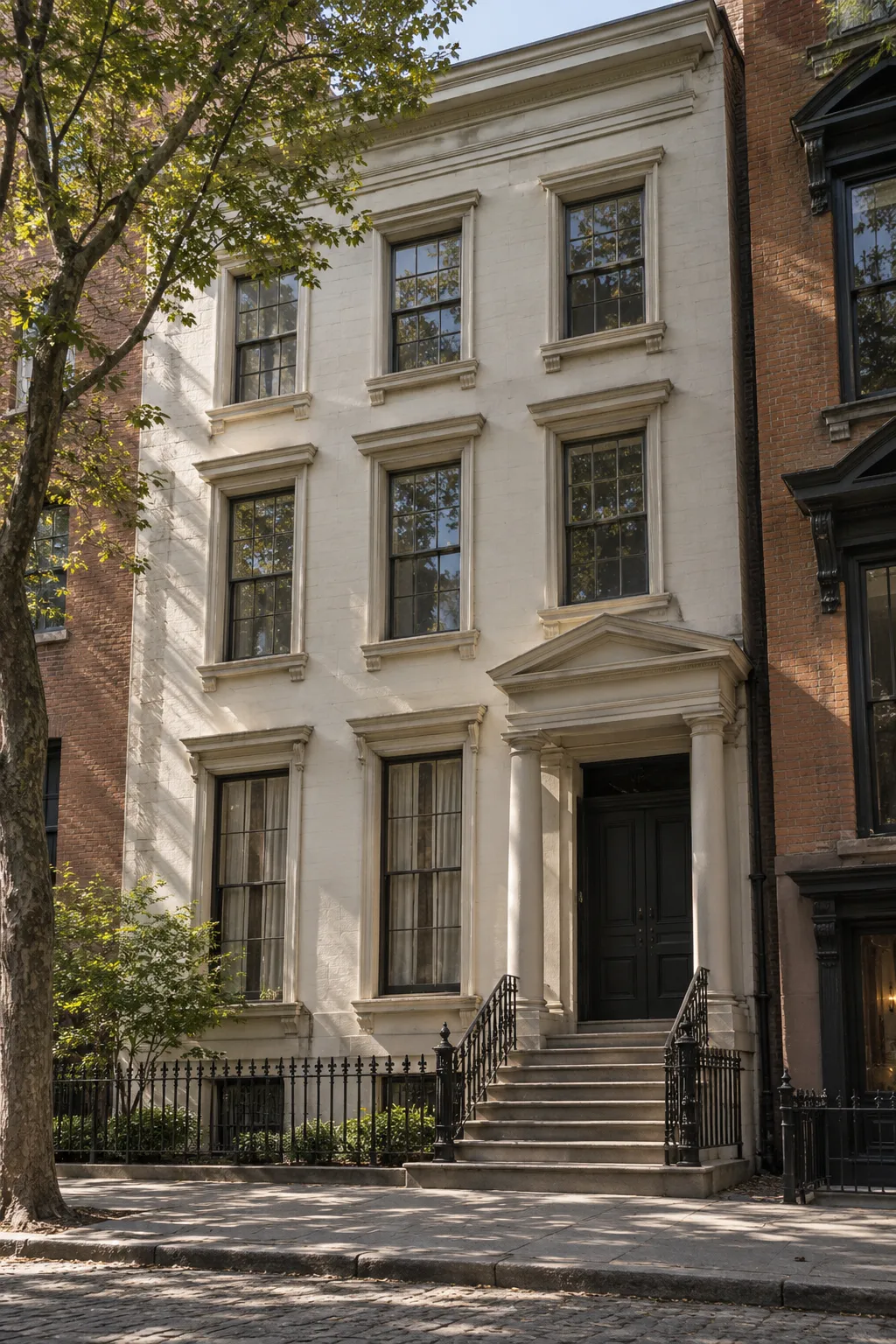
Oddities Museum Near Me: Merchant's House Museum's Hidden Passage
Merchant's House Museum preserves an intact nineteenth-century Manhattan home, original belongings, and a newly revealed passage with an unusually layered history.
When an oddities museum near me search turns toward Manhattan history, Merchant's House Museum is a rewarding answer because the strange material is built into the house itself. At 29 East Fourth Street, the preserved Greek Revival home holds the rooms, furniture, clothing, and domestic objects of the Tredwell family. The result is not a display of curiosities chosen for shock. It is a complete time capsule whose ordinary details become uncanny when they have survived together for nearly two centuries.
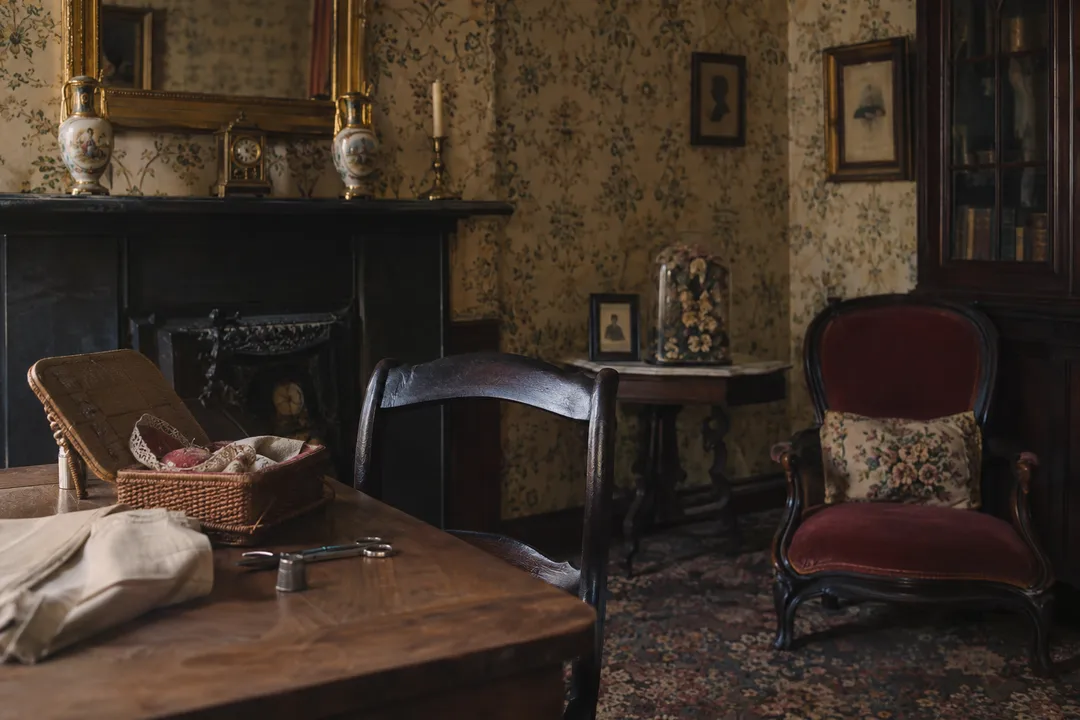
The museum sits between Lafayette Street and the Bowery, with Astor Place and Washington Square North close enough to make a pleasant walking approach. The nearest subway options include the 6 at Astor Place and the R or W at 8th Street-NYU. Enter through Manuel Plaza at 35 East Fourth Street during restoration work, then allow 45 to 60 minutes for the self-guided route. The narrow townhouse rewards a calm arrival rather than a hurried drop-in.
The oddness begins with preservation. Many historic houses show a restored room or two, but Merchant's House keeps a remarkable run of connected domestic spaces, from parlors and bedrooms to service areas and the rear garden. The building makes social hierarchy visible through stairs, doors, furniture, and sightlines. You can feel how the family occupied the front rooms while servants worked in less public spaces. The museum's unusual power comes from the house behaving like evidence.
Start in the formal rooms, where polished wood, patterned wallpaper, and restrained furniture create a picture of respectable nineteenth-century life. Then look for the small disruptions: a worn threshold, a personal object left behind, a child's item, or a practical piece of kitchen equipment. These things resist the idea that history is only portraits and grand events. The room becomes a record of habits, and habits are often the most revealing oddities a museum can preserve.
The clothing collection gives the house a human outline. Dresses, shoes, hats, and household textiles show how much work went into appearing orderly, especially for women whose lives were structured around the house. Fabric also records touch and time differently from wood or plaster. A hem, seam, or faded surface can make a distant person suddenly specific. Take the time to read the labels before moving on; the material is strongest when it stays attached to individual lives.
A major reason to visit now is the Underground Railroad passageway on view beneath a built-in chest of drawers. The narrow hiding place changes the scale of the house again. A grand parlor can suggest status, while a concealed space reveals danger, moral decisions, and the practical architecture of resistance. The passage should be approached quietly and without turning it into a theatrical secret. Its force comes from realizing that the same floor plan held both domestic comfort and a route to freedom.
The visiting rules shape the experience. Large bags, suitcases, and shopping bags must be checked, the house is reached by stairs across five floors, and photography should remain respectful and non-disruptive. There is no timed queue for the self-guided visit, but the building is narrow, so arriving near the 1pm opening or during the last entry at 4:30pm helps. Guided tours at noon require reservations and create a fuller, more structured look at the rooms.
Self-guided admission is $15.50 for adults, $10.50 for seniors and students with identification, and children under 12 enter free. A guided house tour is $20.50. The museum accepts cash and cards, with a 50-cent cash discount per ticket. These prices make it easy to choose between an independent hour and a deeper docent-led visit. Leave enough time for the passageway and rear garden instead of treating the ticket as a quick photo stop.
The atmosphere is intimate rather than spooky, even though the house has long attracted ghost stories and tales of unexplained sounds. The better reason to notice the mood is architectural: rooms are close, staircases creak, and daylight changes as you move from the street-facing parlor to the back of the house. The museum does not need sound effects. Silence, original surfaces, and the awareness of other visitors moving through the same domestic sequence do the work.
Merchant's House also tells a story about preservation itself. The Tredwell family occupied the property for almost a century, and later caretakers protected much of the interior rather than modernizing it away. That decision allowed a single address to keep its social texture. The museum is therefore about both the family and the people who recognized that a modest townhouse could hold a major record of New York life. Its oddity is the survival of continuity.
For a neighborhood walk, head west to Astor Place and Washington Square Park, then continue through the old streets of Greenwich Village. A southbound route reaches the Public Theater and the Cooper Union area, while a northbound loop takes in independent bookstores, cafes, and the changing edge of NoHo. The house is best visited before the walk because its rooms sharpen your attention to stoops, fire escapes, shopfronts, and the traces of earlier residents outside.
Practical Notes: Merchant's House Museum is at 29 East Fourth Street, New York, NY 10003. Self-guided hours are Wednesday through Sunday, 1pm to 5pm, with last entry at 4:30pm; guided tours begin at noon. Admission is $15.50 general, $10.50 for seniors and students, and $20.50 for guided tours. The building is not wheelchair-accessible and is not air-conditioned, so plan clothing and stairs accordingly.
Choose this oddities museum near me when you want a strange feeling produced by real domestic evidence rather than spectacle. It suits architecture fans, history readers, preservationists, families with older children, and visitors who enjoy noticing how people lived in small spaces. It is not a fast attraction or a hands-on playground. The reward is a precise, quietly unsettling portrait of Manhattan, where a drawer, a passage, or a worn step can carry the weight of a much larger city.
Ask Karpo for more information.
Keep reading
- Chelsea Consignment Shop Crawl Planner for Your First Studio
 East Village Consignment Shop Crawl Planner: Leather Jackets
 Harlem Consignment Shop Crawl Planner for a Jazz Night Look